Massage Cream
CN → US| HS Code | Tariff Rate | Origin | Destination | Doc |
|---|---|---|---|---|
| 3307900000 | 40.4% | CN | US | Official Doc |
| 3304995000 | 35.0% | CN | US | Official Doc |
| 3307305000 | 39.9% | CN | US | Official Doc |
| 2106905850 | 22.3% | CN | US | Official Doc |
| 3304910050 | 35.0% | CN | US | Official Doc |
Product Images

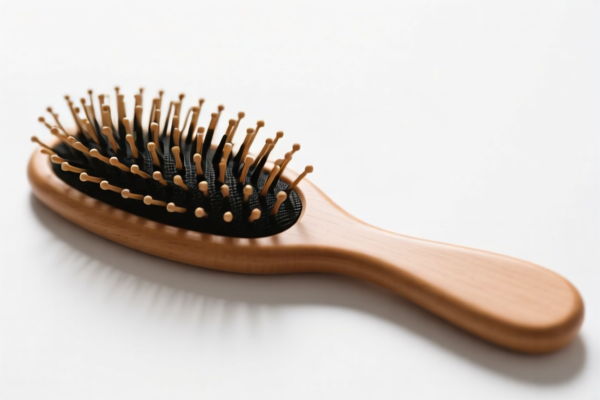
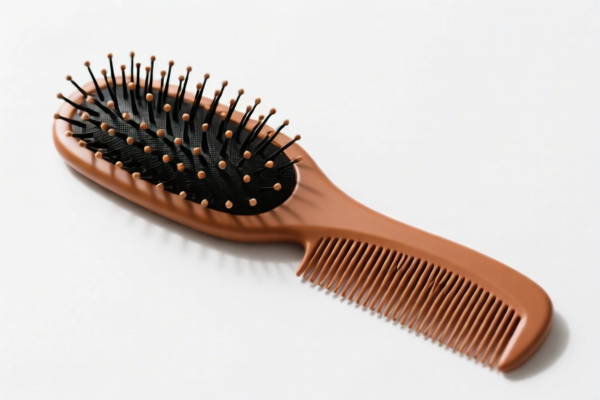
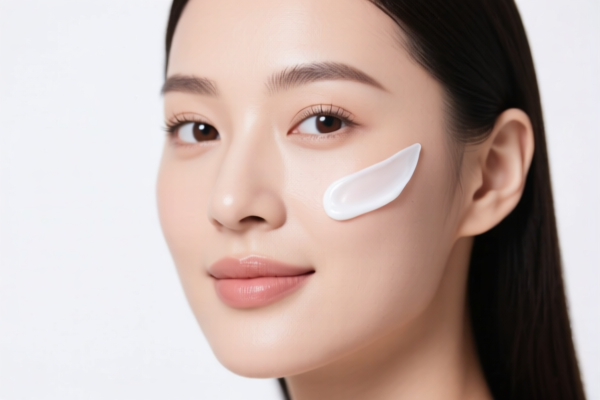
AI Analysis
🧴 Massage Cream: Ultimate HS Code & Taxation Guide (2026 Edition)
🌐 Global HS Code Reference & Customs Clearance Strategy | 2026 Latest Tariff Analysis | Professional Entry Protocol
📌 Section 1: Product Definition & Classification Logic
Massage Cream is a versatile topical preparation used for skin care, therapeutic massage, and relaxation. In international trade, its classification hinges on intended use (cosmetic vs. medicinal vs. chemical preparation) and physical form (paste/cream).
It generally falls under Chapter 33 (Essential Oils & Perfumery; Cosmetics & Toilet Preparations), but can occasionally be misclassified into food or chemical categories if documentation is vague.
⚠️ Critical Classification Distinction:
- Cosmetic/Skin Care Use →归入 3304 or 3307 (Beauty/Toiletries).
- Chemical/Medical Preparation → Risk of 3307.90 or 2106 (if interpreted as "other preparations").
- Form Matters:膏状 (Paste/Cream) vs. 粉状 (Powder) can shift the code even within similar chapters.
📦 Section 2: Detailed HS Code Classification Matrix (2026 Data Source)
Based on the provided dataset, here are the 5 Potential HS Codes with their specific rationales and tax implications:
| HS Code | Product Description & Rationale | Tax Category Logic |
|---|---|---|
| 3307.90.00.00 | General Toiletries/Other Perfumes • Rationale: Classified as a toiletry/care product. Material is inferred as a paste-based chemical preparation. Fits the "other" category under toiletries/perfumes. |
High Tax Burden (40.4%) |
| 3304.99.50.00 | Skin Care & Massage Preparations • Rationale: Specifically defined as skin care & massage preparations. Material and use perfectly match "cosmetic/skin care preparations" with no conflicting features. |
Standard Burden (35.0%) |
| 3307.30.50.00 | Bath & Shower Preparations • Rationale: Classified under bath/toilet preparations. Use aligns with "other perfumes/cosmetics/toiletries." Form is paste, matching the description of preparations in this subheading. |
Medium-High Burden (39.9%) |
| 2106.90.58.50 | Food Preparations (Other) • Rationale: ⚠️ Risk Category. Treated as "other food preparations." Based on common sense, it is a paste for skin care, no conflict with gelatin/food texture, fits the "catch-all" category. |
Lowest Burden (22.3%) - High Risk of Audit |
| 3304.91.00.50 | Skin Care Preparations (Powder/Other) • Rationale: Classified as skin care preparations. Although form isn't explicitly labeled, it is inferred as paste. Fits the logic of "other" within powder/skin care categories, no material conflict. |
Standard Burden (35.0%) |
💰 Section 3: 2026 Tariff Structure Deep Dive (China Origin → US Import)
✅ Applicable Market: United States (US)
✅ Country of Origin: China (CN)
✅ Tax Structure Breakdown:
1. Base Duty (MFN): Standard tariff rate (varies 0%–5.4%).
2. "Add-on" Tariff (Section 301): Flat 25.0% surcharge on most Chinese goods.
3. "Clause 122" Tariff (IEEPA): Additional 10% surcharge (Effective 2025/2026).
🎯 Scenario A: 3304.99.50.00 & 3304.91.00.50 (Skin Care Category)
Best Fit for Cosmetic/Massage Cream
| Component | Rate | Legal Basis |
|-----------|------|-------------|
| Base Duty | 0.0% | Standard MFN rate for specific cosmetics. |
| Section 301 Add-on | +25.0% | US Trade Action (301 Investigation). |
| Clause 122 (IEEPA) | +10.0% | National Emergency Economic Powers Act. |
| TOTAL TAX | 35.0% | Calculation: CIF × 35% |
| De Minimis | ❌ No | High combined rate triggers strict scrutiny. |
📌 Why this is optimal: Despite the 35% total, this is the most legally defensible classification for a "Massage Cream" intended for skin application. It aligns with the product's primary function (cosmetic/skin care).
🎯 Scenario B: 3307.90.00.00 & 3307.30.50.00 (Toiletry/Bath Category)
Alternative Classification (Higher Cost)
| Component | Rate | Legal Basis |
|-----------|------|-------------|
| Base Duty | 4.9% - 5.4% | Standard MFN for general toiletries. |
| Section 301 Add-on | +25.0% | Universal 301 surcharge. |
| Clause 122 (IEEPA) | +10.0% | IEEPA surcharge. |
| TOTAL TAX | 39.9% - 40.4% | Calculation: CIF × ~40% |
| De Minimis | ❌ No | High rate, strict audit. |
⚠️ Risk Note: While
3307is valid for "toiletries," the base duty is higher than3304, leading to a ~5% higher total tax for the same product. Use only if product marketing explicitly claims "Bath/Spa" over "Skin Care."
🎯 Scenario C: 2106.90.58.50 (Food Category - DO NOT USE UNLESS CERTAIN)
The "Low Tax" Trap
| Component | Rate | Legal Basis |
|-----------|------|-------------|
| Base Duty | 4.8% | Food preparation rates. |
| Section 301 Add-on | +7.5% | Reduced 301 rate for specific food/chemical items. |
| Clause 122 (IEEPA) | +10.0% | IEEPA surcharge. |
| TOTAL TAX | 22.3% | Calculation: CIF × 22.3% |
| De Minimis | ❌ No | Risk of rejection if not edible. |
🚨 CRITICAL WARNING:
- Risk: Classifying a non-edible massage cream as Food (2106) is a high-risk strategy.
- Consequence: If the US CBP (Customs and Border Protection) determines the product is not for consumption and is purely cosmetic/medicinal, you will face:
1. Reclassification to 3304/3307 (Tax jumps to 35-40%).
2. Back Taxes + Penalties (10-20% of value).
3. Seizure or Return of goods.
- Recommendation: Only use if the product is edible (e.g., massage oil for oral use in specific contexts) or if you have a Binding Ruling confirming this classification. Otherwise, avoid.
🛠️ Section 4: Customs Clearance Action Plan (Pro Tips)
✅ 1. Documentation Checklist (Must-Haves)
| Document | Requirement | Why It Matters |
|---|---|---|
| Product Specs (MSDS) | Must show Non-Toxic, External Use Only. | Proves it is NOT food (2106) and NOT hazardous chemical. |
| Labeling | Must state "For External Use Only" or "Cosmetic". | Prevents misclassification as food or medicine. |
| Composition List | % of active ingredients (e.g., oils, emulsifiers). | Helps CBP verify if it fits "Cosmetic" (3304) vs "Preparation" (3307). |
| Marketing Collateral | Ads showing massage, relaxation, skin hydration. | Validates the "Skin Care" claim for 3304.99.50.00. |
| Certificate of Analysis | Lab report confirming safety. | Required for cosmetics entering the US. |
✅ 2. Strategic Declaration Advice
🔥 Golden Rule: "Align the HS Code with the Primary Function, Not Just the Form."
| Scenario | Recommended HS Code | Strategy |
|---|---|---|
| Standard Massage Cream (Skin Care) | 3304.99.50.00 | Best Choice. Lowest total tax among safe options (35%). Matches "Skin Care" definition perfectly. |
| Bath/Spa Cream (General Use) | 3307.30.50.00 | Use if product is sold as "Bath Oil" or "Body Scrub". Slightly higher tax (39.9%). |
| Generic Toiletry (Unspecified) | 3307.90.00.00 | Use as fallback. Highest tax (40.4%) but broad coverage. |
| Edible/Supplement Massage Paste | 2106.90.58.50 | Only if product is legally edible. High audit risk otherwise. |
✅ 3. Special Circumstances & Pitfalls
| Situation | Action Required |
|---|---|
| Product contains active ingredients (e.g., Menthol, Arnica) | Ensure ingredients are cosmetic-grade. If labeled as "Medicinal" (FDA drug), it may fall under Chapter 30 (different taxes). |
| Packaging includes applicator tools | Declare as "Kit" if sold together. If separate, declare separately to avoid "Set" classification issues. |
| Claims of "Therapeutic" benefits | Avoid claiming "cures" or "treats pain" unless registered as a drug. Otherwise, keep language to "Relaxation" and "Nourishment". |
| Small Shipments (De Minimis $800) | Note: Even if under $800, high-risk items (like 2106 for non-food) can still trigger CBP inspection if flagged by AI. |
🌍 Section 5: Market Comparison (2026 Overview)
| Destination | Recommended Code | Effective Tax Rate (China Origin) | Key Requirement |
|---|---|---|---|
| 🇺🇸 USA | 3304.99.50.00 | 35.0% (0% Base + 25% Sec 301 + 10% IEEPA) | FDA Cosmetic Notification (optional but recommended) |
| 🇪🇺 EU | 3304.99.50 | ~5-10% | CPNP Notification, No US 301 taxes. |
| 🇨🇳 China (Import) | 3304.99.50 | ~5-10% | CCC certification if applicable. |
| 🇦🇺 Australia | 3304.99.50 | ~5% | TGA compliance. |
📌 Insight: The US market is significantly more expensive due to Section 301 and IEEPA surcharges. For US importers, 3304.99.50.00 is the sweet spot.
📌 Section 6: Common Mistakes & Avoidance Guide
❌ Mistake 1: Calling it "Food" to save tax.
👉 Result: CBP flags it as "Misrepresentation". Goods detained. Penalty up to 20% of value.
👉 Fix: Use 3304.99.50.00. Pay 35% but stay compliant.
❌ Mistake 2: Calling it "Drug" (Medical Claims).
👉 Result: FDA seizure. Must reclassify to Chapter 30 (Drug Tax ~6% + 25% + 10% = 41%).
👉 Fix: Ensure labels say "Cosmetic" or "Wellness Product", never "Treats/Cures".
❌ Mistake 3: Splitting the shipment (Cream + Applicator).
👉 Result: If not declared as a set, applicator might be taxed differently.
👉 Fix: Declare as Set or Kit if sold together, ensuring the primary component dictates the tax.
🎯 Conclusion: Strategic Recommendation
🏆 Best HS Code: 3304.99.50.00
Why?
1. Accuracy: Perfectly matches "Massage Cream" as a skin care product.
2. Cost Efficiency: 35.0% total tax is the lowest among the compliant cosmetic categories (vs. 39.9%-40.4% for toiletries).
3. Safety: Avoids the massive legal risk of the 2106 (Food) trap.
🚀 Final Pro Tip:
Before shipping, request a Binding Tariff Information (BTI) / Advance Ruling from CBP if the product formulation is complex. This locks in the 35% rate and protects against future audits.
✨ Professional Customs Clearance Starts with the Right Code!
💼 Every percent of tax saved is pure profit, but every wrong code is a lawsuit waiting to happen.
🔗 Contact your broker today for a pre-shipment audit!
Customer Reviews
About HS Code Classification
The Harmonized System (HS) is an internationally standardized nomenclature developed by the World Customs Organization (WCO) to classify traded products. Over 200 countries use the HS system as the basis for customs tariffs, trade statistics, and import/export regulations.
Each HS code follows a hierarchical structure:
- Chapter (2 digits) — Broad category of goods (e.g., Chapter 84: Machinery and Mechanical Appliances)
- Heading (4 digits) — More specific grouping within the chapter
- Subheading (6 digits) — Internationally standardized breakdown, used by all WCO member countries
- National subdivisions (8-10 digits) — Country-specific extensions for further classification, such as US HTSUS 10-digit codes
Correct HS code classification is essential for smooth customs clearance, accurate duty payment, and compliance with trade regulations. Misclassification can lead to customs delays, overpayment of duties, or penalties.
When importing from CN to US, the applicable tariff rates may include:
- Most-Favored-Nation (MFN) rate — The standard duty rate applied to WTO members
- General rate — Applied to countries without trade agreements
- Trade remedy duties — Additional tariffs such as Section 301 (anti-dumping), Section 232 (national security), or countervailing duties
The information provided on this page is for reference purposes only. For official classification, please consult with your local customs authority or a licensed customs broker.