Massage Device
CN → US| HS Code | Tariff Rate | Origin | Destination | Doc |
|---|---|---|---|---|
| 9019102050 | 10.0% | CN | US | Official Doc |
| 9019102020 | 10.0% | CN | US | Official Doc |
| 8509801000 | 10.0% | CN | US | Official Doc |
| 8509805095 | 14.2% | CN | US | Official Doc |
| 9019102050 | 10.0% | CN | US | Official Doc |
Product Images
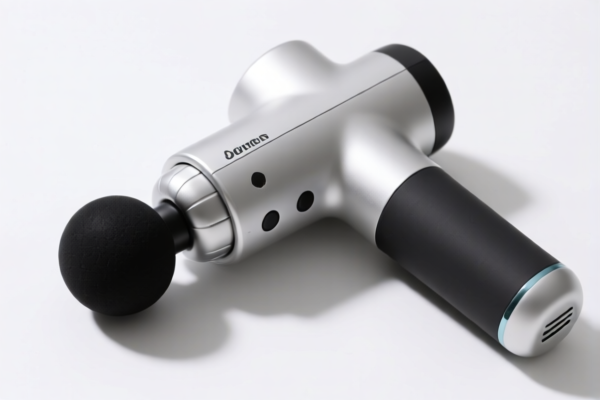
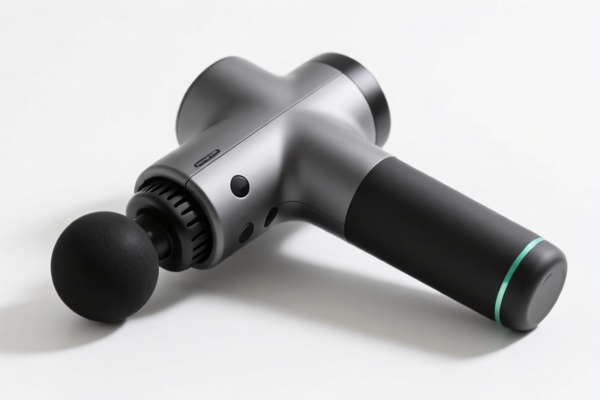
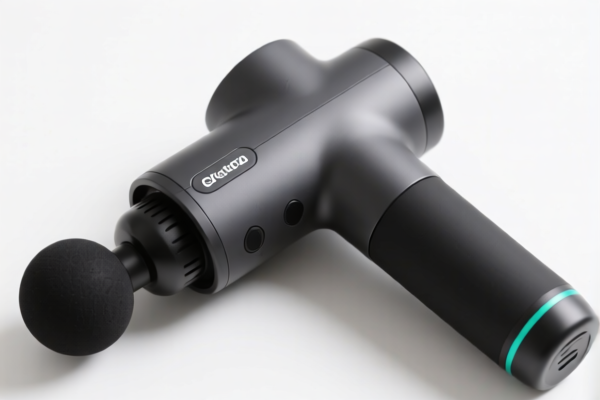
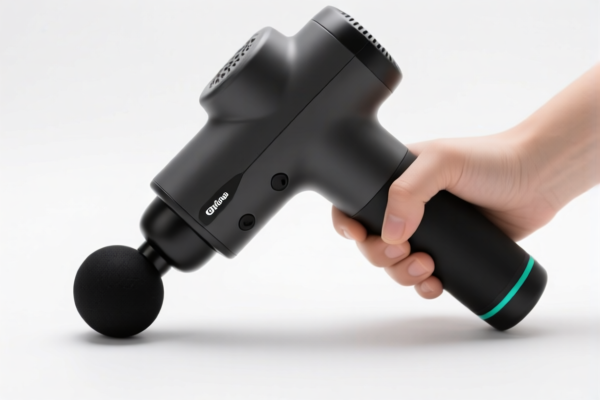
AI Analysis
💆♀️ Massage Device (Massagers & Therapy Apparatus)
🌐 HS Code Reference & Customs Clearance Guide | 2026 Latest Tariff Analysis | Professional Clearance Strategy
📌 Part 1: Product Definition & Classification: Do You Really Know "Massage Devices"?
A Massage Device is a consumer health or wellness product designed to relieve muscle tension, improve circulation, or provide therapeutic relaxation. In international trade, classification is not monolithic. It depends heavily on power source, mechanism, and specific functional attributes.
In this specific dataset, we see a split between Medical/Therapeutic Apparatus (Chapter 90) and Household Electric Appliances (Chapter 85). The key determinant is whether the device is classified under the specific "Massage Apparatus" heading (9019) or as a general "Electric Household Appliance" (8509).
⚠️ Critical Distinction:
- If the device is explicitly a "Massage Apparatus" or "Massage Instrument" without specific motor details that push it into general appliances → Heading 9019.
- If it is broadly categorized as a "Household Electric Appliance" or "Electromechanical Household Appliance" where the massage function is secondary to its general electric nature → Heading 8509.
- Note: Misclassification here leads to significant tariff differences due to Section 122 duties and base rates.
📦 Part 2: HS Code Classification Details (2026 Latest Tariff Authority Cross-Reference)
Based on the provided data, the following HS Codes are relevant for "Massage Device":
| HS Code | Product Description | Classification Logic | Total Tax Rate |
|---|---|---|---|
9019.10.20.50 |
Massager or massage apparatus for therapeutic purposes. Power source/material not explicitly defined, fits general therapeutic device category. | Chapter 90 (Medical/Therapeutic Instruments): Focuses on the function (massage/therapy) rather than the electric motor type. | 10.0% |
9019.10.20.20 |
Massager/Massage Instrument. Power source and form not specified; inferred via residual principles as a therapeutic device. | Chapter 90 (Medical/Therapeutic Instruments): Residual category for therapeutic massage devices not elsewhere specified. | 10.0% |
8509.80.10.00 |
Massage Appliance. Falls under the scope of Household Electric Mechanical Appliances. Functional attributes do not conflict with electric appliance categories. | Chapter 85 (Electrical Machinery): Classified as a general electric appliance because it lacks specific medical device certification or unique therapeutic exclusivity in this context. | 10.0% |
8509.80.50.95 |
Massage Appliance. Falls under Household Appliances. Not excluded; fits "Other" household appliance usage description. | Chapter 85 (Electrical Machinery): Higher base tariff applies because it is a generic electric household appliance without specific therapeutic exclusivity. | 14.2% |
🔍 Key Insight:
- Heading 9019 codes (...20.50,...20.20) consistently show a 10.0% total tax.
- Heading 8509 codes show variability:...10.00is 10.0%, while...50.95is 14.2%.
- The difference lies in the Base Tariff: 9019 has a 0% base tariff, while 8509.80.50.95 has a 4.2% base tariff.
💰 Part 3: 2026 Latest Tariff Rate Breakdown (Including Surcharges & Policy Add-ons)
✅ Applicable Country: United States (US)
✅ Country of Origin: China (CN)
✅ Effective Date: Current regulations apply (Section 122 / 301 Tariffs)
🎯 1. 9019.10.20.50 & 9019.10.20.20 —— Therapeutic Massage Apparatus
| Item | Content |
|---|---|
| Base Tariff | 0.0% (ad valorem) |
| Section 301/122 Surcharge | +10.0% |
| Total Tax Rate | 10.0% |
| Tax Calculation | CIF Value × 10% |
| Legal Basis | USITC Heading 9019 + Section 122 (or 301) surcharge for Chinese origin. |
📌 Explanation:
- Why 10%? Although the base tariff for massage apparatus (9019) is often low or zero, Section 122 (or applicable 301 list) imposes an additional 10% tariff on many Chinese-origin goods, including these specific massage codes.
- No Base Duty: The base duty is 0%, meaning the entire tax burden comes from the additional surcharge.
🎯 2. 8509.80.10.00 —— Household Electric Massage Appliance (Low Tax Variant)
| Item | Content |
|---|---|
| Base Tariff | 0.0% |
| Section 301/122 Surcharge | +10.0% |
| Total Tax Rate | 10.0% |
| Tax Calculation | CIF Value × 10% |
| Legal Basis | USITC Heading 8509 + Section 122 surcharge. |
📌 Explanation:
- This code benefits from a 0% base tariff.
- The 10% surcharge is added via Section 122/301.
- Total: 10%. This is a favorable classification if the product can be legitimately described as a general electric appliance rather than a specialized therapeutic device.
🎯 3. 8509.80.50.95 —— Household Electric Massage Appliance (High Tax Variant)
| Item | Content |
|---|---|
| Base Tariff | 4.2% |
| Section 301/122 Surcharge | +10.0% |
| Total Tax Rate | 14.2% |
| Tax Calculation | CIF Value × 14.2% |
| Legal Basis | USITC Heading 8509 (Residual) + Section 122 surcharge. |
📌 Explanation:
- Why Higher? This code is a "catch-all" for household electric appliances not specifically listed elsewhere.
- Base Duty 4.2%: Unlike8509.80.10.00, this specific subheading has a non-zero base duty.
- Surcharge 10%: Same Section 122/301 surcharge applies.
- Total: 14.2%. This is a 4.2% higher cost than the other massage codes, making it the least favorable classification for this product.
🛠️ Part 4: Customs Clearance Practical Advice (Avoid Pitfalls)
✅ 1. Documentation Checklist (Essential)
| Document | Required? | Purpose |
|---|---|---|
| ✅ Product Specification Sheet | ✔️ | Must detail: Power source (AC/DC/Battery), Mechanism (vibration, percussion, air compression), Intended Use. |
| ✅ Marketing Materials/Packaging | ✔️ | To prove if it is marketed as a "Medical Device" (supports 9019) or "Home Appliance" (supports 8509). |
| ✅ Electrical Circuit Diagram | ✔️ | To determine if it fits "Electric Household Appliance" (8509) or standalone instrument (9019). |
| ✅ Commercial Invoice | ✔️ | Must clearly state "Massage Device" and HS Code. |
| ✅ Certification (FCC/UL/CE) | ✔️ | Proves compliance with electrical standards, crucial for 8509 classification. |
✅ 2. Classification Strategy & Optimization
| Scenario | Recommended HS Code | Tax Rate | Reason |
|---|---|---|---|
| General Vibration/Air Massage for Home Use | 9019.10.20.50 or 8509.80.10.00 |
10.0% | Lower base duty or same total tax with simpler appliance classification. |
| Complex Household Appliance (No specific massage exemption) | 8509.80.50.95 |
14.2% | Avoid if possible due to higher base tariff. |
| Medical/Therapeutic Claim | 9019.10.20.20 |
10.0% | Requires proof of therapeutic function. |
🔥 Optimization Tip:
- Target9019.10.20.50or8509.80.10.00. Both result in a 10% total tax.
- Avoid8509.80.50.95unless your product structure strictly necessitates it, as it adds 4.2% extra cost.
- If the device is purely electric and lacks specific "therapeutic" medical device status,8509.80.10.00might be easier to justify as a general electric appliance, but9019.10.20.50is also valid for "massage apparatus" and yields the same rate.
✅ 3. Special Considerations
| Situation | Handling Advice |
|---|---|
| OEM/White Label | Ensure the description matches the actual function. Do not claim "Medical" if it's just a "Relaxation" device, as this can trigger FDA scrutiny. |
| Battery-Powered vs. Plug-in | Both can fall under 9019 or 8509. Ensure power source is clearly stated to avoid reclassification disputes. |
| Combo Devices | If the device also has heating, LED therapy, or EMS functions, ensure the primary function is "Massage" to stay in 9019. |
🌍 Part 5: Global Market Comparison (2026 Snapshot)
| Country/Region | Recommended HS Code | Estimated Duty | Key Requirements |
|---|---|---|---|
| 🇺🇸 USA | 9019.10.20.50 / 8509.80.10.00 |
10.0% | FCC (for 8509), Section 122/301 compliance. |
| 🇨🇳 China | 9019.10.20 / 8509.80 |
0% - 5% | CCC Certification (if applicable). |
| 🇪🇺 EU | 9019.10.00 / 8509.80 |
0% - 4.2% | CE Marking, RoHS. |
| 🇬🇧 UK | 9019.10.00 / 8509.80 |
0% - 4% | UKCA Marking. |
📌 Note:
- The 10% total tax mentioned in the data is specific to US imports from China due to Section 122/301 surcharges.
- Other markets may have lower base tariffs but different compliance requirements.
📌 Part 6: Common Mistakes & Pitfalls (Lessons Learned)
❌ Mistake 1: Misclassifying a 8509.80.50.95 product when 8509.80.10.00 or 9019 applies.
👉 Consequence: Overpaying 4.2% in duties unnecessarily.
❌ Mistake 2: Claiming "Medical Device" status without proper FDA registration.
👉 Consequence: Customs hold, FDA seizure, or reclassification to general appliances with higher scrutiny.
❌ Mistake 3: Ignoring Section 122/301 surcharges.
👉 Consequence: Unexpected 10% tax liability at border, causing cash flow issues.
❌ Mistake 4: Inconsistent product descriptions between Invoice and Packaging.
👉 Consequence: Customs audit, delays, and potential penalties.
✅ Correct Approach:
"Massage Device, Electric, for Home Relaxation, Model XYZ, FCC Certified, Origin: China."
Use9019.10.20.50or8509.80.10.00for the 10% tax rate.
🎯 Part 7: Conclusion: Precision Saves Money!
🎯 Remember This Rule:
🔹 "9019 & 8509.10 = 10% Total Tax"
🔹 "8509.50 = 14.2% Total Tax"
🔹 "Avoid 14.2% if you can use 10%!"
📌 Pro Tip:
If your massage device is OEM or White Label, ensure the marketing materials do not overstate "medical" claims unless you have FDA clearance. Stick to "Therapeutic," "Relaxation," or "Massage" to safely use 9019.10.20.50.
📣 Action Item:
📞 Verify your product's electrical specs and marketing claims.
📝 Apply for Section 122 Exclusion if applicable (check if your specific manufacturer/product code is excluded).
🚀 Optimize your HS Code to 9019.10.20.50 or 8509.80.10.00 for the lowest 10% duty.
✨ Professional Clearance Starts with Accurate Classification!
💼 Every 1% of Duty Saved is Pure Profit!
Customer Reviews
About HS Code Classification
The Harmonized System (HS) is an internationally standardized nomenclature developed by the World Customs Organization (WCO) to classify traded products. Over 200 countries use the HS system as the basis for customs tariffs, trade statistics, and import/export regulations.
Each HS code follows a hierarchical structure:
- Chapter (2 digits) — Broad category of goods (e.g., Chapter 84: Machinery and Mechanical Appliances)
- Heading (4 digits) — More specific grouping within the chapter
- Subheading (6 digits) — Internationally standardized breakdown, used by all WCO member countries
- National subdivisions (8-10 digits) — Country-specific extensions for further classification, such as US HTSUS 10-digit codes
Correct HS code classification is essential for smooth customs clearance, accurate duty payment, and compliance with trade regulations. Misclassification can lead to customs delays, overpayment of duties, or penalties.
When importing from CN to US, the applicable tariff rates may include:
- Most-Favored-Nation (MFN) rate — The standard duty rate applied to WTO members
- General rate — Applied to countries without trade agreements
- Trade remedy duties — Additional tariffs such as Section 301 (anti-dumping), Section 232 (national security), or countervailing duties
The information provided on this page is for reference purposes only. For official classification, please consult with your local customs authority or a licensed customs broker.