Massage Foot Mat
CN → US| HS Code | Tariff Rate | Origin | Destination | Doc |
|---|---|---|---|---|
| 9021908100 | 10.0% | CN | US | Official Doc |
| 9021100090 | 10.0% | CN | US | Official Doc |
| 6406909000 | 17.5% | CN | US | Official Doc |
| 6406901580 | 32.4% | CN | US | Official Doc |
| 9021908100 | 10.0% | CN | US | Official Doc |
Product Images
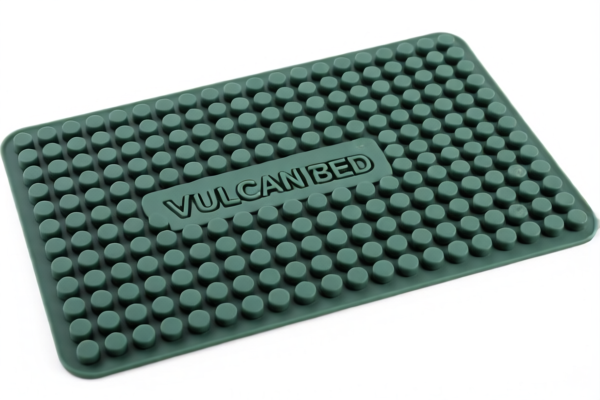
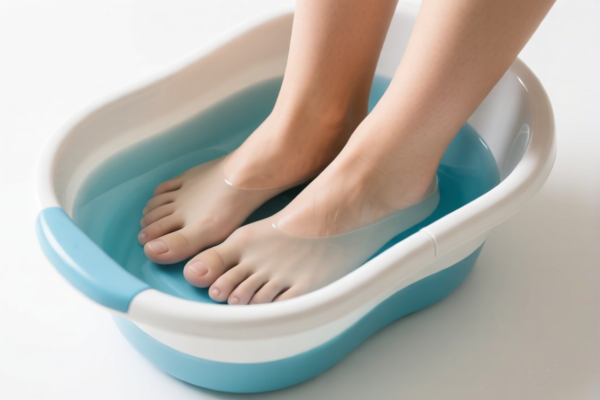
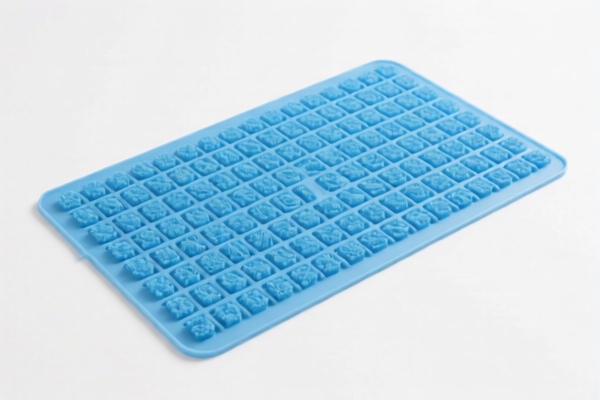
AI Analysis
💆♂️ Massage Foot Mat (Foot Support & Orthopedic Mats)
🌐 HS Code Reference & Clearance Guide | 2026 Tariff Breakdown | Professional Compliance Strategy
📌 I. Product Definition: What exactly is a "Massage Foot Mat"?
In the global trade of orthopedic and footwear accessories, the term "Massage Foot Mat" is ambiguous and often leads to catastrophic classification errors. It can fall under Medical Devices (for therapeutic support) or Footwear Parts (for general comfort/shoe insoles).
The Critical Distinction: * Medical/Orthopedic Function: If the mat is designed for treatment, correction, or support of foot conditions (e.g., plantar fasciitis, flat feet, post-surgery support), it belongs to Chapter 90. * Footwear Accessory: If the mat is a replaceable insole designed solely for cushioning or massaging within a shoe, without medical prescription intent, it belongs to Chapter 64.
⚠️ Critical Warning:
- If you classify a therapeutic mat as a "shoe part," you risk underpayment of duties (17.5% vs 32.4%) or seizure for misdeclaration.
- If you classify a simple shoe insole as a "medical device," you may overpay duties unnecessarily (10% vs 17.5%) or face unnecessary medical device licensing requirements.
📦 II. HS Code Classification Matrix (2026 Tariff Schedule)
Based on the 2026 Tariff Data, here are the four distinct pathways for "Massage Foot Mat" classification, depending on material and function:
| HS Code | Product Description | Material/Feature | Total Tax | Classification Logic |
|---|---|---|---|---|
| 9021.90.81.00 | Orthopedic Foot Support / Insoles | Therapeutic function, non-fixation device | 10.0% | ✅ Medical Accessory Logic: Fits "Orthopedic Auxiliary Function" & "Device Parts/Accessories". |
| 9021.10.00.90 | Orthopedic Foot Support | General orthopedic appliances, non-fixation | 10.0% | ✅ Orthopedic Appliance Logic: Falls under "Orthopedic Surgical Appliances". |
| 6406.90.90.00 | Footbeds (Shoe Parts) | Removable, Non-textile material | 17.5% | ⚠️ Footwear Part Logic: Removable insole, non-metallic material. |
| 6406.90.15.80 | Footbeds (Shoe Parts) | Removable, Textile material | 32.4% | ⚠️ Footwear Part Logic: Removable insole, textile material. |
🔍 Key Insight:
- Medical Classification (9021.xx): Lowest tax (10%). Requires proof of therapeutic intent.
- Non-Textile Footwear (6406.90.90): Medium tax (17.5%). Common for rubber/foam/mesh insoles.
- Textile Footwear (6406.90.15): Highest tax (32.4%). Common for knitted/fabric massage mats.
Note: The repeated entry for 9021.90.81.00 confirms its primary status as a medical accessory.
💰 III. Detailed Tariff Breakdown (US Market & China Origin)
✅ Applicable Country: USA
✅ Origin: China
✅ Effective Date: 2025-11-10 onwards (2026 Tariff Rules)
🎯 Scenario A: Medical/Orthopedic Class (HS: 9021.90.81.00 / 9021.10.00.90)
| Item | Content |
|---|---|
| Base Tariff | 0.0% (Free) |
| Section 301 (Section 122) Additional Tariff | +10.0% |
| Total Effective Rate | 10.0% |
| Tax Calculation | CIF Value × 10% |
| De Minimis Exemption | ❌ No |
| Legal Basis | Section 122: 10% surcharge on specific medical accessories |
📌 Why 10%?
- Base: 0% (Medical devices often enjoy preferential base rates).
- Section 122: A specific 10% surcharge applies to Chinese-origin medical accessories.
- No "Section 301" 25%: Unlike electronics, this specific medical line does not carry the massive 25% penalty, making it the cheapest entry path.
🎯 Scenario B: Non-Textile Footwear Part (HS: 6406.90.90.00)
| Item | Content |
|---|---|
| Base Tariff | 0.0% |
| Section 301 Additional Tariff | +7.5% |
| Section 122 Additional Tariff | +10.0% |
| Total Effective Rate | 17.5% |
| Tax Calculation | CIF Value × 17.5% |
| De Minimis Exemption | ❌ No |
📌 Why 17.5%?
- Base: 0% (Standard for some shoe parts).
- Add-on 1: 7.5% (Specific Section 301 surcharge for non-textile shoe parts).
- Add-on 2: 10% (Section 122 surcharge).
- Result: A "simple" rubber foot mat pays 7.5% more than a medical-grade one!
🎯 Scenario C: Textile Footwear Part (HS: 6406.90.15.80)
| Item | Content |
|---|---|
| Base Tariff | 14.9% |
| Section 301 Additional Tariff | +7.5% |
| Section 122 Additional Tariff | +10.0% |
| Total Effective Rate | 32.4% |
| Tax Calculation | CIF Value × 32.4% |
| De Minimis Exemption | ❌ No |
📌 The "Textile Trap":
- Base: 14.9% (Textile shoe parts are taxed heavily).
- Add-ons: 7.5% + 10% = 17.5% extra.
- Result: 32.4% is the highest possible rate for this product. If your product is a fabric/mesh mat, you are paying over 3x the medical rate.
🛠️ IV. Professional Clearance Strategy (How to Avoid the "32.4% Tax Trap")
✅ 1. Preparation Checklist (Essential for Medical vs. Shoe Classification)
| Document | Requirement | Why It Matters |
|---|---|---|
| ✅ Function Description | ✔️ Must state "Corrects posture," "Treats plantar fasciitis," or "Orthopedic support." | Proves 9021 classification (10% tax). If it just says "massages foot," it goes to 6406 (17.5-32.4%). |
| ✅ Product Photos | ✔️ Must show packaging indicating "Medical Device" or "Orthopedic." | Visual proof of intent. |
| ✅ Material Declaration | ✔️ Explicitly state material (Rubber/EVA vs. Textile/Fabric). | Determines if it's 17.5% (Non-textile) or 32.4% (Textile). |
| ✅ Medical Certificates | ✔️ FDA clearance (US) or CE Mark (EU) if claimed as medical. | Required to legally justify 9021 classification. |
| ✅ Invoice Description | ✔️ Use "Orthopedic Foot Support Insole" NOT "Massage Mat." | "Massage" triggers the footwear classification; "Orthopedic" triggers medical. |
✅ 2. Declaration Strategy (The "Golden Rule")
🔥 "Therapeutic Intent = 10%; Generic Comfort = 17.5-32.4%!"
| Situation | Correct Declaration | Wrong Declaration | Risk |
|---|---|---|---|
| Product for Medical Use | HS 9021.90.81.00Name: "Orthopedic Foot Support Insole" |
HS 6406.90.90.00Name: "Massage Foot Mat" |
Underpayment + Penalty (10% vs 17.5%) |
| Generic Comfort Insole | HS 6406.90.90.00Name: "Footbed (Non-Textile)" |
HS 9021.xx |
Overpayment (17.5% vs 10%) |
| Fabric/Mesh Mat | HS 6406.90.15.80Name: "Textile Footbed" |
HS 9021.xx |
Classification Error (Must pay 32.4%) |
✅ 3. Special Handling for "Massage" Keywords
| Keyword in Product Name | Likely HS Code | Tax Rate | Strategy |
|---|---|---|---|
| "Massage Mat", "Roller Mat" | 6406.90.90.00 | 17.5% | Rebrand to "Orthopedic Support" if possible. |
| "Foot Pain Relief Insole" | 9021.90.81.00 | 10.0% | Best Option - High demand, low tax. |
| "Knitted Foot Support" | 6406.90.15.80 | 32.4% | Avoid unless you can prove medical necessity for textile. |
🌍 V. Global Market Comparison (2026)
| Region | Recommended HS Code | Tariff Rate | Key Requirement |
|---|---|---|---|
| 🇺🇸 USA | 9021.90.81.00 |
10% | FDA/CE Proof required for 9021. |
| 🇺🇸 USA | 6406.90.90.00 |
17.5% | No medical proof needed. |
| 🇺🇸 USA | 6406.90.15.80 |
32.4% | Avoid (High textile tax). |
| 🇨🇳 China | 9021.90.81.00 |
~5% (Domestic) | N/A for export. |
| 🇪🇺 EU | 9021.90.81.00 |
0-4% | CE Mark mandatory. |
📌 Conclusion:
- USA is the most aggressive on textile foot parts (32.4%).
- Medical classification (9021) offers the lowest tax (10%) globally.
- Textile material is the "Tax Trap" – ensure your material is not textile if you want to avoid 32.4%.
📌 VI. Common Pitfalls & Lessons Learned
❌ Mistake 1: Labeling a Medical Orthopedic Insole as a "Massage Foot Mat".
👉 Result: Customs classifies as 6406.90.90.00 (17.5%) or 6406.90.15.80 (32.4%) due to "Massage" keyword.
👉 Fix: Rename to "Orthopedic Foot Support" and submit medical certificates.
❌ Mistake 2: Assuming all "Foot Mats" are medical devices.
👉 Result: Customs rejects 9021 claim because no medical function is proven.
👉 Fix: Provide clinical data or doctor's prescription samples.
❌ Mistake 3: Not specifying material (Textile vs. Non-Textile).
👉 Result: Customs assigns the highest possible rate (32.4%) by default.
👉 Fix: Explicitly state "Non-textile (EVA/Rubber)" or "Textile (Knitted)" on invoice.
✅ Best Practice:
"Claim Orthopedic Function + Use Non-Textile Material = 10% Tax!"
🎯 VII. Final Verdict: Strategic Recommendation
🎯 Goal: Minimize Tariff & Maximize Marketability
Strategy:
1. Rebrand: Change "Massage Foot Mat" to "Orthopedic Foot Support Insole".
2. Material Check: Ensure the product is Non-Textile (EVA, Rubber, Foam) to avoid the 32.4% textile tax.
3. Documentation: Attach a "Therapeutic Function" statement and, if possible, FDA/CE certification.
4. Declaration: File under 9021.90.81.00 (10% Tax).
💡 The Bottom Line:
By shifting from a "Massage Mat" (Footwear) to an "Orthopedic Support" (Medical), you save 7.5% to 22.4% on every dollar!
Textile mats? Avoid them! They cost nearly 3x the non-textile medical mats.
📌 Action Item:
📞 Immediate Step: Audit your product descriptions and material composition.
🚀 Update Invoice: Replace "Massage" with "Orthopedic Support".
✨ Result: Smoother clearance, lower duties, higher margins.
✨ Smart Trade: Classify Right, Pay Less!
💼 Your Margin Depends on Your HS Code!
Customer Reviews
About HS Code Classification
The Harmonized System (HS) is an internationally standardized nomenclature developed by the World Customs Organization (WCO) to classify traded products. Over 200 countries use the HS system as the basis for customs tariffs, trade statistics, and import/export regulations.
Each HS code follows a hierarchical structure:
- Chapter (2 digits) — Broad category of goods (e.g., Chapter 84: Machinery and Mechanical Appliances)
- Heading (4 digits) — More specific grouping within the chapter
- Subheading (6 digits) — Internationally standardized breakdown, used by all WCO member countries
- National subdivisions (8-10 digits) — Country-specific extensions for further classification, such as US HTSUS 10-digit codes
Correct HS code classification is essential for smooth customs clearance, accurate duty payment, and compliance with trade regulations. Misclassification can lead to customs delays, overpayment of duties, or penalties.
When importing from CN to US, the applicable tariff rates may include:
- Most-Favored-Nation (MFN) rate — The standard duty rate applied to WTO members
- General rate — Applied to countries without trade agreements
- Trade remedy duties — Additional tariffs such as Section 301 (anti-dumping), Section 232 (national security), or countervailing duties
The information provided on this page is for reference purposes only. For official classification, please consult with your local customs authority or a licensed customs broker.