Massage Machine
CN → US| HS Code | Tariff Rate | Origin | Destination | Doc |
|---|---|---|---|---|
| 9019102050 | 10.0% | CN | US | Official Doc |
| 9019102020 | 10.0% | CN | US | Official Doc |
| 8509805095 | 14.2% | CN | US | Official Doc |
| 8509801000 | 10.0% | CN | US | Official Doc |
| 8509805095 | 14.2% | CN | US | Official Doc |
Product Images
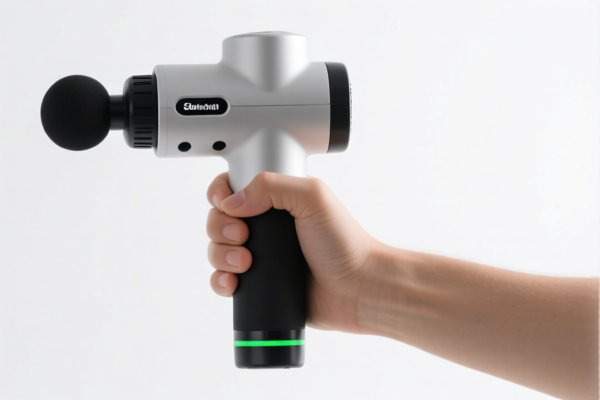


AI Analysis
💆♂️🔋 Massage Machine (Massager & Massage Gun)
🌐 HS Code Reference & Customs Clearance Guide | 2026 Latest Tax Regime | Professional Strategy
📌 I. Product Definition & Classification: Do You Really Understand the "Massage Machine"?
The "Massage Machine" is a broad term covering various devices designed to simulate massage techniques for relaxation, pain relief, or therapy. In international trade, the classification strictly depends on the power source and the specific category of the machine, not just the function.
The Two Main Divides: 1. Medical/Therapeutic Apparatus (Non-Electric/Manual): Often falls under Chapter 90 (9019), categorized as "massage apparatus" or "mechanical therapy devices." 2. Home Electrical Appliances: Electric devices, especially "Massage Guns," are often categorized under Chapter 85 as "Other household electric appliances."
⚠️ Critical Distinction:
- If the device is a pure mechanical massage tool (no motor, no electricity) or a specialized medical instrument → Likely HS 9019.
- If the device is electrically powered (battery or corded) and marketed as a home appliance (e.g., Massage Gun) → Likely HS 8509.
- Misclassification Risk: Misclassifying an electric massage gun as a non-electric 9019 device can lead to severe customs penalties.
📦 II. HS Code Classification Details (2026 Authoritative Tax Regime)
Based on the provided data, here is the precise breakdown for Massage Machines, distinguishing between Medical/Therapeutic (9019) and Home Electrical (8509) categories.
| HS Code | Product Description | Application Scenario | Tax Rate (Total) | Tax Composition |
|---|---|---|---|---|
| 9019.10.20.50 | Massage Apparatus | General massage use, fits under "Other" categories. No obvious material/power conflict. | 10.0% | Base: 0% + Add-on: 0% + Sec 122 Clause: 10% |
| 9019.10.20.20 | Massage Instrument | General massage instrument. Power source unspecified; inferred as fallback category. | 10.0% | Base: 0% + Add-on: 0% + Sec 122 Clause: 10% |
| 8509.80.50.95 | Massage Appliance (Home Electrical) | Classified as a household electric appliance. Fits "Other" categories. | 14.2% | Base: 4.2% + Add-on: 0% + Sec 122 Clause: 10% |
| 8509.80.10.00 | Home Electrical Mechanical Appliance | Household electric mechanical device. Function attributes do not conflict. | 10.0% | Base: 0% + Add-on: 0% + Sec 122 Clause: 10% |
| 8509.80.50.95 | Massage Gun | Specifically identified as a "self-contained electric motor" household appliance. | 14.2% | Base: 4.2% + Add-on: 0% + Sec 122 Clause: 10% |
🔍 Key Observation:
- HS 9019 (10%): Generally lower total tax because the Base Duty is 0%. The tax comes entirely from the "122 Clause" (Section 122).
- HS 8509 (10% or 14.2%): The Massage Gun specifically falls under 8509.80.50.95 with a 4.2% Base Duty, pushing the total to 14.2%. The 8509.80.10.00 category has 0% Base Duty, keeping the total at 10%.
💰 III. 2026 Tax Rate Breakdown (Detailed Clause Analysis)
✅ Applicable Market: China Import (Implied by the tax detail structure "122条款" & Base Rate context)
✅ Tax Components:
1. Base Duty (基础关税): The standard Most Favored Nation (MFN) or General rate. 2. Additional Duty (加征关税): Often related to trade friction (currently 0% in this data set). 3. Section 122 Clause Duty (122条款关税): A specific counter-measure or special tax clause applicable to Chinese-origin goods in certain contexts or specific reciprocal measures (10% in this dataset).
🎯 Scenario A: The "Medical/Therapeutic" Path (HS 9019)
- Codes:
9019.10.20.50,9019.10.20.20 - Total Tax: 10.0%
- Breakdown:
- Base Duty: 0.0% (Highly favorable)
- Section 122 Clause: +10.0%
- Legal Basis:
Section 122 Clauseapplied to medical/therapeutic massage devices. - Strategy: If the product can be strictly defined as a non-electric or general therapeutic instrument without being a "household appliance," this path offers a 0% Base Duty, minimizing the risk of fluctuating base tariffs.
🎯 Scenario B: The "Home Electrical" Path (HS 8509)
- Codes:
8509.80.50.95(Massage Gun/Appliance),8509.80.10.00(General Electric) - Total Tax: 10.0% OR 14.2% (Depends on specific sub-category)
- Breakdown for Massage Gun (
8509.80.50.95):- Base Duty: 4.2% (The "Home Appliance" tax)
- Section 122 Clause: +10.0%
- Total: 14.2% ❗ Higher cost for Massage Guns.
- Breakdown for General Electric (
8509.80.10.00):- Base Duty: 0.0%
- Section 122 Clause: +10.0%
- Total: 10.0%
- Legal Basis:
8509Chapter (Electrical Machines) +Section 122 Clause.
📌 Critical Insight:
The Massage Gun is explicitly taxed at 14.2% because customs authorities classify it as a specific "Home Electrical Appliance with Self-Contained Motor." The 4.2% base duty cannot be avoided if the product is clearly an electric motorized unit.
🛠️ IV. Customs Clearance Practical Suggestions (Real-World Avoidance Guide)
✅ 1. Documentation Checklist (Must-Haves)
| Document | Requirement | Why It Matters |
|---|---|---|
| Product Specification Sheet | Must clearly state Power Source (Battery/Corded) and Function (Massage vs. Therapy) | Determines if it goes to 9019 (0% Base) or 8509 (4.2% Base for guns). |
| Internal Circuit Diagram | Required for electric items | Proves "Self-contained motor" vs. "Simple mechanical" to avoid misclassification. |
| Product Photos (Label) | Clear shot of Model Name, Input Voltage, Power Rating | Customs officers use this to verify "Home Appliance" status. |
| Declaration Statement | Explicitly state: "Massage Gun (Electric)" or "Therapeutic Massage Device" | Prevents ambiguity. "Massage Machine" is too vague; be specific. |
| Third-Party Test Report | CE, FCC, RoHS | Mandatory for electric appliances (Chapter 85). |
✅ 2. Declaration Strategy (The Golden Rule)
🔥 "Power Source Determines Tax Rate!"
| Scenario | Correct HS Code | Tax Rate | Action |
|---|---|---|---|
| Electric Massage Gun (High speed impact) | 8509.80.50.95 |
14.2% | Declare as "Massage Gun". Do not try to hide the motor. |
| Electric Handheld Massager (Vibration only) | 8509.80.10.00 |
10.0% | If it fits "Other electric appliances" with 0% base duty. |
| Non-Electric / Manual Massager | 9019.10.20.50 |
10.0% | Declare as "Therapeutic Instrument". Highlight "No Motor". |
| Electric Massager (General) | 9019.10.20.20 |
10.0% | Use if it doesn't fit "Home Appliance" perfectly but is electric. |
✅ 3. Special Cases & Pitfalls
| Case | Risk | Solution |
|---|---|---|
| "Massage Gun" declared as "Massage Instrument" | High Risk: Customs will reclassify to 8509.80.50.95 → 14.2% tax + Penalty. |
Always disclose "Electric Motor" in the description for guns. |
| Mixed Packaging (Gun + Accessories) | Risk of split classification. | Declare as a Set: If the gun is the main function, classify the whole set under the gun's HS Code. |
| Ambiguous "Massage Device" | Risk of inspection delay. | Provide a User Manual explicitly stating the classification logic (e.g., "Used for muscle relaxation"). |
🌍 V. Global Market Comparison (2026 Context)
| Region | Recommended HS Code | Total Tax Rate (Approx.) | Key Constraint |
|---|---|---|---|
| China (Import) | 8509.80.50.95 (Gun) |
14.2% | 4.2% Base + 10% Section 122 |
| USA (Import) | 8509.80.50.95 |
25% - 30%+ | Section 301 tariffs often apply to electric appliances. |
| EU (Import) | 8509.80.50.95 |
~5% - 10% | Standard MFN rates, no "Section 122" equivalent. |
| Vietnam (Export) | 8509.80.50.95 |
0% - 5% | Often lower base rates for assembly. |
📌 Conclusion:
- China treats "Massage Guns" as High-Tax Appliances (14.2%) due to the 4.2% base duty.
- Medical/Therapeutic devices (9019) remain 10% because the base duty is 0%.
- Strategy: If possible, market non-electric or specialized therapeutic devices under 9019 to save 4.2% in base duties. If it's a standard electric massage gun, accept the 14.2% rate.
📌 VI. Common Errors & How to Avoid Them
❌ Error 1: Declaring a Massage Gun as a "General Massage Machine" (9019).
👉 Consequence: Customs detects the motor. Reclassified to 8509. Pay 14.2% instead of 10%. Pay a fine.
❌ Error 2: Declaring a Non-Electric Massager as an "Electric Appliance" (8509).
👉 Consequence: Unnecessary 4.2% base duty paid if 9019 applies (0% base). Overpayment.
❌ Error 3: Using vague terms like "Health Tool" without specifying power source.
👉 Consequence: Customs Detention. Delayed clearance. Additional inspection fees.
✅ Correct Practice:
"Electric Massage Gun, Lithium Battery Powered, Self-Contained Motor, Model X, for Muscle Relaxation" → HS 8509.80.50.95.
"Manual Percussion Massage Device, No Motor, Therapeutic Instrument" → HS 9019.10.20.50.
🎯 VII. Conclusion: Precision Classification = Cost Savings!
🎯 Remember the Golden Formula:
🔹 "Electric Gun = 8509 (14.2%) | Therapeutic/Manual = 9019 (10%)"
🔹 "4.2% Base Duty is the Killer: Avoid it by proper classification!"
🔹 "122 Clause (10%) is Unavoidable for China-Origin Goods in this dataset."
📌 Pro Tip:
If you are importing Massage Guns for resale in China, budget 14.2%.
If you can import non-electric therapeutic devices, budget 10% (0% Base + 10% Section 122).
Always declare "Electric Motor" for guns to avoid penalties.
📣 Immediate Action:
📞 Contact Customs Broker: Ask for "HS Code Pre-ruling" (Pre-classification) for your specific model.
🚀 Document Check: Ensure your "Specification Sheet" clearly states "Battery/Corded" to match the HS Code.
💡 Save Money: Don't guess the code. Classify correctly the first time.
✨ Professional Customs Clearance Starts with Precise Classification!
💼 Every percentage point counts in your profit margin!
Customer Reviews
About HS Code Classification
The Harmonized System (HS) is an internationally standardized nomenclature developed by the World Customs Organization (WCO) to classify traded products. Over 200 countries use the HS system as the basis for customs tariffs, trade statistics, and import/export regulations.
Each HS code follows a hierarchical structure:
- Chapter (2 digits) — Broad category of goods (e.g., Chapter 84: Machinery and Mechanical Appliances)
- Heading (4 digits) — More specific grouping within the chapter
- Subheading (6 digits) — Internationally standardized breakdown, used by all WCO member countries
- National subdivisions (8-10 digits) — Country-specific extensions for further classification, such as US HTSUS 10-digit codes
Correct HS code classification is essential for smooth customs clearance, accurate duty payment, and compliance with trade regulations. Misclassification can lead to customs delays, overpayment of duties, or penalties.
When importing from CN to US, the applicable tariff rates may include:
- Most-Favored-Nation (MFN) rate — The standard duty rate applied to WTO members
- General rate — Applied to countries without trade agreements
- Trade remedy duties — Additional tariffs such as Section 301 (anti-dumping), Section 232 (national security), or countervailing duties
The information provided on this page is for reference purposes only. For official classification, please consult with your local customs authority or a licensed customs broker.