Massage Ring
CN → US| HS Code | Tariff Rate | Origin | Destination | Doc |
|---|---|---|---|---|
| 4016990500 | 20.9% | CN | US | Official Doc |
| 4016996050 | 37.5% | CN | US | Official Doc |
| 9019102050 | 10.0% | CN | US | Official Doc |
Product Images
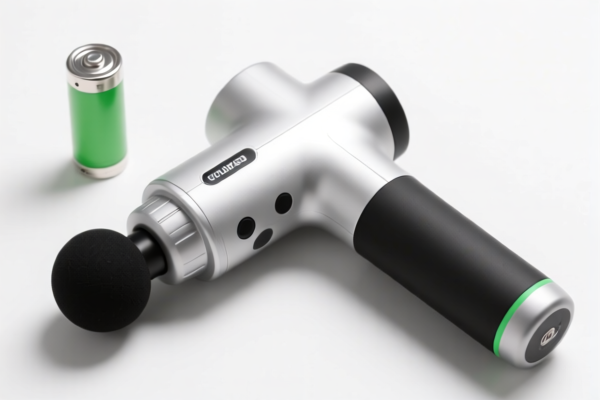
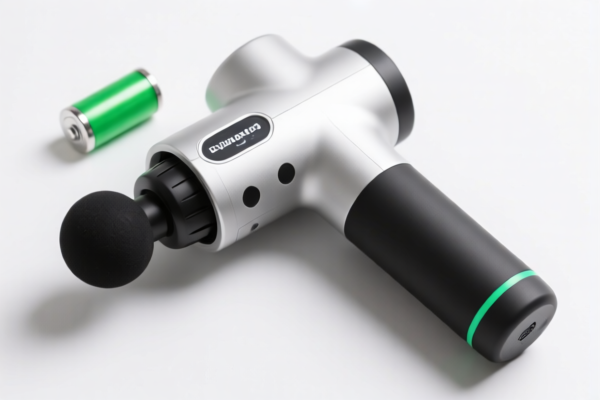
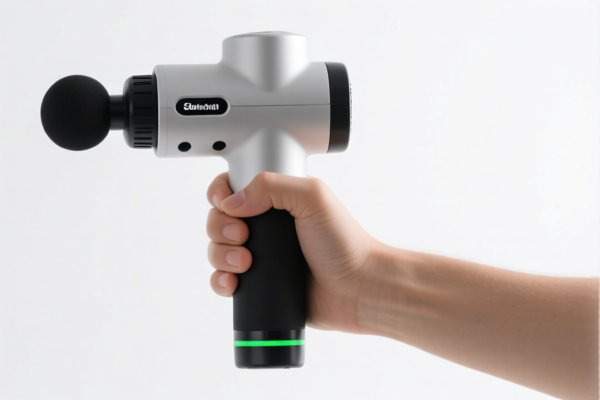
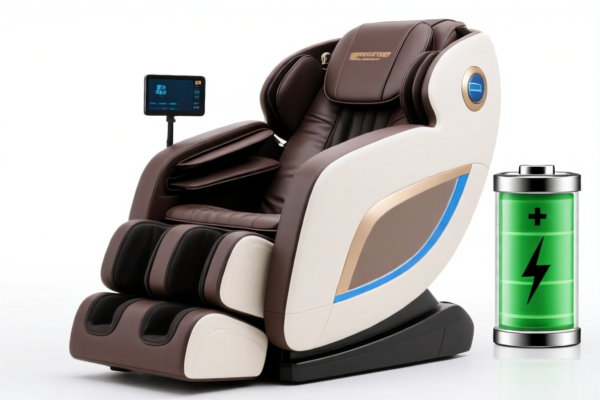
AI Analysis
🧘♀️ Massage Ring: The Ultimate HS Code & Customs Guide for 2026
🌐 HS Code Reference & Clearance Strategy | 2026 Tariff Breakdown | Professional Compliance
📌 Product Definition: What exactly is a "Massage Ring"?
A Massage Ring is typically a small, wearable wellness device made of rubber, plastic, or elastic materials, designed to stimulate acupressure points or provide a vibrating/kneading effect during fitness, relaxation, or physical therapy.
In international trade, its classification depends heavily on material composition (Rubber vs. Equipment) and function (General Fitness vs. Mechanical Therapy). Misclassification can lead to tax penalties ranging from 10% to 45% due to the complex interplay of base duties and Section 301/122 tariffs.
⚠️ Critical Differentiation:
- If it is a generic rubber fitness accessory with no motors or complex electronics → Likely Chapter 40 (Rubber Products). - If it is a mechanical device (e.g., motorized, programmable) designed specifically for medical/massage therapy → Likely Chapter 90 (Medical/Therapeutic Appliances).
📦 II. HS Code Classification Details (2026 Official Tariff Reference)
| HS Code | Product Description | Classification Logic | Material Focus |
|---|---|---|---|
| 4016.99.05.00 | Rubber Massage Ring (General Use) | Classified as "Other articles of vulcanized rubber" suitable for household use. | 🧽 Rubber / Plastic |
| 4016.99.60.50 | Elastic/Rubber Massage Ring (Non-Specific) | Classified as "Other vulcanized rubber articles" without specific mechanical function. | 🧤 Elastic / Rubber |
| 9019.10.20.50 | Mechanical Massage Device | Classified as a mechanical therapy device. Requires motor or mechanical action for massage function. | ⚙️ Mechanical / Electronic |
💰 III. 2026 Tariff Rate Breakdown (Detailed & Policy-Specific)
✅ Applicable Market: United States (US)
✅ Origin: China (CN)
✅ Effective Date: 2025–2026 Regime (Including Section 301 & 122)
🎯 1. HS Code: 4016.99.05.00
📝 Summary: Rubber/Plastic Massage Ring (Household Fitness Use)
📉 Total Tax Rate: 20.9%
| Tax Component | Rate | Legal Basis |
|---|---|---|
| Base Duty (MFN) | 3.4% | Standard Most Favored Nation Tariff |
| Section 301 (Add'l) | 7.5% | USITC Add-on for specific rubber goods |
| Section 122 | 10.0% | Specific punitive tariff on Chinese goods |
| 🔴 Total Effective Rate | 20.9% | (Base + Section 301 + Section 122) |
📌 Why this rate?
- This classification treats the item as a general rubber article. - It attracts the standard Section 301 (7.5%) and Section 122 (10%) surcharges on top of the low base duty. - Strategy: This is often the lowest tax liability if the device is purely passive (no motor).
🎯 2. HS Code: 4016.99.60.50
📝 Summary: Massage Ring (Non-Specific Purpose, Rubber/Elastic)
📉 Total Tax Rate: 37.5%
| Tax Component | Rate | Legal Basis |
|---|---|---|
| Base Duty (MFN) | 2.5% | Standard Most Favored Nation Tariff |
| Section 301 (Add'l) | 25.0% | Higher Section 301 add-on for "other" rubber goods |
| Section 122 | 10.0% | Specific punitive tariff on Chinese goods |
| 🔴 Total Effective Rate | 37.5% | (Base + Section 301 + Section 122) |
📌 Why this rate?
- This code is used when the product does not fit the specific "household" category of4016.99.05.00. - The 25% Section 301 surcharge applies here (higher than the 7.5% in code 05). - Risk: Avoid this code if possible; it is significantly more expensive than4016.99.05.00.
🎯 3. HS Code: 9019.10.20.50
📝 Summary: Mechanical Massage Device (Therapeutic/Mechanical)
📉 Total Tax Rate: 10.0%
| Tax Component | Rate | Legal Basis |
|---|---|---|
| Base Duty (MFN) | 0.0% | Medical/Therapeutic equipment often duty-free |
| Section 301 (Add'l) | 0.0% | Exempt (Medical devices often exempt from Section 301) |
| Section 122 | 10.0% | Applies (Section 122 still hits mechanical goods) |
| 🔴 Total Effective Rate | 10.0% | (Base + Section 122 only) |
📌 Why this rate?
- Huge Opportunity: If the Massage Ring contains a motor, mechanism, or electronic control unit making it a "mechanical therapy device," it drops to Chapter 90. - Base Duty: 0% (Free trade on medical/therapeutic machinery). - Section 301: 0% (Medical devices are often excluded from Section 301 lists). - Section 122: 10% (Still applies as a punitive tariff on Chinese origin). - Verdict: Lowest Cost Strategy for mechanized rings.
🛠️ IV. Customs Clearance Practical Advice (Actionable Strategy)
✅ 1. Material & Function Declaration (The "Make or Break" Step)
| Feature | Classification Strategy | Tax Impact |
|---|---|---|
| Passive Rubber Ring (No motor, just squeezes) | Declare as 4016.99.05.00 |
20.9% (Lowest for passive items) |
| Motorized/Electric Ring (Vibration, heat, programmable) | Declare as 9019.10.20.50 |
10.0% (Best for mechanized items) |
| Vague "Elastic" Ring (No motor, generic) | Declare as 4016.99.60.50 |
37.5% (Avoid if possible) |
🔥 Golden Rule:
Mechanized = Chapter 90 (10%) vs. Passive Rubber = Chapter 40 (20.9% - 37.5%).
If your ring has a battery, motor, or electronic chip, INSIST on the9019classification to save 10.9% to 27.5% in duties.
✅ 2. Required Documentation for Clearance
| Document | Requirement | Why it Matters |
|---|---|---|
| Product Technical Sheet | Must Specify: "Passive" vs. "Motorized" | Defines Chapter 40 vs. Chapter 90. |
| Internal Schematic | Show if there are circuit boards/motors | Proves eligibility for 9019.10.20.50. |
| Commercial Invoice | State: "Massage Ring (Rubber)" or "Mechanical Massage Device" | Matches HS Code description exactly. |
| Material Safety Data | Confirm Vulcanized Rubber content | Supports Chapter 40 claim if needed. |
| Function Test Report | Proof of mechanical action (if claiming 9019) |
Validates the "Therapeutic Device" status. |
✅ 3. Pitfalls to Avoid (Don't Get Audited!)
| ❌ Mistake | ⚠️ Consequence | 💡 Correct Action |
|---|---|---|
| Calling a motorized ring "Rubber Ring" | Customs will reclassify to 37.5% + Penalties | Declare as Mechanical Device (9019) |
| Calling a passive ring "Medical Device" | Customs may reject 9019 claim (requires proof) |
Use Chapter 40 for passive items |
| Mixing SKUs without distinction | High audit risk | Separate SKUs by function in invoices |
| Ignoring Section 122 | Underpayment of 10% | Ensure 10% is calculated on all codes |
📌 V. Quick Summary & Recommendation
| Scenario | Recommended HS Code | Total Tax | Action |
|---|---|---|---|
| Standard Rubber Ring (No motor) | 4016.99.05.00 |
20.9% | ✅ Best Choice for passive goods |
| Motorized/Vibrating Ring | 9019.10.20.50 |
10.0% | ✅ Best Choice for mechanized goods |
| Generic Elastic Ring (No motor, generic) | 4016.99.60.50 |
37.5% | ❌ Avoid (Too expensive) |
🚀 Pro Tip:
If you sell vibrating massage rings, DO NOT classify them as rubber accessories. They are mechanical devices. Shifting from4016.99.60.50(37.5%) to9019.10.20.50(10.0%) can save your profit margin.Always declare "Mechanical Massage Device" if there is any motor or electronic control involved.
📞 Final Call to Action
🔍 Ready to Ship?
1. Check if your ring has a motor/electronics.
2. If Yes → Declare9019.10.20.50(Save 10.9%+).
3. If No → Declare4016.99.05.00(Avoid the 37.5% trap).
4. Apply Section 122 (10%) correctly to all imports from China.
✨ Precision in Classification = Profit in Your Pocket!
💼 Don't let a wrong HS Code cost you thousands!
Customer Reviews
About HS Code Classification
The Harmonized System (HS) is an internationally standardized nomenclature developed by the World Customs Organization (WCO) to classify traded products. Over 200 countries use the HS system as the basis for customs tariffs, trade statistics, and import/export regulations.
Each HS code follows a hierarchical structure:
- Chapter (2 digits) — Broad category of goods (e.g., Chapter 84: Machinery and Mechanical Appliances)
- Heading (4 digits) — More specific grouping within the chapter
- Subheading (6 digits) — Internationally standardized breakdown, used by all WCO member countries
- National subdivisions (8-10 digits) — Country-specific extensions for further classification, such as US HTSUS 10-digit codes
Correct HS code classification is essential for smooth customs clearance, accurate duty payment, and compliance with trade regulations. Misclassification can lead to customs delays, overpayment of duties, or penalties.
When importing from CN to US, the applicable tariff rates may include:
- Most-Favored-Nation (MFN) rate — The standard duty rate applied to WTO members
- General rate — Applied to countries without trade agreements
- Trade remedy duties — Additional tariffs such as Section 301 (anti-dumping), Section 232 (national security), or countervailing duties
The information provided on this page is for reference purposes only. For official classification, please consult with your local customs authority or a licensed customs broker.