Massage Stone
CN → US| HS Code | Tariff Rate | Origin | Destination | Doc |
|---|---|---|---|---|
| 6914908000 | 40.6% | CN | US | Official Doc |
| 6815992000 | 35.0% | CN | US | Official Doc |
| 6914108000 | 44.0% | CN | US | Official Doc |
| 3926400090 | 15.3% | CN | US | Official Doc |
| 6815994170 | 35.0% | CN | US | Official Doc |
Product Images
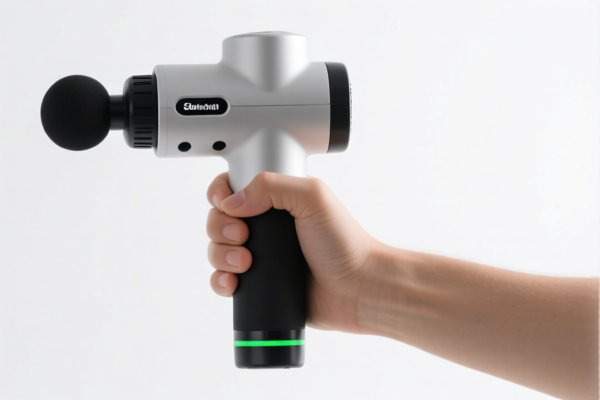

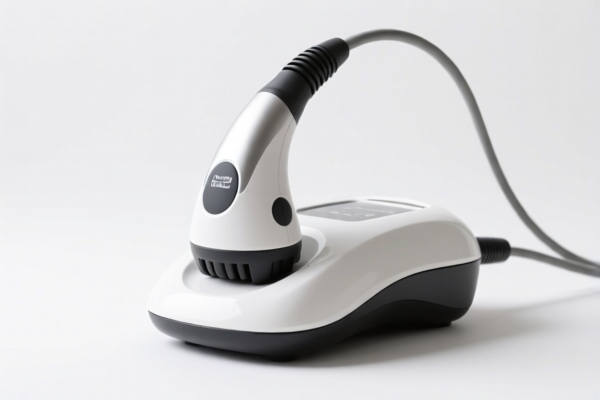

AI Analysis
🪨 Massage Stones: Ultimate HS Code Classification & US Customs Clearance Guide (2026 Edition)
🌐 HS Code Master Guide | US Tariff Analysis | Strategic Import Strategy
📌 Product Overview: What Exactly is a "Massage Stone"?
In the wellness and spa industry, "Massage Stones" (often heated volcanic stones like basalt) are used for deep tissue therapy, relaxation, and aromatherapy. In international trade, their classification is tricky because they can fall under different chapters depending on the manufacturer's claim regarding material composition (Ceramic vs. Natural Mineral vs. Plastic) and function (Therapeutic device vs. Decorative item).
⚠️ Critical Trade Distinction:
- Natural Mineral Stones → Typically fall under Chapter 68 (Stone products).
- Ceramic/Man-made Stone Stones → Typically fall under Chapter 69 (Ceramic products).
- Resin/Plastic "Stone" Lookalikes → Typically fall under Chapter 39 (Plastic articles).
The chosen HS Code dictates whether you pay 0% or 35%+ in duties!
📦 1. HS Code Classification Matrix (Based on 2026 US Tariff Data)
Below is the detailed breakdown of the five most probable classifications for Massage Stones, sourced directly from current tariff databases.
| HS Code | Product Description & Logic | Material Inference | Total Tax Rate |
|---|---|---|---|
| 6914.90.80.00 | Other Ceramic Articles Logic: Name implies "Stone" (Mineral-like), but classified under "Other Ceramic articles" as non-specific vessels/ornaments. |
Ceramic / Man-made Stone | 40.6% |
| 6815.99.20.00 | Other Products of Stone / Mineral Materials Logic: Explicitly matches "Stone" material. Fits "Other" (residual) category for stone products. |
Natural Stone / Mineral | 35.0% |
| 6914.10.80.00 | Ceramic Statuettes & Other Ornamental Ceramic Articles Logic: Infers natural stone made of ceramic/mineral materials; fits "Other" non-specific shapes. |
Ceramic / Mineral | 44.0% |
| 3926.40.00.90 | Other Articles of Plastic, Rubber or Other Materials Logic: Classified as "Other Decorative/Items". Fits if the stone is resin/plastic looking like stone. |
Plastic / Resin | 15.3% |
| 6815.99.41.70 | Other Products of Stone / Mineral Materials (Specific Sub-cat) Logic: Matches "Stone" name under 6815 category; fits "Other" residual logic for stone制品. |
Natural Stone / Mineral | 35.0% |
💰 2. Deep Dive: Tariff Structure & Tax Breakdown
✅ Target Market: USA
✅ Origin: China (CN)
✅ Status: Highly Affected by "Section 301" and "IEEPA" Sanctions
🚨 Scenario A: Natural Mineral / Stone Category (6815.99.20.00 / 6815.99.41.70)
Total Tax: 35.0%
| Tax Component | Rate | Legal Basis / Footnote | Explanation |
|---|---|---|---|
| Base Duty | 0.0% | General US Duty Schedule | Natural stone products often enjoy 0% base duty. |
| Section 301 (Section 301) | +25.0% | 19 U.S.C. § 1307 | "Trade Action" - Aggressive tariff on Chinese goods. |
| IEEPA (Section 122) | +10.0% | 50 U.S.C. § 1701 | National Emergency - Additional sanction on specific Chinese tech/wellness items. |
| Total Effective Rate | 35.0% | Base (0) + 25% + 10% |
📌 Why 35%? Even though the base rate is free, the "China-specific" punitive tariffs (25% + 10%) are applied heavily on mineral products.
🚨 Scenario B: Ceramic Category (6914.90.80.00 / 6914.10.80.00)
Total Tax: 40.6% – 44.0%
| Tax Component | Rate (Example: 6914.90.80.00) | Legal Basis | Explanation |
|---|---|---|---|
| Base Duty | 5.6% – 9.0% | HTSUS General Column | Ceramic items have a standard base tax. |
| Section 301 | +25.0% | 19 U.S.C. § 1307 | Mandatory on all ceramic goods from China. |
| IEEPA | +10.0% | 50 U.S.C. § 1701 | Mandatory surcharge. |
| Total Effective Rate | 40.6% – 44.0% | Base + 35% (Significantly higher than natural stone). |
📌 Risk: If you classify a ceramic massage stone under
6914.10.80.00, the base duty jumps to 9.0%, making the total 44.0%.
🚨 Scenario C: Plastic/Resin Category (3926.40.00.90)
Total Tax: 15.3% (The "Low-Tax" Trap)
| Tax Component | Rate | Legal Basis | Explanation |
|---|---|---|---|
| Base Duty | 5.3% | HTSUS General Column | Plastic articles have a moderate base tax. |
| Section 301 | 0.0% | N/A | Crucial Difference: Some plastic decorative items may not be subject to the 25% Section 301 tariff if they are not deemed "high-tech" or specifically targeted. |
| IEEPA | +10.0% | 50 U.S.C. § 1701 | Still applies as a baseline surcharge. |
| Total Effective Rate | 15.3% | Base + 10% (Cheapest option IF material is truly plastic). |
⚠️ WARNING: If you declare a Natural Stone massage as Plastic (
3926...) to save money, Customs (CBP) will likely audit you, deny the claim, and reclassify to6815or6914, charging back 35-44% + penalties!
🛠️ 3. Strategic Customs Clearance Advice (Action Plan)
✅ Step 1: Material Verification (The Golden Rule)
Do not guess. The HS Code depends 100% on the Material Composition. * If Natural (Volcanic/Basalt): Must use 6815.99.20.00 or 6815.99.41.70 (35% total). * Proof: Geologist report or Material Safety Data Sheet (MSDS) stating "Natural Stone". * If Ceramic/Artificial Stone: Must use 6914.90.80.00 or 6914.10.80.00 (40-44% total). * Proof: Factory invoice stating "Ceramic Composition". * If Resin/Plastic: Can use 3926.40.00.90 (15.3% total). * Proof: Invoice stating "Resin/Plastic", and product must not contain actual stone powder that dominates the volume.
✅ Step 2: The "Section 301" Exclusion Strategy
- Current Status: As of 2026, most stone and ceramic massage items are NOT on the exclusion list for the 25% tariff.
- Strategy: If you can manufacture the "stone" lookalike using pure resin/plastic (without stone filler), you legally qualify for the 3926 category, saving 20-25% in taxes.
- Action: Consult your supplier to ensure the product is 100% synthetic if you want the 15.3% rate.
✅ Step 3: Documentation Checklist for US Customs
To avoid delays or audits, ensure your Commercial Invoice and Packing List contain: 1. Precise Material Declaration: "100% Natural Basalt" OR "Synthetic Ceramic" OR "Polymer Resin". Do not write just "Stone". 2. Function Description: "Therapeutic Massage Tool" (Helps justify the utility). 3. Country of Origin: Clearly state "Made in China". 4. HTSUS Code: Declare the specific 10-digit code you believe applies. 5. Photos: Show close-ups of the texture. If it looks like rock, Customs will expect a 6815 code. If it looks smooth and molded, they might accept 3926.
✅ Step 4: Avoiding the "De Minimis" Trap
- Note: Small parcel shipments (under $800) are often tax-free under de minimis rules.
- However: If the shipment is consolidated or exceeds the threshold, the 35%-44% rates apply instantly.
- Risk: If you try to ship "Massage Stones" via de minimis but they are classified as restricted "Ceramics/Stone", they might be held.
🌍 4. Market Comparison & Cost Impact (2026)
| Classification | Material | Base Duty | Section 301 (25%) | IEEPA (10%) | Total Tax | Cost Impact |
|---|---|---|---|---|---|---|
| 6815.99.20.00 | Natural Stone | 0.0% | 25.0% | 10.0% | 35.0% | High |
| 6914.90.80.00 | Ceramic | 5.6% | 25.0% | 10.0% | 40.6% | Very High |
| 6914.10.80.00 | Ceramic Ornamental | 9.0% | 25.0% | 10.0% | 44.0% | Highest |
| 3926.40.00.90 | Plastic/Resin | 5.3% | 0.0% | 10.0% | 15.3% | Lowest (if legal) |
📌 Key Insight: The difference between Natural Stone (35%) and Ceramic (44%) is nearly $10,000 on a $200,000 shipment. The Plastic Route (15.3%) is the only viable "low tax" strategy, provided the product is legally defined as plastic.
📌 5. Common Pitfalls & Final Recommendations
❌ Mistake 1: Vague Naming * Bad: "Massage Stone" (Does not specify material). * Good: "Natural Basalt Massage Stones" or "Resin Massage Stone Set". * Result: Ambiguity leads to Audits and Reclassification.
❌ Mistake 2: Misclassifying Ceramic as Natural Stone * Scenario: Shipping ceramic stones under 6815 (Natural Stone) to avoid the 5.6% base duty. * Result: CBP finds out → Penalties + Back Taxes + Seizure.
❌ Mistake 3: Ignoring the "122 Clause" (IEEPA) * Even if you get a Section 301 exemption (rare), the 10% IEEPA tax often still applies to Chinese-origin items. Do not plan for a 0% total tax.
🏆 Final Verdict & Action Plan
- If selling Natural Stones: Prepare for 35% duty. Optimize packaging and sourcing to minimize volume.
- If selling Ceramic Stones: Accept 40-44% duty. Price accordingly.
- If selling "Stone-Look" Items: Switch to 100% Plastic/Resin and declare under 3926.40.00.90 to pay only 15.3%. This is the most profitable strategy for 2026.
- Always: Get a Product Specification from your factory confirming the exact material percentage.
💡 Pro Tip: For high-value shipments, file a Binding Ruling Request with US Customs (CBP) before shipping. It costs a small fee but guarantees your HS Code and tax rate, preventing surprise audits.
Ready to ship?
🚀 Check your Bill of Materials. Declare the truth. Save the 20% difference. Disclaimer: This guide is based on 2026 projected tariff data. Always consult a licensed Customs Broker for your specific shipment.
Customer Reviews
About HS Code Classification
The Harmonized System (HS) is an internationally standardized nomenclature developed by the World Customs Organization (WCO) to classify traded products. Over 200 countries use the HS system as the basis for customs tariffs, trade statistics, and import/export regulations.
Each HS code follows a hierarchical structure:
- Chapter (2 digits) — Broad category of goods (e.g., Chapter 84: Machinery and Mechanical Appliances)
- Heading (4 digits) — More specific grouping within the chapter
- Subheading (6 digits) — Internationally standardized breakdown, used by all WCO member countries
- National subdivisions (8-10 digits) — Country-specific extensions for further classification, such as US HTSUS 10-digit codes
Correct HS code classification is essential for smooth customs clearance, accurate duty payment, and compliance with trade regulations. Misclassification can lead to customs delays, overpayment of duties, or penalties.
When importing from CN to US, the applicable tariff rates may include:
- Most-Favored-Nation (MFN) rate — The standard duty rate applied to WTO members
- General rate — Applied to countries without trade agreements
- Trade remedy duties — Additional tariffs such as Section 301 (anti-dumping), Section 232 (national security), or countervailing duties
The information provided on this page is for reference purposes only. For official classification, please consult with your local customs authority or a licensed customs broker.