Massage Tool
CN → US| HS Code | Tariff Rate | Origin | Destination | Doc |
|---|---|---|---|---|
| 9019102050 | 10.0% | CN | US | Official Doc |
| 9019102020 | 10.0% | CN | US | Official Doc |
| 8509801000 | 10.0% | CN | US | Official Doc |
| 8509805095 | 14.2% | CN | US | Official Doc |
| 9506910030 | 22.1% | CN | US | Official Doc |
Product Images
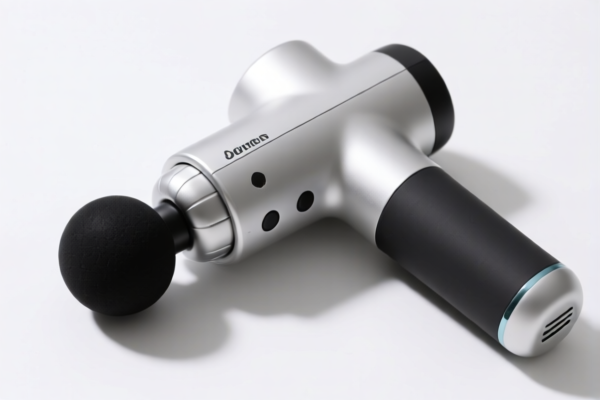
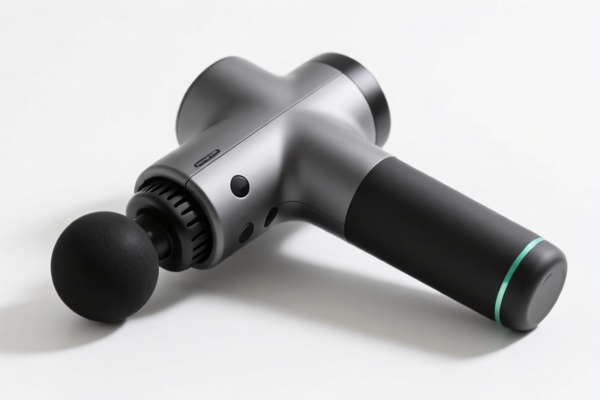
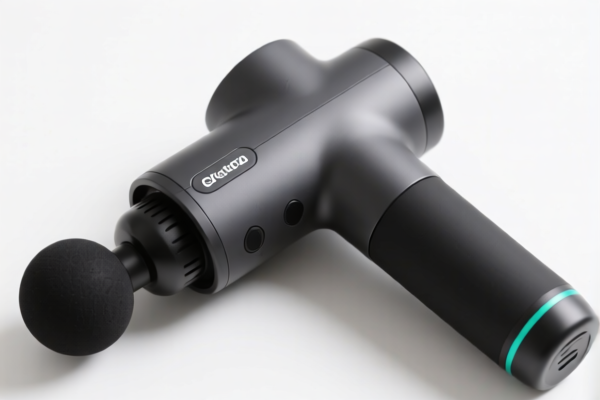
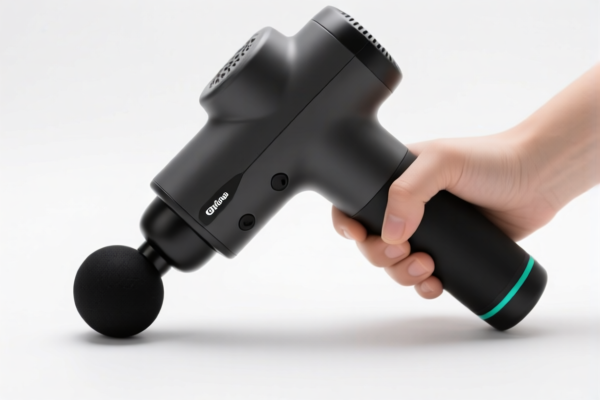
AI Analysis
💆♀️ Massage Tools (Massage Devices & Accessories)
🌐 HS Code Reference & Customs Clearance Guide | 2026 Latest Tariff Analysis | Professional Strategy for US Imports 📌 I. Product Definition & Classification: What Exactly Is a "Massage Tool"?
In international trade, "Massage Tools" is a broad category that spans from simple foam rollers to sophisticated electric massage guns. The HS Code classification depends heavily on power source, specific function, and material composition.
1. Electric Massage Devices: * Handheld/Stationary Electric Massagers: Powered by motors, batteries, or electricity. * Key Feature: Contains electric motors, control circuits, or heating elements. * Typical HS Chapter: 85 (Electrical machinery) or 90 (Medical/Orthopedic appliances).
2. Non-Electric / Manual Massage Tools: * Foam Rollers, Massage Balls, Wooden Sticks: No moving parts or power source. * Key Feature: Relies on manual pressure. * Typical HS Chapter: 95 (Sports goods) or 90 (if deemed therapeutic/medical).
⚠️ Critical Distinction Point: - If it has a motor/plug/battery → Likely 85xx or 9019. - If it is purely mechanical/foam → Likely 9506 (Sports/Recreation). - Note: The US imposes significant "Section 301" and "IEEPA" tariffs on many of these items from China.
📦 II. HS Code Classification Details (2026 Latest Tariff Reference)
Based on the provided data, here are the five most relevant HS Codes for Massage Tools, ranging from specific electric devices to general sports equipment.
| HS Code | Product Description | Key Characteristics | Tax Rate (China Origin) |
|---|---|---|---|
9019.10.20.50 |
Mechanical Massage Apparatus | Non-electric or simple mechanical massage devices. No clear power source indicated. | 10.0% |
9019.10.20.20 |
Other Massage Apparatus | Catch-all for massage instruments not specified elsewhere. Generic electric/non-electric. | 10.0% |
8509.80.10.00 |
Household Electric Appliances | Electric massage devices classified under "other electro-mechanical household appliances." | 10.0% |
8509.80.50.95 |
Other Household Electric Appliances | Electric massage tools categorized as general household appliances. | 14.2% |
9506.91.00.30 |
Foam Massage Tools | Foam rollers, balls, or sticks used for body relaxation/fitness. Non-electric. | 22.1% |
🔍 Analysis of Differences: - 9019.10 vs. 8509.80: Both are often used for electric massagers.
9019is technically "Mechano-therapeutic appliances," while8509is "Electro-mechanical household appliances." Customs often accepts either, but8509.80.50.95carries a higher base tariff. - 9506.91.00.30: This is the highest tariff (22.1%) but applies only to foam/non-electric items. Do not misclassify an electric gun as foam to avoid this; it is fraud. Conversely, don’t classify a simple foam roller as an electric device (9019) if it has no motor, as it belongs in9506.
💰 III. 2026 Tariff Rate Breakdown (Detailed Tax Clauses)
✅ Applicable Country: United States (US) ✅ Origin: China (CN) ✅ Effective Time: Current rates apply (Post-2025 adjustments included)
🎯 1. 9019.10.20.50 & 9019.10.20.20 — Mechanical/General Massage Apparatus
| Item | Detail |
|---|---|
| Base Tariff | 0.0% |
| Section 301 / Trade War Tariff | 0.0% |
| IEEPA Additional Tariff (122 Clause) | +10.0% |
| Total Effective Rate | 10.0% |
| Tax Calculation | CIF Value × 10% |
| De Minimis Exemption | ❌ No (Usually applies to low-value shipments, but massage tools are often scrutinized) |
| Legal Basis | IEEPA Section 122 Tariff application on Chinese goods. |
📌 Explanation: - These codes benefit from zero base tariff. - However, they are subject to a 10% IEEPA surcharge. - Advantage: This is one of the lowest tariff rates for massage tools among the options provided.
🎯 2. 8509.80.10.00 — Household Electric Appliances (Electric Massagers)
| Item | Detail |
|---|---|
| Base Tariff | 0.0% |
| Section 301 / Trade War Tariff | 0.0% |
| IEEPA Additional Tariff (122 Clause) | +10.0% |
| Total Effective Rate | 10.0% |
| Tax Calculation | CIF Value × 10% |
| De Minimis Exemption | ❌ No |
| Legal Basis | IEEPA Section 122 Tariff application. |
📌 Explanation: - Similar to
9019, this code has a 0% base rate. - Total tax is 10%. - Risk: Ensure the product is clearly an "electric household appliance." If customs doubts the electrical component, they may reclassify it.
🎯 3. 8509.80.50.95 — Other Household Electric Appliances
| Item | Detail |
|---|---|
| Base Tariff | 4.2% |
| Section 301 / Trade War Tariff | 0.0% |
| IEEPA Additional Tariff (122 Clause) | +10.0% |
| Total Effective Rate | 14.2% |
| Tax Calculation | CIF Value × 14.2% |
| De Minimis Exemption | ❌ No |
| Legal Basis | Standard tariff + IEEPA surcharge. |
📌 Explanation: - This code has a 4.2% base tariff (unlike the previous 0%). - Total tax is 14.2%. - Avoidance Strategy: Try to classify under
8509.80.10.00or9019if possible to save 4.2% in base duty.
🎯 4. 9506.91.00.30 — Foam Massage Tools (Sports/Fitness)
| Item | Detail |
|---|---|
| Base Tariff | 4.6% |
| Section 301 / Trade War Tariff | +7.5% |
| IEEPA Additional Tariff (122 Clause) | +10.0% |
| Steel/Aluminum/Copper Surcharge | +50% (If made of these metals) |
| Total Effective Rate (Standard) | 22.1% |
| Tax Calculation | CIF Value × 22.1% |
| De Minimis Exemption | ❌ No |
| Legal Basis | USITC Section 301 + IEEPA + Base Tariff. |
📌 Explanation: - This is the most expensive option at 22.1%. - It includes multiple layers of tariffs: Base (4.6%) + Section 301 (7.5%) + IEEPA (10%). - Warning: If the foam tool contains metal springs or frames, the additional 50% metal surcharge may apply, making it even more costly. - Only use this code for pure foam, wood, or non-electric plastic tools.
🛠️ IV. Customs Clearance Practical Advice (Pitfall Avoidance)
✅ 1. Essential Documentation Checklist
| Document | Mandatory? | Notes |
|---|---|---|
| ✅ Product Specifications | ✔️ | Must clearly state: "Electric/Non-Electric," "Power Source (Battery/AC)," "Material (Foam/Electric Parts)." |
| ✅ Electrical Certifications | ✔️ | For electric massagers: UL, FCC, ETL. Without these, goods may be seized. |
| ✅ Product Photos | ✔️ | Clear images showing power cords, buttons, and labels. |
| ✅ Commercial Invoice | ✔️ | Must explicitly describe the item (e.g., "Electric Handheld Massager" vs. "Foam Roller"). |
| ✅ Packing List | ✔️ | Item weight, dimensions, and quantity. |
✅ 2. Classification Strategy (Key Tips)
| Scenario | Recommended HS Code | Reason |
|---|---|---|
| Electric Massage Gun | 8509.80.10.00 or 9019.10.20.50 |
Both have 10% total tax. 8509 is safer for "household" items; 9019 is safer for "therapeutic" claims. |
| Simple Foam Roller | 9506.91.00.30 |
Only non-electric sports/fitness items belong here. Expect 22.1% tax. |
| Wooden Massage Stick | 9019.10.20.50 |
If deemed "mechanical" and not purely "sports," this 10% code is better than 9506. |
| Electric Massage Pillow | 8509.80.10.00 |
Clearly an electro-mechanical household appliance. |
🔥 Golden Rule: "Electric goes to 85/90 (10%), Foam goes to 95 (22.1%). Do not mix!" Misclassifying an electric device as foam to avoid tariffs is fraud and carries heavy penalties.
✅ 3. Special Considerations
| Situation | Handling Advice |
|---|---|
| OEM/Private Label | Provide brand authorization. Customs may check for IP violations. |
| Combination Kits | If a kit includes foam rollers AND electric massagers, declare them separately if possible. If packed together as one unit, customs may assign the highest tariff of the components or classify as a "set," which is risky. |
| "Medical" Claims | If marketing as "treating arthritis" or "medical therapy," customs may shift classification to 9019 (Medical) rather than 8509 (Household). Ensure consistency with marketing materials. |
| De Minimis (Section 321) | While many low-value shipments (<$800) are exempt, massage tools are highly scrutinized. Even under de minimis, ensure all docs are in order to avoid delays. |
🌍 V. Global Market Comparison (2026)
| Country/Region | Recommended HS Code | Est. Tariff (China Origin) | Key Requirement |
|---|---|---|---|
| 🇺🇸 USA | 9019.10.20.50 / 8509.80.10.00 |
10.0% | FCC/UL Certification, IEEPA compliance |
| 🇪🇺 EU | 9019.10.90 (Similar) |
~1.7% + VAT | CE Marking, RoHS Compliance |
| 🇨🇳 China (Import) | 9019.10.20 |
0% | CCC Certification (if electric) |
| 🇬🇧 UK | 9019.10.00 |
0% + VAT | UKCA Marking |
| 🇯🇵 Japan | 9019.10.000 |
0% | PSE Marking (if electric) |
📌 Conclusion: - The US is the most expensive market for massage tools due to IEEPA tariffs. - China Origin + US Import = 10-14.2% tax. - EU/UK/Japan are significantly cheaper (0-2% base), but strict certification (CE/UKCA/PSE) is required.
📌 VI. Common Mistakes & Pitfalls (Learn from Others' Failures)
❌ Mistake 1: Declaring an Electric Massage Gun as a "Foam Roller" (9506) to avoid tariffs.
👉 Consequence: Customs inspection reveals motor/battery. Seizure, fines, and reclassification to 22.1% + penalties.
❌ Mistake 2: Using 8509.80.50.95 when 8509.80.10.00 is applicable.
👉 Consequence: Unnecessary 4.2% extra tax on base duty. Always check sub-headings for "specific appliance" vs "general appliance."
❌ Mistake 3: Ignoring FCC/UL Certification for electric massagers. 👉 Consequence: Goods held at border until certificates are provided. Delays of 2-4 weeks.
❌ Mistake 4: Mislabeling "Therapeutic" vs "Recreational." 👉 Consequence: If you claim it's for "medical treatment" but use a sports HS code, customs may flag it for FDA/medical device review, causing massive delays.
✅ Correct Approach:
"Electric Handheld Massager, 20V Li-ion Battery, UL Listed, for Muscle Relaxation, Model XYZ."
🎯 VII. Conclusion: Optimize Your Classification, Maximize Profit
🎯 Key Takeaway:
🔹 Electric Massagers: Aim for
9019.10.20.50or8509.80.10.00→ 10% Total Tax. 🔹 Foam/Manual Tools: Must use9506.91.00.30→ 22.1% Total Tax. 🔹 Never misclassify to evade tariffs; the risk of audit is high.🔹 "10% vs 22%: A $1,000 shipment saves $120 in duties by choosing the right HS Code."
📌 Pro Tip: For large shipments, consider applying for a US Customs Binding Ruling to confirm your HS Code. This provides legal certainty and prevents surprise tariffs at the port.
📣 Action Item:
📞 Consult a Customs Broker before shipping. 📄 Ensure all electrical items have UL/FCC certificates. 🚀 Classify accurately to save up to 12% in taxes!
✨ Professional Clearance Starts with Precise Classification! 💼 Every dollar saved on duties is pure profit.
Customer Reviews
About HS Code Classification
The Harmonized System (HS) is an internationally standardized nomenclature developed by the World Customs Organization (WCO) to classify traded products. Over 200 countries use the HS system as the basis for customs tariffs, trade statistics, and import/export regulations.
Each HS code follows a hierarchical structure:
- Chapter (2 digits) — Broad category of goods (e.g., Chapter 84: Machinery and Mechanical Appliances)
- Heading (4 digits) — More specific grouping within the chapter
- Subheading (6 digits) — Internationally standardized breakdown, used by all WCO member countries
- National subdivisions (8-10 digits) — Country-specific extensions for further classification, such as US HTSUS 10-digit codes
Correct HS code classification is essential for smooth customs clearance, accurate duty payment, and compliance with trade regulations. Misclassification can lead to customs delays, overpayment of duties, or penalties.
When importing from CN to US, the applicable tariff rates may include:
- Most-Favored-Nation (MFN) rate — The standard duty rate applied to WTO members
- General rate — Applied to countries without trade agreements
- Trade remedy duties — Additional tariffs such as Section 301 (anti-dumping), Section 232 (national security), or countervailing duties
The information provided on this page is for reference purposes only. For official classification, please consult with your local customs authority or a licensed customs broker.