Massage Tools
CN → US| HS Code | Tariff Rate | Origin | Destination | Doc |
|---|---|---|---|---|
| 8509805095 | 14.2% | CN | US | Official Doc |
| 8509801000 | 10.0% | CN | US | Official Doc |
| 9019102050 | 10.0% | CN | US | Official Doc |
| 9403608093 | 35.0% | CN | US | Official Doc |
| 4421919880 | 38.3% | CN | US | Official Doc |
Product Images
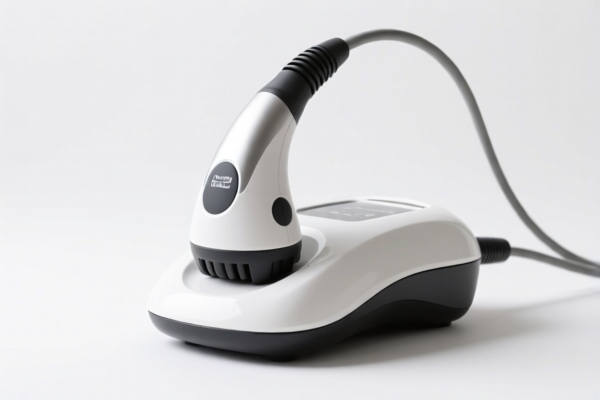
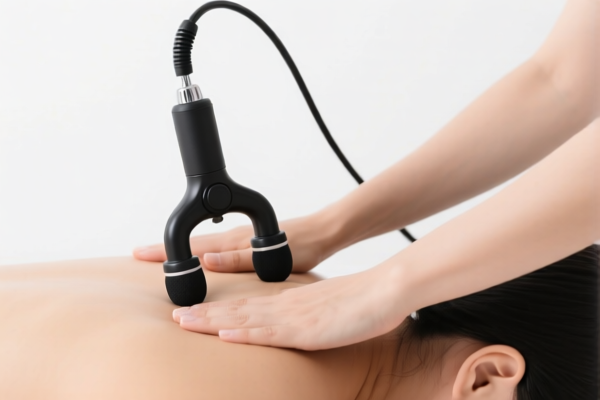
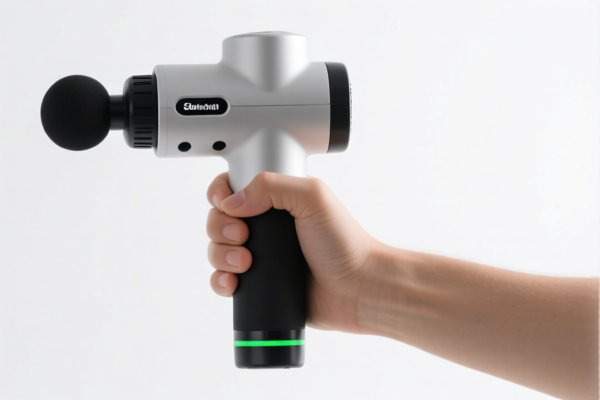
AI Analysis
💆♂️ Massage Tools (Comprehensive HS Code & Duty Analysis)
🌐 Global HS Code Reference & Customs Clearance Guide | 2026 Tariff Breakdown | Strategic Compliance Strategy
📌 I. Product Definition & Classification: Do You Really Know Your "Massage Tools"?
Massage Tools are devices or instruments used for muscle relaxation, pain relief, and therapeutic purposes. In international trade, they are categorized based on material composition, mechanism of action, and functionality:
- Electrical Massage Devices: Powered by electricity, using motors, vibration, or pneumatic mechanisms (e.g., massage guns, electric massagers).
- 归类逻辑: Classified under Chapter 85 (Electrical Machinery & Appliances) if they contain motors/electric components.
- Manual/Mechanical Massage Tools: Non-electric tools relying on human force or mechanical design (e.g., wooden rollers, foam rollers).
- 归类逻辑: Classified under Chapter 94 (Furniture/Bedding) or Chapter 44 (Wood Products) if primarily made of wood; or Chapter 90 (Medical/Orthopedic Appliances) if intended for therapeutic use.
⚠️ Critical Distinction:
- Electric vs. Non-Electric: Electric units with motors go to 8509/9019.
- Material Matters: Wooden non-electric tools go to 9403 (Furniture) or 4421 (Other Wood).
- Intended Use: "Medical/Therapeutic" tools often fall under 9019, while "General Wellness" tools may fall under 9403/8509.
📦 II. HS Code Classification Breakdown (2026 Tariff Authority)
Based on the provided data, here is the precise mapping of Massage Tools to their corresponding HS Codes and tax implications:
| HS Code | Product Description & Logic | Category Scope | Tax Rate (Total) |
|---|---|---|---|
8509.80.50.95 |
Electric Massage Appliances (General Household) Logic: Categorized as "Other Household Electrical Appliances" when the specific sub-category is not listed. |
Household Electrical (Home Use) | 14.2% |
8509.80.10.00 |
Electric Mechanical Appliances Logic: Fits the "Home Electric Mechanical" category; standard classification for motorized massagers. |
Home Electric Machinery | 10.0% |
9019.10.20.50 |
Therapeutic/Medical Massage Devices Logic: Classified under "Dumpling/Residual Category" for massage functions specifically intended for therapeutic/medical purposes. |
Medical/Orthopedic | 10.0% |
9403.60.80.93 |
Wooden Massage Tools (Furniture Grade) Logic: Classified as "Other Wooden Furniture" due to material and structure resembling furniture components. |
Wooden Furniture | 35.0% |
4421.91.98.80 |
Wooden Massage Tools (General Wood) Logic: Classified under "Other Wooden Articles" (Residual category for wood). |
Other Wood Products | 38.3% |
🔍 Key Insight:
- Electrical devices generally benefit from lower base tariffs but face significant Section 301/122 clauses (Total: 10%–14.2%).
- Wooden tools face the highest tariffs (35%–38.3%) due to the combination of 25% additional tariffs (likely Section 301) and standard duties.
💰 III. 2026 Tariff Breakdown & Policy Details (Detailed Analysis)
✅ Applicable Market: United States (US)
✅ Origin: China (CN)
✅ Effective Date: Based on current 2026 tariff structures (Section 301 & 122).
🎯 1. 8509.80.50.95 – Electric Household Massage Appliances
- Base Duty: 4.2%
- Additional (Section 301/301-List): 0.0% (Specific subcategory exempt or low)
- Section 122 Clause: +10.0% (Specific US trade remedy)
- 📊 Total Duty: 14.2%
- 📝 Explanation: This code captures general household electric massagers. The 10% "Section 122" tax is a critical add-on for Chinese-origin electrical goods.
🎯 2. 8509.80.10.00 – Electric Mechanical Appliances
- Base Duty: 0.0%
- Additional (Section 301/301-List): 0.0%
- Section 122 Clause: +10.0%
- 📊 Total Duty: 10.0%
- 📝 Explanation: A more specific electrical code. Interestingly, the base duty is 0%, but the 10% Section 122 penalty applies, making the total 10%.
🎯 3. 9019.10.20.50 – Therapeutic Massage Devices
- Base Duty: 0.0%
- Additional (Section 301/301-List): 0.0%
- Section 122 Clause: +10.0%
- 📊 Total Duty: 10.0%
- 📝 Explanation: If the device is marketed specifically for medical/therapeutic relief, it falls here. Same 10% penalty as electrical mechanical tools.
🎯 4. 9403.60.80.93 – Wooden Massage Tools (Furniture)
- Base Duty: 0.0%
- Additional (Section 301/301-List): +25.0%
- Section 122 Clause: +10.0%
- 📊 Total Duty: 35.0%
- 📝 Explanation: High Risk! Wooden items face a steep 25% additional tariff (likely Section 301 "Wooden Furniture" list) + 10% Section 122. This makes wooden massagers the most expensive to import.
🎯 5. 4421.91.98.80 – Wooden Massage Tools (Other)
- Base Duty: 3.3%
- Additional (Section 301/301-List): +25.0%
- Section 122 Clause: +10.0%
- 📊 Total Duty: 38.3%
- 📝 Explanation: The highest tax bracket. Even with a small base duty, the 25% penalty pushes the total to nearly 40%.
🛠️ IV. Customs Clearance Practical Advice (Strategic Guide)
✅ 1. Documentation Checklist (Must-Have)
| Document | Requirement | Why It Matters |
|---|---|---|
| Product Specification Sheet | Must detail: Material (Wood/Electric), Power Source (Voltage/Wattage), Mechanism (Vibration/Pneumatic). | Determines if HS Code is 8509 (Electric) or 9403/4421 (Wood). |
| Function Description | Clearly state: "General Wellness" vs. "Therapeutic/Medical". | Affects classification between 8509 (Home) and 9019 (Medical). |
| Material Declaration | Explicitly state % of wood, plastic, metal. | Wooden items incur 25%+ tariffs; plastic/metal may avoid Section 301 lists. |
| Commercial Invoice | Must include "Made in China" and detailed product name. | Critical for calculating the 10% Section 122 and 25% Additional duties. |
✅ 2. Strategic Classification Tips
🚀 Golden Rule: "Maximize Function, Minimize Material Risk!"
- Scenario A: Electric Massager
- Recommendation: Use
8509.80.10.00or9019.10.20.50(Total 10%). - Avoid: Do not describe as "Furniture" to avoid 35% duties.
- Recommendation: Use
- Scenario B: Wooden Massager
- Warning: High Risk. Total duty is 35.0%–38.3%.
- Mitigation: Can the design be modified to include electronic components (e.g., heat function)? If yes, shift to
8509(10% duty) instead of9403(35% duty). - Alternative: If purely wooden, consider sourcing from a non-China country to bypass Section 301/122 clauses (if applicable).
✅ 3. Declaration Strategy (Do's & Don'ts)
| Do's | Don'ts |
|---|---|
| ✅ Declare Material Clearly: "Wooden Roller" vs "Electric Massager". | ❌ Vague Terms: Do not just write "Massage Tool". |
| ✅ Highlight Function: If therapeutic, mention "Therapeutic Relief". | ❌ Hide Origin: Never hide "Made in China". |
| ✅ Check Section 301 Lists: Verify if the specific wood type or electric type is on the penalty list. | ❌ Misclassify Wood as Plastic: Avoid fraud; penalties include fines + seizure. |
🌍 V. Global Market Comparison (2026)
| Market | Recommended HS Code | Est. Total Duty | Key Constraint |
|---|---|---|---|
| 🇺🇸 USA | 8509 / 9019 (10%) vs 9403 (35%) |
10% - 38.3% | Section 122 & 25% Additional Tariffs apply to China. |
| 🇪🇺 EU | Varies (8509/9019/4421) | Low (0-10%) | No Section 301, but strict CE/RoHS compliance. |
| 🇨🇳 China | Varies | 0-5% | Domestic import duties are low; export to China not applicable. |
📌 Conclusion:
- USA is the most challenging market for massage tools due to the 10% Section 122 and 25% Additional tariffs.
- Electric tools (10%) are significantly cheaper to import than Wooden tools (35%+).
- Wooden tools are highly sensitive; consider redesigning with electronic components to shift to a lower tax bracket.
🎯 VI. Final Strategic Summary
🔹 Cost Optimization Formula
Electrical = 10% (Base 0% + 10% Section 122)
Wooden = 35%–38% (Base 0-3.3% + 25% Section 301 + 10% Section 122)
🔹 Actionable Advice
- Re-evaluate Product Design: If selling wooden massagers, add a small electronic module (e.g., heat pad) to reclassify under 8509 and save ~25% in duties.
- Verify "Therapeutic" Claim: If the product has medical certification, use 9019 (10%) instead of generic electrical codes if possible (though both are 10%, 9019 might be safer for medical claims).
- Prepare for Section 122: Ensure all electrical imports have the Section 122 code clearly marked on the invoice to avoid clearance delays.
- Wooden Warning: Do not ship wooden massagers from China to the US unless the profit margin can absorb the 35%+ tariff.
📌 Pro Tip:
"HS Code is the gatekeeper of your profit. For Massage Tools, Electrical is King (10%), Wood is the Beast (38%). Choose your material wisely!"
✨ Smart Customs, Smarter Business!
💼 Every percentage point of duty matters. Optimize your HS Code strategy today.
Customer Reviews
About HS Code Classification
The Harmonized System (HS) is an internationally standardized nomenclature developed by the World Customs Organization (WCO) to classify traded products. Over 200 countries use the HS system as the basis for customs tariffs, trade statistics, and import/export regulations.
Each HS code follows a hierarchical structure:
- Chapter (2 digits) — Broad category of goods (e.g., Chapter 84: Machinery and Mechanical Appliances)
- Heading (4 digits) — More specific grouping within the chapter
- Subheading (6 digits) — Internationally standardized breakdown, used by all WCO member countries
- National subdivisions (8-10 digits) — Country-specific extensions for further classification, such as US HTSUS 10-digit codes
Correct HS code classification is essential for smooth customs clearance, accurate duty payment, and compliance with trade regulations. Misclassification can lead to customs delays, overpayment of duties, or penalties.
When importing from CN to US, the applicable tariff rates may include:
- Most-Favored-Nation (MFN) rate — The standard duty rate applied to WTO members
- General rate — Applied to countries without trade agreements
- Trade remedy duties — Additional tariffs such as Section 301 (anti-dumping), Section 232 (national security), or countervailing duties
The information provided on this page is for reference purposes only. For official classification, please consult with your local customs authority or a licensed customs broker.