Massager Beige
CN → US| HS Code | Tariff Rate | Origin | Destination | Doc |
|---|---|---|---|---|
| 8543708500 | 35.0% | CN | US | Official Doc |
| 8543709810 | 37.6% | CN | US | Official Doc |
| 9019102050 | 10.0% | CN | US | Official Doc |
| 9019102020 | 10.0% | CN | US | Official Doc |
| 9019102050 | 10.0% | CN | US | Official Doc |
| 9019102035 | 10.0% | CN | US | Official Doc |
Product Images
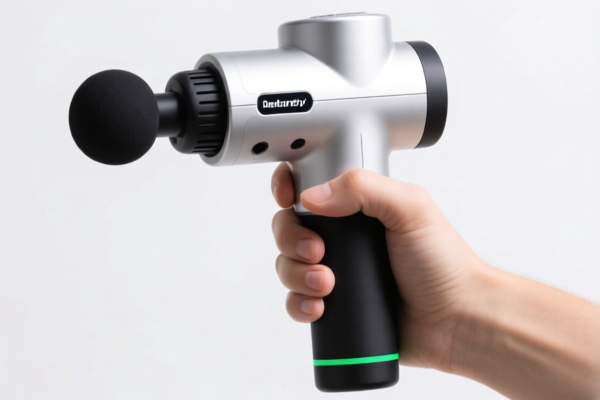
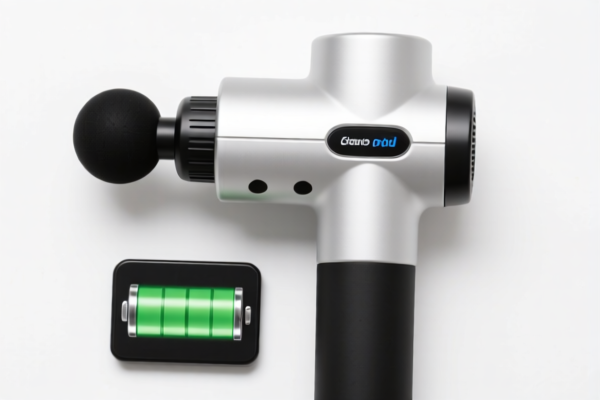
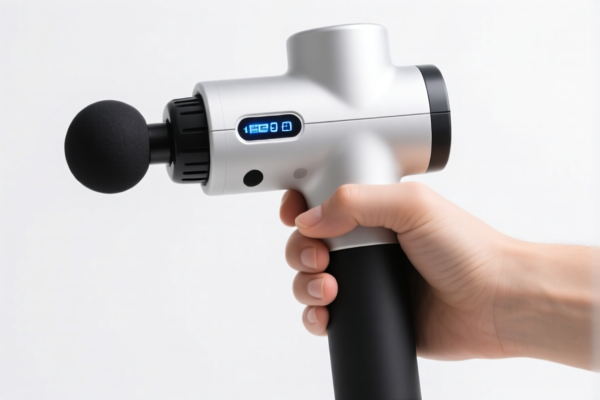
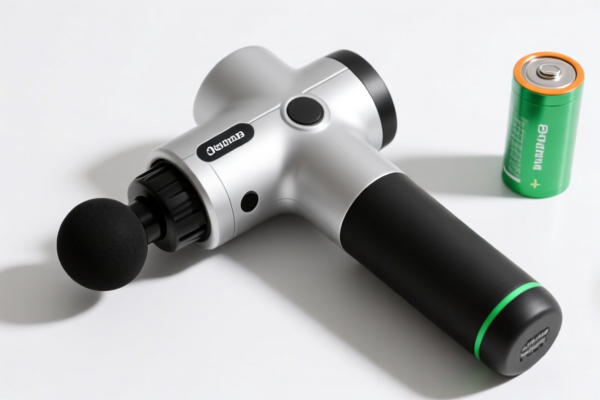
AI Analysis
🧖♀️ Massage Device (Massager Beige)
🌐 HS Code Reference & Customs Clearance Guide | 2026 Latest Tariff Analysis | Professional Clearance Strategy
📌 I. Product Definition & Classification: Do You Really Understand "Massagers"?
The "Massager Beige" refers to handheld or body massaging devices, typically used for physical therapy, muscle relaxation, or beauty care. In international trade, these are strictly regulated under Chapter 90 (Medical/Therapeutic Appliances) or Chapter 85 (Electrical Machinery) depending on their operating mechanism.
Key Distinction: * Mechano-therapy/Massage Apparatus (HS 9019): Devices that use mechanical vibration, percussion, or pressure for massage purposes. * Electrical Nerve Stimulation (HS 8543): Devices that use electrical currents to stimulate nerves/muscles (TENS/EMS).
⚠️ Critical Identification Point:
- If the device uses vibration motors, rollers, or air pressure for physical massage → Classify under 9019.10.
- If the device delivers electrical impulses to muscles/nerves → Classify under 8543.70.
- Note: The provided data focuses heavily on "Mechano-therapy and Massage Apparatus" (9019), with one entry for "Electrical Nerve Stimulation" (8543). This guide covers both based on the available HS codes.
📦 II. HS Code Classification Details (2026 Latest Tariff Authority对照)
Based on the provided data, here are the specific classifications for massagers:
| HS Code | Product Description | Applicable Scenario | Power Source / Type |
|---|---|---|---|
| 9019.10.20.50 | Mechano-therapy appliances; massage apparatus; psychological aptitude-testing apparatus; parts and accessories thereof. Subtitle: Massage apparatus: Other |
General massage devices not fitting specific sub-categories (e.g., non-electric or generic electric massagers). | Non-Specific / Other |
| 9019.10.20.35 | Massage apparatus: Electrically operated. Subtitle: Other: Powered by AC adapter |
Electric massagers that plug directly into a wall outlet (AC power). | AC Adapter |
| 9019.10.20.20 | Massage apparatus: Electrically operated: Battery powered: Handheld | Portable, handheld massagers powered by internal or external batteries. | Battery Powered |
| 8543.70.85.00 | Electrical machines and apparatus... For electrical nerve stimulation | TENS/EMS devices used for pain relief or muscle stimulation via electricity. | Electrical/Nerve Stimulation |
🔍 Key Reminder:
- "Beige" is a color attribute and does not influence the HS Code classification.
- 8543.70.85.00 is distinct from 9019. If your "Massager Beige" is a TENS unit (electrical pulses), use 8543. If it is a vibrating/percussion massager, use 9019.
💰 III. 2026 Latest Tariff Rate Details (Including Additional Taxes)
✅ Applicable Country: United States (US)
✅ Origin: China (CN) (Implied by "Additional Tax" context in data)
✅ Effective Time: Current Tariff Regime
🎯 1. 9019.10.20.50 / 9019.10.20.35 / 9019.10.20.20 — Massagers (Mechano-therapy & Electric)
These codes fall under the 0% Duty category for the base tariff, with no Section 301 additional tax in the provided data.
| Item | Detail |
|---|---|
| Base Tariff | 0.0% (Ad Valorem) |
| Additional Tax (301) | 0.0% |
| Total Tax Rate | 0.0% |
| Tax Calculation | CIF Value × 0% = $0 Duty |
| Eligibility for De Minimis | ✅ Likely Eligible (If value <$800, usually exempt from duty entirely via Section 321). |
| Legal Basis Path | HTSUS: 9019.10.20 → USITC General Note |
📌 Explanation:
- Massage apparatus (mechanical and electric) generally enjoys zero tariffs in the US under current HTSUS provisions for these specific sub-headings.
- Crucial: Ensure the product is clearly described as a "Massage Apparatus" and not a "Beauty Device" or "Personal Care Appliance" which might have different classifications.
🎯 2. 8543.70.85.00 — Electrical Nerve Stimulation Devices
This code carries a 25% Additional Tax, likely due to Section 301 measures on specific electrical machinery.
| Item | Detail |
|---|---|
| Base Tariff | 0.0% |
| Additional Tax (301) | +25.0% |
| Total Tax Rate | 25.0% |
| Tax Calculation | CIF Value × 25% |
| Eligibility for De Minimis | ❌ Not Eligible for duty exemption if classified under this specific 301-listed heading (Check latest USITC exclusions). |
| Legal Basis Path | HTSUS: 8543.70.85 → Section 301 Footnote |
📌 Explanation:
- If your "Massager Beige" is an EMS/TENS unit, it is classified here.
- The 25% additional tax is significant. This is a Section 301 tariff imposed on Chinese-origin electrical machinery.
- Do not confuse this with the 0% duty for mechanical massagers. Misclassification can lead to severe penalties.
🛠️ IV. Customs Clearance Practical Advice (Battle-Tested Pitfall Guide)
✅ 1. Preparation Checklist (Non-Negotiable)
| Document | Required | Note |
|---|---|---|
| ✅ Product Specification | ✔️ | Must clearly state: "Mechanical Massage" OR "Electrical Nerve Stimulation". |
| ✅ User Manual / Instructions | ✔️ | Include warnings, power input (AC/Battery), and intended use. |
| ✅ Product Photos | ✔️ | Show the device clearly. No branding confusion (e.g., don't look like a medical implant). |
| ✅ Power Supply Details | ✔️ | Specify if AC Adapter (9019.10.20.35) or Battery (9019.10.20.20). |
| ✅ Commercial Invoice | ✔️ | Description: "Electric Massage Apparatus, Model XYZ, Beige". |
✅ 2. Declaration Tips (Key Mantra)
🔥 "Power Source Defines the Code: AC/Battery = 9019, Nerve Stim = 8543!"
| Scenario | Correct HS Code | Wrong Code | Risk |
|---|---|---|---|
| Vibrating Handheld Massager (Battery) | 9019.10.20.20 (0%) |
8543.70.85.00 |
Overpayment of 25% |
| Pluggable Electric Massager (AC) | 9019.10.20.35 (0%) |
8543.70.85.00 |
Overpayment of 25% |
| General Massage Device (Non-Specific) | 9019.10.20.50 (0%) |
8543.70.85.00 |
Overpayment of 25% |
| TENS/EMS Unit (Electrical Pulse) | 8543.70.85.00 (25%) |
9019.10.20.50 |
Underpayment + Penalties |
✅ 3. Special Cases & Handling
| Situation | Handling Advice |
|---|---|
| Dual-Function Device | If it does BOTH vibration and electrical stimulation, it may be classified as 8543 (higher duty) or 9019 depending on principal function. Consult a customs broker. |
| Color "Beige" | Always include "Beige" in the description for inventory accuracy, but not for HS classification. It does not change the tax rate. |
| Battery Compliance | If battery-powered (9019.10.20.20), ensure UN38.3 and MSDS are ready for air freight/shipping. |
🌍 V. Global Market Comparison (2026 Latest)
| Country/Region | Recommended HS Code | Tariff Rate | Certification | Note |
|---|---|---|---|---|
| 🇺🇸 USA | 9019.10.20.xx |
0% | FCC (if electric) | Best for mechanical/electric massagers. |
| 🇨🇳 China | 9019.10.20.xx |
0% | N/A | Import duty often 0% for medical appliances. |
| 🇪🇺 EU | 9019.10.20 |
0% | CE Mark | Requires CE for electrical devices. |
| 🇬🇧 UK | 9019.10.20 |
0% | UKCA | Post-Brexit standards apply. |
| 🇦🇺 Australia | 9019.10.20 |
5% | RCM | General rate may apply. |
📌 Conclusion:
- USA offers 0% duty for most massage apparatuses (9019), making them highly competitive.
- Avoid8543.70.85.00unless necessary, as it incurs a 25% penalty.
- Certifications: For electric massagers in the US, FCC ID is mandatory.
📌 VI. Common Errors & Pitfall Guide (Lessons from Tears)
❌ Error 1: Classifying a TENS Unit as a Massage Device (9019)
👉 Consequence: Underpayment of 25% duty + potential fraud penalties.
👉 Fix: Check if it uses electrical pulses. If yes, use 8543.70.85.00.
❌ Error 2: Claiming De Minimis for a Battery-Powered Massager without proper battery docs
👉 Consequence: Shipment held by CBP, return to sender, or fines.
👉 Fix: Ensure UN38.3 test report is available.
❌ Error 3: Vague Description "Massager Beige"
👉 Consequence: Customs request for additional info (RFI), causing delays.
👉 Fix: Be specific: "Electric Handheld Massage Apparatus, Model ABC, Beige, Battery Powered, FCC Certified".
✅ Correct Practice:
"Electric Massage Apparatus, Handheld, Battery Powered, Model XYZ, Beige Color. For muscle relaxation. FCC Certified."
🎯 VII. Conclusion: Precise Classification Saves Money!
🎯 Remember the Mantra:
🔹 "Mechanical/Electric Massager = 9019 (0% Duty)"
🔹 "Nerve Stimulator (TENS/EMS) = 8543 (25% Duty)"
🔹 "Color Doesn't Matter, Function Does!"
📌 Pro Tip:
If your device is battery-powered (9019.10.20.20), ensure you have the Battery Safety Documentation ready. For AC-powered (9019.10.20.35), ensure the Adapter UL/ETL listing is clear.
📣 Immediate Action:
📞 Contact a Licensed Customs Broker to confirm if your "Massager Beige" is strictly mechanical/vibrational or includes electrical nerve stimulation.
🚀 Choose the 0% Duty Path (9019) if possible to maximize profit margins!
✨ Professional Clearance Starts with Accurate Classification!
💼 Your Every Cent Saved is Pure Profit!
Customer Reviews
About HS Code Classification
The Harmonized System (HS) is an internationally standardized nomenclature developed by the World Customs Organization (WCO) to classify traded products. Over 200 countries use the HS system as the basis for customs tariffs, trade statistics, and import/export regulations.
Each HS code follows a hierarchical structure:
- Chapter (2 digits) — Broad category of goods (e.g., Chapter 84: Machinery and Mechanical Appliances)
- Heading (4 digits) — More specific grouping within the chapter
- Subheading (6 digits) — Internationally standardized breakdown, used by all WCO member countries
- National subdivisions (8-10 digits) — Country-specific extensions for further classification, such as US HTSUS 10-digit codes
Correct HS code classification is essential for smooth customs clearance, accurate duty payment, and compliance with trade regulations. Misclassification can lead to customs delays, overpayment of duties, or penalties.
When importing from CN to US, the applicable tariff rates may include:
- Most-Favored-Nation (MFN) rate — The standard duty rate applied to WTO members
- General rate — Applied to countries without trade agreements
- Trade remedy duties — Additional tariffs such as Section 301 (anti-dumping), Section 232 (national security), or countervailing duties
The information provided on this page is for reference purposes only. For official classification, please consult with your local customs authority or a licensed customs broker.