Mattress Filling
CN → US| HS Code | Tariff Rate | Origin | Destination | Doc |
|---|---|---|---|---|
| 5601210090 | 38.6% | CN | US | Official Doc |
| 5601220091 | 41.3% | CN | US | Official Doc |
| 9404210095 | 38.0% | CN | US | Official Doc |
| 9404299095 | 41.0% | CN | US | Official Doc |
| 3926907500 | 14.2% | CN | US | Official Doc |
Product Images
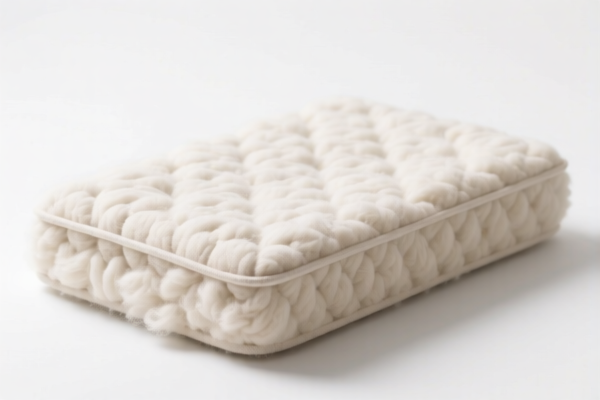
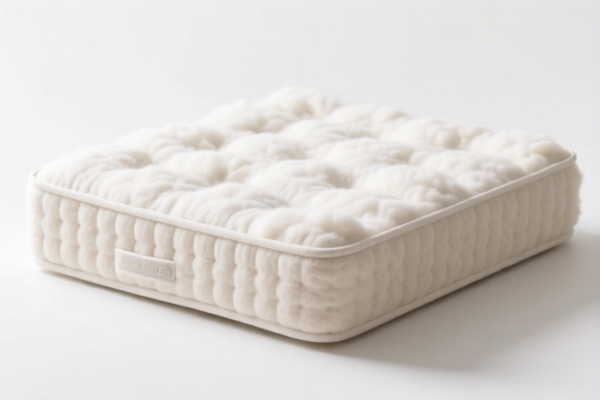
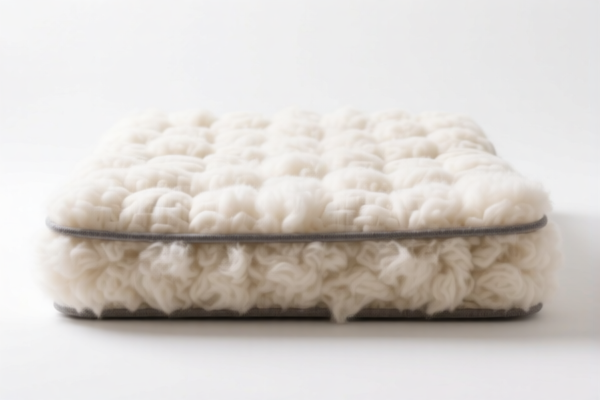
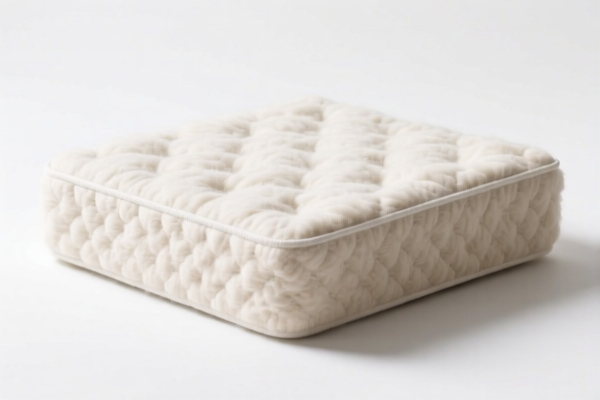
AI Analysis
🛏️ Mattress Filling (Insulation & Padding Materials)
🌐 HS Code Reference & Clearance Guide | 2026 Latest Tariff Analysis | Professional Customs Strategy
📌 I. Product Definition & Classification: What Exactly is "Mattress Filling"?
"Mattress Filling" is a broad term in the bedding and home furnishing industry. In international trade, it refers to the internal layers used to provide cushioning, support, or loft to mattresses. The correct HS Code classification depends entirely on the material composition and physical form of the filling.
Common Types: 1. Textile Flocking/Wadding (Cotton/Fiber): Natural cotton, polyester fiberfill, or synthetic wadding. 2. Foam/Plastic Materials: Polyurethane foam, memory foam, or inflatable plastic components. 3. Other Synthetic Fibers: Rayon, bamboo fiber, or mixed synthetic blends.
⚠️ Key Classification Point:
- If the material is textile-based (cotton/fiber) → It falls under Chapter 56 (Textile Wadding).
- If the material is plastic/foam-based → It falls under Chapter 94 (Furniture Articles) or Chapter 39 (Plastics).
- Do not assume "Mattress" always means Chapter 94. The filling itself is often classified differently from the finished mattress.
📦 II. HS Code Classification Details (2026 Latest Tariff Authority)
| HS Code | Product Description | Material Inference | Applicable Scenario |
|---|---|---|---|
5601.21.00.90 |
Wadding of cotton and articles of cotton wadding | Cotton / Natural Fiber | Cotton batting, natural fiber filling for mattresses/pillows |
5601.22.00.91 |
Wadding of synthetic fibers and articles thereof | Synthetic Fiber / Man-made | Polyester fiberfill, synthetic batting for bedding |
9404.21.00.95 |
Mattresses containing only springs or rubber or plastic foam | Plastic Foam / Rubber | Mattress cores made of foam or rubber (no textile cover specified) |
9404.29.90.95 |
Other mattresses and mattresses parts | Other Materials | Mattress components not primarily springs/foam, or mixed materials |
3926.90.75.00 |
Other articles of plastics, inflatable | Plastic / Inflatable | Inflatable mattress cores, plastic foam components |
🔍 Important Note:
- Chapter 56 (5601) applies to loose or sheet-like wadding (the raw filling material), not the finished mattress.
- Chapter 94 (9404) applies to finished mattresses or major parts like foam cores.
- Chapter 39 (3926) applies if the product is an inflatable plastic item.
- Misclassification between Chapter 56 (textile) and Chapter 94 (furniture) is the most common error leading to duty discrepancies.
💰 III. 2026 Latest Tariff Rate Breakdown (Including Surcharge & Policy Add-ons)
✅ Applicable Country: United States (US)
✅ Origin: China (CN)
✅ Effective Date: From Nov 10, 2025 (and subsequent imports)
🎯 1. 5601.21.00.90 – Cotton Wadding / Cotton Mattress Filling
| Item | Content |
|---|---|
| Base Duty Rate | 3.6% (ad valorem) |
| Section 301 Surcharge | +25.0% (USITC Footnote 9903.88.01) |
| Section 122 Tariff | +10.0% (Specific trade remedy for certain textiles/apparel) |
| Total Effective Rate | 38.6% |
| Tax Calculation | CIF Value × 38.6% |
| De Minimis Exemption | ❌ Not Eligible (deny_de_minimis) |
| Legal Basis Path | Section 301: 9903.88.01 → Section 122 → USITC: 5601.21.00.90 |
📌 Explanation:
- 3.6% is the standard MFN (Most Favored Nation) base tariff for cotton wadding.
- 25% is the Section 301 tariff imposed on Chinese goods.
- 10% is a specific additional tariff (Section 122) applicable to certain textile/apparel items.
- Total: 38.6%. This is a high-duty category. No de minimis exemption applies.
🎯 2. 5601.22.00.91 – Synthetic Fiber Wadding / Polyester Mattress Filling
| Item | Content |
|---|---|
| Base Duty Rate | 6.3% (ad valorem) |
| Section 301 Surcharge | +25.0% |
| Section 122 Tariff | +10.0% |
| Total Effective Rate | 41.3% |
| Tax Calculation | CIF Value × 41.3% |
| De Minimis Exemption | ❌ Not Eligible |
| Legal Basis Path | Section 301: 9903.88.01 → Section 122 → USITC: 5601.22.00.91 |
📌 Explanation:
- 6.3% is the base tariff for synthetic fiber wadding.
- 25% + 10% surcharges apply similarly to cotton.
- Total: 41.3%. This is the highest duty rate among the listed codes. Common for polyester fiberfill.
🎯 3. 9404.21.00.95 – Mattress with Foam/Rubber (Plastic Material)
| Item | Content |
|---|---|
| Base Duty Rate | 3.0% (ad valorem) |
| Section 301 Surcharge | +25.0% |
| Section 122 Tariff | +10.0% |
| Total Effective Rate | 38.0% |
| Tax Calculation | CIF Value × 38.0% |
| De Minimis Exemption | ❌ Not Eligible |
| Legal Basis Path | Section 301 → Section 122 → USITC: 9404.21.00.95 |
📌 Explanation:
- 3.0% is the base tariff for mattresses containing foam or rubber.
- Total: 38.0%. Slightly lower than textile wadding due to a lower base rate.
- Applies to foam cores or mattresses where the primary component is plastic foam.
🎯 4. 9404.29.90.95 – Other Mattress Parts / Non-Standard Materials
| Item | Content |
|---|---|
| Base Duty Rate | 6.0% (ad valorem) |
| Section 301 Surcharge | +25.0% |
| Section 122 Tariff | +10.0% |
| Total Effective Rate | 41.0% |
| Tax Calculation | CIF Value × 41.0% |
| De Minimis Exemption | ❌ Not Eligible |
| Legal Basis Path | Section 301 → Section 122 → USITC: 9404.29.90.95 |
📌 Explanation:
- 6.0% is the base tariff for "other" mattresses/parts.
- Total: 41.0%. Applies to mixed-material mattress components or those not fitting into the foam/spring categories.
🎯 5. 3926.90.75.00 – Inflatable Plastic Mattress / Core
| Item | Content |
|---|---|
| Base Duty Rate | 4.2% (ad valorem) |
| Section 301 Surcharge | 0.0% (Exempt from Section 301 surcharge for this specific subheading) |
| Section 122 Tariff | +10.0% |
| Total Effective Rate | 14.2% |
| Tax Calculation | CIF Value × 14.2% |
| De Minimis Exemption | ❌ Not Eligible |
| Legal Basis Path | Section 122 → USITC: 3926.90.75.00 |
📌 Explanation:
- 4.2% is the base tariff for plastic articles.
- Crucial Difference: This code is NOT subject to the 25% Section 301 surcharge.
- Total: 14.2%. This is the most cost-effective option if the product is truly an inflatable plastic item or plastic foam component.
- Warning: Must be clearly identified as plastic/inflatable. Misclassification as textile wadding will result in a massive penalty.
🛠️ IV. Customs Clearance Practical Advice (Real-World Pitfall Guide)
✅ 1. Document Checklist (Essential)
| Document | Required | Explanation |
|---|---|---|
| ✅ Product Specification Sheet | ✔️ | Must explicitly state material composition (e.g., "100% Polyester Fiber" vs. "Polyurethane Foam"). |
| ✅ Material Safety Data Sheet (MSDS) | ✔️ | For foam/plastic materials, required for chemical compliance. |
| ✅ Product Photos | ✔️ | Clear images showing texture, cross-section (to prove foam vs. fiber), and packaging. |
| ✅ Commercial Invoice | ✔️ | Must match the HS Code description. Avoid vague terms like "Bedding Part." |
| ✅ Packing List | ✔️ | Details net/gross weight, dimensions. Critical for volume-based duties. |
| ✅ Test Reports | ✔️ | Flammability tests (CAL 117), fiber content analysis. |
✅ 2. Classification Strategy (Key Rules)
🔥 "Material Defines Code, Not Use!"
| Scenario | Correct HS Code | Incorrect Code | Consequence |
|---|---|---|---|
| Loose Polyester Fiberfill | 5601.22.00.91 (41.3%) |
9404.29.90.95 (41.0%) |
Minor difference, but accuracy matters for audits. |
| Cotton Wadding Sheets | 5601.21.00.90 (38.6%) |
9404.21.00.95 (38.0%) |
High Risk. Cotton is textile; foam is furniture. Misclassification leads to seizure. |
| Foam Core (No Fabric Cover) | 9404.21.00.95 (38.0%) |
5601.22.00.91 |
Wrong Chapter. Foam is plastic/rubber, not textile wadding. |
| Inflatable Mattress Core | 3926.90.75.00 (14.2%) |
9404.21.00.95 (38.0%) |
Major Savings! If it's plastic/inflatable, use Ch 39 to save 23.8%. |
| Finished Mattress | 9404.21.00.95 or 9404.29.90.95 |
5601.22.00.91 |
Complete Error. Finished mattresses are Ch 94. Loose filling is Ch 56. |
✅ 3. Special Case Handling
| Scenario | Recommendation |
|---|---|
| Mixed Material Filling (e.g., Foam + Fiber) | Declare the primary component by weight. If >50% fiber → Ch 56. If >50% foam → Ch 94. |
| OEM Custom Filling | Provide detailed bill of materials. If it's a "core," clarify if it's raw material (Ch 56) or part of furniture (Ch 94). |
| Inflatable vs. Non-Inflatable Foam | If it requires inflation, use 3926.90.75.00 (14.2%). If it's solid foam, use 9404.21.00.95 (38.0%). |
| Small Samples (De Minimis) | Warning: All listed HS Codes are NOT eligible for de minimis exemption under current US rules for Chinese goods. Plan for full duty payment. |
🌍 V. Global Market Comparison (2026 Latest)
| Country/Region | Recommended HS Code | Tariff (China Origin) | Certification Required | Remarks |
|---|---|---|---|---|
| 🇺🇸 USA | 3926.90.75.00 (if plastic) |
14.2% | None specific | If textile (5601), rate is 38.6%-41.3% |
| 🇨🇳 China | 5601.21.00.90 / 5601.22.00.91 |
~3%-6% (Export) | None | Low export tax, but focus on destination import duties |
| 🇪🇺 EU | 5601.21.00 / 5601.22.00 |
~6%-12% | CE (if applicable) | No Section 301/122 equivalents, but carbon taxes may apply |
| 🇬🇧 UK | 5601.21.00 / 5601.22.00 |
~5%-10% | UKCA | Post-Brexit rules differ from EU |
| 🇯🇵 Japan | 5601.21.00 / 5601.22.00 |
~3%-5% | None | Generally low tariffs, no major trade wars |
📌 Conclusion:
- The USA is the most challenging market due to high surcharges (Section 301 + 122).
- Plastic/Inflatable products (3926.90.75.00) offer the best duty advantage (14.2%) in the US.
- Textile Wadding (5601) is heavily taxed (38.6%-41.3%). Consider material substitution if feasible.
📌 VI. Common Errors & Pitfalls (Lessons Learned)
❌ Error 1: Classifying loose polyester fiber as a "Mattress Part" (9404.29.90.95)
👉 Result: While the rate is similar (41.3% vs 41.0%), the legal basis differs. If audited, misclassification of textile vs. furniture goods can lead to penalties for fraud.
❌ Error 2: Calling an Inflatable Plastic Core a "Foam Mattress" (9404.21.00.95)
👉 Result: Overpaying 23.8% in duties. Inflatable plastic items are exempt from Section 301. Always highlight "Inflatable" and "Plastic" in description.
❌ Error 3: Using vague descriptions like "Bedding Stuffing"
👉 Result: Customs will request additional info, causing delays. Use precise terms: "Polyester Fiber Wadding," "Cotton Batting," "Polyurethane Foam Core."
✅ Correct Practice:
"Polyester Fiber Wadding for Mattress Padding, 100% Synthetic Fiber, Non-Textile Article for Classification, Model XYZ, Cert: OEKO-TEX Standard 100"
🎯 VII. Conclusion: Smart Classification, Save Costs!
🎯 Remember the Golden Rule:
🔹 "Textile Wadding = Ch 56 (High Tax)"
🔹 "Foam/Rubber Mattress = Ch 94 (Medium Tax)"
🔹 "Inflatable Plastic = Ch 39 (Low Tax!)"
🔹 "Never use De Minimis for these codes from China!"
📌 Pro Tip:
If your product is 100% Cotton, consider if it can be processed into a finished article in a third country (e.g., Vietnam) to potentially avoid Section 122, but ensure substantial transformation occurs.
Always apply for an Advance Ruling from US Customs if your product is borderline between textile and plastic.
📣 Take Action Now:
📞 Consult a licensed customs broker + Provide Material Composition Report + Request HS Code Advance Ruling
🚀 Clear your mattress fillings smoothly, maximize profit margins, and avoid customs nightmares!
✨ Professional Clearance Starts with Accurate Classification!
💼 Every dollar saved in duty is pure profit!
Customer Reviews
About HS Code Classification
The Harmonized System (HS) is an internationally standardized nomenclature developed by the World Customs Organization (WCO) to classify traded products. Over 200 countries use the HS system as the basis for customs tariffs, trade statistics, and import/export regulations.
Each HS code follows a hierarchical structure:
- Chapter (2 digits) — Broad category of goods (e.g., Chapter 84: Machinery and Mechanical Appliances)
- Heading (4 digits) — More specific grouping within the chapter
- Subheading (6 digits) — Internationally standardized breakdown, used by all WCO member countries
- National subdivisions (8-10 digits) — Country-specific extensions for further classification, such as US HTSUS 10-digit codes
Correct HS code classification is essential for smooth customs clearance, accurate duty payment, and compliance with trade regulations. Misclassification can lead to customs delays, overpayment of duties, or penalties.
When importing from CN to US, the applicable tariff rates may include:
- Most-Favored-Nation (MFN) rate — The standard duty rate applied to WTO members
- General rate — Applied to countries without trade agreements
- Trade remedy duties — Additional tariffs such as Section 301 (anti-dumping), Section 232 (national security), or countervailing duties
The information provided on this page is for reference purposes only. For official classification, please consult with your local customs authority or a licensed customs broker.