Measuring Instruments and Parts
CN → US| HS Code | Tariff Rate | Origin | Destination | Doc |
|---|---|---|---|---|
| 9031200000 | 36.7% | CN | US | Official Doc |
| 9025198060 | 35.0% | CN | US | Official Doc |
| 9025114000 | 10.0% | CN | US | Official Doc |
| 9017308000 | 38.9% | CN | US | Official Doc |
| 9031808085 | 35.0% | CN | US | Official Doc |
Product Images
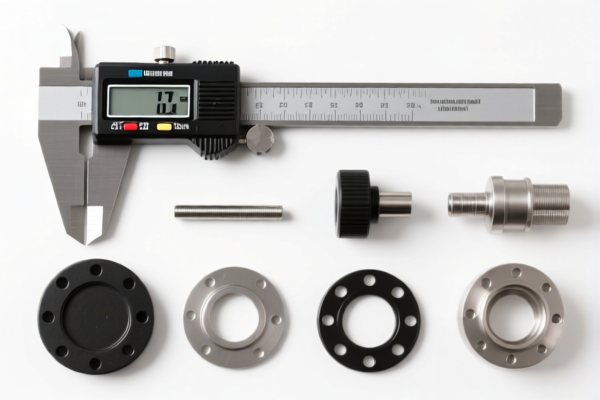
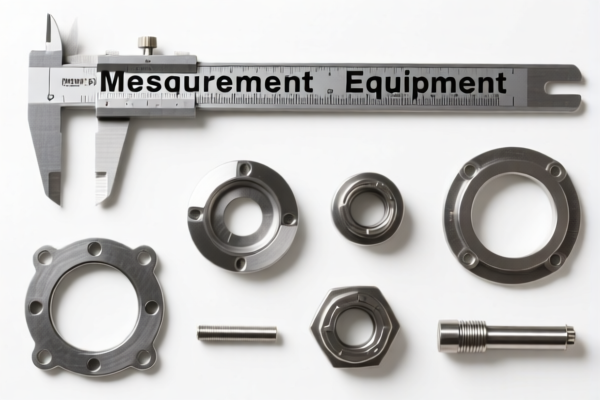
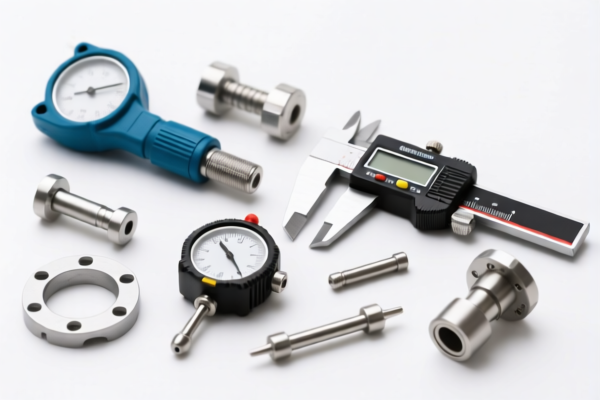
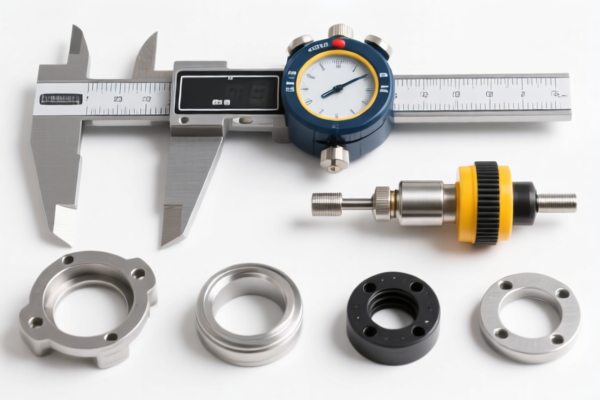
AI Analysis
📏 Measuring Instruments and Parts (Measurement Devices)
🌐 HS Code Reference & Customs Clearance Guide | 2026 Latest Tariff Analysis | Professional Entry Strategy
📌 I. Product Definition: What Are "Measuring Instruments"?
In international trade, "Measuring Instruments" is a broad category encompassing devices used to determine physical quantities such as length, temperature, pressure, force, or electrical properties. These range from simple handheld tools to complex industrial sensors.
The classification depends heavily on function, technology, and specific measurement type. Misclassification can lead to significant tariff shocks due to recent trade policies (Section 301, Section 232, and Section 122).
⚠️ Critical Distinction:
- Specialized Instruments (e.g., Thermometers, Pressure Gauges): Often have lower base duties but are subject to specific "Section 122" additional tariffs. - General Purpose Tools (e.g., Rulers, Calipers): Often classified under general instrument sections with higher base duties + Section 301 tariffs. - "Other" or "Niche" Instruments: Fall under residual categories, often attracting the highest combined tax rates.
📦 II. HS Code Classification Matrix (2026 Latest Data)
Based on the provided data, here is the precise breakdown for importing Measuring Instruments from China to the US.
| HS Code | Product Description & Summary | Key Characteristics | Total Tax Rate |
|---|---|---|---|
| 9031.20.00.00 | Measuring instruments, matching purpose; no material conflict | General purpose measurement devices not specified elsewhere | 36.7% |
| 9025.19.80.60 | Measuring instruments; belongs to the thermometer category | Temperature measurement devices (non-digital/non-mercury specific) | 35.0% |
| 9025.11.40.00 | Measuring instruments; consistent with thermometers/pressure gauges | Liquid-in-glass thermometers or simple analog pressure devices | 10.0% |
| 9017.30.80.00 | Measuring instruments; handheld length measurement category | Rulers, tape measures, calipers (manual/handheld) | 38.9% |
| 9031.80.80.85 | Measuring instruments; residual "Other" category for testing/inspection | Catch-all for instruments not fitting specific subheadings | 35.0% |
🔍 Analysis of the Data:
- Lowest Risk:9025.11.40.00has a significantly lower total tax rate (10.0%) because both Base Duty and Section 301 Duty are 0%, only carrying the 10% Section 122 tax.
- Highest Risk:9017.30.80.00has the highest total rate (38.9%) due to a 3.9% Base Duty + 25% Section 301 + 10% Section 122.
💰 III. Detailed Tariff Structure Breakdown (US Imports from China)
All rates below apply to Chinese-Origin (CN) goods entering the USA (US).
🎯 1. 9031.20.00.00 – General Measuring Instruments
| Item | Value | Source/Policy |
|---|---|---|
| Base Duty | 1.7% | USHTS General Rate |
| Section 301 Duty | 25.0% | USITC List 4 (China Tariffs) |
| Section 122 Duty | 10.0% | UFLPA/Trade Enforcement Adjustment |
| Total Effective Rate | 36.7% | High Cost Category |
📌 Explanation:
This code is a "general" category. It attracts the full weight of Section 301 tariffs (25%) on top of a small base duty. It is not exempt from any major trade war tariffs.
🎯 2. 9025.19.80.60 – Other Thermometers (Non-Analog Glass)
| Item | Value | Source/Policy |
|---|---|---|
| Base Duty | 0.0% | USHTS Free Rate |
| Section 301 Duty | 25.0% | USITC List 4 |
| Section 122 Duty | 10.0% | UFLPA/Trade Enforcement Adjustment |
| Total Effective Rate | 35.0% | Moderate-High Cost |
📌 Explanation:
While the base duty is 0%, the 25% Section 301 tariff still applies heavily. This is typical for electronic or digital thermometers that don't fit the "simple glass" category.
🎯 3. 9025.11.40.00 – Liquid-in-Glass Thermometers / Simple Pressure Gauges
| Item | Value | Source/Policy |
|---|---|---|
| Base Duty | 0.0% | USHTS Free Rate |
| Section 301 Duty | 0.0% | Exempt (Specific subcategory exclusion or lower list placement) |
| Section 122 Duty | 10.0% | UFLPA/Trade Enforcement Adjustment |
| Total Effective Rate | 10.0% | 💡 LOWEST COST OPTION |
📌 Critical Insight:
This is the only code in the provided list with 0% Section 301 Duty. This makes it highly attractive for cost-sensitive shipments. Ensure the product strictly fits the definition (e.g., simple analog devices, not complex digital sensors) to qualify.
🎯 4. 9017.30.80.00 – Handheld Length Measuring Instruments
| Item | Value | Source/Policy |
|---|---|---|
| Base Duty | 3.9% | USHTS General Rate |
| Section 301 Duty | 25.0% | USITC List 4 |
| Section 122 Duty | 10.0% | UFLPA/Trade Enforcement Adjustment |
| Total Effective Rate | 38.9% | HIGHEST COST |
📌 Explanation:
Handheld tools (rulers, tapes, calipers) often face the highest base duties (3.9%) combined with the standard 25% tariff. This results in the highest total burden among the listed codes.
🎯 5. 9031.80.80.85 – Other Measuring/Inspection Instruments
| Item | Value | Source/Policy |
|---|---|---|
| Base Duty | 0.0% | USHTS Free Rate |
| Section 301 Duty | 25.0% | USITC List 4 |
| Section 122 Duty | 10.0% | UFLPA/Trade Enforcement Adjustment |
| Total Effective Rate | 35.0% | Moderate-High Cost |
📌 Explanation:
This is the "residual" or "catch-all" code for instruments that don't fit specific niches. It behaves like the thermometer code (0% base, 25% + 10% tariffs).
🛠️ IV. Customs Clearance Practical Advice
✅ 1. Document Checklist (Mandatory)
| Document | Requirement | Reason |
|---|---|---|
| Product Specification Sheet | ✔️ Essential | Must clearly state measurement function (e.g., "Temperature" vs. "Length"). |
| Technical Diagrams | ✔️ Highly Recommended | Proves whether the device is "Handheld" (9017) or "Specialized Instrument" (9031/9025). |
| Commercial Invoice | ✔️ Mandatory | Description must match HS Code definition (e.g., do not call a "Thermometer" a "Sensor" if claiming 9025.11). |
| Certificate of Origin | ✔️ Mandatory | Must state China as origin to calculate Section 301/122 correctly. |
| Test Reports | ✔️ If Applicable | For medical or industrial precision instruments, calibration certificates may be requested. |
✅ 2. Strategic Classification Tips
🔥 Key Rule: "Function Dictates Code, Not Material."
| Scenario | Recommended HS Code | Why? | Tax Savings |
|---|---|---|---|
| Simple Analog Thermometer (Mercury/Glass/Alcohol) | 9025.11.40.00 |
Fits "Thermometer/Pressure Gauge" niche; 0% Sec 301. | Saves 25% vs. other thermometers. |
| Digital Thermometer | 9025.19.80.60 |
Electronic nature pushes it to "Other" category. | No savings vs. general, but correct. |
| Tape Measure / Ruler | 9017.30.80.00 |
Clearly "Handheld Length Measuring". | Highest tax, but unavoidable. |
| Complex Lab Device (e.g., pH Meter, Oscilloscope) | 9031.20.00.00 |
"Matching purpose" general category. | Standard high tax. |
| Niche Sensor (e.g., Gas leak detector) | 9031.80.80.85 |
Residual "Other" category. | Standard high tax. |
✅ 3. Section 122 & 301 Compliance
- Section 122 (10%): Applies to ALL Chinese-origin goods listed. It is an additional enforcement tariff. Ensure your broker accounts for this in your landed cost model.
- Section 301 (25%): Apply to
9031.20,9025.19,9017.30, and9031.80. DO NOT PAY THIS ON9025.11if correctly classified.
🌍 V. Global Market Comparison (Context)
| Country | HS Code Alignment | Approx. Tariff (China Origin) | Notes |
|---|---|---|---|
| 🇺🇸 USA | WHTS (Harmonized Tariff Schedule) | 10% - 38.9% | High volatility due to Sec 301/122. Classification accuracy is critical. |
| 🇨🇳 China | HS Code | 0% - 3.9% | Low import duties, but export taxes may apply depending on product type. |
| 🇪🇺 EU | CN Code | 0% - 6.5% | Generally lower than US. No Section 301 equivalent, but anti-dumping duties may apply to specific instruments. |
| 🇬🇧 UK | UK GTAR | 0% - 6.0% | Post-Brexit schedules. Similar to EU but with independent trade policies. |
📌 Conclusion:
The US market is the most expensive for Chinese measuring instruments due to layered tariffs.
Optimization Strategy:
1. If you sell simple analog thermometers, aggressively classify as9025.11.40.00to save 25%.
2. For complex instruments, budget for ~36-39% landed duty cost.
3. Avoid "Handheld Length" codes (9017) unless necessary, as they carry the highest base duty (3.9%).
📌 VI. Common Errors & Pitfalls (Lessons Learned)
❌ Error 1: Classifying a Digital Thermometer as 9025.11.40.00.
👉 Result: Customs rejects it because 9025.11 is typically for liquid-in-glass/simple analog. Digital devices go to 9025.19.
👉 Penalty: Pay 25% extra (Sec 301) + potential fines.
❌ Error 2: Calling a Laser Measure a "Ruler" to fit 9017.30.
👉 Result: Laser measures are often considered "Optical/Photoelectric instruments" and may fall under 9013 or 9031 depending on complexity.
👉 Penalty: Incorrect declaration leads to audit risks.
❌ Error 3: Ignoring Section 122.
👉 Result: Underpaying taxes. Even if Base and Sec 301 are 0%, the 10% Sec 122 still applies.
👉 Penalty: Underpayment penalties + interest.
✅ Correct Practice:
"Digital Infrared Thermometer, Model XYZ, Range -50°C to 500°C, Battery Powered, CE/FCC Certified" →
9025.19.80.60
🎯 VII. Final Recommendation
🎯 Memory Hook:
🔹 "Glass is Free (Sec 301), Plastic is Heavy (Base + 301)."
🔹 "Handheld Length = Highest Tax (3.9% Base)."
🔹 "Complex Instruments = Catch-All (9031.80)."
📌 Action Item:
1. Audit your product line: Identify if any "Simple Analog" instruments can be reclassified to 9025.11.40.00.
2. Update Invoice Descriptions: Ensure they are specific (e.g., "Liquid-in-Glass Thermometer") to support the lower-tariff code.
3. Consult a Customs Broker: For complex electronic instruments, request a Pre-Ruling from CBP to avoid disputes.
✨ Precision in Classification, Profit in Clearance!
💼 Don't let tariff layers eat your margin.
Customer Reviews
About HS Code Classification
The Harmonized System (HS) is an internationally standardized nomenclature developed by the World Customs Organization (WCO) to classify traded products. Over 200 countries use the HS system as the basis for customs tariffs, trade statistics, and import/export regulations.
Each HS code follows a hierarchical structure:
- Chapter (2 digits) — Broad category of goods (e.g., Chapter 84: Machinery and Mechanical Appliances)
- Heading (4 digits) — More specific grouping within the chapter
- Subheading (6 digits) — Internationally standardized breakdown, used by all WCO member countries
- National subdivisions (8-10 digits) — Country-specific extensions for further classification, such as US HTSUS 10-digit codes
Correct HS code classification is essential for smooth customs clearance, accurate duty payment, and compliance with trade regulations. Misclassification can lead to customs delays, overpayment of duties, or penalties.
When importing from CN to US, the applicable tariff rates may include:
- Most-Favored-Nation (MFN) rate — The standard duty rate applied to WTO members
- General rate — Applied to countries without trade agreements
- Trade remedy duties — Additional tariffs such as Section 301 (anti-dumping), Section 232 (national security), or countervailing duties
The information provided on this page is for reference purposes only. For official classification, please consult with your local customs authority or a licensed customs broker.