Meat Pressing Board
CN → US| HS Code | Tariff Rate | Origin | Destination | Doc |
|---|---|---|---|---|
| 7323999030 | 88.4% | CN | US | Official Doc |
| 4419110000 | 13.2% | CN | US | Official Doc |
| 4419909100 | 20.7% | CN | US | Official Doc |
| 7323999080 | 88.4% | CN | US | Official Doc |
| 4419110000 | 13.2% | CN | US | Official Doc |
Product Images

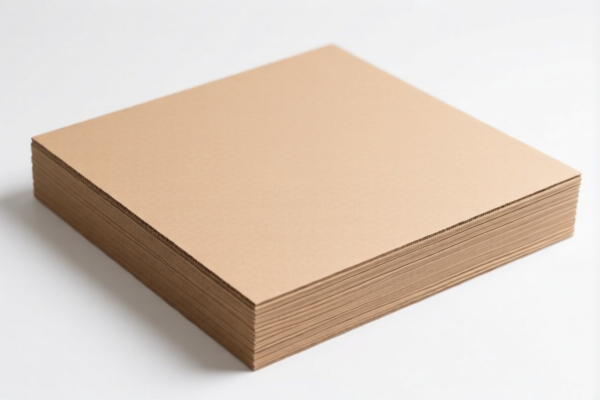
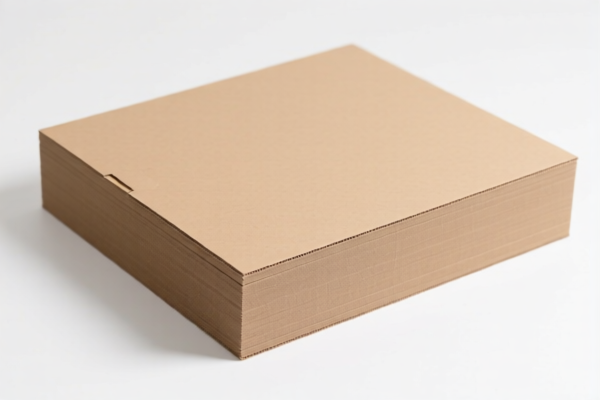
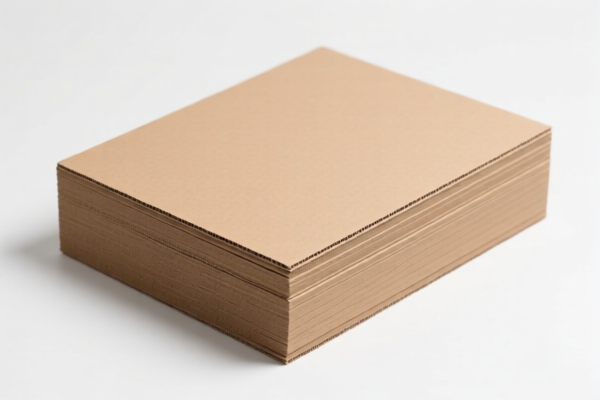
AI Analysis
🍽️ Meat Pressing Board (Cheese Press / Meat Press)
🌐 HS Code Reference & Customs Clearance Guide | 2026 Latest Tariff Analysis | Professional Clearance Strategy
📌 I. Product Definition & Classification: What Exactly is a "Meat Pressing Board"?
A Meat Pressing Board (also known as a Cheese Press or Meat Press) is a kitchen tool used to apply pressure to ground meat, cheese curds, or other food items. In international trade, its classification depends strictly on material composition and intended use.
Key Classification Logic:
- Wood/Bamboo: If the board is made of wood or bamboo, it falls under Chapter 44 (Wood and articles of wood).
- Metal: If the board is made of iron, steel, aluminum, or copper, it falls under Chapter 73 (Articles of iron or steel) or Chapter 74/78/79 depending on the specific metal.
- Plastic/Ceramic: (Not included in the provided data, but typically Chapter 39 or 69).
⚠️ Critical Distinction:
- The material is the primary driver for HS Code selection.
- Wood/Bamboo boards have significantly lower tariffs compared to Steel/Iron boards due to US trade policies (Section 301/122).
📦 II. HS Code Classification Details (2026 Latest Tariff Alignment)
| HS Code | Product Description | Material | Category |
|---|---|---|---|
4419.11.00.00 |
Meat Pressing Board, bamboo or wooden, similar to chopping board | Bamboo | Kitchen Utensil |
4419.90.91.00 |
Meat Pressing Board, wooden, kitchen utensils | Wood | Kitchen Utensil |
7323.99.90.80 |
Meat Pressing Board, iron/steel, kitchen tools | Steel/Aluminum/Copper | Other Kitchenware |
7323.99.90.30 |
Meat Pressing Board, iron/steel, household items | Iron/Steel | Household Item |
🔍 Key Insight:
- Wood/Bamboo (Ch 44): Total Tax ~13.2% - 20.7%
- Metal (Ch 73): Total Tax 88.4% (Extremely High!)
- Why the huge difference? Metal kitchenware from China is subject to heavy "Section 301" and "Section 122" tariffs, while wood products face significantly lower additional duties.
💰 III. 2026 Latest Tariff Rate Breakdown (Including Additional Taxes)
✅ Applicable Country: United States (US)
✅ Origin: China (CN)
✅ Effective Time: 2025/2026 Import Cycle
🎯 1. 4419.11.00.00 – Meat Pressing Board (Bamboo)
| Item | Content |
|---|---|
| Base Tariff | 3.2% |
| Additional Tariff | 0.0% |
| Section 122 Tariff | 10% |
| Total Tax Rate | 13.2% |
| Tax Calculation | CIF Value × 13.2% |
| De Minimis Exemption | ❌ Not Eligible (Deny de minimis for Section 122) |
| Legal Basis | Base Duty + Section 122 (10%) |
📌 Explanation:
- Bamboo products are classified under4419.11.
- Only a 10% Section 122 tariff applies.
- No Section 301 (25%) or other high additional tariffs.
- Cost Advantage: This is the most cost-effective option for imports.
🎯 2. 4419.90.91.00 – Meat Pressing Board (Wood)
| Item | Content |
|---|---|
| Base Tariff | 3.2% |
| Additional Tariff | 7.5% |
| Section 122 Tariff | 10% |
| Total Tax Rate | 20.7% |
| Tax Calculation | CIF Value × 20.7% |
| De Minimis Exemption | ❌ Not Eligible |
| Legal Basis | Base Duty + Additional Duty (7.5%) + Section 122 (10%) |
📌 Explanation:
- Wooden boards fall under4419.90.91.
- Subject to an additional 7.5% tariff (likely Section 301 related) + 10% Section 122.
- Total 20.7%, still significantly cheaper than metal alternatives.
🎯 3. 7323.99.90.80 & 7323.99.90.30 – Meat Pressing Board (Iron/Steel/Aluminum/Copper)
| Item | Content |
|---|---|
| Base Tariff | 3.4% |
| Additional Tariff | 25.0% |
| Section 122 Tariff | 10% |
| Steel/Aluminum/Copper Surcharge | 50% |
| Total Tax Rate | 88.4% |
| Tax Calculation | CIF Value × 88.4% |
| De Minimis Exemption | ❌ Not Eligible |
| Legal Basis | Base Duty + Section 301 (25%) + Section 122 (10%) + Section 232 (50%) |
📌 Warning:
- Huge Penalty! Metal kitchenware from China is hit with multiple layers of tariffs:
- 25% (Section 301)
- 10% (Section 122)
- 50% (Section 232 – Steel/Aluminum)
- Total Tax: 88.4%
- Recommendation: AVOID importing metal meat pressing boards from China to the US unless you have a specific exemption or are willing to absorb the massive cost.
🛠️ IV. Customs Clearance Practical Advice (Avoid Pitfalls)
✅ 1. Documentation Checklist
| Document | Required | Notes |
|---|---|---|
| Product Specification | ✔️ | Clearly state material: Bamboo, Wood, or Metal. |
| Product Photos | ✔️ | Show the material texture clearly. |
| Commercial Invoice | ✔️ | Describe as "Meat Pressing Board, Bamboo/Wood/Metal". |
| Packing List | ✔️ | List quantity and weight. |
| HS Code Pre-Ruling | ✔️ | Recommended to confirm material classification. |
✅ 2. Classification Strategy (The Golden Rule)
| Scenario | Recommended HS Code | Tax Rate | Why? |
|---|---|---|---|
| Bamboo Board | 4419.11.00.00 |
13.2% | Lowest tax, clear bamboo classification. |
| Wooden Board | 4419.90.91.00 |
20.7% | Moderate tax, standard wooden kitchenware. |
| Steel/Iron Board | 7323.99.90.80 |
88.4% | High Tax! Avoid if possible. |
| Aluminum/Copper Board | 7323.99.90.80 |
88.4% | High Tax! Subject to metal surcharge. |
🔥 Pro Tip:
- If your product is wooden, ensure it’s not mistakenly classified as metal.
- If your product is bamboo, use4419.11.00.00to save 75% in taxes compared to steel!
- Never declare a bamboo board as "steel" – customs will verify and penalize.
✅ 3. Special Cases
| Case | Handling Advice |
|---|---|
| Mixed Material (Wood + Metal Handle) | Still classified as wooden (4419.90.91.00) if wood is the main component. |
| Stainless Steel Board | Classified as steel (7323.99.90.80) → 88.4% Tax. |
| OEM/Private Label | No special tax benefits; material still dictates classification. |
| Gift Sets (Board + Knife) | May require split declaration if knife is metal – consult a broker. |
🌍 V. Global Market Comparison (2026)
| Country | Recommended HS Code | Tax Rate | Notes |
|---|---|---|---|
| 🇺🇸 USA | 4419.11.00.00 (Bamboo) |
13.2% | Best for bamboo; steel is 88.4% |
| 🇺🇸 USA | 4419.90.91.00 (Wood) |
20.7% | Moderate tax for wood |
| 🇺🇸 USA | 7323.99.90.80 (Metal) |
88.4% | Avoid due to high tariffs |
| 🇨🇳 China | 4419.11.00.00 |
5-10% | Lower import duties |
| 🇪🇺 EU | 4419.11.00.00 |
0% | No tariffs on bamboo kitchenware |
| 🇬🇧 UK | 4419.11.00.00 |
0% | Post-Brexit trade agreement benefits |
📌 Conclusion:
- USA imposes heavy tariffs on metal kitchenware from China.
- Bamboo is the most tariff-efficient material for the US market.
- EU/UK offer zero tariffs for bamboo/wooden kitchenware, making them ideal destinations.
📌 VI. Common Mistakes & Pitfalls
❌ Mistake 1: Declaring a metal board as wood
👉 Consequence: Customs inspection reveals mismatch → Fine + Back Taxes + Penalty
❌ Mistake 2: Using bamboo board but declaring under wood (4419.90.91.00)
👉 Consequence: Overpaying tax (13.2% vs 20.7%) → Lost Profit
❌ Mistake 3: Ignoring Section 122 tariffs
👉 Consequence: Underestimating total tax cost → Cash Flow Issues
❌ Mistake 4: Not declaring material composition clearly
👉 Consequence: Customs delays, additional duties, or rejection
✅ Correct Approach:
“Bamboo Meat Pressing Board, Model XYZ, 100% Bamboo, Kitchen Use, No Metal Parts”
🎯 VII. Conclusion: Smart Classification, Maximum Profit!
🎯 Remember:
🔹 "Bamboo 13%, Wood 20%, Steel 88% – Choose wisely!"
🔹 "Material is King – Get it right, save thousands!"
📌 Tips:
- If you’re importing metal boards, consider sourcing from Vietnam or India to avoid Section 301/232 tariffs.
- Pre-ruling with US Customs (CBP) is highly recommended for high-value shipments.
- Clear documentation of material composition is critical to avoid audits.
📣 Immediate Action:
📞 Contact a licensed customs broker + Provide product specs + Request HS Code pre-ruling
🚀 Maximize profit, minimize risk, clear smoothly!
✨ Professional Clearance Starts with Accurate Classification!
💼 Every cent counts in global trade!
Customer Reviews
About HS Code Classification
The Harmonized System (HS) is an internationally standardized nomenclature developed by the World Customs Organization (WCO) to classify traded products. Over 200 countries use the HS system as the basis for customs tariffs, trade statistics, and import/export regulations.
Each HS code follows a hierarchical structure:
- Chapter (2 digits) — Broad category of goods (e.g., Chapter 84: Machinery and Mechanical Appliances)
- Heading (4 digits) — More specific grouping within the chapter
- Subheading (6 digits) — Internationally standardized breakdown, used by all WCO member countries
- National subdivisions (8-10 digits) — Country-specific extensions for further classification, such as US HTSUS 10-digit codes
Correct HS code classification is essential for smooth customs clearance, accurate duty payment, and compliance with trade regulations. Misclassification can lead to customs delays, overpayment of duties, or penalties.
When importing from CN to US, the applicable tariff rates may include:
- Most-Favored-Nation (MFN) rate — The standard duty rate applied to WTO members
- General rate — Applied to countries without trade agreements
- Trade remedy duties — Additional tariffs such as Section 301 (anti-dumping), Section 232 (national security), or countervailing duties
The information provided on this page is for reference purposes only. For official classification, please consult with your local customs authority or a licensed customs broker.