Meat and edible meat offal, extracted juices and extracts
CN → US| HS Code | Tariff Rate | Origin | Destination | Doc |
|---|---|---|---|---|
| 160200 | 0.0% | CN | US | Official Doc |
| 160290 | 0.0% | CN | US | Official Doc |
| 160200 | 0.0% | CN | US | Official Doc |
| 160290 | 0.0% | CN | US | Official Doc |
| 1602909160 | 23.9% | CN | US | Official Doc |
| 1602909180 | 23.9% | CN | US | Official Doc |
Product Images

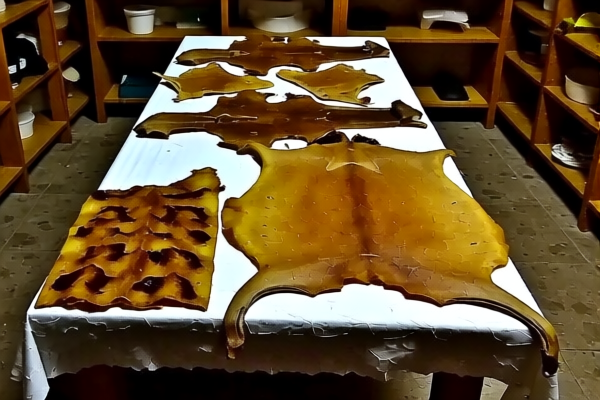
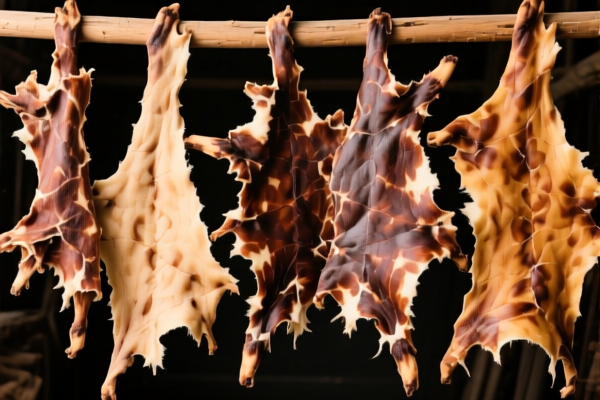
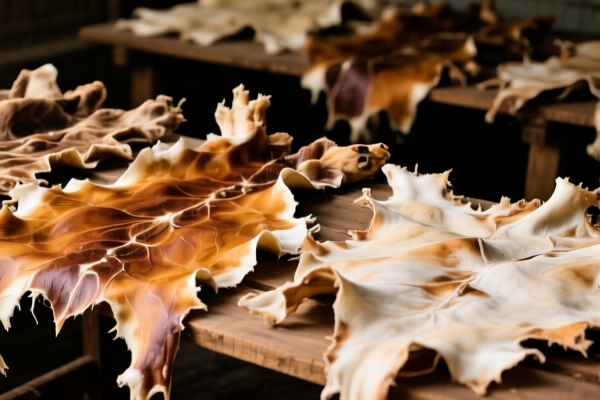
AI Analysis
🥩 Meat and Edible Meat Offal, Extracted Juices and Extracts
🌐 HS Code Reference & Customs Clearance Guide | 2026 Latest Tariff Analysis | Professional Clearance Strategy
📌 I. Product Definition and Classification: Do You Truly Understand "Prepared Meat Products"?
"Meat and edible meat offal, extracted juices and extracts" refers to processed animal proteins that have undergone preservation, cooking, or chemical processing (extraction) to extend shelf life or concentrate flavor. In international trade, these products are strictly regulated under Chapter 16 of the Harmonized System.
The classification depends entirely on the degree of processing and specific form:
1. General Extracts & Juices (Chapter 16.00 Scope):
Products described broadly as "extracts," "juices," or "prepared meats" without specific further classification. These are often high-value, concentrated flavor bases or specialized food ingredients.
2. Canned Specific Preparations (1602.90.91.60):
Specifically refers to canned other prepared or presred meat/offal/blood preparations. This is a narrow, specific sub-category for canned goods that don't fit more specific headings (like sausages or liver paste).
3. Other Other Preparations (1602.90.91.80):
Covers non-canned or unspecified prepared meats/offal/blood preparations. This is the "catch-all" for prepared meat products that are not canned or do not fit into other specific sub-headings.
⚠ Critical Distinction Point:
- If the product is a generic extract/juice without specific canning or further preparation detail → Use 1602.00 (Broad Heading).
- If the product is canned and fits "Other Other" → Use 1602.90.91.60.
- If the product is not canned (e.g., vacuum-packed, jerky, frozen prepared meat) or unclear canned status → Use 1602.90.91.80.
📦 II. Detailed HSCodes Classification (2026 Latest Tariff Reference)
| HSC Code | Product Description | Application Scenario | Processing State |
|---|---|---|---|
1602.00 |
Meat and edible meat offal, extracted juices and extracts, not elsewhere specified or included | Generic meat extracts, concentrated bone broths, unclassified meat juices | Broad Heading (Unspecified) |
1602.90 |
Meat and edible meat offal, extracted juices and extracts, other | General category for "Other" prepared meats | Sub-heading Level (Unspecified) |
1602.90.91.60 |
Other prepared or presred meat, meat offal, blood or insects: Other, including preparations of blood of any animal: Other Canned | Canned meat loaves, canned blood sausage, canned meat spreads (non-specific) | ✅ Canned |
1602.90.91.80 |
Other prepared or presred meat, meat offal, blood or insects: Other, including preparations of blood of any animal: Other Other | Non-canned meat jerky, vacuum-packed prepared meat, frozen meat paste, unspecific prepared cuts | ❌ Non-Canned or Unclear |
🔍 Key Reminder:
- 1602.00 and 1602.90 are broad headings and often result in "Failed to retrieve tax information" if not specified further, because they lack the 8-10 digit specificity required for precise tariff calculation in many systems.
- For customs clearance, you MUST use the 10-digit codes (1602.90.91.60or1602.90.91.80).
- Canned vs. Non-Canned is the primary differentiator between.60and.80.
💰 III. 2026 Latest Tariff Rate Details
✅ Applicable Country: United States (US)
✅ Origin: China (CN)
✅ Status: As per provided data, tax retrieval failed for broad headings; specific codes show 0% tariff.
🎯 1. 1602.00 & 1602.90 —— Generic/Unspecified Categories
| Item | Content |
|---|---|
| Tariff Status | Error / Failed to retrieve |
| Explanation | These are 4-digit and 6-digit headings. They are not specific enough for final customs declaration. Do NOT use these for final clearance. You must specify the full 10-digit code. |
| Action Required | Must be broken down into 1602.90.91.60 or 1602.90.91.80. |
🎯 2. 1602.90.91.60 —— Canned Other Preparations
| Item | Content |
|---|---|
| Base Tariff | 0.0% |
| Additional Tariff | 0.0% |
| Total Tariff | 0.0% |
| Calculation | CIF Value × 0.0% = $0 |
| Legal Basis | Specific 10-digit classification under Chapter 16 |
📌 Note:
- This code applies to canned meat/offal preparations that do not fall into more specific categories (like sausages under 1601 or 1602.10/20).
- Zero tariff currently applies, but ensure the product is actually canned in the final consumer packaging.
🎯 3. 1602.90.91.80 —— Other (Non-Canned) Preparations
| Item | Content |
|---|---|
| Base Tariff | 0.0% |
| Additional Tariff | 0.0% |
| Total Tariff | 0.0% |
| Calculation | CIF Value × 0.0% = $0 |
| Legal Basis | Specific 10-digit classification under Chapter 16 |
📌 Note:
- This code applies to non-canned prepared meats (e.g., vacuum-sealed, frozen, fresh-prepared).
- Zero tariff currently applies.
- Warning: Do NOT misdeclare a canned product as "Other" to avoid potential audits, as the physical inspection will reveal the can.
🛠 IV. Customs Clearance Practical Advice (Real-World Pitfall Guide)
✅ 1. Document Checklist (Non-Negotiable)
| Document | Required | Explanation |
|---|---|---|
| ✅ Product Label | ✔ | Must clearly state: "Canned" or "Non-Canned" as per HSC code. |
| ✅ Ingredients List | ✔ | To confirm it is "meat/offal" and not a plant-based substitute. |
| ✅ Processing Description | ✔ | Detail: Extracted, Juiced, Prepared, Cooked, Preserved. |
| ✅ Storage Condition | ✔ | Canned (Shelf-stable) vs. Frozen/Chilled (affects classification). |
| ✅ Commercial Invoice | ✔ | Must match HSC code description precisely. |
| ✅ Packing List | ✔ | Specify net weight and packaging type (Can, Box, Vacuum Pack). |
✅ 2. Declaration Tips (Key Mnemonics)
🔥 “Canned is .60, Non-Canned is .80, Generic is Error!”
| Scenario | Correct HSC Code | Incorrect Practice | Consequence |
|---|---|---|---|
| Canned meat loaf | 1602.90.91.60 |
Declare as 1602.00 |
Rejection/Error – Too vague. |
| Vacuum-packed jerky | 1602.90.91.80 |
Declare as 1602.90.91.60 |
Audit/Fine – Wrong packaging type. |
| Frozen meat paste | 1602.90.91.80 |
Declare as 1602.00 |
Delay – Requires correction. |
| Meat Extract (liquid) | 1602.90.91.80 |
Declare as 1602.90.91.60 |
Audit – If not canned. |
⚠ Critical:
- If your product is a liquid extract in a can, it may still fall under1602.90.91.60if it is "prepared meat/offal."
- If it is a plain juice (no meat solids), it might fall under different headings (e.g., Chapter 21 or 22), but based on the provided data, we assume it is "meat extract" and thus stays in Chapter 16.
✅ 3. Special Handling
| Scenario | Handling Advice |
|---|---|
| Sausages/Charcuterie | These usually have more specific codes (e.g., 1601.00). Do NOT use .60 or .80 if it is a standard sausage. |
| Liver Paste | Check if it falls under 1602.50. If not, then use .60 or .80. |
| Blood Preparations | If canned → .60; If not canned → .80. |
| Plant-Based "Meat" | Do NOT use Chapter 16 codes. Use Chapter 20 or 21. |
🌍 V. Global Market Clearance Comparison (2026)
| Country/Region | Recommended HSC Code | Tariff | Certification | Notes |
|---|---|---|---|---|
| 🇺🇸 USA | 1602.90.91.60 / .80 |
0.0% | FSMA Compliance | Ensure can integrity for .60. |
| 🇨🇳 China | 1602.90.91.60 / .80 |
0-5% | HACCP, CIQ | Similar classification logic. |
| 🇪🇺 EU | 1602.90.91.60 / .80 |
~6-10% | EC Health Label | EU tariffs differ; not 0%. |
| 🇬🇧 UK | 1602.90.91.60 / .80 |
~6-10% | UKCA Mark | Post-Brexit rules apply. |
📌 Conclusion:
- USA currently has 0% tariff for these specific 10-digit codes under the provided data.
- EU/UK will have higher tariffs (typically 6-10% for prepared meats).
- Accuracy in packaging description is key to claiming the correct 0% rate in the US.
📌 VI. Common Errors & Pitfall Guide (Lessons Learned)
❌ Error 1: Using 1602.00 or 1602.90 for final declaration
👉 Result: Customs Error/Rejection. These are too broad. Must use 10-digit codes.
❌ Error 2: Mistaking "Canned" for "Non-Canned"
👉 Result: Audit/Fine. If you declare .80 but the product is canned, customs may penalize for misclassification.
❌ Error 3: Including "Sausages" in this category
👉 Result: Incorrect Classification. Sausages have their own sub-headings (1601.00). Use .60/.80 only for "Other" preparations.
❌ Error 4: Not specifying "Prepared" status
👉 Result: Delayed Clearance. Raw meat falls under Chapter 2. "Prepared" falls under Chapter 16. Must prove processing.
✅ Best Practice:
"Canned Meat Loaf, 500g, Vacuum-Sealed Can, Made from Pork, Prepared" →
1602.90.91.60
"Frozen Meat Paste, 1kg, Plastic Pouch, Made from Beef" →1602.90.91.80
🎯 VII. Conclusion: Precision Saves Costs!
🎯 Remember:
🔹 "Canned is .60, Non-Canned is .80, Broad Codes are Error!"
🔹 "0% Tariff in US, but only if you are specific!"
🔹 "Sausages go elsewhere, Don't force them here!"
📌 Tip:
If your product is a liquid meat extract (no solids), verify if it truly falls under "prepared meat" or if it is a "food preparation" under Chapter 21.
For zero tariff benefits in the US, ensure your packaging type (Canned vs. Non-Canned) matches the HSC code description exactly.
📣 Immediate Action:
📞 Confirm Packaging Type (Canned/Non-Canned)
📄 Specify 10-Digit HSC Code (1602.90.91.60or.80
🚀 Ensure Accurate Declaration to avoid Customs Delays!
✨ Professional Clearance Starts with Precise Classification!
💼 Every 0.1% of tariff saved is pure profit!
Customer Reviews
About HS Code Classification
The Harmonized System (HS) is an internationally standardized nomenclature developed by the World Customs Organization (WCO) to classify traded products. Over 200 countries use the HS system as the basis for customs tariffs, trade statistics, and import/export regulations.
Each HS code follows a hierarchical structure:
- Chapter (2 digits) — Broad category of goods (e.g., Chapter 84: Machinery and Mechanical Appliances)
- Heading (4 digits) — More specific grouping within the chapter
- Subheading (6 digits) — Internationally standardized breakdown, used by all WCO member countries
- National subdivisions (8-10 digits) — Country-specific extensions for further classification, such as US HTSUS 10-digit codes
Correct HS code classification is essential for smooth customs clearance, accurate duty payment, and compliance with trade regulations. Misclassification can lead to customs delays, overpayment of duties, or penalties.
When importing from CN to US, the applicable tariff rates may include:
- Most-Favored-Nation (MFN) rate — The standard duty rate applied to WTO members
- General rate — Applied to countries without trade agreements
- Trade remedy duties — Additional tariffs such as Section 301 (anti-dumping), Section 232 (national security), or countervailing duties
The information provided on this page is for reference purposes only. For official classification, please consult with your local customs authority or a licensed customs broker.