Mechanical Parts Not Elsewhere Classified
CN → US| HS Code | Tariff Rate | Origin | Destination | Doc |
|---|---|---|---|---|
| 8487900080 | 88.9% | CN | US | Official Doc |
| 8487900040 | 38.9% | CN | US | Official Doc |
| 8431499084 | 85.0% | CN | US | Official Doc |
| 8431499044 | 0.0% | CN | US | Official Doc |
| 8483908090 | 0.0% | CN | US | Official Doc |
| 8483308070 | 39.5% | CN | US | Official Doc |
Product Images
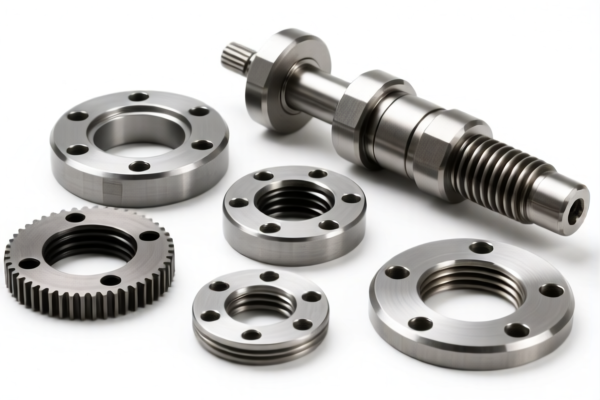
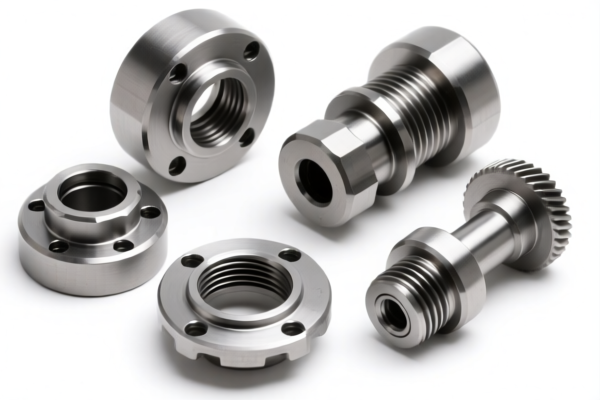
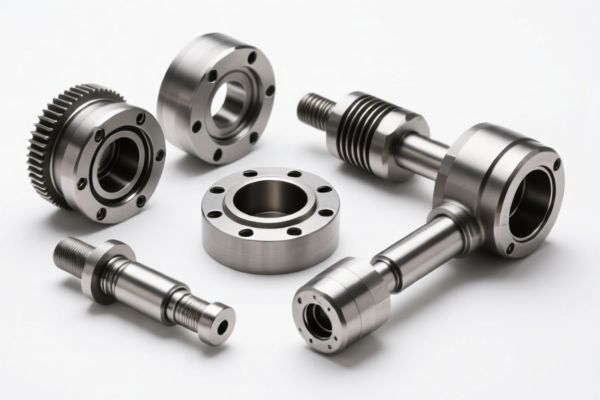
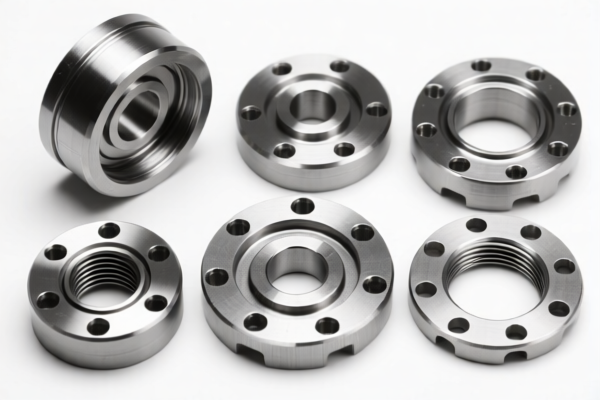
AI Analysis
🏗️ Mechanical Parts Not Elsewhere Classified (Machinery Components)
🌐 HS Code Reference & Customs Clearance Guide | 2026 Latest Tariff Analysis | Professional Clearance Strategy
📌 I. Product Definition: What Are "Machinery Parts Not Elsewhere Classified"?
Mechanical parts not elsewhere classified (NEC) refer to non-electrical components essential for the operation, maintenance, or assembly of various industrial machinery, agricultural equipment, and construction vehicles. These parts exclude those containing electrical connectors, insulators, coils, or contacts (which fall under Chapter 85) and are not specifically named in other chapters.
Key characteristics of these parts: * Non-Electrical: No active electronic components, sensors, or wiring harnesses. * Mechanical Function: Designed for transmission, bearing, sealing, or structural support. * Specificity: Must not be listed in other specific headings (e.g., specific tools, weapons, or furniture parts).
⚠️ Critical Distinction:
- If the part contains electrical features (wires, contacts, insulators) → It likely belongs to Chapter 85 (Electrical Machinery).
- If the part is a general-purpose fastener (screws, bolts) → It may belong to Chapter 73.
- If the part is specific to a machine (e.g., a bucket for an excavator) → It belongs to Chapter 84.
📦 II. HS Code Classification Details (Based on Provided Data)
| HS Code | Product Description | Applicable Scenario | Key Features |
|---|---|---|---|
8487.90.00.80 |
Machinery parts, NEC, Other | General mechanical assemblies, frames, casings | No electrical features; not specified elsewhere |
8487.90.00.40 |
Oil Seals (Machinery Parts) | Sealing components for engines, pumps, gearboxes | Specific to sealing; excludes rubber seals (Ch. 40) |
8431.49.90.84 |
Road Wheels (Parts of 8426/8429/8430) | Undercarriage parts for bulldozers, graders, scrapers | Specific to heavy earth-moving machinery |
8431.49.90.44 |
Parts of Backhoes, Shovels, Clamshells, Draglines | Attachments or internal components for excavators | Specific to digging/loading machinery |
8483.90.80.90 |
Transmission Elements (Sprockets, Gears) | Power transmission components | Separate toothed wheels, chain sprockets, shafts |
8483.30.80.70 |
Plain Shaft Bearings (Spherical) | Bearing housings or plain bearings without housing | Spherical design; for smooth rotational movement |
🔍 Important Note:
-8487.90is a "catch-all" for machinery parts not specified elsewhere in Chapter 84.
-8431is specific to parts suitable for use solely or principally with machinery of headings 8425–8430 (lifting, handling, excavation machinery).
-8483covers transmission components (gears, shafts, bearings) presented separately.
💰 III. 2026 Latest Tariff Rate Details (Detailed Breakdown)
✅ Applicable Country: United States (US)
✅ Country of Origin: China (CN)
✅ Effective Date: 2025–2026 (Subject to ongoing trade policies)
🎯 1. 8487.90.00.80 – Machinery Parts, NEC, Other
| Item | Detail |
|---|---|
| Base Tariff | 3.9% |
| Additional Tariff (Section 301) | +25.0% |
| Steel/Aluminum/Copper Surcharge | +50.0% (If applicable) |
| Total Tariff | 78.9% (Standard) 103.9% (If Steel/Al/Cu) |
| Tax Calculation | CIF Value × Total Rate |
| Legal Basis | USITC:8487.90.00.80 + Section 301 |
📌 Explanation:
- This is a high-tariff category due to Section 301 retaliatory tariffs on Chinese machinery parts.
- If the part is made of steel, aluminum, or copper, an additional 50% surcharge applies on top of the 25%, resulting in a total effective rate of up to 103.9%.
- Cost Impact: Significant. Importers must carefully assess material composition.
🎯 2. 8487.90.00.40 – Oil Seals (Machinery Parts)
| Item | Detail |
|---|---|
| Base Tariff | 3.9% |
| Additional Tariff (Section 301) | +25.0% |
| Total Tariff | 28.9% |
| Tax Calculation | CIF Value × 28.9% |
| Legal Basis | USITC:8487.90.00.40 + Section 301 |
📌 Explanation:
- Oil seals are explicitly classified under this code if they are not of rubber (which would be Ch. 40).
- The 28.9% rate is significantly lower than the 78.9% for general mechanical parts, but still substantial.
- No additional steel/aluminum surcharge applies unless the seal housing is metallic and declared separately.
🎯 3. 8431.49.90.84 – Road Wheels (for Excavation/Construction Machinery)
| Item | Detail |
|---|---|
| Base Tariff | 0.0% |
| Additional Tariff (Section 301) | +25.0% |
| Steel/Aluminum/Copper Surcharge | +50.0% |
| Total Tariff | 75.0% (Standard) 100.0% (If Steel/Al/Cu) |
| Tax Calculation | CIF Value × Total Rate |
| Legal Basis | USITC:8431.49.90.84 + Section 301 |
📌 Explanation:
- Road wheels are critical components for bulldozers, graders, and scrapers.
- Despite a 0% base rate, the 25% Section 301 tariff applies.
- Critical: If the wheels are made of steel or aluminum, the 50% surcharge applies, leading to a total rate of 75–100%.
- Material Declaration is Key: Accurate material description is vital to avoid unexpected duties.
🎯 4. 8431.49.90.44 – Parts of Backhoes, Shovels, Clamshells, Draglines
| Item | Detail |
|---|---|
| Base Tariff | Information Not Available |
| Additional Tariff | Information Not Available |
| Total Tariff | Error / Data Missing |
| Note | ⚠️ Cannot Determine Exact Rate |
📌 Explanation:
- The provided data indicates "Failed to retrieve tax information".
- Action Required: Importers must consult a licensed customs broker or use the USITC Database directly, as this specific subheading may have dynamic or restricted tariff data.
- Risk: High uncertainty. Pre-classification ruling is strongly recommended.
🎯 5. 8483.90.80.90 – Transmission Elements (Gears, Sprockets)
| Item | Detail |
|---|---|
| Base Tariff | Information Not Available |
| Additional Tariff | Information Not Available |
| Total Tariff | Error / Data Missing |
| Note | ⚠️ Cannot Determine Exact Rate |
📌 Explanation:
- Similar to above, tax data is unavailable in the provided source.
- These parts (toothed wheels, chain sprockets) are generally subject to Section 301 tariffs, but the exact rate must be verified.
- Recommendation: Assume a minimum of 25% additional tariff on top of the base rate until confirmed.
🎯 6. 8483.30.80.70 – Spherical Plain Shaft Bearings
| Item | Detail |
|---|---|
| Base Tariff | 4.5% |
| Additional Tariff (Section 301) | +25.0% |
| Total Tariff | 29.5% |
| Tax Calculation | CIF Value × 29.5% |
| Legal Basis | USITC:8483.30.80.70 + Section 301 |
📌 Explanation:
- Spherical plain bearings are precision mechanical components.
- The 29.5% rate is moderate compared to general machinery parts.
- No steel/aluminum surcharge is indicated for this specific bearing type unless the housing is separately declared.
🛠️ IV. Customs Clearance Practical Advice (Actionable Guide)
✅ 1. Documentation Checklist (Mandatory)
| Document | Required | Purpose |
|---|---|---|
| ✅ Product Specification Sheet | ✔️ | Details material composition (steel, aluminum, etc.) |
| ✅ Technical Drawings | ✔️ | Confirms mechanical nature (no electrical parts) |
| ✅ Commercial Invoice | ✔️ | Must clearly state "Machinery Parts, NEC" or specific description |
| ✅ Packing List | ✔️ | Itemize parts; avoid mixed containers with electrical goods |
| ✅ Material Certificates | ✔️ | Proof of steel/aluminum content (for surcharge assessment) |
| ✅ Country of Origin Certificate | ✔️ | Essential for Section 301 application |
✅ 2. Classification Strategy (Key Tips)
🔥 “Material Matters, Function Defines, Section 301 Applies!”
| Scenario | Correct Classification | Pitfall to Avoid |
|---|---|---|
| General Mechanical Part | 8487.90.00.80 |
Misclassifying as electrical part → Wrong Chapter 85 code |
| Oil Seal (Non-Rubber) | 8487.90.00.40 |
Classifying as rubber seal (Ch. 40) → Lower tariff but incorrect |
| Road Wheel (Steel) | 8431.49.90.84 |
Ignoring steel surcharge → Underpayment + Penalty |
| Bearing (Spherical) | 8483.30.80.70 |
Classifying as generic bearing (Ch. 84) → Different rate |
📌 Critical Tip:
- Always declare material composition. If a part is 80% steel, it may trigger the 50% surcharge.
- Separate Electrical Parts: If a machine part has both mechanical and electrical components, declare them separately if possible to avoid misclassification.
✅ 3. Special Considerations
| Situation | Recommendation |
|---|---|
| Mixed Shipment | Ship mechanical parts and electrical parts in separate containers to avoid complex classification |
| OEM Parts | Provide OEM drawings and customer PO to prove "solely for use with" specific machinery |
| Used Parts | Declare as "Used" if applicable; ensure no hazardous materials (oil residue) |
Uncertain Tariff (8431.49.90.44, 8483.90.80.90) |
Apply for an Advance Ruling from CBP before shipment to mitigate risk |
🌍 V. Global Market Comparison (2026 Overview)
| Country/Region | HS Code Focus | Tariff Rate | Certification | Notes |
|---|---|---|---|---|
| 🇺🇸 USA | 8487.90, 8431.49, 8483.30 |
28.9% – 103.9% | N/A | High Section 301 tariffs; steel surcharge applies |
| 🇨🇳 China | 8487.90, 8431.49, 8483.30 |
Varies (0–5%) | CCC (if applicable) | No Section 301; lower entry barriers |
| 🇪🇺 EU | 8487.90, 8431.49, 8483.30 |
0–4% | CE (if machinery) | No retaliatory tariffs on mechanical parts |
| 🇯🇵 Japan | 8487.90, 8431.49, 8483.30 |
0–3% | PSE (if electrical) | Low tariffs; focus on quality standards |
📌 Conclusion:
- USA is the most challenging market due to high Section 301 tariffs and steel surcharges.
- EU and Japan offer more favorable tariff environments for mechanical parts.
- Supply Chain Strategy: Consider sourcing mechanical parts from non-US-tariffed countries (e.g., Vietnam, Mexico) if possible.
📌 VI. Common Mistakes & Pitfalls (Lessons Learned)
❌ Mistake 1: Ignoring material composition (steel/aluminum)
👉 Consequence: 50% surcharge applied unexpectedly → Cost overrun!
❌ Mistake 2: Misclassifying oil seals as rubber parts (Ch. 40)
👉 Consequence: Correct code is 8487.90.00.40; misclassification leads to rejection or penalty.
❌ Mistake 3: Failing to declare electrical features separately
👉 Consequence: If a part has both mechanical and electrical components, it may be classified under Chapter 85, which has different tariffs.
❌ Mistake 4: Assuming all machinery parts have the same tariff
👉 Consequence: Rates vary from 0% to 103.9% depending on HS subheading and material.
✅ Correct Approach:
"Steel Road Wheel for Bulldozer, Model XYZ, No Electrical Components, Made in China"
🎯 VII. Conclusion: Precision Classification, Cost Control
🎯 Remember:
🔹 "Mechanical NEC? Check Chapter 84.
🔹 "Electrical? Chapter 85. Don't mix them!
🔹 "Steel/Al? Watch the 50% Surcharge!
🔹 "Oil Seals? Code .40, not rubber!"
📌 Pro Tip:
For codes with missing tax data (
8431.49.90.44,8483.90.80.90), always apply for a Customs Ruling before importing.
Use the USITC Harmonized Tariff Schedule (HTS) database for real-time updates.
📣 Immediate Action:
📞 Contact a Licensed Customs Broker
📄 Prepare Technical Drawings & Material Certificates
🚀 Ensure Accurate HS Code Classification to Avoid Delays & Penalties
✨ Professional clearance starts with precise classification!
💼 Your bottom line depends on it!
Customer Reviews
About HS Code Classification
The Harmonized System (HS) is an internationally standardized nomenclature developed by the World Customs Organization (WCO) to classify traded products. Over 200 countries use the HS system as the basis for customs tariffs, trade statistics, and import/export regulations.
Each HS code follows a hierarchical structure:
- Chapter (2 digits) — Broad category of goods (e.g., Chapter 84: Machinery and Mechanical Appliances)
- Heading (4 digits) — More specific grouping within the chapter
- Subheading (6 digits) — Internationally standardized breakdown, used by all WCO member countries
- National subdivisions (8-10 digits) — Country-specific extensions for further classification, such as US HTSUS 10-digit codes
Correct HS code classification is essential for smooth customs clearance, accurate duty payment, and compliance with trade regulations. Misclassification can lead to customs delays, overpayment of duties, or penalties.
When importing from CN to US, the applicable tariff rates may include:
- Most-Favored-Nation (MFN) rate — The standard duty rate applied to WTO members
- General rate — Applied to countries without trade agreements
- Trade remedy duties — Additional tariffs such as Section 301 (anti-dumping), Section 232 (national security), or countervailing duties
The information provided on this page is for reference purposes only. For official classification, please consult with your local customs authority or a licensed customs broker.