Mechanical and Machinery Parts
CN → US| HS Code | Tariff Rate | Origin | Destination | Doc |
|---|---|---|---|---|
| 8487100080 | 35.0% | CN | US | Official Doc |
| 8487900080 | 88.9% | CN | US | Official Doc |
| 8548000000 | 35.0% | CN | US | Official Doc |
| 8484900000 | 37.5% | CN | US | Official Doc |
| 8431100090 | 35.0% | CN | US | Official Doc |
Product Images
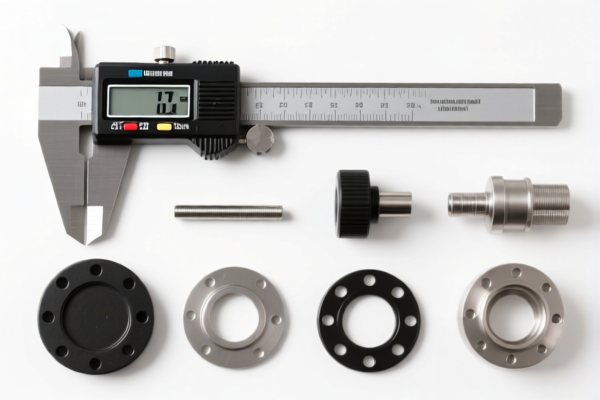
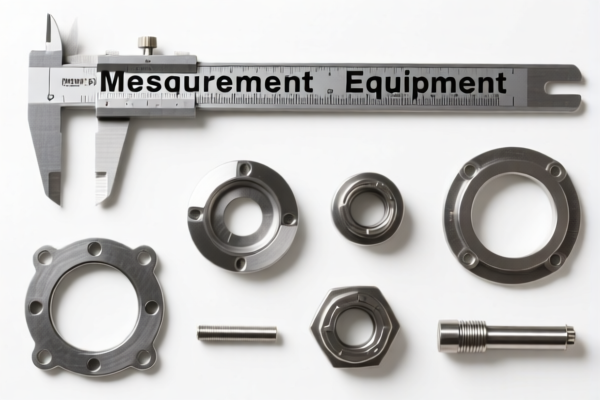
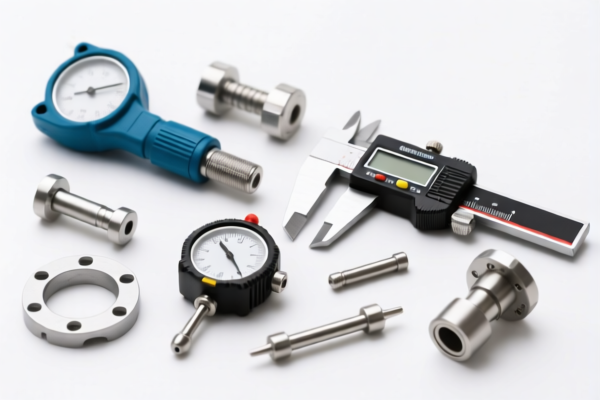
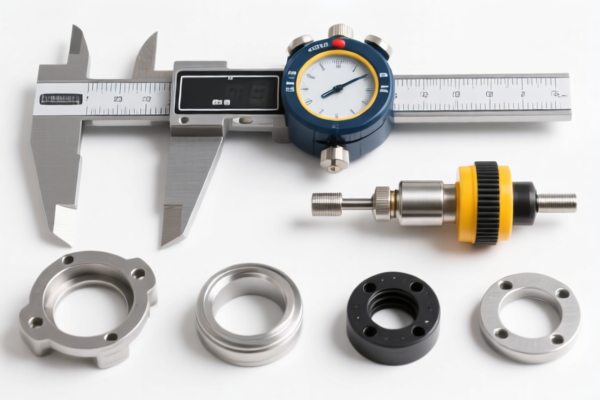
AI Analysis
🏭 Mechanical and Machinery Parts: The Ultimate HS Code Classification Guide
🌐 HS Code Reference & Customs Clearance Guide | 2026 Latest Tariff Analysis | Professional-Level Entry Strategy
📌 I. Product Definition & Classification: Do You Really Understand "Mechanical Parts"?
Mechanical and Machinery Parts are a broad category encompassing components, spares, and accessories used in various industrial machinery, automotive equipment, and general mechanical systems. In international trade, they are primarily classified under Chapter 84 (Nuclear Reactors, Boilers, Machinery and Mechanical Appliances; Parts Thereof).
The critical distinction lies in the specific function and material composition of the part:
1. Specific Machinery Parts: Parts designed exclusively for a specific machine (e.g., excavator parts for heading 8431).
2. General Machinery Parts: Parts used in multiple types of machinery (e.g., gears, bearings, seals), often falling under "Other Parts."
3. Electrical Components: If the part is primarily electrical (e.g., motor windings, switches), it may fall under Chapter 85.
⚠️ Key Distinction Point:
- If the part is specific to a machine (e.g., bucket teeth for excavators) → Group 8431, 8474, etc.
- If the part is general purpose (e.g., generic gaskets, brackets) → Group 8487 or 8484.
- If the part is electrical → Group 8548.
📦 II. HS Code Classification Details (2026 Latest Tariff Authoritative Comparison)
Based on the provided data, here are the four applicable HS Codes and their tax implications:
| HS Code | Product Description | Applicable Scenario | Material/Conflict Note |
|---|---|---|---|
8487.10.00.80 |
Parts of Machinery & Mechanical Appliances | General mechanical parts, no specific machine designation | ✅ No obvious material conflict |
8487.90.00.80 |
General Mechanical Parts (Other) | Generic mechanical components, brackets, housings | ⚠️ High Risk: Steel, Aluminum, Copper products attract +50% tariff |
8548.00.00.00 |
Electrical Parts (Residual Category) | Electrical components, motor parts, wiring harnesses | ✅ No obvious material conflict |
8484.90.00.00 |
Gaskets & Similar Joints | Seals, gaskets, flanges, jointing compounds | ✅ No obvious material conflict |
8431.10.00.90 |
Parts of Machinery (Specific) | Parts specifically for lifting, excavating, or construction machinery | ✅ No obvious material conflict |
🔍 Important Reminder:
-8487.90.00.80carries the highest risk due to material-based tariffs. If your part is made of Steel, Aluminum, or Copper, an additional 50% tariff applies on top of standard duties.
-8548.00.00.00is a "catch-all" for electrical parts not specified elsewhere. Ensure the part is indeed electrical, not just mechanical.
-8487.10.00.80vs.8431.10.00.90:8431is for specific machinery (like excavators), while8487is for general machinery parts. Misclassification here leads to disputes.
💰 III. 2026 Latest Tariff Rate Details (Including Surtaxes, Policy Add-ons)
✅ Applicable Country: United States (US)
✅ Origin: China (CN)
✅ Effective Date: 2025/2026 (Post-2024 Tariff Updates)
🎯 1. 8487.10.00.80 —— General Mechanical Parts
| Item | Content |
|---|---|
| Base Rate | 0.0% (Ad Valorem) |
| USITC Surtax | +25.0% (Section 301) |
| 122 Clause Tariff | +10.0% (Section 122, often related to specific national security or trade remedies) |
| Total Rate | 35.0% |
| Tax Calculation | CIF Value × 35.0% |
| De Minimis Exemption | ❌ Not Applicable |
| Legal Basis Path | USITC:8487.10.00.80 → Section 301: Footnote 9903.88.01 → 122 Clause |
📌 Explanation:
- This is a relatively low-risk mechanical part category because the base rate is 0%.
- The 35% total comes purely from surtaxes.
- No material-based surtaxes apply here unless specified otherwise.
🎯 2. 8487.90.00.80 —— Other General Mechanical Parts
| Item | Content |
|---|---|
| Base Rate | 3.9% |
| USITC Surtax | +25.0% (Section 301) |
| 122 Clause Tariff | +10.0% |
| Steel/Aluminum/Copper Surtax | +50.0% (Section 232) |
| Total Rate | 88.9% |
| Tax Calculation | CIF Value × 88.9% |
| De Minimis Exemption | ❌ Not Applicable |
| Legal Basis Path | USITC:8487.90.00.80 → Section 301 → 122 Clause → Section 232 (Steel/Aluminum) |
📌 ⚠️ CRITICAL WARNING:
- This is the highest tariff category in the list.
- If your part contains Steel, Aluminum, or Copper, you face an additional 50% tariff under Section 232.
- Even for non-steel/aluminum/copper parts, the base rate of 3.9% + 25% + 10% = 38.9%, but the data indicates 88.9%, implying the material surtax is likely applied by default or the specific subheading triggers it. Verify material composition carefully!
- Cost Impact: Nearly double the cost of similar non-metallic or less-taxed parts.
🎯 3. 8548.00.00.00 —— Electrical Parts (Residual)
| Item | Content |
|---|---|
| Base Rate | 0.0% |
| USITC Surtax | +25.0% (Section 301) |
| 122 Clause Tariff | +10.0% |
| Total Rate | 35.0% |
| Tax Calculation | CIF Value × 35.0% |
| De Minimis Exemption | ❌ Not Applicable |
| Legal Basis Path | USITC:8548.00.00.00 → Section 301 → 122 Clause |
📌 Note:
- Similar to8487.10.00.80, the base rate is 0%.
- Applicable only if the part is electrical (e.g., motor stators, switches).
- If misclassified (e.g., a mechanical bracket classified as electrical), customs may reclassify and adjust duties.
🎯 4. 8484.90.00.00 —— Gaskets & Similar Joints
| Item | Content |
|---|---|
| Base Rate | 2.5% |
| USITC Surtax | +25.0% (Section 301) |
| 122 Clause Tariff | +10.0% |
| Total Rate | 37.5% |
| Tax Calculation | CIF Value × 37.5% |
| De Minimis Exemption | ❌ Not Applicable |
| Legal Basis Path | USITC:8484.90.00.00 → Section 301 → 122 Clause |
📌 Note:
- Gaskets are often made of rubber, metal, or composite materials.
- If made of Steel/Aluminum, check ifSection 232applies (not explicitly listed in this HS code's detail, but good to verify).
- Slightly higher than other 0% base rate codes due to the 2.5% base.
🎯 5. 8431.10.00.90 —— Parts of Machinery (Specific, e.g., Excavators)
| Item | Content |
|---|---|
| Base Rate | 0.0% |
| USITC Surtax | +25.0% (Section 301) |
| 122 Clause Tariff | +10.0% |
| Total Rate | 35.0% |
| Tax Calculation | CIF Value × 35.0% |
| De Minimis Exemption | ❌ Not Applicable |
| Legal Basis Path | USITC:8431.10.00.90 → Section 301 → 122 Clause |
📌 Note:
- This code is for specific machinery parts (e.g., parts of lifting handling machinery, drilling machines).
- Ensure the part is exclusive to the machinery listed in heading 8431. If it's a generic bolt, it should not be here.
🛠️ IV. Customs Clearance Practical Advice (Battle-Tested Pitfall Avoidance Guide)
✅ 1. Preparation Checklist (No Item Can Be Skipped)
| Material | Mandatory | Description |
|---|---|---|
| ✅ Product Technical Specification | ✔️ | Must include material composition (Crucial for 8487.90.00.80 to avoid 50% surtax), dimensions, usage. |
| ✅ Material Certification | ✔️ | Proof of material (e.g., Mill Test Certificate for Steel/Aluminum) to challenge/confirm surtaxes. |
| ✅ Product Photos | ✔️ | Clear images showing branding, model number, and part features. |
| ✅ Commercial Invoice | ✔️ | Must clearly state "Part of [Specific Machine]" or "General Mechanical Part." |
| ✅ Packing List | ✔️ | Detailing quantities and weights. |
| ✅ Usage Statement | ✔️ | A letter explaining the part's specific application (to support 8431 vs. 8487 classification). |
✅ 2. Declaration Tips (Key Mnemonics)
🔥 "Material Determines Metal Tax, Function Determines Code, Name Must Be Precise!"
| Scenario | Correct Declaration | Wrong Practice |
|---|---|---|
| Steel Bracket | 8487.90.00.80 (Declare Steel Content) |
Hide material → Risk of audit + penalty |
| Gasket | 8484.90.00.00 |
Declare as "Part of Machine" → Higher tax rate |
| Excavator Bucket Tooth | 8431.10.00.90 |
Declare as "General Part" → 8487.10.00.80 (Same rate, but incorrect documentation) |
| Electric Motor Stator | 8548.00.00.00 |
Declare as "Mechanical Part" → Risk of reclassification |
| Generic Bolt | 8487.90.00.80 (If Steel) |
Use 8487.10.00.80 → Misclassification if it's a general fastener |
✅ 3. Special Case Handling
| Scenario | Handling Advice |
|---|---|
| Mixed Material Parts | If a part is 60% Steel, 40% Plastic, Steel Surtax (+50%) may still apply. Declare dominant material. |
| OEM Parts | Provide Customer Order + Design Drawings. If it's a specific part for a machine, use 8431 or specific headings. |
| "Part" vs. "Component" | Ensure the item is not a complete machine. A "part" cannot function independently as a full machine. |
| Section 232 (Steel/Aluminum) | Crucial: For 8487.90.00.80, if you can prove the part is NOT steel/aluminum/copper, you may avoid the +50%. Get a material test report. |
🌍 V. Global Market Comparison (2026 Latest)
| Country/Region | Recommended HS Code | Tariff (China Origin) | Certification Requirements | Remarks |
|---|---|---|---|---|
| 🇺🇸 USA | 8487.90.00.80 |
88.9% (if Steel/Al/Cu) 38.9% (if non-metal) |
None specific, but strict HS classification | Highest Risk Market due to Section 232 & 301 |
| 🇨🇳 China | 8487.90.00.80 |
~3-4% | CCC (if applicable) | Lower tariffs, but export restrictions may apply |
| 🇪🇺 EU | 8487.90.00.80 |
~2.5-4% | CE, RoHS (if electrical) | No Section 232 equivalent |
| 🇯🇵 Japan | 8487.90.00.80 |
~2-5% | PSE (if electrical) | No major surtaxes |
📌 Conclusion:
- The US is the only market with aggressive, multi-layered surtaxes (301, 232, 122).
- Material Composition is the #1 Factor in cost calculation for the US.
- For non-US markets, classification is more straightforward and tariffs are significantly lower.
📌 VI. Common Mistakes & Pitfall Guide (Lessons Learned from Blood & Tears)
❌ Mistake 1: Declaring a Steel Bracket as 8487.10.00.80 (0% base) instead of 8487.90.00.80 (3.9% base + 50% metal tax).
👉 Consequence: If caught, you pay back duties + penalties. If not caught, you’re overpaying if it’s actually a general part. Be honest about material.
❌ Mistake 2: Declaring a Gasket as a "Mechanical Part" (8487).
👉 Consequence: Gaskets have their own heading (8484). Misclassification may lead to delays or incorrect duty assessment.
❌ Mistake 3: Not providing Material Proof for 8487.90.00.80.
👉 Consequence: Customs may assume worst-case scenario (Steel/Aluminum) and apply +50%. Always provide Mill Test Certificates.
❌ Mistake 4: Using generic terms like "Machine Parts" without specifying function.
👉 Consequence: Customs will reclassify. If they decide it's a general part, you get 8487.90.00.80. If it's electrical, 8548. Be specific.
✅ Correct Approach:
"Excavator Bucket Tooth, Steel, Part of Lifting Machinery, Model XYZ, Certified" →
8431.10.00.90
"Aluminum Mounting Bracket, General Machinery Part, No Specific Machine" →8487.90.00.80(Declare Aluminum)
🎯 VII. Conclusion: Professional Declaration, Save Time, Reduce Costs!
🎯 Remember the Mantra:
🔹 "Check Material First! Steel/Al/Cu = +50%! Check Function Second! Specific vs. General!"
🔹 "HS Code Determines Life or Death, Tax Rate Varies by Material, Declaration Must Be Precise!"
📌 Pro Tip:
If your parts are made of Stainless Steel or Non-Ferrous Metals (like Brass), verify if Section 232 applies. Some stainless steels may have different treatment.
Apply for an Advance Ruling with US Customs (CBP) if the volume is high, to lock in the classification and avoid surprises.
📣 Immediate Action:
📞 Contact a professional customs broker + Provide Material Test Reports + Apply for HS Code Advance Ruling
🚀 Let your mechanical parts clear customs smoothly, efficiently, and profitably!
✨ Professional Customs Clearance Starts with Precise Classification!
💼 Every Dollar of Cost Deserves Accurate Calculation!
Customer Reviews
About HS Code Classification
The Harmonized System (HS) is an internationally standardized nomenclature developed by the World Customs Organization (WCO) to classify traded products. Over 200 countries use the HS system as the basis for customs tariffs, trade statistics, and import/export regulations.
Each HS code follows a hierarchical structure:
- Chapter (2 digits) — Broad category of goods (e.g., Chapter 84: Machinery and Mechanical Appliances)
- Heading (4 digits) — More specific grouping within the chapter
- Subheading (6 digits) — Internationally standardized breakdown, used by all WCO member countries
- National subdivisions (8-10 digits) — Country-specific extensions for further classification, such as US HTSUS 10-digit codes
Correct HS code classification is essential for smooth customs clearance, accurate duty payment, and compliance with trade regulations. Misclassification can lead to customs delays, overpayment of duties, or penalties.
When importing from CN to US, the applicable tariff rates may include:
- Most-Favored-Nation (MFN) rate — The standard duty rate applied to WTO members
- General rate — Applied to countries without trade agreements
- Trade remedy duties — Additional tariffs such as Section 301 (anti-dumping), Section 232 (national security), or countervailing duties
The information provided on this page is for reference purposes only. For official classification, please consult with your local customs authority or a licensed customs broker.