Mechanized Charcoal
CN → USProduct Images
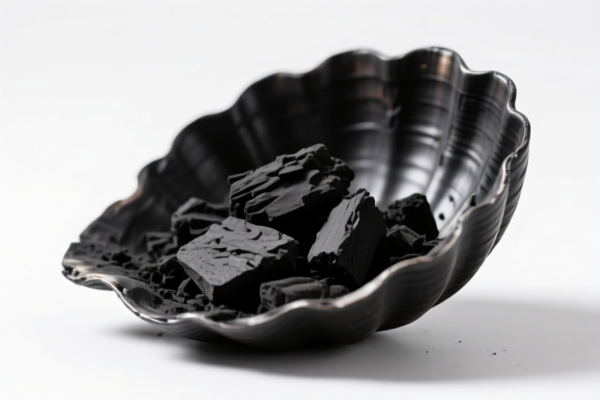
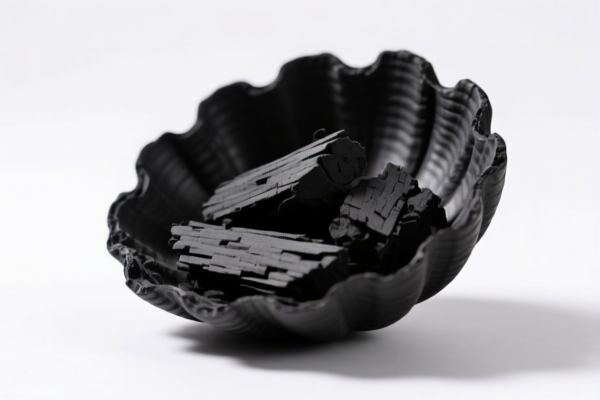
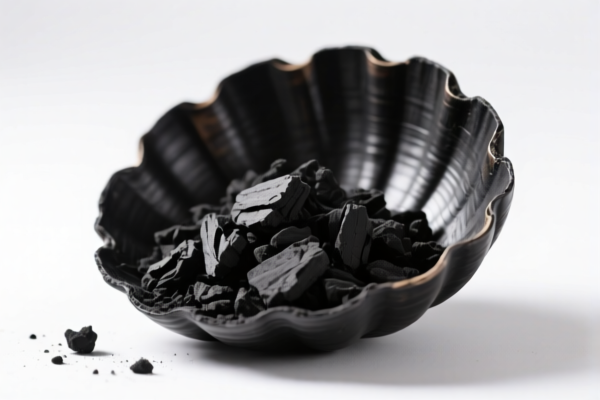
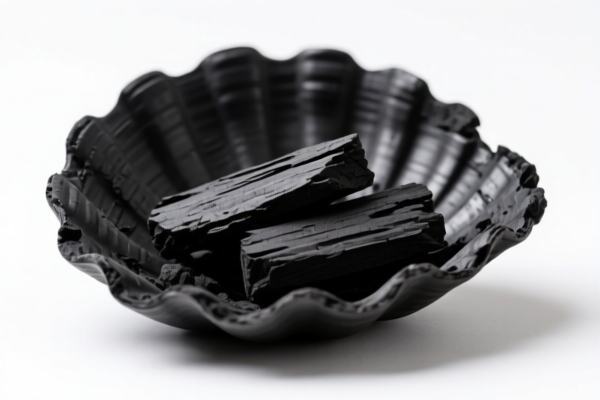
AI Analysis
🌑 Mechanized Charcoal (Briquettes/Balls)
🌐 HS Code Reference & Customs Clearance Guide | 2026 Latest Tariff Analysis | Professional Clearance Strategy
📌 I. Product Definition & Classification: What is "Mechanized Charcoal"?
Mechanized Charcoal (often referred to as Charcoal Briquettes, Shisha Charcoal, or BBQ Balls) is not raw, hand-maded lump charcoal. It is a processed fuel product made from agricultural waste (sawdust, coconut shells, bamboo dust, etc.) that has been carbonized and then mechanically compressed into uniform shapes (cylinders, hexagons, cubes) using binders (like starch).
In international trade, it is critical to distinguish between: * Lump Charcoal (Raw): Irregular shape, hand-made or simple carbonization. → Often falls under 4402. * Mechanized Charcoal (Briquettes): Uniform shape, industrial compression. → Also falls under 4402, but with specific sub-classifications based on the binding agent and processing method.
⚠️ Key Distinction Point:
- If the charcoal is compressed with a binder (starch, clay, etc.) into a regular shape → It is Charcoal Briquettes.
- If it is pure carbonized wood without binding agents and irregular → It is Lump Charcoal.
- Most "Mechanized Charcoal" imported for BBQ/Shisha is classified under4402, NOT under fuels (27) or chemicals (38).
📦 II. HS Code Classification Details (2026 Latest Tariff Authority)
| HS Code | Product Description | Applicable Scenario | Binder Content |
|---|---|---|---|
4402.00.10.00 |
Charcoal (including those made from shell or nut materials), whether or not agglomerated; Ridge-charcoal | Raw lump charcoal, no binder, irregular shape | ❌ None |
4402.00.40.00 |
Charcoal (including those made from shell or nut materials), whether or not agglomerated; Charcoal briquettes | Mechanized charcoal, compressed with starch/binder, uniform shape (balls, hexagons) | ✅ Yes |
4402.00.80.00 |
Other charcoal (including those made from shell or nut materials), whether or not agglomerated | Other forms of agglomerated charcoal not specified above | ✅ Yes |
3801.90.00.00 |
Graphite or other carbon, not elsewhere specified or included | Graphitized charcoal (high-temperature treated), used for metallurgy/electrodes | N/A |
🔍 Critical Reminder:
- "Mechanized Charcoal" for BBQ/Shisha is almost exclusively4402.00.40.00(Charcoal Briquettes).
- Do NOT classify under2701(Coal) or2705(Coal Gas). It is a wood-based product (Chapter 44).
- If the charcoal is graphitized (used for batteries or electrodes), it moves to3801.90.00.00.
💰 III. 2026 Latest Tariff Rate Details (Including Additional Taxes, Policy Add-ons)
✅ Applicable Country: United States (US)
✅ Country of Origin: China (CN)
✅ Effective Date: From November 10, 2025 (including subsequent imports)
🎯 1. 4402.00.40.00 —— Charcoal Briquettes (Mechanized Charcoal)
| Item | Content |
|---|---|
| Base Tariff Rate | 0% (ad valorem) |
| USITC Additional Tariff | +25% (from USITC Footnote 9903.88.01) |
| IEEPA Additional Tariff | +10% (applied to China/HK products, starting Nov 10, 2025) |
| Total Tariff Rate | 35% |
| Tax Calculation | CIF Value × 35% |
| De Minimis Eligibility | ❌ Denied (deny_de_minimis) |
| Legal Path | IEEPA:9903.01.25 → IEEPA:9903.01.24 → USITC:4402.00.40.00 → FOOTNOTE:9903.88.01 |
📌 Explanation:
- The 25% USITC tariff is part of the Section 301 tariffs on Chinese goods.
- The 10% IEEPA tariff is an additional surcharge on Chinese-origin goods under the International Emergency Economic Powers Act.
- Total 35% is a high tariff burden.
- Note: Unlike electronics, charcoal does not have a lower "de minimis" exemption for small packages (under $800) in the US for Chinese goods post-2025 due to new enforcement rules on bio-products and tariffs.
🎯 2. 4402.00.10.00 —— Lump Charcoal (Raw, Non-Agglomerated)
| Item | Content |
|---|---|
| Base Tariff Rate | 0% |
| USITC Additional Tariff | +25% |
| IEEPA Additional Tariff | +10% |
| Total Tariff Rate | 35% |
| De Minimis Eligibility | ❌ Denied |
📌 Note:
- Even if "raw," lump charcoal from China is subject to the same 35% total tariff.
- Origin matters: If charcoal is from Brazil, Mexico, or Vietnam, you may apply for IEEPA Exemption or lower rates.
🛠️ IV. Customs Clearance Practical Advice (Avoiding Pitfalls)
✅ 1. Required Documentation Checklist (No Exceptions)
| Document | Mandatory? | Description |
|---|---|---|
| ✅ Product Specification Sheet | ✔️ | Must specify: Binder type (starch/clay), Shape (ball/hexagon), Ignition time, Ash content. |
| ✅ Composition Analysis Report | ✔️ | From a third-party lab. Proves it is wood-based, not coal or chemical-based. |
| ✅ Material Safety Data Sheet (MSDS) | ✔️ | Required for fire safety classification (Class 4.1 Flammable Solid). |
| ✅ Commercial Invoice | ✔️ | Must state: "Charcoal Briquettes, HS 4402.00.40.00, Made in China". Avoid vague terms like "BBQ Fuel". |
| ✅ Packing List | ✔️ | Net/Gross weight, dimensions. Charcoal is heavy; accurate weight is crucial for freight. |
| ✅ Certificate of Origin (CO) | ✔️ | Essential for tariff calculation. |
| ✅ Fumigation Certificate | ✔️ | If made from raw wood, ISPM 15 fumigation may be required by US Customs/USDA. |
✅ 2. Declaration Tips (Key Mantra)
🔥 "Binders Make Briquettes, Wood Makes Charcoal, Origin Determines Tax, MSDS Saves Days!"
| Scenario | Correct Declaration | Wrong Practice |
|---|---|---|
| Mechanized Ball Charcoal (BBQ/Shisha) | 4402.00.40.00 - Charcoal Briquettes |
Misdeclare as 4402.00.10.00 (Lump) → Audit Risk |
| Graphitized Charcoal (Electrodes) | 3801.90.00.00 |
Misdeclare as 4402 → Valuation Discrepancy |
| Charcoal from Vietnam | 4402.00.40.00 + Exemption Claim |
Declare as China Origin → Pay 35% unnecessarily |
| Charcoal in Small Retail Packs | Full Declaration | Try "De Minimis" ($800 rule) → Seizure Risk |
📌 Why De Minimis Fails for Charcoal from China:
- US Customs (CBP) has increased scrutiny on bio-products and Section 301 goods.
- Many couriers (FedEx/UPS) now block de minimis entries for Chinese charcoal due to high anti-dumping and tariff risks.
- Always declare formally if value is high or origin is China.
✅ 3. Special Handling Cases
| Scenario | Handling Advice |
|---|---|
| Shisha/Hookah Charcoal | High ash content and quick ignition claims must be documented. Ensure no chemical accelerants are listed in ingredients (must be starch/natural binders only). |
| Coconut Shell Charcoal | Specifically state "Made from Coconut Shell" in description. May help with USDA inspection (less pest risk than wood). |
| Mixed Shipments | Do not mix Charcoal with Electronics or Food. Keep separate. Charcoal dust is a Class 4.1 Flammable Solid. |
| Packaging | Use non-combustible packaging (plastic bags inside cartons). No wooden pallets unless fumigated. |
🌍 V. Global Market Comparison (2026 Latest)
| Country/Region | Recommended HS Code | Tariff Rate | Certification | Notes |
|---|---|---|---|---|
| 🇺🇸 USA | 4402.00.40.00 |
35% (China) | MSDS + ISPM 15 | High tariff, strict USDA inspection |
| 🇨🇳 China | 4402.00.40.00 |
0% | N/A | Major exporter |
| 🇪🇺 EU | 4402.00.40.00 |
0% | CE (if applicable) | No additional tariffs for China |
| 🇬🇧 UK | 4402.00.40.00 |
0% | UKCA | Post-Brexit tariff-free |
| 🇦🇺 Australia | 4402.00.40.00 |
5% | Biosecurity Check | Strict quarantine |
| 🇯🇵 Japan | 4402.00.40.00 |
0% | Phytosanitary Certificate | No tariffs |
📌 Conclusion:
- USA is the ONLY major market with high tariffs (35%) for Chinese mechanized charcoal.
- EU, UK, Japan, Australia offer 0-5% tariffs.
- Strategy: If shipping to the US, consider transshipment (if legal) or origin switching (e.g., source from Vietnam/Brazil). For other markets, clearance is smooth.
📌 VI. Common Errors & Pitfalls (Blood Lessons)
❌ Error 1: Declaring "BBQ Fuel" instead of "Charcoal Briquettes"
👉 Consequence: CBP reclassifies, issues liquidation notice, delays shipment by 2-4 weeks.
❌ Error 2: Omitting Binder Information
👉 Consequence: USDA suspects chemical additives. Detention for lab testing. Fine up to $10,000.
❌ Error 3: Using Wooden Pallets Without Fumigation
👉 Consequence: Rejected Entry. Entire shipment destroyed or re-exported. Cost: $5,000+.
❌ Error 4: Assuming De Minimis Applies
👉 Consequence: Package seized by CBP. Loss of cargo and penalty fees.
✅ Correct Practice:
"Charcoal Briquettes, Made from Coconut Shell, Compressed with Starch Binder, Hexagonal Shape, HS 4402.00.40.00, Fumigated, MSDS Attached"
🎯 VII. Conclusion: Professional Declaration, Safe Passage, Cost Control
🎯 Remember the Mantra:
🔹 "Binders = Briquettes, Wood = Lump, China = 35%, Vietnam = 0%!"
🔹 "MSDS is Mandatory, Pallets Must Be Clean, Declaration Must Be Precise!"
📌 Pro Tip:
If your charcoal is sourced from Vietnam, Brazil, or Indonesia, apply for Certificate of Origin to enjoy 0% tariff in the US (under certain FTAs or exemption claims).
For US imports, pre-apply for USDA Permit if required, and always use plastic-wrapped, fumigated pallets.
📣 Immediate Action:
📞 Contact a US Customs Broker + Provide MSDS + Verify Origin for Tariff Optimization
🚀 Let your charcoal pass smoothly, avoid delays, and protect your profit margin!
✨ Professional Clearance Starts with Accurate Classification!
💼 Every percentage point of tariff counts in low-margin fuel products!
Customer Reviews
About HS Code Classification
The Harmonized System (HS) is an internationally standardized nomenclature developed by the World Customs Organization (WCO) to classify traded products. Over 200 countries use the HS system as the basis for customs tariffs, trade statistics, and import/export regulations.
Each HS code follows a hierarchical structure:
- Chapter (2 digits) — Broad category of goods (e.g., Chapter 84: Machinery and Mechanical Appliances)
- Heading (4 digits) — More specific grouping within the chapter
- Subheading (6 digits) — Internationally standardized breakdown, used by all WCO member countries
- National subdivisions (8-10 digits) — Country-specific extensions for further classification, such as US HTSUS 10-digit codes
Correct HS code classification is essential for smooth customs clearance, accurate duty payment, and compliance with trade regulations. Misclassification can lead to customs delays, overpayment of duties, or penalties.
When importing from CN to US, the applicable tariff rates may include:
- Most-Favored-Nation (MFN) rate — The standard duty rate applied to WTO members
- General rate — Applied to countries without trade agreements
- Trade remedy duties — Additional tariffs such as Section 301 (anti-dumping), Section 232 (national security), or countervailing duties
The information provided on this page is for reference purposes only. For official classification, please consult with your local customs authority or a licensed customs broker.