Medical Device
CN → US| HS Code | Tariff Rate | Origin | Destination | Doc |
|---|---|---|---|---|
| 9021908100 | 10.0% | CN | US | Official Doc |
| 9018195500 | 35.0% | CN | US | Official Doc |
| 9018907520 | 35.0% | CN | US | Official Doc |
| 9021908100 | 10.0% | CN | US | Official Doc |
| 9018195500 | 35.0% | CN | US | Official Doc |
Product Images
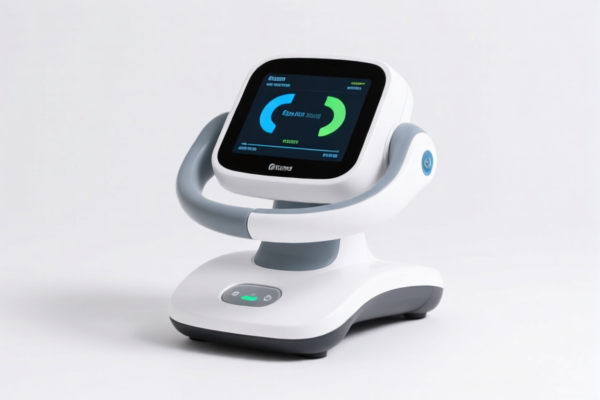
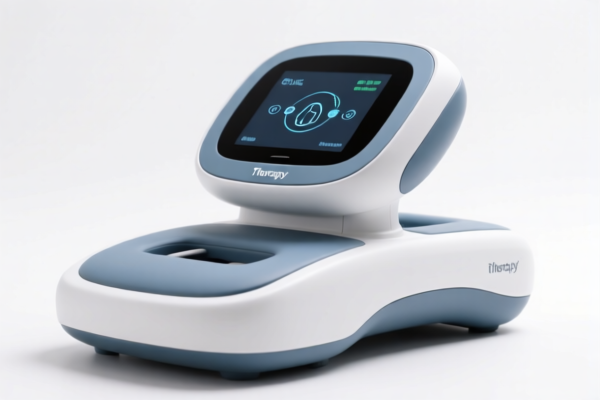
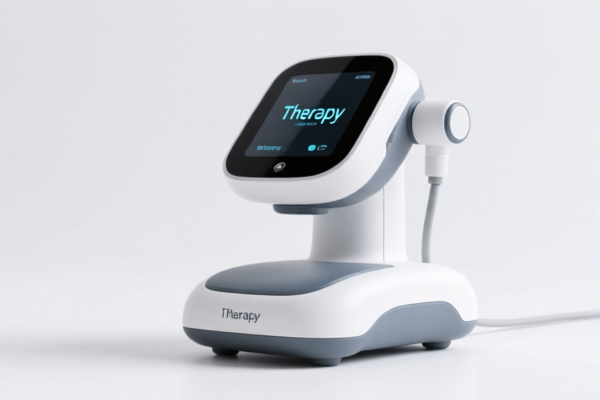
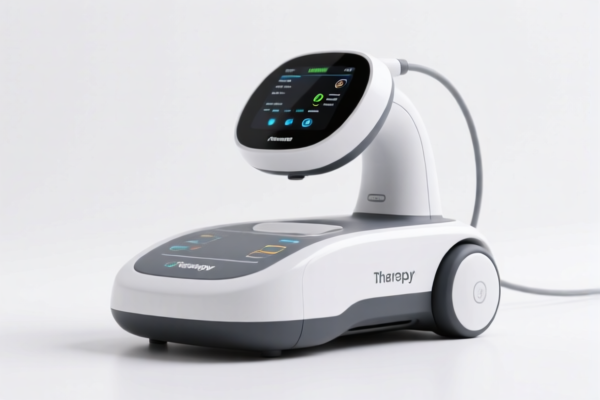
AI Analysis
🏥 Medical Devices & Equipment (医疗器械和设备)
🌐 HS Code Reference & Customs Clearance Guide | 2026 Latest Tariff Analysis | Professional Strategy
📌 I. Product Definition & Classification: Understanding the "Umbrella" Term
"Medical Devices and Equipment" is a broad, umbrella term in international trade. It encompasses anything from surgical instruments and diagnostic machines to prosthetic limbs and hearing aids. Because the term is generic, it does not map to a single HS Code. Instead, classification depends on the specific function, form, and intended use.
In the context of US Customs (CBP) and the provided data, these goods generally fall into two main categories: 1. Surgical & Diagnostic Instruments (Chapter 9018): Devices used for medical, surgical, dental, or veterinary sciences (e.g., monitors, lasers, endoscopes, therapeutic equipment). 2. Orthopedic & Artificial Parts (Chapter 9021): Artificial joints, bone plates, hearing aids, and other orthopedic aids.
⚠️ Critical Distinction:
- If the device is for diagnosis, treatment, or surgery (active or passive instruments) → Likely 9018.xx
- If the device is an implant, prosthesis, or compensatory aid (e.g., artificial heart valve, hearing aid) → Likely 9021.xx
📦 II. HS Code Classification Details (Based on Provided Data)
| HS Code | Product Description | Key Matching Logic | Typical Application |
|---|---|---|---|
9021.90.81.00 |
Other: Orthopedic/appliances & artificial parts | Matches "Medical devices" via functional overlap with orthopedic/prosthetic devices. Classified under "Other" as a fallback. | Artificial joints, bone screws, surgical implants, prosthetic limbs. |
9018.19.55.00 |
Other instruments/apparatus: Used in medical/surgical/dental/vet sciences | Exact Match: The description "used for medical, surgical, dental, or veterinary science" aligns perfectly with general "Medical Devices." | Surgical tools, diagnostic monitors, therapeutic lasers, dental equipment. |
9018.90.75.20 |
Other: Medical/surgical instruments (general category) | Broad Match: "Medical device" falls under the general umbrella of medical instruments. Used as a "catch-all" when specific form is unknown but medical purpose is clear. | General medical instruments, unspecified surgical devices, ancillary medical equipment. |
🔍 Note on
9021.90.81.00vs.9018Series:
-9021.90.81.00is often used for passive orthopedic devices or implants. It has NO Section 301 (USITC) tariff, making it significantly cheaper for Chinese imports.
-9018codes are for active/instrumental medical devices. They are subject to Section 301 tariffs, making them more expensive.
💰 III. 2026 Latest Tariff Rate Breakdown (Detailed)
✅ Applicable Country: United States (US)
✅ Origin: China (CN)
✅ Effective Date: Post-2025 (Including subsequent imports)
🎯 1. 9021.90.81.00 —— Orthopedic/Appliance Devices (The "Low-Tariff" Option)
| Item | Content |
|---|---|
| Base Duty Rate | 0.0% (Ad Valorem) |
| Section 301 (USITC) Surcharge | 0.0% (Not included in Footnote 9903.88.01) |
| Section 122 Tariff (IEEPA) | +10% (Specific to Chinese/ HK origin, effective from Nov 10, 2025) |
| Total Duty Rate | 10.0% |
| Calculation | CIF Value × 10% |
| De Minimis Exemption | ❌ Not Eligible (Must file formal entry) |
| Legal Basis Path | IEEPA:9903.01.24 → USITC:9021.90.81.00 |
📌 Explanation:
- This code is not on the Section 301 "List 4" or similar high-tariff lists for medical instruments.
- The only additional tax is the 10% IEEPA Section 122 tariff.
- Total Cost Impact: Only 10% duty, making it the most cost-effective classification for orthopedic/implant devices.
🎯 2. 9018.19.55.00 —— Surgical/Diagnostic Instruments (The "High-Tariff" Option)
| Item | Content |
|---|---|
| Base Duty Rate | 0.0% (Ad Valorem) |
| Section 301 (USITC) Surcharge | +25% (From USITC Footnote 9903.88.01 / List 4C) |
| Section 122 Tariff (IEEPA) | +10% (Specific to Chinese/ HK origin, effective from Nov 10, 2025) |
| Total Duty Rate | 35.0% |
| Calculation | CIF Value × 35% |
| De Minimis Exemption | ❌ Not Eligible (Must file formal entry) |
| Legal Basis Path | IEEPA:9903.01.25 → IEEPA:9903.01.24 → USITC:9018.19.55.00 → FOOTNOTE:9903.88.01 |
📌 Explanation:
- Section 301 (25%): Medical instruments under 9018 are typically subject to the 25% punitive tariff.
- Section 122 (10%): Additional 10% for Chinese origin.
- Total Cost Impact: 35% duty. This is a significant cost increase compared to 9021 codes.
🎯 3. 9018.90.75.20 —— General Medical Instruments (The "Catch-All" Option)
| Item | Content |
|---|---|
| Base Duty Rate | 0.0% (Ad Valorem) |
| Section 301 (USITC) Surcharge | +25% (Same as other 9018 codes) |
| Section 122 Tariff (IEEPA) | +10% (Same as other 9018 codes) |
| Total Duty Rate | 35.0% |
| Calculation | CIF Value × 35% |
| De Minimis Exemption | ❌ Not Eligible |
| Legal Basis Path | Same as 9018.19.55.00 |
📌 Explanation:
- Functions as a fallback for medical devices that don't fit neatly into specific 9018 subheadings.
- Same high tariff burden (35%) as9018.19.55.00.
- Used when the device is a "medical instrument" but lacks specific diagnostic/therapeutic designation.
🛠️ IV. Customs Clearance Practical Advice (Pitfall Avoidance)
✅ 1. Documentation Checklist (Non-Negotiable)
| Document | Required | Purpose |
|---|---|---|
| ✅ Product Specification Sheet | ✔️ | Must detail: Function, Mechanism, Power Source (if any), Materials. |
| ✅ Detailed Description | ✔️ | Avoid vague terms like "Medical Device." Use "Surgical Scalpel," "Bone Plate," or "Ultrasound Probe." |
| ✅ Technical Diagrams | ✔️ | Proves whether it is an "instrument" (9018) or "orthopedic part" (9021). |
| ✅ FDA Registration/Listing | ✔️ | US Customs may check FDA compliance. Ensure the product is cleared/listed. |
| ✅ Commercial Invoice | ✔️ | Must match the HS Code chosen. If claiming 9021, describe as "Orthopedic Implant," not "Surgical Tool." |
| ✅ Country of Origin Certificate | ✔️ | Critical for applying/avoiding Section 301 tariffs. |
✅ 2. Classification Strategy (Key Mnemonic)
🔥 "Implants Go to 9021, Instruments Go to 9018!"
| Scenario | Correct HS Code | Tariff | Why? |
|---|---|---|---|
| Artificial Knee/Joint, Bone Plate | 9021.90.81.00 |
10% | It's an "appliance" or "part," not an active instrument. |
| Surgical Drill, Laser, Endoscope | 9018.19.55.00 |
35% | It's an "instrument" used in surgery. |
| Hearing Aid | 9021.21.xx (Check Specifics) |
Varies | Often exempt from 301, but verify specific subheading. |
| Generic "Medical Device" (Vague) | 9018.90.75.20 |
35% | CBP defaults to 9018 for vague descriptions unless proven otherwise. |
📌 Critical Warning:
- If you label everything as "Medical Device," CBP will likely assign 9018.90.75.20 (35% duty).
- To save 25%, you must provide proof that the item is an orthopedic appliance or implant to qualify for9021.90.81.00.
✅ 3. Special Cases
| Case | Recommendation |
|---|---|
| Active vs. Passive | Active devices (electronic/mechanical) → 9018 (35%). Passive devices (implants/prosthetics) → 9021 (10%). |
| Components | If shipping only parts (e.g., electrode tip), classify as part of the main device. If standalone, use 9018.90 or 9021.90. |
| Vet vs. Human | "Veterinary instruments" also fall under 9018. Same 35% tariff applies. |
🌍 V. Global Market Comparison (2026)
| Country/Region | Recommended HS Code (Example) | Duty Rate (China Origin) | Notes |
|---|---|---|---|
| 🇺🇸 USA | 9021.90.81.00 (Implants) |
10% | Best rate! Avoid 9018 if possible. |
| 🇺🇸 USA | 9018.19.55.00 (Instruments) |
35% | High cost due to Section 301 + 122. |
| 🇪🇺 EU | 9021.39 / 9018.90 |
0% - 4.5% | No Section 301. CE Marking required. |
| 🇨🇳 China | 9021.90 / 9018.90 |
0% - 8% | Depends on specific subheading. |
| 🇯🇵 Japan | 9021.39 / 9018.90 |
0% - 3.5% | No additional punitive tariffs. |
📌 Conclusion:
- The USA is the most expensive market for Chinese medical instruments due to Section 301 (25%) and Section 122 (10%) tariffs.
- Strategy: For implants/orthopedic devices, always aim for9021.90.81.00to save 25% duty. For active instruments, budget for 35%.
📌 VI. Common Mistakes & Pitfalls (Lessons Learned)
❌ Mistake 1: Declaring an Surgical Laser as "Orthopedic Device" to get 10% duty.
👉 Result: CBP audit, seizure, back-tariff of 25% + penalties. Lasers are instruments (9018), not implants (9021).
❌ Mistake 2: Using "Medical Device" as the only description on the invoice.
👉 Result: CBP assigns 9018.90.75.20 (35% duty) by default. You lose the chance to argue for 9021.
❌ Mistake 3: Ignoring Section 122 Tariff.
👉 Result: Even if you get 0% Section 301, you still pay 10% IEEPA tariff for Chinese origin. Plan accordingly.
✅ Correct Approach:
"Artificial Hip Implant, Titanium, Sterile, Model XYZ" →
9021.90.81.00(10% Duty)
"Surgical Endoscope, Video, Model ABC" →9018.19.55.00(35% Duty)
🎯 VII. Conclusion: Professional Classification Saves Money!
🎯 Remember the Golden Rule:
🔹 "Implants & Prosthetics = 9021 (10%)
🔹 "Instruments & Diagnostics = 9018 (35%)"🔹 "Vague Description = 35% (Punished by CBP)"
📌 Pro Tip:
If you are importing a mix of devices, split your shipment documentation. Clearly separate "Implants/Orthopedic Parts" from "Surgical Instruments." Provide technical datasheets for each to support the correct HS Code.
Consider applying for an Advance Ruling (CBP Form 5106) if you have a large volume of complex devices. This provides legal certainty on the 10% vs. 35% duty difference.
📣 Immediate Action:
📞 Consult a licensed customs broker.
📄 Prepare detailed product specs differentiating "Instrument" vs. "Appliance/Implant."
🚀 Optimize your HS Code to save 25% in duties!
✨ Precision in Classification, Profit in Clearance!
💼 Don't let "Medical Device" cost you 35% when it could be 10%.
Customer Reviews
About HS Code Classification
The Harmonized System (HS) is an internationally standardized nomenclature developed by the World Customs Organization (WCO) to classify traded products. Over 200 countries use the HS system as the basis for customs tariffs, trade statistics, and import/export regulations.
Each HS code follows a hierarchical structure:
- Chapter (2 digits) — Broad category of goods (e.g., Chapter 84: Machinery and Mechanical Appliances)
- Heading (4 digits) — More specific grouping within the chapter
- Subheading (6 digits) — Internationally standardized breakdown, used by all WCO member countries
- National subdivisions (8-10 digits) — Country-specific extensions for further classification, such as US HTSUS 10-digit codes
Correct HS code classification is essential for smooth customs clearance, accurate duty payment, and compliance with trade regulations. Misclassification can lead to customs delays, overpayment of duties, or penalties.
When importing from CN to US, the applicable tariff rates may include:
- Most-Favored-Nation (MFN) rate — The standard duty rate applied to WTO members
- General rate — Applied to countries without trade agreements
- Trade remedy duties — Additional tariffs such as Section 301 (anti-dumping), Section 232 (national security), or countervailing duties
The information provided on this page is for reference purposes only. For official classification, please consult with your local customs authority or a licensed customs broker.