Medical Grade Polyamide Board
CN → US| HS Code | Tariff Rate | Origin | Destination | Doc |
|---|---|---|---|---|
| 9021908100 | 10.0% | CN | US | Official Doc |
| 3908907000 | 41.5% | CN | US | Official Doc |
| 3921190090 | 41.5% | CN | US | Official Doc |
| 9021100090 | 10.0% | CN | US | Official Doc |
Product Images
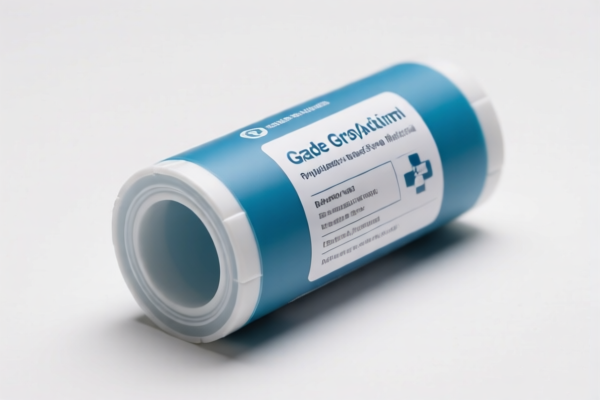
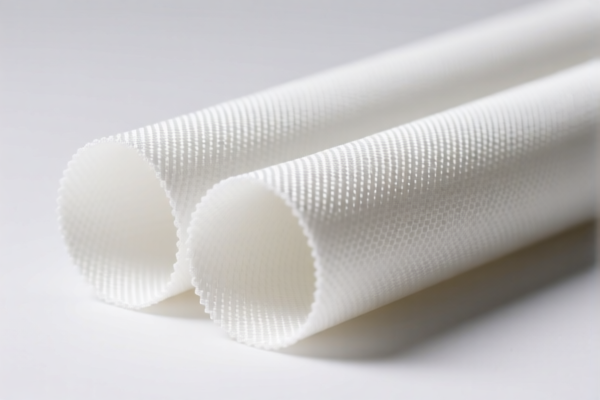
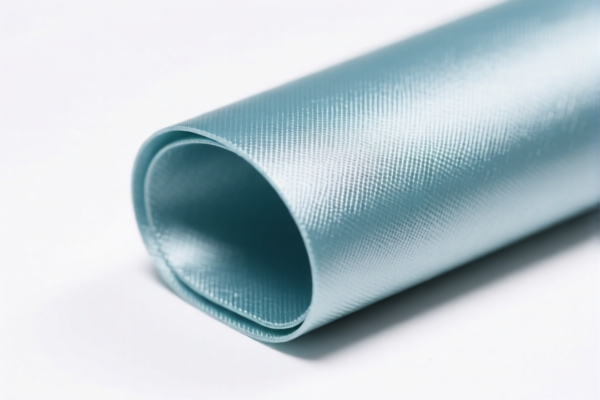
AI Analysis
🏥 Medical Grade Polyamide Board (Medical & Industrial Plastics)
🌐 HS Code Reference & Customs Clearance Guide | 2026 Latest Tariff Analysis | Professional Level Compliance Strategy
📌 Part 1: Product Definition & Classification: Do You Really Understand "Polyamide Board"?
Polyamide (PA), commonly known as Nylon, is a high-performance engineering plastic known for its strength, durability, and chemical resistance. In international trade, the classification of "Polyamide Board" depends entirely on its end-use and physical form:
1. Medical-Grade Polyamide Boards: - Specifically designed for orthopedic instruments, plastic surgery, or fracture appliances. - Treated or certified for biocompatibility and sterilization. - Considered semi-finished goods or raw materials for medical devices.
2. General/Industrial Polyamide Boards: - Standard polymer sheets in primary or semi-finished forms. - Used for mechanical parts, electrical insulation, or general industrial applications. - Classified under general plastic sections (e.g., Section 39).
⚠️ Key Distinction Point:
- If the board is certified for medical use (e.g., used in orthopedics/plastic surgery) → It may qualify for Chapter 90 (Medical Instruments) with lower tariffs.
- If it is a general-purpose plastic sheet without specific medical certification → It falls under Chapter 39 (Plastics) and is subject to higher retaliatory tariffs.
📦 Part 2: HS Code Classification Details (2026 Latest Tariff Authority Cross-Reference)
| HS Code | Product Description | Application Scenario | Tariff Rate (China Origin to US) |
|---|---|---|---|
9021.90.81.00 |
Medical grade polyamide board, used for plastic/orthopedic instruments | Semi-finished medical device raw material | 10.0% |
9021.10.00.90 |
Medical grade polyamide board, for orthopedic/fracture appliances | Intermediate medical device form | 10.0% |
3908.90.70.00 |
Polyamide material board, primary/semi-finished form | General industrial plastic, non-medical | 41.5% |
3921.19.00.90 |
Polyamide plastic board, classified as other plastic sheet/film | General plastic sheeting, non-medical | 41.5% |
🔍 Critical Reminder:
- Medical Use is Key: Boards classified under 9021 must be explicitly intended for medical applications (orthopedics, plastic surgery).
- General Plastic Penalty: Boards classified under 3908 or 3921 are subject to base tariffs plus significant Section 301 and IEEPA retaliatory tariffs, totaling 41.5%.
- Do Not Misclassify: Declaring medical boards as general plastics to avoid scrutiny will result in severe penalties upon inspection.
💰 Part 3: 2026 Latest Tariff Rate Breakdown (Including Surtaxes & Policy Add-ons)
✅ Applicable Country: United States (US)
✅ Origin: China (CN)
✅ Effective Date: From November 10, 2025 (and subsequent imports)
🎯 1. 9021.90.81.00 & 9021.10.00.90 —— Medical Grade Polyamide Boards
These two codes represent the low-tariff pathway for polyamide boards used in medical devices.
| Item | Content |
|---|---|
| Base Tariff | 0.0% (ad valorem) |
| Section 301 Add-on Tariff | 0.0% (Exempt for certain medical goods or specifically listed) |
| IEEPA Add-on Tariff (Section 122/301) | +10.0% |
| Total Tariff Rate | 10.0% |
| Tax Calculation | CIF Value × 10.0% |
| De Minimis Eligibility | ❌ No (deny_de_minimis for Section 301/IEEPA goods) |
| Legal Basis Path | IEEPA:9903.01.25 → USITC:9021.90.81.00 → FOOTNOTE:Medical Device Exemption |
📌 Explanation:
- Base Tariff 0%: Medical instruments and parts often enjoy duty-free entry to promote healthcare.
- IEEPA 10%: This is the specific surtax applied to Chinese-origin medical-related plastics under current executive orders.
- Total 10%: This is significantly lower than the 41.5% for general plastics. Proper documentation proving medical use is crucial to claim this rate.
🎯 2. 3908.90.70.00 & 3921.19.00.90 —— General/Polyamide Plastic Boards
These codes represent the high-tariff pathway for non-medical or unclassified polyamide sheets.
| Item | Content |
|---|---|
| Base Tariff | 6.5% |
| Section 301 Add-on Tariff | +25.0% |
| IEEPA Add-on Tariff (Section 122/301) | +10.0% |
| Total Tariff Rate | 41.5% |
| Tax Calculation | CIF Value × 41.5% |
| De Minimis Eligibility | ❌ No (deny_de_minimis) |
| Legal Basis Path | IEEPA:9903.01.25 → USITC:3908.90.70.00 → FOOTNOTE:301 List 3/4 |
📌 Explanation:
- Base 6.5%: Standard duty for plastic plates/sheets.
- Section 301 25%: Retaliatory tariff under US Trade Act Section 301 for Chinese goods.
- IEEPA 10%: Additional surtax for Chinese-origin goods.
- Total 41.5%: This is a penalty rate due to the combination of base duties and geopolitical tariffs.
- Risk: If a board intended for medical use is declared under this code, you pay extra. If a general board is declared under 9021, you face fraud allegations.
🛠️ Part 4: Customs Clearance Practical Advice (Real-World Pitfall Avoidance Guide)
✅ 1. Required Documentation Checklist (Non-Negotiable)
| Document | Required | Explanation |
|---|---|---|
| ✅ Medical Device Registration | ✔️ | FDA 510(k) or CE Mark documentation proving the board is for medical use. |
| ✅ Product Specification Sheet | ✔️ | Must state "Medical Grade," biocompatibility standards (ISO 10993), and intended use. |
| ✅ Certificate of Analysis (CoA) | ✔️ | Lab results confirming material composition and sterilization readiness. |
| ✅ Commercial Invoice | ✔️ | Must clearly state "Medical Grade Polyamide Board for Orthopedic/Plastic Surgery Use." |
| ✅ Packing List | ✔️ | Detailed description of contents; avoid vague terms like "Plastic Sheet." |
| ✅ Supplier Declaration | ✔️ | Letter stating the goods are not for general industrial use. |
✅ 2. Declaration Strategy (Key Mnemonic)
🔥 “Medical Proof Low Rate, General Plastic High Rate! Name It Right, Save 31.5%!”
| Scenario | Correct HS Code | Incorrect HS Code | Consequence |
|---|---|---|---|
| Board for Orthopedic Implants | 9021.10.00.90 |
3908.90.70.00 |
Pay 41.5% instead of 10% (Overpayment) |
| Board for Plastic Surgery Instruments | 9021.90.81.00 |
3921.19.00.90 |
Pay 41.5% instead of 10% (Overpayment) |
| General Industrial Nylon Sheet | 3908.90.70.00 |
9021.90.81.00 |
Fraud Risk! Penalties, seizure, and fines for misdeclaration. |
| Board with No Medical Certification | 3921.19.00.90 |
9021.10.00.90 |
Seizure for false medical claim; retroactive tariffs + penalties. |
✅ 3. Special Circumstances Handling
| Situation | Handling Advice |
|---|---|
| Dual-Use Boards | If a board can be used for both medical and industrial purposes, declare based on the actual shipment intent. Provide explicit instructions to the manufacturer that this batch is for medical use. |
| OEM Medical Boards | Provide the End-User Medical Manufacturer’s Contract and Design Drawings to prove the board is a critical component of a medical device. |
| Unfinished Medical Parts | If the board is shaped specifically for a medical instrument (e.g., pre-cut for a prosthetic), emphasize the specificity in the description. |
| Raw Material Supply | If selling to a medical device factory, ensure the invoice states “Raw Material for FDA-Registered Medical Device”. |
🌍 Part 5: Global Market Comparison (2026 Latest)
| Country/Region | Recommended HS Code | Tariff (China Origin) | Certification Required | Notes |
|---|---|---|---|---|
| 🇺🇸 USA | 9021.90.81.00 |
10.0% | FDA Registration, ISO 13485 | High scrutiny on medical claims. |
| 🇨🇳 China | 9021.90.81.00 |
0% | NMPA (if imported into China) | Low tariff for medical raw materials. |
| 🇪🇺 EU | 9021.90.81.00 |
0% | CE Mark, MDR Compliance | No additional tariffs; strict medical device regulations. |
| 🇯🇵 Japan | 9021.90.81.00 |
0% | PMDA Approval | No tariffs; high compliance standards. |
📌 Conclusion:
- The USA is the most complex market due to the 31.5% tariff differential between medical and general classifications.
- Accurate Documentation is the single most important factor in achieving the 10% rate.
- Misclassification is heavily penalized by US Customs and Border Protection (CBP).
📌 Part 6: Common Mistakes & Pitfall Avoidance (Blood Lessons)
❌ Mistake 1: Declaring "Medical Grade Polyamide Board" without providing FDA/CE certificates.
👉 Consequence: CBP rejects the medical classification → Reclassified to 3908.90.70.00 → 41.5% tariff + penalties.
❌ Mistake 2: Using the term "Nylon Sheet" without specifying "Medical Grade."
👉 Consequence: Ambiguity leads to audit → Delayed clearance, storage fees, and potential reclassification.
❌ Mistake 3: Applying for medical classification on general industrial boards.
👉 Consequence: Customs investigation for fraud → Seizure of goods, legal action, and loss of import privileges.
❌ Mistake 4: Ignoring the IEEPA 10% surtax even for medical goods.
👉 Consequence: Underpayment of duties → Retroactive billing + interest.
✅ Correct Approach:
“Medical Grade Polyamide Board, Sterilizable, ISO 10993 Compliant, for Use in Orthopedic Surgical Instruments, Model XYZ, FDA Registered Supplier”
🎯 Part 7: Conclusion: Precision in Classification Saves Money!
🎯 Remember the Mnemonic:
🔹 “Medical Proof = 10%, General Plastic = 41.5%!”
🔹 “1 HS Code Difference = 31.5% Savings! Docs are Key, Fraud is Fatal!”
📌 Pro Tip:
- If your polyamide board is critical for medical device manufacturing, apply for a Binding Ruling from US CBP before shipment.
- Ensure your supplier provides ISO 13485 certification and material safety data sheets (MSDS) that explicitly state medical-grade compliance.
📣 Immediate Action:
📞 Contact your customs broker + Provide FDA/CE Documentation + Apply for Pre-Ruling
🚀 Ensure your medical grade polyamide boards clear customs smoothly, minimize tariffs, and maximize profit!
✨ Professional Clearance Starts with Accurate Classification!
💼 Every Cent Saved in Tariffs is Pure Profit!
Customer Reviews
About HS Code Classification
The Harmonized System (HS) is an internationally standardized nomenclature developed by the World Customs Organization (WCO) to classify traded products. Over 200 countries use the HS system as the basis for customs tariffs, trade statistics, and import/export regulations.
Each HS code follows a hierarchical structure:
- Chapter (2 digits) — Broad category of goods (e.g., Chapter 84: Machinery and Mechanical Appliances)
- Heading (4 digits) — More specific grouping within the chapter
- Subheading (6 digits) — Internationally standardized breakdown, used by all WCO member countries
- National subdivisions (8-10 digits) — Country-specific extensions for further classification, such as US HTSUS 10-digit codes
Correct HS code classification is essential for smooth customs clearance, accurate duty payment, and compliance with trade regulations. Misclassification can lead to customs delays, overpayment of duties, or penalties.
When importing from CN to US, the applicable tariff rates may include:
- Most-Favored-Nation (MFN) rate — The standard duty rate applied to WTO members
- General rate — Applied to countries without trade agreements
- Trade remedy duties — Additional tariffs such as Section 301 (anti-dumping), Section 232 (national security), or countervailing duties
The information provided on this page is for reference purposes only. For official classification, please consult with your local customs authority or a licensed customs broker.