Medical Instrument Parts (HS 9018906000)
CN → US| HS Code | Tariff Rate | Origin | Destination | Doc |
|---|---|---|---|---|
| 9033009000 | 39.4% | CN | US | Official Doc |
| 9021904080 | 10.0% | CN | US | Official Doc |
| 9021904040 | 10.0% | CN | US | Official Doc |
| 9018140000 | 35.0% | CN | US | Official Doc |
| 9018197500 | 35.0% | CN | US | Official Doc |
Product Images

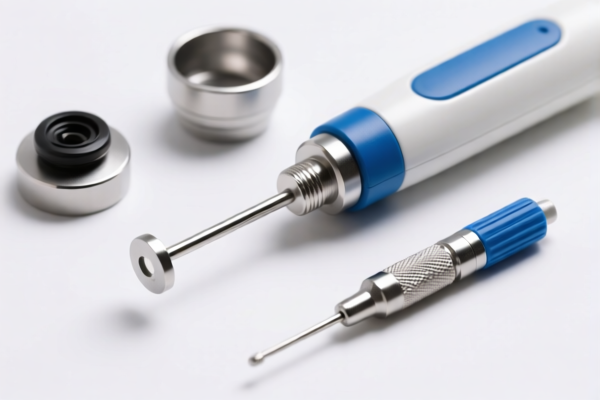
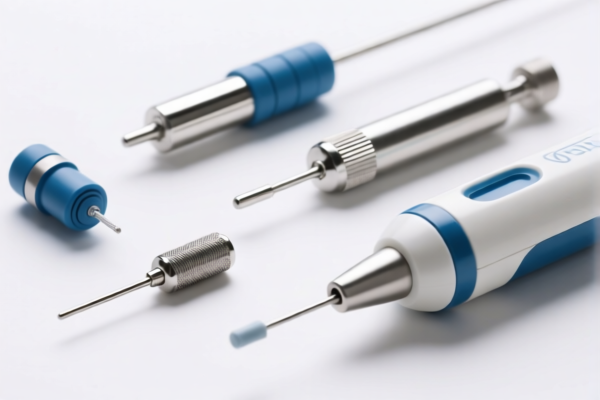
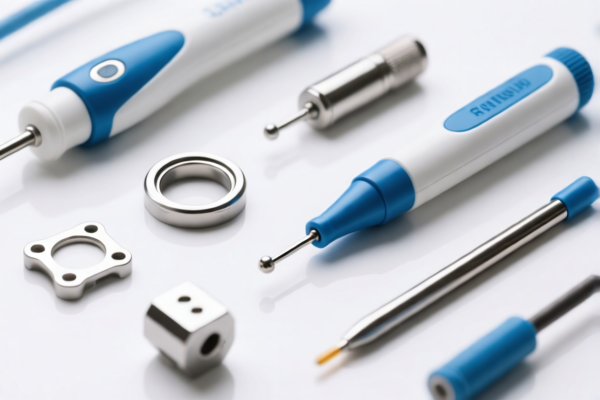
AI Analysis
🏥 Medical Instrument Parts (HS 9018.90.60.00)
🌐 HS Code Reference & Customs Clearance Guide | 2026 Latest Tariff Analysis | Professional Clearance Strategy
📌 I. Product Definition & Classification: Do You Really Understand “Medical Instrument Parts”?
"Medical Instrument Parts" is a broad category that includes components for devices used in diagnostics, therapy, surgery, and patient monitoring. In international trade, the correct classification depends entirely on the specific function, compatibility, and technical nature of the part.
⚠️ Key Distinction:
- If the part is exclusively used for a specific device (e.g., a pacemaker lead, hearing aid component) → It may fall under Chapter 9021 or specific sub-headings of 9018.
- If the part is a general component for various medical instruments (e.g., casings, generic mounts, non-specialized connectors) → It may fall under 9033.00.90.00.
- If the part is an electrical diagnostic component not specified elsewhere → It may fall under 9018.19 or 9018.14.
📦 II. HS Code Classification Details (Based on Provided Data)
The following HS Codes are derived from the provided dataset. Please note that the user input suggests 9018.90.60.00, but the provided data contains specific alternative codes with detailed tax implications. Below is the analysis based strictly on the <DATA> provided.
| HS Code | Summary Description | Tax Rate | Tax Detail Breakdown |
|---|---|---|---|
9033.00.90.00 |
Parts of medical instruments, classified as "Other parts and accessories of instruments" in Chapter 90. No material/shape conflict. | 39.4% | Base Tariff: 4.4% Section 301 Tariff: 25.0% Section 122 Tariff: 10% |
9021.90.40.80 |
Parts for hearing aids/heart pacemakers. "Parts" matches "Parts and accessories". Fits the "Other" (other) category under 9021.90.40. | 10.0% | Base Tariff: 0.0% Section 301 Tariff: 0.0% Section 122 Tariff: 10% |
9021.90.40.40 |
Other parts under 9021.90. Consistent with 9021.90.40.80 (other parts/accessories except hearing aids). No material/shape conflict. | 10.0% | Base Tariff: 0.0% Section 301 Tariff: 0.0% Section 122 Tariff: 10% |
9018.14.00.00 |
Directly matches medical instrument usage. No material/shape conflict. | 35.0% | Base Tariff: 0.0% Section 301 Tariff: 25.0% Section 122 Tariff: 10% |
9018.19.75.00 |
Matches "Instruments and apparatus for medical...". Inferred as electro-diagnostic equipment components due to "Medical Instrument" usage. | 35.0% | Base Tariff: 0.0% Section 301 Tariff: 25.0% Section 122 Tariff: 10% |
🔍 Critical Note on
9018.90.60.00:
The user input mentions9018.90.60.00, but this code is not present in the provided<DATA>. The provided data suggests alternatives like9018.14.00.00or9018.19.75.00for general medical instrument parts or electro-diagnostic components.
Recommendation: If your part is a general accessory not specific to Chapter 9021 (hearing aids/pacemakers) or specific electro-diagnostic devices (Chapter 9018.14/19), it may fall under 9033.00.90.00. Always verify with a customs broker.
💰 III. 2026 Latest Tariff Rate Explanation (Including Additional Taxes)
✅ Applicable Country: USA
✅ Origin: China
✅ Effective Time: 2025 November 10 (including subsequent imports)
🎯 1. 9033.00.90.00 —— General Parts of Medical Instruments
| Item | Content |
|---|---|
| Base Tariff | 4.4% |
| Section 301 Tariff | +25.0% |
| Section 122 Tariff | +10.0% |
| Total Tariff | 39.4% |
| Tax Calculation | CIF Value × 39.4% |
| De Minimis Exemption | ❌ Not Eligible |
| Legal Basis | USITC:9033.00.90.00 → FOOTNOTE:301 (25%) → IEEPA:122 (10%) |
📌 Explanation:
- This is a "General Accessory" category. If your part doesn't fit into specific medical device chapters (like 9021 or 9018.14/19), it falls here.
- High Tariff Alert: 39.4% is significant. Ensure your part is not more specifically classified elsewhere to avoid this rate.
🎯 2. 9021.90.40.80 & 9021.90.40.40 —— Parts for Hearing Aids / Pacemakers
| Item | Content |
|---|---|
| Base Tariff | 0.0% |
| Section 301 Tariff | 0.0% |
| Section 122 Tariff | +10.0% |
| Total Tariff | 10.0% |
| Tax Calculation | CIF Value × 10.0% |
| De Minimis Exemption | ❌ Not Eligible |
| Legal Basis | USITC:9021.90.40.xx → IEEPA:122 (10%) |
📌 Explanation:
- Huge Savings: Only 10% tariff!
- Condition: Must be definitively for hearing aids, heart pacemakers, or cochlear implants.
- Documentation: Provide product specs showing compatibility with these specific devices.
🎯 3. 9018.14.00.00 & 9018.19.75.00 —— Electro-Diagnostic Equipment Components
| Item | Content |
|---|---|
| Base Tariff | 0.0% |
| Section 301 Tariff | +25.0% |
| Section 122 Tariff | +10.0% |
| Total Tariff | 35.0% |
| Tax Calculation | CIF Value × 35.0% |
| De Minimis Exemption | ❌ Not Eligible |
| Legal Basis | USITC:9018.xx.xx → FOOTNOTE:301 (25%) → IEEPA:122 (10%) |
📌 Explanation:
- Applicable if the part is an electro-diagnostic component (e.g., sensors, electrodes, probes for ECG, EEG, etc.).
- Mid-Range Tariff: 35% is high but lower than general accessories (39.4%).
- Proof Required: Technical documents showing electro-diagnostic function.
🛠️ IV. Customs Clearance Practical Advice (Real-World Pitfall Guide)
✅ 1. Required Documentation Checklist
| Document | Required | Notes |
|---|---|---|
| ✅ Product Specification Sheet | ✔️ | Must clearly state intended medical device compatibility. |
| ✅ Technical Diagrams | ✔️ | Show how the part connects to the main device. |
| ✅ Product Photos (Label/Markeing) | ✔️ | Clear view of model number, brand, and any regulatory marks. |
| ✅ Third-Party Test Reports | ✔️ | FDA, CE, RoHS, IEC 60601 (if applicable). |
| ✅ Commercial Invoice | ✔️ | Describe as "Medical Instrument Parts – [Specific Function]" |
| ✅ Certificate of Origin (CO) | ✔️ | If not China-origin, may reduce tariffs. |
| ✅ Packing List | ✔️ | Clarify if parts are sold separately or as a kit. |
✅ 2. Declaration Tips (Key Mnemonics)
🔥 "Match the Device, Not Just the Name!"
| Scenario | Correct Declaration | Wrong Practice |
|---|---|---|
| Part for Hearing Aid | 9021.90.40.80 |
Calling it "Electronics Part" → 39.4% |
| Part for Heart Pacemaker | 9021.90.40.40 |
Calling it "General Medical Part" → 39.4% |
| Electro-Diagnostic Probe | 9018.19.75.00 |
Calling it "General Component" → 39.4% |
| Generic Mount/Case | 9033.00.90.00 |
Trying to force it into 9021 → Misclassification |
📌 Key Rule:
- If your part is specific to a device in Chapter 9021 (Hearing/Pacemakers), use 9021 codes.
- If it’s for electro-diagnostic devices (ECG, EEG), use 9018 codes.
- If it’s generic (casings, non-specific brackets), use 9033.
✅ 3. Special Cases
| Case | Handling Advice |
|---|---|
| OEM Custom Parts | Provide client order + design drawings to prove specific device compatibility. |
| Multi-Purpose Parts | If used for both medical and non-medical, choose the primary use. If unclear, 9033.00.90.00 is the safe fallback (but higher tax). |
| Parts with Software | If the part includes firmware for medical functions, it may be classified as a device, not a part → Higher scrutiny. |
| Used/Refurbished Parts | May face additional FDA restrictions. Ensure compliance with 21 CFR 801/809. |
🌍 V. Global Market Comparison (2026 Latest)
| Country/Region | Recommended HS Code | Tariff | Certification | Notes |
|---|---|---|---|---|
| 🇺🇸 USA | 9021.90.40.80 (if hearing aid) |
10.0% | FDA 510(k) / IEC 60601 | High tariff for general parts (39.4%) |
| 🇨🇳 China | 9021.90.40.80 |
0% | CCC + NMPA | No additional tariffs |
| 🇪🇺 EU | 9021.90.40.80 |
0% | CE MDR | No additional tariffs |
| 🇬🇧 UK | 9021.90.40.80 |
0% | UKCA | No additional tariffs |
| 🇦🇺 Australia | 9021.90.40.80 |
0% | TGA | No additional tariffs |
📌 Conclusion:
- USA is the only major market with significant Section 301/122 tariffs on Chinese-origin medical parts.
- Classification is critical: Misclassifying a hearing aid part as a "general part" can increase your cost by 29.4% (from 10% to 39.4%).
- Strategy: Always aim for the most specific HS code possible to minimize tariffs.
📌 VI. Common Mistakes & Pitfalls (Lessons Learned)
❌ Mistake 1: Calling all medical parts "General Medical Accessories"
👉 Result: Classify as 9033.00.90.00 → 39.4% tariff instead of 10%.
Fix: Provide specific device compatibility documentation.
❌ Mistake 2: Ignoring Section 122 Tariff
👉 Result: Underestimating costs. Even 0% base tariff items have +10% IEEPA.
Fix: Always add +10% to any Chinese-origin medical product.
❌ Mistake 3: Confusing 9018 (Diagnostic) with 9033 (General)
👉 Result: Misclassification leads to delays or audits.
Fix: If the part is an electrode, sensor, or probe for diagnostic equipment, use 9018.
❌ Mistake 4: Not declaring origin correctly
👉 Result: If not China-origin, you may avoid Section 301/122 tariffs.
Fix: Provide valid CO for non-China origins.
✅ Correct Practice:
"Medical Instrument Part – [Specific Function, e.g., 'Hearing Aid Dome'] – Compatible with [Brand/Model] – FDA Registered Facility – Model XYZ"
🎯 VII. Conclusion: Professional Declaration, Save Time, Cut Costs!
🎯 Remember the Mnemonic:
🔹 "Specific Device, Low Tax; General Part, High Tax."
🔹 "10% for Hearing/Pacemaker, 35% for Diagnostic, 39.4% for General."
🔹 "Don’t guess HS Code – Prove it with specs!"
📌 Pro Tip:
- If your parts are originating from Vietnam, Mexico, or Thailand, you may qualify for IEEPA Exemptions (lower tariffs).
- Apply for an Advance Ruling with CBP if your product is unique. This provides legal certainty and prevents post-clearance audits.
📣 Immediate Action:
📞 Contact a licensed customs broker.
📂 Provide product specs + compatibility info.
🚀 Clear customs smoothly, save on taxes, and boost profits!
✨ Professional clearance starts with accurate classification!
💼 Every penny of cost deserves precise calculation!
Customer Reviews
About HS Code Classification
The Harmonized System (HS) is an internationally standardized nomenclature developed by the World Customs Organization (WCO) to classify traded products. Over 200 countries use the HS system as the basis for customs tariffs, trade statistics, and import/export regulations.
Each HS code follows a hierarchical structure:
- Chapter (2 digits) — Broad category of goods (e.g., Chapter 84: Machinery and Mechanical Appliances)
- Heading (4 digits) — More specific grouping within the chapter
- Subheading (6 digits) — Internationally standardized breakdown, used by all WCO member countries
- National subdivisions (8-10 digits) — Country-specific extensions for further classification, such as US HTSUS 10-digit codes
Correct HS code classification is essential for smooth customs clearance, accurate duty payment, and compliance with trade regulations. Misclassification can lead to customs delays, overpayment of duties, or penalties.
When importing from CN to US, the applicable tariff rates may include:
- Most-Favored-Nation (MFN) rate — The standard duty rate applied to WTO members
- General rate — Applied to countries without trade agreements
- Trade remedy duties — Additional tariffs such as Section 301 (anti-dumping), Section 232 (national security), or countervailing duties
The information provided on this page is for reference purposes only. For official classification, please consult with your local customs authority or a licensed customs broker.