Medical Invalid Nursing Cushions
CN → US| HS Code | Tariff Rate | Origin | Destination | Doc |
|---|---|---|---|---|
| 6307906010 | 17.5% | CN | US | Official Doc |
| 6307906090 | 17.5% | CN | US | Official Doc |
| 4823908000 | 35.0% | CN | US | Official Doc |
| 4823908620 | 35.0% | CN | US | Official Doc |
Product Images
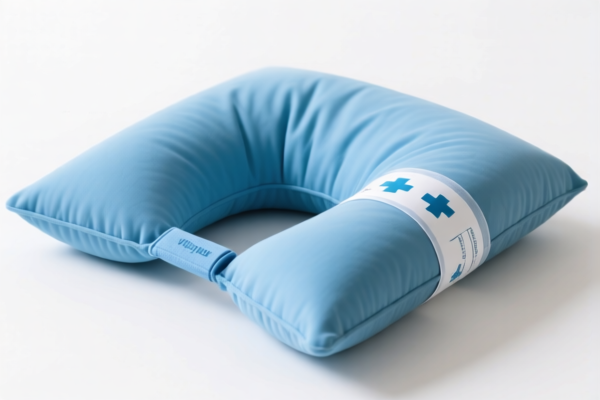
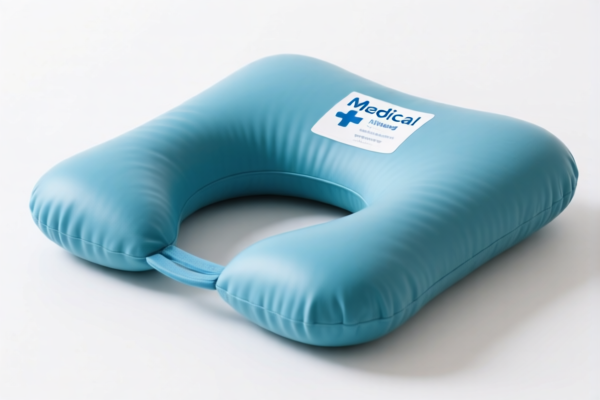
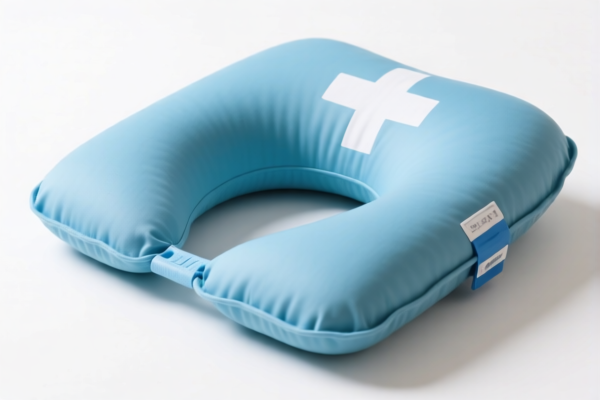
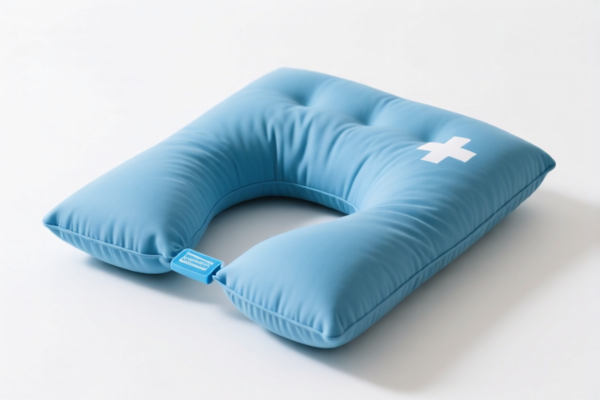
AI Analysis
🛌 Medical Invalid Nursing Cushions (Medical Care Pads)
🌐 HS Code Reference & Customs Clearance Guide | 2026 Latest Tariff Analysis | Professional-Level Clearance Strategy
📌 I. Product Definition & Classification: What Exactly Are "Medical Invalid Nursing Cushions"?
Medical Invalid Nursing Cushions (also known as Medical Care Pads or Medical Bed Pads) are specialized hygiene and protective products used in healthcare, elderly care, and clinical settings. They are designed to absorb moisture, protect mattresses/bedding, and maintain patient hygiene.
In international trade, their classification depends heavily on their material composition and structure:
1. Paper-Based or Coated Paper Products:
- Made primarily from paper, cellulose, or fluff pulp.
- Often coated with plastic (PE/PP) or other materials for water resistance.
- Key Feature: The core is paper/fiber-based.
2. Non-Woven Fabric or Textile-Based Products:
- Made from non-woven fabrics (PP/PE), absorbent materials, or composite layers.
- Key Feature: Resembles textile or medical drape rather than pure paper.
⚠️ Critical Distinction Point:
- If the product is primarily paper-based (even if coated) → It falls under Chapter 48 (Paper Products).
- If the product is primarily non-woven/textile-based (acting as a medical drape/sheet) → It may fall under Chapter 63 (Other Made-Up Textile Articles).
- Misclassification Risk: Classifying a paper-based pad as "textile" or vice versa can lead to significant tariff differences (e.g., 17.5% vs. 35%).
📦 II. HS Code Classification Details (2026 Latest Tariff Authority Mapping)
| HS Code | Product Description | Applicable Scenario | Primary Material |
|---|---|---|---|
6307.90.60.10 |
Medical Care Pads, in the field of medical nursing; likely paper-based or coated materials | Clinical use, elderly care, hospital bedding protection | Paper/Coated Paper |
6307.90.60.90 |
Medical Care Pads, categorized under medical drapes/sheets; may include paper-based fabrics or paper-lined components | Medical drape context, composite materials | Non-woven/Paper Composite |
4823.90.80.00 |
Medical Care Pads, made of paper, cellulose, or absorbent fiber; shape is pad/cushion form | Pure paper or high-pulp content pads | Paper/Cellulose |
4823.90.86.20 |
Medical Care Pads, composed of non-woven fabric or absorbent materials, matching characteristics of paper/fiber products | High-absorbency pads, non-woven surface with paper core | Non-Woven/Paper Hybrid |
🔍 Key Reminder:
- Products classified under 6307.90.60.xx are treated as "Other Made-Up Textile Articles" but specifically for medical/nursing use.
- Products classified under 4823.90.xx are treated as "Other Paper Articles" shaped into pads.
- The material dictates the chapter: Paper → Ch. 48; Textile/Non-woven → Ch. 63. However, US Customs often scrutinizes the primary value and function for hybrid products.
💰 III. 2026 Latest Tariff Rate Detailed Breakdown (Including Additional Taxes & Policy Surcharges)
✅ Applicable Country: United States (US)
✅ Country of Origin: China (CN)
✅ Effective Date: November 10, 2025 onwards
🎯 1. 6307.90.60.10 & 6307.90.60.90 —— Medical Care Pads (Textile/Medical Drape Category)
| Item | Content |
|---|---|
| Basic Tariff Rate | 0% (ad valorem) |
| Section 301 Additional Tariff | +7.5% |
| Section 122 Tariff | +10% |
| Total Tariff Rate | 17.5% |
| Tax Calculation | CIF Value × 17.5% |
| De Minimis Exemption Eligible? | ❌ No (denied_de_minimis) |
| Legal Basis Path | USITC:6307.90.60.10/90 → SECTION_301:7.5% → SECTION_122:10% |
📌 Explanation:
- These HS codes are classified under "Other Made-Up Textile Articles."
- They benefit from a 0% basic tariff.
- However, they are subject to Section 301 tariffs (+7.5%) and Section 122 tariffs (+10%) for goods originating from China.
- Total Burden: 17.5%. This is a moderate burden compared to paper-based alternatives.
🎯 2. 4823.90.80.00 & 4823.90.86.20 —— Medical Care Pads (Paper Product Category)
| Item | Content |
|---|---|
| Basic Tariff Rate | 0% (ad valorem) |
| Section 301 Additional Tariff | +25.0% |
| Section 122 Tariff | +10% |
| Total Tariff Rate | 35.0% |
| Tax Calculation | CIF Value × 35.0% |
| De Minimis Exemption Eligible? | ❌ No (denied_de_minimis) |
| Legal Basis Path | USITC:4823.90.80.00/86.20 → SECTION_301:25% → SECTION_122:10% |
📌 Explanation:
- These HS codes are classified under "Other Paper Articles."
- They also benefit from a 0% basic tariff.
- However, they are subject to Section 301 tariffs (+25.0%) (higher than the 7.5% for textile-like codes) and Section 122 tariffs (+10%).
- Total Burden: 35.0%. This is a high tariff burden, nearly double that of the 6307 classification.⚠️ Critical Insight:
- Classifying as Paper (4823) vs. Textile/Medical Drape (6307) changes the tariff by 17.5 percentage points!
- For a $100,000 shipment, the difference is $17,500.
- Therefore, product material documentation is crucial.
🛠️ IV. Customs Clearance Practical Advice (Real-World Pitfall Avoidance Guide)
✅ 1. Documentation Checklist (All Required)
| Document | Mandatory? | Notes |
|---|---|---|
| ✅ Product Specification Sheet | ✔️ | Must detail layers: surface material, absorption core, backing material. |
| ✅ Material Composition Statement | ✔️ | Explicitly state % of paper, non-woven, plastic, etc. |
| ✅ Product Photos | ✔️ | Show texture, flexibility, and packaging. |
| ✅ Commercial Invoice | ✔️ | Use precise description: e.g., "Medical Care Pad, Non-Woven Surface, Absorbent Core." |
| ✅ Bill of Lading / Air Waybill | ✔️ | Ensure weight and dimensions match invoice. |
| ✅ Import Security Filing (ISF) | ✔️ | File 24 hours before loading. |
✅ 2. Declaration Strategy (Key Mnemonic)
🔥 "Material Dictates Code, 6307 is Cheaper, 4823 is Expensive, Prove It!"
| Scenario | Correct HS Code | Incorrect Code | Consequence |
|---|---|---|---|
| Non-woven top layer + absorbent core | 6307.90.60.10/90 (17.5%) |
4823.90.80.00 (35%) |
Overpaid $17.5k per $100k |
| Pure Paper/Pulp Pad | 4823.90.80.00 (35%) |
6307.90.60.10 (17.5%) |
Underpaid → Penalty + Back Duty |
| Coated Paper Pad (Paper core, plastic coat) | Often 4823 or 6307 depending on principal feature |
Ambiguous | Customs Ruling Needed |
📌 Recommendation:
- If your product has a non-woven fabric surface (even if the core is paper), argue for 6307.90.60.10/90 as it is "used in medical nursing" and structurally resembles a textile article.
- If the product is 100% paper/fiber with no non-woven fabric, you must use 4823.
✅ 3. Special Handling Cases
| Case | Advice |
|---|---|
| Customs Audit Risk | Customs may reclassify 6307 to 4823 if they determine the paper component is predominant. Provide lab tests proving non-woven dominance. |
| Section 122 Tariff (10%) | Applies to all Chinese-origin goods under these codes. No avoidance strategy here except for origin shifting (e.g., third-country assembly). |
| De Minimis (Section 321) | ❌ Not eligible. These products are explicitly excluded from the $800 de minimis exemption due to Section 301 and 122 tariffs. Full entry required. |
🌍 V. Global Market Comparison (2026 Latest)
| Country/Region | Recommended HS Code | Total Tariff (China Origin) | Certification | Remarks |
|---|---|---|---|---|
| 🇺🇸 USA | 6307.90.60.10 |
17.5% | FDA (if Class I Med Device) | Cheapest option for non-woven |
| 🇺🇸 USA | 4823.90.80.00 |
35.0% | FDA | Avoid if possible due to high tariff |
| 🇪🇺 EU | 6307.90.90 |
0% - 6% | CE, ISO 13485 | Lower barriers, but strict medical device regs |
| 🇨🇳 China | 6307.90.90 |
5% - 15% | N/A | Import duty varies |
📌 Conclusion:
- USA is the most tariff-sensitive market for these goods.
- Classifying as Non-Woven/Medical Drape (6307) saves 17.5% vs. Paper (4823).
- Ensure your product visually and materially supports the6307classification.
📌 VI. Common Mistakes & Pitfalls (Blood-Tears Lesson)
❌ Mistake 1: Declaring all nursing pads as 4823 out of habit.
👉 Consequence: You pay 35% instead of 17.5%. Loss of profit margin.
❌ Mistake 2: Declaring non-woven pads as 6307 without proof.
👉 Consequence: Customs reclassifies to 4823 during audit → Back duties + Penalties.
❌ Mistake 3: Assuming De Minimis ($800) applies.
👉 Consequence: Shipment seized or rejected at port because Section 301/122 goods cannot use Section 321 exemption.
❌ Mistake 4: Vague product description ("Nursing Pad").
👉 Consequence: Customs assigns default code, likely 4823 (highest risk).
✅ Correct Description:
"Medical Care Pad, Non-Woven Polypropylene Surface, Absorbent Cellulose Core, Disposable, for Hospital/Elderly Use."
🎯 VII. Conclusion: Professional Classification Saves Money!
🎯 Remember the Mnemonic:
🔹 "Non-Woven is 17.5%, Paper is 35%, Prove the Material!"
🔹 "No De Minimis for China, File Full Entry!"
🔹 "Section 122 Hits All, 10% Extra on Top!"
📌 Pro Tip:
If your product contains both non-woven and paper, consult a customs broker to request a Binding Tariff Information (BTI) or Advance Ruling from CBP. This locks in the 6307 classification and protects you from future audits.
📣 Immediate Action:
📞 Contact your customs broker + Provide material sample + Submit for Pre-Ruling
🚀 Secure the 17.5% rate, avoid the 35% trap, and clear customs smoothly!
✨ Professional Customs Clearance Starts with Precise Classification!
💼 Every Percentage Point Counts in Your Bottom Line!
Customer Reviews
About HS Code Classification
The Harmonized System (HS) is an internationally standardized nomenclature developed by the World Customs Organization (WCO) to classify traded products. Over 200 countries use the HS system as the basis for customs tariffs, trade statistics, and import/export regulations.
Each HS code follows a hierarchical structure:
- Chapter (2 digits) — Broad category of goods (e.g., Chapter 84: Machinery and Mechanical Appliances)
- Heading (4 digits) — More specific grouping within the chapter
- Subheading (6 digits) — Internationally standardized breakdown, used by all WCO member countries
- National subdivisions (8-10 digits) — Country-specific extensions for further classification, such as US HTSUS 10-digit codes
Correct HS code classification is essential for smooth customs clearance, accurate duty payment, and compliance with trade regulations. Misclassification can lead to customs delays, overpayment of duties, or penalties.
When importing from CN to US, the applicable tariff rates may include:
- Most-Favored-Nation (MFN) rate — The standard duty rate applied to WTO members
- General rate — Applied to countries without trade agreements
- Trade remedy duties — Additional tariffs such as Section 301 (anti-dumping), Section 232 (national security), or countervailing duties
The information provided on this page is for reference purposes only. For official classification, please consult with your local customs authority or a licensed customs broker.