Medical Rubber Stopper
CN → US| HS Code | Tariff Rate | Origin | Destination | Doc |
|---|---|---|---|---|
| 4016991500 | 20.2% | CN | US | Official Doc |
| 4016990500 | 20.9% | CN | US | Official Doc |
| 3926904510 | 38.5% | CN | US | Official Doc |
| 4016935010 | 37.5% | CN | US | Official Doc |
| 3926904510 | 38.5% | CN | US | Official Doc |
Product Images
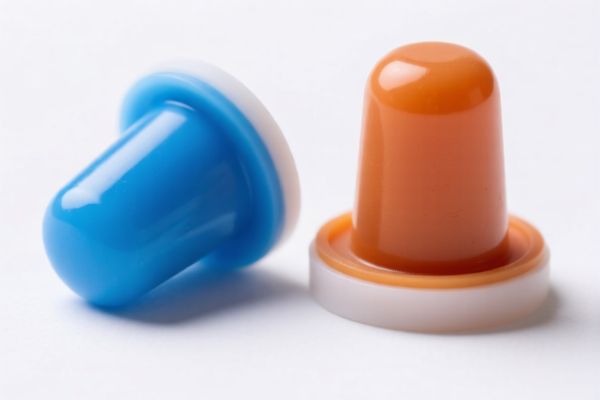

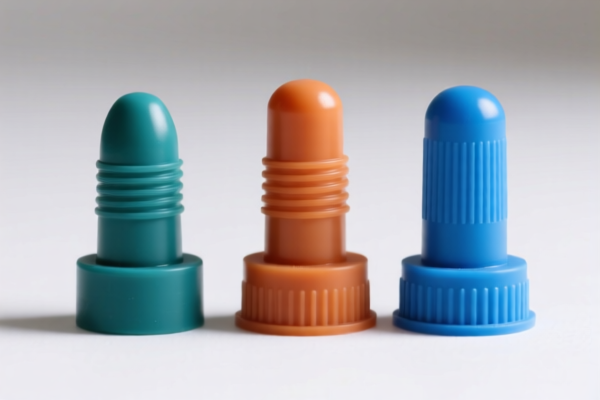

AI Analysis
🏥 Medical Rubber Stopper (Lab & Medical Grade)
🌐 HS Code Reference & Customs Clearance Guide | 2026 Latest Tariff Analysis | Professional-Level Compliance Strategy
📌 Part I: Product Definition & Classification: What Exactly is a "Medical Rubber Stopper"?
Medical rubber stoppers are critical sealing components used in pharmaceutical packaging, laboratory testing tubes, and medical devices. They ensure hermetic sealing to maintain sterility and prevent leakage. In international trade, their classification depends heavily on: 1. Material Composition: Natural rubber, synthetic rubber (e.g., butyl, EPDM), or plastic-rubber blends. 2. Physical Form: Plugged/cork-like shapes vs. general rubber articles. 3. Function: General sealing vs. specialized medical/laboratory use.
⚠️ Key Distinction:
- If made purely of rubber (natural or synthetic) and shaped as a plug/cork → Typically falls under Chapter 40.
- If made of plastic or composite materials marketed as "rubber-like" → May fall under Chapter 39.
- Critical Note: Misclassification between "Rubber Plug" and "General Rubber Article" can lead to significantly different tariff rates due to US-China trade policies.
📦 Part II: HS Code Classification Details (2026 Latest Tariff Concordance)
| HS Code | Product Description | Applicable Scenario | Material Type |
|---|---|---|---|
4016.99.15.00 |
Rubber Stopper, material is rubber, form is stopper | General rubber stoppers, non-specific medical/lab use | Rubber (Generic) |
4016.99.05.00 |
Rubber Stopper, material is vulcanized rubber, form is stopper; classified as other general rubber articles | Vulcanized rubber stoppers, common in lab vials | Vulcanized Rubber |
3926.90.45.10 |
Rubber Stopper, material is plastic/rubber class, form is seal | Composite materials, plastic-rubber blends, marketed as seals | Plastic/Rubber Composite |
4016.93.50.10 |
Natural Rubber Stopper, material is natural rubber, form is seal/gasket | Pure natural rubber stoppers, specific sealing applications | Natural Rubber |
3926.90.45.10 |
Natural Rubber Stopper, material is plastic/rubber class, form is seal | Note: Duplicate entry in source data for composite/natural mix | Plastic/Rubber Composite |
🔍 Key Insight:
-4016.xxcodes apply to pure rubber products.
-3926.90.45.10applies to plastic/rubber composites or items classified under plastic headings due to material composition or manufacturing process.
-4016.93.50.10is specific to natural rubber seals/gaskets, which may attract different duties than synthetic/rubber blends.
💰 Part III: 2026 Latest Tariff Rate Breakdown (Including Add-ons, Policy Surcharges)
✅ Applicable Country: United States (US)
✅ Country of Origin: China (CN)
✅ Effective Date: From November 10, 2025 (and subsequent imports)
🎯 1. 4016.99.15.00 —— Rubber Stopper (Generic Rubber)
| Item | Details |
|---|---|
| Base Tariff | 2.7% |
| Section 301 Add-on | 7.5% |
| Section 122 Tariff | 10.0% |
| Total Rate | 20.2% |
| Tax Calculation | CIF Value × 20.2% |
| De Minimis Exemption | ❌ Not Available (deny_de_minimis) |
| Legal Basis Path | Base: 2.7% → 301: 7.5% → 122: 10% |
📌 Explanation:
- Base 2.7%: Standard MFN rate for rubber articles.
- Section 301 (7.5%): Tariff imposed under Trade Promotion Authority.
- Section 122 (10%): Additional tariff under Section 122 of the Trade Act of 1974 (often related to national security or supply chain issues).
- Total 20.2%: Moderate-high rate. Must be accounted for in cost modeling.
🎯 2. 4016.99.05.00 —— Vulcanized Rubber Stopper (Other General Rubber Articles)
| Item | Details |
|---|---|
| Base Tariff | 3.4% |
| Section 301 Add-on | 7.5% |
| Section 122 Tariff | 10.0% |
| Total Rate | 20.9% |
| Tax Calculation | CIF Value × 20.9% |
| De Minimis Exemption | ❌ Not Available |
| Legal Basis Path | Base: 3.4% → 301: 7.5% → 122: 10% |
📌 Note:
- Slightly higher than generic rubber stoppers due to the "general rubber article" classification.
- Applies to vulcanized rubber products that don’t fit more specific subheadings.
🎯 3. 3926.90.45.10 —— Plastic/Rubber Composite Stopper (Seal)
| Item | Details |
|---|---|
| Base Tariff | 3.5% |
| Section 301 Add-on | 25.0% |
| Section 122 Tariff | 10.0% |
| Total Rate | 38.5% |
| Tax Calculation | CIF Value × 38.5% |
| De Minimis Exemption | ❌ Not Available |
| Legal Basis Path | Base: 3.5% → 301: 25% → 122: 10% |
📌 Warning:
- HIGHEST RATE AMONG OPTIONS.
- If your product is classified as having a plastic component or is marketed as a "seal" under Chapter 39, the 25% Section 301 tariff kicks in, drastically increasing costs.
- Even "natural rubber" stoppers misclassified under this code will face the 38.5% rate.
🎯 4. 4016.93.50.10 —— Natural Rubber Stopper (Seal/Gasket)
| Item | Details |
|---|---|
| Base Tariff | 2.5% |
| Section 301 Add-on | 25.0% |
| Section 122 Tariff | 10.0% |
| Total Rate | 37.5% |
| Tax Calculation | CIF Value × 37.5% |
| De Minimis Exemption | ❌ Not Available |
| Legal Basis Path | Base: 2.5% → 301: 25% → 122: 10% |
📌 Critical Warning:
- Despite being natural rubber, this code attracts the 25% Section 301 tariff.
- This is likely due to specific subheading provisions for "seals/gaskets" under rubber articles that are subject to higher add-ons.
- Avoid this classification if possible unless explicitly required by customs for natural rubber seals.
🛠️ Part IV: Customs Clearance Practical Advice (Real-World Pitfall Avoidance)
✅ 1. Required Documentation Checklist (Non-negotiable)
| Document | Must Provide | Description |
|---|---|---|
| ✅ Product Specification Sheet | ✔️ | Detailed composition (Natural vs. Synthetic vs. Composite), hardness, tensile strength. |
| ✅ Material Safety Data Sheet (MSDS) | ✔️ | Especially if chemical-resistant or medical-grade. |
| ✅ Product Photos (Labeling & Packaging) | ✔️ | Show "Medical Grade," "Sterile," or material composition. |
| ✅ Third-Party Test Reports | ✔️ | USP Class VI, ISO 10993 (biocompatibility), FDA compliance documents. |
| ✅ Commercial Invoice | ✔️ | Clearly state: "Medical Rubber Stopper," HS Code, Country of Origin. |
| ✅ Packing List | ✔️ | Show quantity, weight, dimensions. |
| ✅ Certificate of Origin (CO) | ✔️ | Required for tariff verification. |
✅ 2. Classification Strategy (Key Rules)
🔥 “Material Determines Code, Function Confirms It, Don’t Mix Plastic & Rubber!”
| Scenario | Correct Classification | Risk if Wrong |
|---|---|---|
| Pure Synthetic/Natural Rubber Stopper | 4016.99.15.00 or 4016.99.05.00 |
Avoid 3926.90.45.10 to save 18%+ in tariffs. |
| Plastic-Rubber Composite | 3926.90.45.10 |
Higher tariff (38.5%) but might be legally required if plastic dominates. |
| Natural Rubber Seal/Gasket | 4016.93.50.10 |
High Risk: Attracts 25% add-on. Justify if it’s strictly a gasket/seal. |
| Medical Sterile Packaging | Same HS Code | Packaging doesn’t change HS; ensure "sterile" is noted but not used to misclassify. |
✅ 3. Special Case Handling
| Situation | Recommendation |
|---|---|
| OEM Medical Stopper | Provide client specs + FDA compliance docs. Avoid generic terms like "rubber plug." |
| Combined Shipment (Plastic Tubes + Rubber Stoppers) | Separate HS Codes! Don’t lump together. Rubber stoppers need their own classification. |
| Biocompatible/USP Class VI | Highlight in description. May help in customs scrutiny but doesn’t change HS code directly. |
| Small Batches (De Minimis) | ❌ Do NOT rely on de minimis. All listed codes have deny_de_minimis. Ship via B2B with full duties. |
🌍 Part V: Global Market Comparison (2026 Latest)
| Country/Region | Recommended HS Code | Tariff Rate | Certification | Notes |
|---|---|---|---|---|
| 🇺🇸 United States | 4016.99.15.00 |
20.2% (Best) | FDA, USP VI | Avoid 3926 and 4016.93 if possible due to 25% add-on. |
| 🇨🇳 China | 4016.99.15.00 |
3-5% | NMPA | Lower base rates, no Section 301. |
| 🇪🇺 EU | 4016.99.99 |
4-6% | CE, ISO 13485 | No high add-ons. Focus on biocompatibility. |
| 🇯🇵 Japan | 4016.93.900 |
3-5% | PMDA | Similar to China. Low base rates. |
📌 Conclusion:
- The US is the most challenging market due to Section 301 and Section 122 tariffs.
- Optimize for4016.99.15.00or4016.99.05.00to stay under 21%.
- Avoid3926.90.45.10and4016.93.50.10unless your product composition strictly requires it, as they trigger the 25% Section 301 tariff.
📌 Part VI: Common Mistakes & Pitfall Guide (Blood & Tears Lessons)
❌ Mistake 1: Classifying a plastic-rubber composite as pure rubber to avoid 25% tariff.
👉 Consequence: Customs audit → Rejection + Fine + Delay.
✅ Fix: Be honest about composition. If plastic > rubber, use 3926. If rubber > plastic, argue for 4016.
❌ Mistake 2: Using "Medical Stopper" as the only description.
👉 Consequence: Customs may classify based on broad "other rubber articles" → Higher risk of wrong code.
✅ Fix: Specify "Vulcanized Rubber Stopper, Natural/Synthetic, for Medical Vials."
❌ Mistake 3: Assuming small shipments are duty-free.
👉 Consequence: All codes listed have deny_de_minimis. You will pay taxes on every package.
✅ Fix: Budget for 20-38% tariffs in your pricing model.
❌ Mistake 4: Confusing "Gasket/Seal" with "Stopper."
👉 Consequence: Misclassification under 4016.93 (gaskets) may attract 25% tariff.
✅ Fix: If it’s a stopper for a vial, use 4016.99. If it’s a flat seal, consider 4016.93 but accept the higher rate.
🎯 Part VII: Conclusion: Professional Classification, Save Costs, Ensure Compliance!
🎯 Remember These Rules:
🔹 “Pure Rubber = 20%; Composite/Natural Seal = 37-38%. Choose
4016.99to Save!”
🔹 “No De Minimis for US Imports. Plan Your Budget.”
🔹 “FDA Docs Don’t Change HS Code, But They Prove Medical Use.”
📌 Pro Tip:
If your rubber stoppers are originating from Vietnam, Mexico, or Thailand, you may qualify for IEEPA Exemptions or lower Section 301 rates.
Consider Advance Ruling from US Customs to lock in the correct HS Code and avoid post-clearance penalties.
📣 Immediate Action:
📞 Contact your customs broker + Provide material composition proof + Apply for Advance Ruling
🚀 Ensure your Medical Rubber Stoppers clear customs smoothly, cost-effectively, and compliantly!
✨ Professional Customs Clearance Starts with Accurate Classification!
💼 Every Percent of Tariff Matters. Optimize It!
Customer Reviews
About HS Code Classification
The Harmonized System (HS) is an internationally standardized nomenclature developed by the World Customs Organization (WCO) to classify traded products. Over 200 countries use the HS system as the basis for customs tariffs, trade statistics, and import/export regulations.
Each HS code follows a hierarchical structure:
- Chapter (2 digits) — Broad category of goods (e.g., Chapter 84: Machinery and Mechanical Appliances)
- Heading (4 digits) — More specific grouping within the chapter
- Subheading (6 digits) — Internationally standardized breakdown, used by all WCO member countries
- National subdivisions (8-10 digits) — Country-specific extensions for further classification, such as US HTSUS 10-digit codes
Correct HS code classification is essential for smooth customs clearance, accurate duty payment, and compliance with trade regulations. Misclassification can lead to customs delays, overpayment of duties, or penalties.
When importing from CN to US, the applicable tariff rates may include:
- Most-Favored-Nation (MFN) rate — The standard duty rate applied to WTO members
- General rate — Applied to countries without trade agreements
- Trade remedy duties — Additional tariffs such as Section 301 (anti-dumping), Section 232 (national security), or countervailing duties
The information provided on this page is for reference purposes only. For official classification, please consult with your local customs authority or a licensed customs broker.