Medical Waste Special Protective Suit
CN → US| HS Code | Tariff Rate | Origin | Destination | Doc |
|---|---|---|---|---|
| 3926909950 | 22.8% | CN | US | Official Doc |
| 6210105010 | 17.5% | CN | US | Official Doc |
| 6210105090 | 17.5% | CN | US | Official Doc |
| 4015900050 | 39.0% | CN | US | Official Doc |
| 4015900010 | 39.0% | CN | US | Official Doc |
Product Images
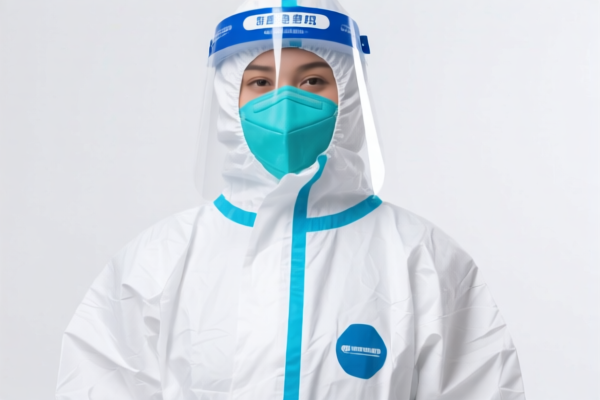

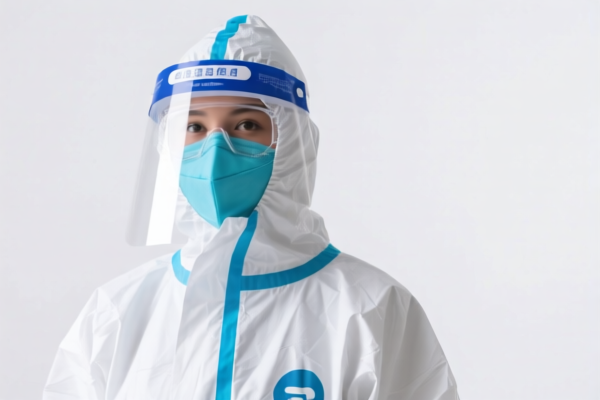
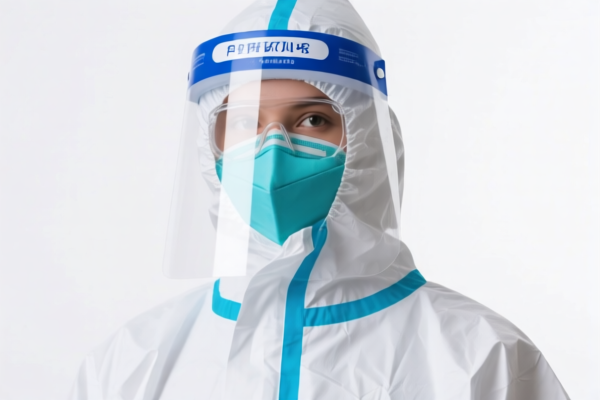
AI Analysis
🛡️ Medical Waste Special Protective Suit (Biohazard PPE)
🌐 HS Code Reference & Customs Clearance Guide | 2026 Latest Tariff Analysis | Professional Clearance Strategy
📌 One, Product Definition and Classification: Do You Really Understand "Medical Waste Protective Suits"?
Medical waste special protective suits are critical Personal Protective Equipment (PPE) used by healthcare workers, biomedical waste handlers, and emergency responders to prevent exposure to hazardous materials, infectious agents, and chemical contaminants. In international trade, their classification strictly depends on the material composition and functional design, leading to drastically different tariff structures.
Key Material Distinctions: * Plastic/Synthetic Fibers (Plastic Goods): Non-woven or woven fabrics primarily classified under plastic products if they lack specific textile characteristics recognized as clothing. * Non-Woven Fabrics (Textiles): Surgical gowns or isolation gowns made from spunbond/melt-blown materials, typically classified under textile apparel. * Rubber/Vulcanized Rubber: Heavy-duty suits made from latex or synthetic rubber, classified under rubber goods.
⚠️ Critical Classification Point:
- If the suit is made of plastic/synthetic fibers not meeting the definition of "textile apparel" → HS 3926.90.99.50 (High Risk).
- If the suit is non-woven fabric designed as a gown/isolation suit → HS 6210.10.50.10 / .90 (Medium Risk).
- If the suit is rubber/elastomeric → HS 4015.90.00.50 / .10 (Highest Risk).
📦 Two, HS Code Classification Details (2026 Latest Tariff Authority Comparison)
| HS Code | Product Description | Application Scenario | Material Type |
|---|---|---|---|
3926.90.99.50 |
Special protective suits for medical waste, made of plastic or synthetic fibers; classified as plastic products. | Basic isolation, low-risk waste handling | Plastic / Synthetic Fiber |
6210.10.50.10 |
Special protective suits for medical waste, made of non-woven fabric; function as surgical gowns or isolation gowns. | Healthcare settings, surgery, patient isolation | Non-Woven Textile |
6210.10.50.90 |
Special protective suits for medical waste, made of non-woven fabric; classified as other protective clothing. | General medical waste handling, cleaning | Non-Woven Textile |
4015.90.00.50 |
Special protective suits for medical waste, made of vulcanized rubber or similar polymer materials; classified as other clothing and accessories. | High-risk biohazard, chemical spill response | Vulcanized Rubber |
4015.90.00.10 |
Special protective suits for medical waste, made of rubber or synthetic materials; classified as fallback clothing items. | Heavy-duty industrial/medical protection | Rubber / Synthetic Material |
🔍 Key Reminder:
- Material dictates classification. Misidentifying a non-woven suit as a plastic product or vice versa can lead to significant duty discrepancies. - "Protective Suit" vs. "Clothing": Rubber suits are often scrutinized more heavily due to their industrial/chemical resistance properties, leading to higher tariffs. - Non-Woven Textiles are generally the most common for medical waste suits and fall under Chapter 62 (Articles of Apparel and Clothing Accessories, Not Knitted or Crocheted).
💰 Three, 2026 Latest Tariff Rate Breakdown (Including Surtaxes and Policy Add-ons)
✅ Applicable Country: United States (US)
✅ Origin: China (CN)
✅ Effective Date: Current as of 2026 (Includes all applicable surtaxes)
🎯 1. 3926.90.99.50 —— Medical Waste Protective Suit (Plastic/Synthetic)
| Item | Content |
|---|---|
| Base Duty Rate | 5.3% (Ad Valorem) |
| Section 301 Surtax | +7.5% (China-specific) |
| Section 122 Surtax | +10% (Specific policy add-on for this category) |
| Total Duty Rate | 22.8% |
| Tax Calculation | CIF Value × 22.8% |
| De Minimis Eligibility | ❌ Not Eligible (Standard for this category) |
| Legal Basis Path | HTSUS:3926.90.99.50 → Section 301: 7.5% → Section 122: 10% |
📌 Explanation:
- Base 5.3%: Standard MFN rate for other plastic articles. - Section 301 (7.5%): Applied to Chinese-origin plastic goods under specific trade remedies. - Section 122 (10%): A specific additional duty applied to certain protective gear categories due to recent trade policies. - Total 22.8%: Moderate to high. Must declare material accurately as "plastic/synthetic fiber" to avoid misclassification penalties.
🎯 2. 6210.10.50.10 & 6210.10.50.90 —— Non-Woven Fabric Protective Suits
| Item | Content |
|---|---|
| Base Duty Rate | 0.0% (Duty-Free for non-woven apparel) |
| Section 301 Surtax | +7.5% (China-specific) |
| Section 122 Surtax | +10% (Specific policy add-on) |
| Total Duty Rate | 17.5% |
| Tax Calculation | CIF Value × 17.5% |
| De Minimis Eligibility | ❌ Not Eligible |
| Legal Basis Path | HTSUS:6210.10.50.10/.90 → Section 301: 7.5% → Section 122: 10% |
📌 Note:
- Base 0.0%: Non-woven textile garments often enjoy preferential base rates. - Surtaxes Apply: Despite the 0% base, Section 301 and Section 122 still apply, making the effective rate 17.5%. - Distinction between .10 and .90:
-.10: Specifically for surgical/isolation gowns.
-.90: For other non-woven protective clothing.
- Both carry the same total duty of 17.5%. Choose based on precise functional description in your commercial invoice.
🎯 3. 4015.90.00.50 & 4015.90.00.10 —— Rubber/Vulcanized Protective Suits
| Item | Content |
|---|---|
| Base Duty Rate | 4.0% (Ad Valorem) |
| Section 301 Surtax | +25.0% (High penalty rate for rubber goods) |
| Section 122 Surtax | +10% (Specific policy add-on) |
| Total Duty Rate | 39.0% |
| Tax Calculation | CIF Value × 39.0% |
| De Minimis Eligibility | ❌ Not Eligible |
| Legal Basis Path | HTSUS:4015.90.00.50/.10 → Section 301: 25% → Section 122: 10% |
📌 Critical Warning:
- Highest Risk Category: Rubber-based protective suits face the highest total duty of 39.0%. - Section 301 (25%): This is a significantly higher surtax rate compared to plastics (7.5%) or textiles (7.5%), reflecting stricter trade restrictions on rubber products from China. - Classification Accuracy: Ensure the material is indeed rubber/elastomer. If it’s merely a rubber coating on fabric, it might fall under textile categories (lower duty), but if it’s vulcanized rubber or similar polymer, the 39% applies.
🛠️ Four, Customs Clearance Practical Advice (Battle-Tested Pitfall Avoidance Guide)
✅ 1. Preparation Checklist (All Documents Required)
| Document | Mandatory? | Explanation |
|---|---|---|
| ✅ Product Specification Sheet | ✔️ | Must explicitly state: Material Composition (e.g., "100% Polypropylene Non-Woven"), Function (Isolation/Surgical), and Standards Met (e.g., EN13795, ASTM F1670). |
| ✅ Material Certificate | ✔️ | Critical for rubber suits. Must prove vulcanization process or synthetic polymer type. |
| ✅ Product Photos (Label & Packaging) | ✔️ | Clear view of label, size, material composition, and manufacturer details. |
| ✅ Commercial Invoice | ✔️ | Description must match HS Code exactly. E.g., "Non-Woven Isolation Gown" vs. "Rubber Biohazard Suit". |
| ✅ Packing List | ✔️ | Detail contents to ensure no mixed materials confuse customs. |
| ✅ Country of Origin Certificate | ✔️ | Required for Section 301 and Section 122 applicability. |
✅ 2. Declaration Tips (Key Mnemonic)
🔥 “Material is King, Function is Queen. Misdeclare, Pay More!”
| Scenario | Correct Declaration | Error Consequence |
|---|---|---|
| Non-woven fabric suit | 6210.10.50.10 or .90 |
Misclassifying as plastic → +5.3% extra duty + penalty. |
| Plastic/synthetic fiber suit | 3926.90.99.50 |
Misclassifying as rubber → Penalty + 39% duty risk. |
| Rubber/vulcanized suit | 4015.90.00.50 or .10 |
Misclassifying as textile → Fraud risk + 39% duty + fines. |
| Mixed material suit | Analyze dominant material | Ambiguity → Customs audit + delay. |
✅ 3. Special Situation Handling
| Situation | Handling Advice |
|---|---|
| OEM/Private Label Suits | Ensure supplier provides material test reports. Label must reflect actual material, not just brand. |
| Disposable vs. Reusable | Disposable non-woven suits → 6210. Reusable rubber suits → 4015. Do not mix in one shipment without clear separation. |
| Certification Requirements | Provide FDA registration (if applicable), EN standards, or ASTM standards. Lack of certification may lead to rejection. |
| Small Quantity Samples | Still subject to full duty rates. De Minimis exemption (Section 321) generally does not apply to medical waste suits due to biohazard restrictions. |
🌍 Five, Global Market Customs Comparison (2026 Latest)
| Country/Region | Recommended HS Code | Duty Rate (China Origin) | Certification Requirements | Notes |
|---|---|---|---|---|
| 🇺🇸 USA | Varies by Material | 17.5% - 39.0% | FDA, ASTM, EN Standards | High scrutiny on rubber suits. Section 122 applies. |
| 🇨🇳 China | Varies | 5% - 10% | CCC (if applicable) | No Section 122. Lower overall cost. |
| 🇪🇺 EU | Varies | 0% - 4% (if CE marked) | CE Mark, EN 14126, EN 13795 | Stricter health standards. No US-style surtaxes. |
| 🇬🇧 UK | Varies | 0% - 4% | UKCA Mark | Post-Brexit rules apply. Similar to EU. |
| 🇦🇺 Australia | Varies | 5% | TGA Registration | High regulatory barrier for medical PPE. |
📌 Conclusion:
- USA is the most expensive market due to Section 301 and Section 122 surtaxes.
- EU/UK have lower duties but stricter health and safety certifications.
- Material accuracy is paramount in the US to avoid the 39% rubber duty trap.
📌 Six, Common Mistakes & Pitfall Avoidance (Blood-Teaching Lessons)
❌ Mistake 1: Declaring a Rubber Suit as a Non-Woven Gown
👉 Consequence: Customs may detect material discrepancy during inspection. Back duty (39% - 17.5% = 21.5%) + Penalties + Delay.
❌ Mistake 2: Using vague descriptions like "Protective Clothes"
👉 Consequence: Customs cannot determine HS Code. Hold for examination → Missed flight/sale → Demurrage fees.
❌ Mistake 3: Ignoring Section 122 Surcharge
👉 Consequence: Underpayment of 10%. Post-audit liability + Interest.
❌ Mistake 4: Assuming De Minimis Exemption Applies
👉 Consequence: Medical waste suits are often excluded from Section 321. Full duty applied retroactively.
✅ Correct Practice:
"Non-Woven Isolation Gown, 100% Polypropylene, Disposable, Sterile, ASTM F1670 Compliant, Model XYZ, Made in China"
🎯 Seven, Conclusion: Precise Classification Saves Money!
🎯 Remember the Mnemonic:
🔹 "Plastic 22, Non-Woven 17, Rubber 39. Get it wrong, Lose Money!"
🔹 "Material Defines Code, Code Defines Duty. Declare Accurately, Sleep Well!"
📌 Pro Tip:
If your protective suits are originally from Vietnam, Thailand, or Malaysia, you may qualify for Section 301 Exclusions or lower tariffs due to FTA agreements (e.g., ASEAN).
Recommend Apply for Advance Ruling before shipment to lock in the correct HS Code and duty rate.
📣 Immediate Action:
📞 Contact a Licensed Customs Broker + Provide Material Test Reports + Apply for HS Code Advance Ruling
🚀 Let your Medical Waste Suits Clear Customs Smoothly, Maximize Profit, and Ensure Compliance!
✨ Professional Clearance Starts with Accurate Classification!
💼 Every Penny of Duty Should Be Precisely Calculated!
Customer Reviews
About HS Code Classification
The Harmonized System (HS) is an internationally standardized nomenclature developed by the World Customs Organization (WCO) to classify traded products. Over 200 countries use the HS system as the basis for customs tariffs, trade statistics, and import/export regulations.
Each HS code follows a hierarchical structure:
- Chapter (2 digits) — Broad category of goods (e.g., Chapter 84: Machinery and Mechanical Appliances)
- Heading (4 digits) — More specific grouping within the chapter
- Subheading (6 digits) — Internationally standardized breakdown, used by all WCO member countries
- National subdivisions (8-10 digits) — Country-specific extensions for further classification, such as US HTSUS 10-digit codes
Correct HS code classification is essential for smooth customs clearance, accurate duty payment, and compliance with trade regulations. Misclassification can lead to customs delays, overpayment of duties, or penalties.
When importing from CN to US, the applicable tariff rates may include:
- Most-Favored-Nation (MFN) rate — The standard duty rate applied to WTO members
- General rate — Applied to countries without trade agreements
- Trade remedy duties — Additional tariffs such as Section 301 (anti-dumping), Section 232 (national security), or countervailing duties
The information provided on this page is for reference purposes only. For official classification, please consult with your local customs authority or a licensed customs broker.