Medicament (3004505010)
CN → US| HS Code | Tariff Rate | Origin | Destination | Doc |
|---|---|---|---|---|
| 3003490000 | 10.0% | CN | US | Official Doc |
| 3003900190 | 10.0% | CN | US | Official Doc |
| 3004490050 | 10.0% | CN | US | Official Doc |
| 3004490070 | 10.0% | CN | US | Official Doc |
Product Images

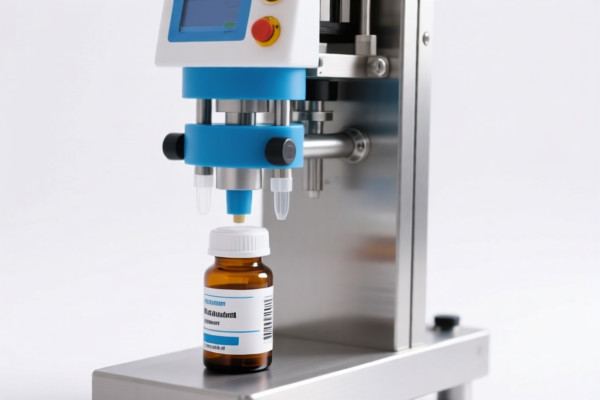
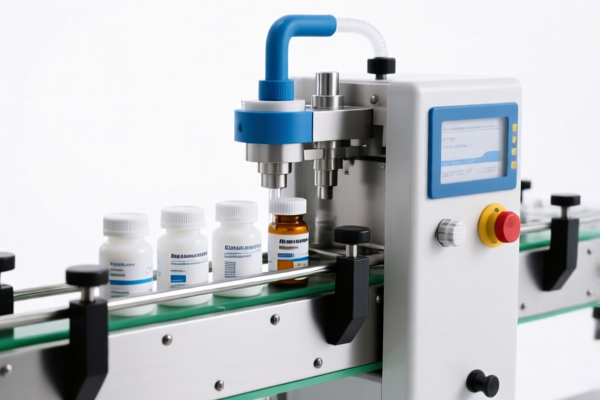
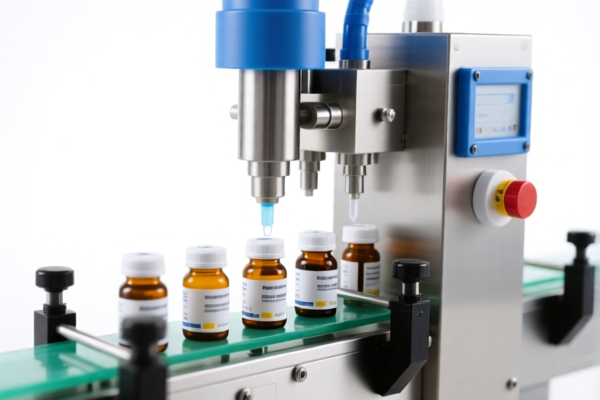
AI Analysis
💊 Medicament (3004.50.50.10 & Related Codes)
🌐 HS Code Classification & Customs Clearance Guide | 2026 Tax Analysis & Strategy
📌 I. Product Definition & Classification: What is a "Medicament"?
In international trade, "Medicament" refers broadly to any substance or preparation used for diagnosing, treating, or preventing diseases. However, HS Code classification is highly sensitive to ingredients, form, and packaging.
The input 3004505010 suggests a specific sub-category under Chapter 30 (Pharmaceutical Products). Based on the provided data, there are four potential classifications depending on the specific chemical nature (e.g., alkaloids) and packaging form of the product. Since the generic name "Medicament" does not specify the active ingredient, customs officers may look for additional details (ingredients, dosage form) to pinpoint the exact code.
⚠️ Key Distinction:
- 3003 vs. 3004:
- 3003: Goods put up in measured doses or retail packaging for retail sale, not containing antibiotics or hormones (generally).
- 3004: Medicaments (including diagnostic aids) administered to prevent or treat diseases.
- Alkaloid Content: If the medicament contains alkaloids or their derivatives, it may fall under specific sub-headings like3004.49.
- Residual/Other: If it doesn't fit specific categories (like antibiotics, hormones, or vitamins), it falls under "Other" (.90or.49).
📦 II. HS Code Classification Details (Based on Provided Data)
| HS Code | Product Description | Matching Logic (Summary) |
|---|---|---|
3003.49.00.00 |
Medicaments containing alkaloids or derivatives, not elsewhere specified | Matches "Medicament" purpose; assumes alkaloid content based on common classification trends when not specified. |
3003.90.01.90 |
Other medicaments (catch-all/residual) | "Other" category for medicaments where specific ingredient/shape isn't defined. |
3004.49.00.50 |
Other medicaments (therapeutic/preventive purpose) | Directly matches "Medicament" definition for treatment/prevention; no conflict with material/form. |
3004.49.00.70 |
Other medicaments (therapeutic/preventive purpose) | Similar to above; prefix matches pharmaceutical category; no material/form conflict. |
🔍 Critical Note:
- All suggested codes have a Total Tax Rate of 10.0%.
- The distinction between3003and3004often depends on whether the product is in retail packaging for sale (3003) vs. prepared for administration (3004).
- The.49subheading typically refers to Other medicaments that do not contain antibiotics, hormones, or vitamins as defined in other subheadings.
💰 III. 2026 Tariff Rate Breakdown (Detailed Tax Clauses)
✅ Applicable Country: United States (US)
✅ Origin: Likely China (CN) (Inferred from "122 Clause" and typical tariff structures in the data)
✅ Total Tax Rate: 10.0%
🎯 Tax Structure for All Listed Codes
| Tax Component | Rate | Description |
|---|---|---|
| Basic Duty (MFN) | 0.0% | Most countries enjoy 0% MFN duty for pharmaceuticals in many categories. |
| Section 301 / Additional Duty | 0.0% | No additional Section 301 tariff applied to these specific HS codes. |
| Section 122 Tariff | +10.0% | Crucial Clause: Applies to specific goods from China. This is the primary cost driver. |
| Total Effective Rate | 10.0% | 0% + 0% + 10% |
📌 Legal Authority:
- Section 122: Refers to specific U.S. Trade Laws or Executive Orders targeting Chinese imports.
- Calculation:Tax = CIF Value × 10%
- De Minimis Exemption: ❌ Not Applicable. Section 122 tariffs often override de minimis thresholds for Chinese goods, meaning even small shipments may be subject to duty.
🛠️ IV. Customs Clearance Practical Advice
✅ 1. Documentation Checklist (Essential for Smooth Clearance)
| Document | Requirement | Why It Matters |
|---|---|---|
| Commercial Invoice | Must clearly state "Medicament" and Intended Use | Customs needs to confirm it is for therapeutic/preventive purposes. |
| Product Specification Sheet | List Active Ingredients, Dosage Form (tablet, liquid, etc.) | Critical to distinguish between 3003 and 3004, and to check for restricted ingredients. |
| Certificate of Analysis (COA) | Confirms purity and composition | Helps avoid misclassification as "dietary supplement" or "chemical compound." |
| FDA Registration/Filing | If applicable (US Market) | Medicaments entering the US usually require FDA compliance (FD&C Act). |
| Packaging Description | Specify if "Retail Packaged" or "Bulk" | Determines 3003 vs 3004. |
✅ 2. Classification Strategy & Pitfalls
| Scenario | Recommended Action | Risk if Incorrect |
|---|---|---|
| Generic "Medicament" Label | Provide detailed ingredient list | Customs may reclassify to a higher-duty or restricted code (e.g., controlled substances). |
| Alkaloid-Based Products | Use 3003.49.00.00 or 3004.49 |
Misclassifying non-alkaloids as alkaloids could lead to audits. |
| Dietary Supplement vs. Medicament | Prove Therapeutic Claim | If marketed as a "supplement" but classified as "medicament," it may face FDA enforcement. |
| Bulk vs. Retail | Clarify packaging in invoice | 3003 is for retail; 3004 is for administration. Wrong code = penalty. |
✅ 3. Special Considerations for Section 122
- Origin Marking: Ensure products are clearly marked as "Made in [Country]" to avoid origin fraud issues.
- Valuation: Declare accurate CIF Value. Section 122 taxes are applied to the declared value.
- Pre-Arrival Review: Consider applying for an Advance Ruling from CBP if the ingredient profile is complex.
🌍 V. Global Market Comparison (2026)
| Market | HS Code Range | Tax Rate | Key Requirement |
|---|---|---|---|
| 🇺🇸 USA | 3003 / 3004 |
10% (Section 122) | FDA Compliance, Origin Disclosure |
| 🇨🇳 China | 3003 / 3004 |
Varies (5-10%) | Import License, GMP Certificate |
| 🇪🇺 EU | 3004 |
0-6.5% | CE Marking, Active Substance Authorization |
| 🇯🇵 Japan | 3004 |
0-10% | Pharmaceuticals Affairs Law Approval |
📌 Conclusion:
- The US 10% Section 122 tariff is a significant cost factor for Chinese-sourced medicaments.
- Classification hinges on ingredient specificity and packaging.
- Compliance with FDA is mandatory regardless of HS Code.
📌 VI. Common Errors & Avoidance Guide
❌ Error 1: Classifying as "Chemical Product" instead of "Medicament"
👉 Consequence: Higher duty, FDA rejection.
👉 Fix: Always include "Medicament" and therapeutic purpose.
❌ Error 2: Ignoring Section 122 applicability
👉 Consequence: Underpayment of duties, penalties, and seizure.
👉 Fix: Confirm origin and apply 10% tariff proactively.
❌ Error 3: Ambiguous Packaging Description
👉 Consequence: Unclear whether it’s 3003 or 3004.
👉 Fix: Specify "Retail Packaged" or "For Administered Use."
✅ Correct Declaration Example:
"Medicament for Therapeutic Use, Containing [Active Ingredient], Packaged in Retail Boxes, Model XYZ, FDA Registered, Origin: China"
🎯 VII. Conclusion: Optimize Your Clearance Strategy
🎯 Key Takeaway:
- HS Code Precision: The difference between 3003 and 3004 can impact regulatory scrutiny.
- Tax Planning: The 10% Section 122 tariff is unavoidable for Chinese origins; factor this into pricing.
- Documentation: Detailed ingredient lists and clear therapeutic claims are your best defense against misclassification.
📣 Action Steps:
1. Verify Ingredients: Confirm if alkaloids or other specific compounds are present.
2. Check Packaging: Determine retail vs. bulk status.
3. Prepare FDA Docs: Ensure all pharmaceutical compliances are in order.
4. Declare Accurately: Include "Medicament" and therapeutic purpose in invoices.
✨ Professional Clearance Starts with Accurate Classification!
💼 Every Percentage Point of Duty Matters!
Customer Reviews
About HS Code Classification
The Harmonized System (HS) is an internationally standardized nomenclature developed by the World Customs Organization (WCO) to classify traded products. Over 200 countries use the HS system as the basis for customs tariffs, trade statistics, and import/export regulations.
Each HS code follows a hierarchical structure:
- Chapter (2 digits) — Broad category of goods (e.g., Chapter 84: Machinery and Mechanical Appliances)
- Heading (4 digits) — More specific grouping within the chapter
- Subheading (6 digits) — Internationally standardized breakdown, used by all WCO member countries
- National subdivisions (8-10 digits) — Country-specific extensions for further classification, such as US HTSUS 10-digit codes
Correct HS code classification is essential for smooth customs clearance, accurate duty payment, and compliance with trade regulations. Misclassification can lead to customs delays, overpayment of duties, or penalties.
When importing from CN to US, the applicable tariff rates may include:
- Most-Favored-Nation (MFN) rate — The standard duty rate applied to WTO members
- General rate — Applied to countries without trade agreements
- Trade remedy duties — Additional tariffs such as Section 301 (anti-dumping), Section 232 (national security), or countervailing duties
The information provided on this page is for reference purposes only. For official classification, please consult with your local customs authority or a licensed customs broker.