Megaphone
CN → US| HS Code | Tariff Rate | Origin | Destination | Doc |
|---|---|---|---|---|
| 8518402000 | 35.0% | CN | US | Official Doc |
| 8543708000 | 35.0% | CN | US | Official Doc |
| 8543709810 | 37.6% | CN | US | Official Doc |
| 8518500000 | 35.0% | CN | US | Official Doc |
| 8543709810 | 37.6% | CN | US | Official Doc |
Product Images
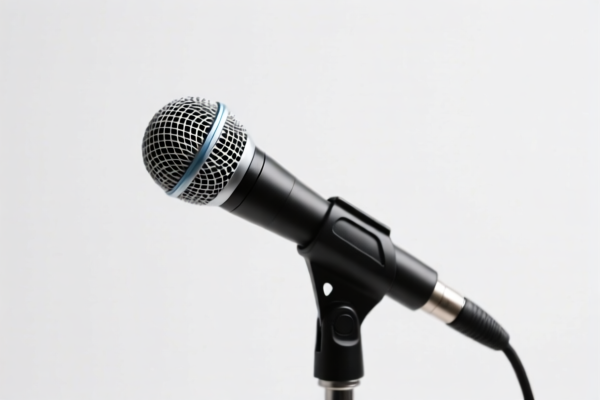

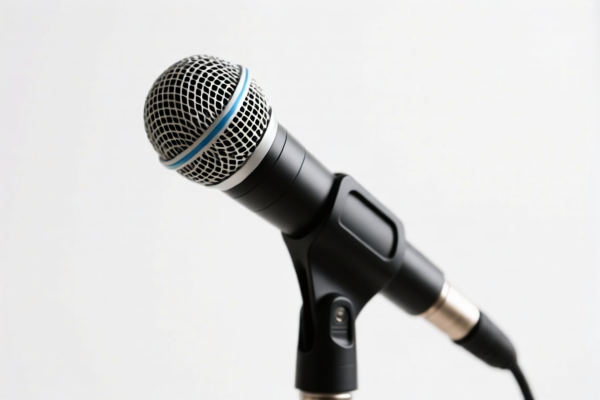

AI Analysis
📣 Megaphone (Acoustic/Electronic Amplifiers)
🌐 HS Code Reference & Customs Clearance Guide | 2026 Latest Tariff Analysis | Professional Clearance Strategy
📌 Part 1: Product Definition & Classification: Do You Really Know a "Megaphone"?
A megaphone is a conical acoustic horn or electronic device used to amplify sound. In international trade, the classification depends heavily on its power source and function:
- Acoustic Megaphone (Passive): A simple conical horn (often plastic or metal) with no electronic components. Note: These are often classified under Chapter 73 (Articles of Iron/Steel) or Chapter 39 (Plastics) if they don't fit specific electrical categories, but typically simple acoustic horns without electrical parts are NOT covered in the provided data.
- Electronic Megaphone/Loudspeaker (Active): Contains an electric circuit, amplifier, and speaker. This is the core category for the HS codes provided.
⚠️ Key Distinction:
- If it is a passive horn (no battery, no electricity) → NOT in the scope of the provided<DATA>.
- If it is an electric loudspeaker/amplifier (battery-powered or plugged-in) → IS in the scope of the provided<DATA>.
📦 Part 2: HS Code Classification Details (2026 Latest Tariff Authority)
Based on the provided <DATA>, we are dealing with electric sound amplifiers. Here is the breakdown:
| HS Code | Product Description | Application Scenario | Why This Code? |
|---|---|---|---|
8518.40.20.00 |
Sound Amplifiers (Electrical) | Handheld electric megaphones, public address systems | "Summary states: Sound amplifiers and audio electrical amplifiers have consistent uses; no material conflict." |
8518.50.00.00 |
Electric Loudspeakers | Complete loudspeaker units, including those in megaphones | "Summary states: Sound amplifiers perfectly match the use of electric loudspeaker groups." |
8543.70.80.00 |
Other Electrical Machines & Apparatus | Electronic megaphones with specialized functions not fully covered by 8518 | "Summary states: Amplifier function matches microwave amplifiers or electrical equipment categories; belongs to the 'other' fallback category." |
8543.70.98.10 |
Other Electrical Machines & Apparatus (Specific Sub-category) | Specialized audio amplifiers or electronic signal processing megaphones | "Summary states: Sound or audio amplifiers completely match the amplifier usage in this category." |
🔍 Key Insight:
- 8518 is the primary chapter for "Loudspeakers, Headphones, etc." It is the most direct fit for standard electric megaphones.
- 8543 is a "Catch-all" chapter for electrical machinery that does not fit elsewhere. It is used here for more complex or specialized electronic amplifiers.
- Conflict Resolution: The data explicitly states that 8518.40.20.00 and 8518.50.00.00 are the most "perfectly matched" for sound/audio amplifiers. 8543 is used when the amplifier has specific electrical characteristics that push it into the "other" category.
💰 Part 3: 2026 Latest Tariff Rate Detail (Including Surcharges & Policy Add-ons)
✅ Applicable Country: United States (US)
✅ Country of Origin: China (CN)
✅ Effective Date: From November 10, 2025 (including subsequent imports)
🎯 1. 8518.40.20.00 & 8518.50.00.00 — Primary Sound Amplifiers
| Item | Content |
|---|---|
| Base Tariff | 0.0% (ad valorem) |
| Section 301 Surcharge | +25.0% (Added Tariff) |
| Section 122 Tariff | +10.0% (Specific to China-origin goods) |
| Total Tariff | 35.0% |
| Tax Calculation | CIF Value × 35% |
| De Minimis Exemption | ❌ Not Applicable (deny_de_minimis) |
| Legal Basis Path | Section 301 → Section 122 → USITC:8518.40.20.00 / USITC:8518.50.00.00 |
📌 Explanation:
- "Base Tariff 0%": Under the Harmonized Tariff Schedule (HTS), basic electrical loudspeakers often have a 0% MFN (Most Favored Nation) duty.
- "Section 301 +25%": This is the major US tariff on Chinese goods, effective since 2018 and still in force.
- "Section 122 +10%": A specific additional tariff applied to certain Chinese imports under Executive Orders.
- Total 35%: This is a high tariff rate. You must factor this into your landed cost.
🎯 2. 8543.70.80.00 & 8543.70.98.10 — Specialized/Electrical Amplifiers
| Item | Content |
|---|---|
| Base Tariff | 0.0% (for 8543.70.80.00) / 2.6% (for 8543.70.98.10) |
| Section 301 Surcharge | +25.0% |
| Section 122 Tariff | +10.0% |
| Total Tariff | 35.0% (for 8543.70.80.00) / 37.6% (for 8543.70.98.10) |
| Tax Calculation | CIF Value × Total Rate |
| De Minimis Exemption | ❌ Not Applicable (deny_de_minimis) |
| Legal Basis Path | Section 301 → Section 122 → USITC:8543.70.80.00 / USITC:8543.70.98.10 |
📌 Explanation:
- For8543.70.80.00, the total is 35.0% (0% base + 25% + 10%).
- For8543.70.98.10, the total is 37.6% (2.6% base + 25% + 10%).
- Why the difference? The base tariff for8543.70.98.10is 2.6%, whereas8543.70.80.00is 0%. Always check the base rate!
- Note: The data summary says8543.70.80.00is for "fallback categories," while8543.70.98.10is for "completely matched usage." Choose8518if it's a standard audio amplifier; choose8543only if it's a specialized electrical apparatus not covered by 8518.
🛠️ Part 4: Customs Clearance Practical Advice (Avoiding Pitfalls)
✅ 1. Required Documentation Checklist (No Exceptions)
| Document | Must Provide | Description |
|---|---|---|
| ✅ Product Specifications | ✔️ | Include wattage, voltage, frequency, input/output ports, and whether it's battery-operated. |
| ✅ Circuit Diagram / Internal Structure | ✔️ | Crucial to prove it contains electrical components (amplifier circuit) to justify HS 8518/8543 vs. Chapter 39/73. |
| ✅ Product Photos (With Label) | ✔️ | Clear view of model number, brand, input voltage, and power source. |
| ✅ Third-Party Test Reports | ✔️ | FCC (for US market), CE, RoHS, UL certifications. |
| ✅ Commercial Invoice | ✔️ | Must clearly state "Electric Sound Amplifier" or "Electronic Megaphone," NOT just "Plastic Horn." |
| ✅ Country of Origin Certificate | ✔️ | Required to apply/add Section 122 tariffs if from China. |
| ✅ Packing List | ✔️ | Show relationship between main unit and accessories (batteries, chargers). |
✅ 2. Declaration Tips (Key Mantra)
🔥 "Declare Electrical, Not Acoustic; Specify Model, Avoid Ambiguity!"
| Scenario | Correct Declaration | Wrong Practice |
|---|---|---|
| Electric Megaphone | 8518.40.20.00 or 8518.50.00.00 |
Declaring as "Plastic Horn" (Chapter 39) → Risk of misclassification penalty |
| Specialized Electronic Amp | 8543.70.80.00 |
Declaring as generic "Electrical Machine" without detail |
| Battery-Powered | State "Battery Operated" | Hiding power source → FCC clearance delay |
| With Charger/Cable | Declare as one unit if sold together | Splitting charger and megaphone → Higher duties on accessories |
✅ 3. Special Circumstances Handling
| Situation | Handling Advice |
|---|---|
| Acoustic (Non-Electric) Megaphone | NOT in the provided data. Likely falls under Chapter 39 (Plastics) or 73 (Metal). Check separate tariff schedules. |
| OEM Custom Megaphone | Provide design drawings and client order to prove specific functionality. |
| With Built-in Battery | Ensure lithium battery regulations (UN38.3, MSDS) are included for shipping. |
| Used/Refurbished | Some HS codes restrict used electrical goods. Declare as "New" only if true. |
🌍 Part 5: Global Market Comparison (2026 Latest)
| Country/Region | Recommended HS Code | Tariff (China Origin) | Certification Required | Notes |
|---|---|---|---|---|
| 🇺🇸 USA | 8518.40.20.00 / 8518.50.00.00 |
35.0% | FCC + RoHS | High Tariff. Section 301 + 122 apply. |
| 🇨🇳 China | 8518.40.20.00 |
5% - 10% | CCC | No Section 301/122. |
| 🇪🇺 EU | 8518.21.00 / 8518.22.00 |
0% - 2.5% | CE + RoHS | No additional punitive tariffs. |
| 🇬🇧 UK | 8518.21.00 |
0% - 2.5% | UKCA + RoHS | Post-Brexit rules apply. |
| 🇯🇵 Japan | 8518.21.00 |
0% - 5% | PSE | Check specific sub-codes. |
📌 Conclusion:
- USA is the most challenging market for electric megaphones from China due to the 35% total tariff.
- Europe and Asia offer significantly lower duties (0-5%).
- Strategy: If selling to the US, ensure your cost structure can absorb the 35% tariff, or consider sourcing from non-China origins (e.g., Vietnam, Mexico) to avoid Section 301/122.
📌 Part 6: Common Errors & Pitfalls (Lessons Learned)
❌ Error 1: Declaring an electric megaphone as a "Plastic Horn"
👉 Consequence: Misclassification. Customs may reclassify to 8518 and charge 35% + penalties.
❌ Error 2: Ignoring Section 122 tariff
👉 Consequence: Underpayment of duties. The data shows a 10% Section 122 tariff for China-origin goods.
❌ Error 3: Not providing Circuit Diagrams
👉 Consequence: Customs cannot verify it's an electrical device. May delay clearance or deny entry.
❌ Error 4: Using 8543 when 8518 is more appropriate
👉 Consequence: While both may have similar tariffs here, using the wrong code can lead to scrutiny if the product is a standard audio amplifier.
✅ Correct Practice:
"Electric Sound Amplifier, Battery Operated, 10W, with Microphone, Model XYZ, FCC Certified, HS Code: 8518.40.20.00"
🎯 Part 7: Conclusion: Professional Declaration Saves Money!
🎯 Remember the Mantra:
🔹 "Electric Horn? Use 8518! Base 0%, Surcharge 35%! Total 35%!"
🔹 "Special Amp? Check 8543! Base 0-2.6%, Surcharge 35-37.6%!"
🔹 "Acoustic Horn? NOT in this list! Check Chapter 39/73!"
📌 Pro Tip:
If your megaphone is originating from Vietnam, Mexico, Thailand, or Malaysia, you may qualify for IEEPA exemptions or lower Section 301 rates.
Recommendation: Apply for a Pre-Ruling (Advance Ruling) from US Customs if your product has unique features, to avoid clearance delays.
📣 Take Action Now:
📞 Contact a professional customs broker + Provide product images + Apply for HS Code Pre-Ruling
🚀 Let your megaphone pass customs smoothly, boost efficiency, and maximize profit!
✨ Professional Clearance Starts with Accurate Classification!
💼 Every Cent of Cost Deserves Precise Calculation!
Customer Reviews
About HS Code Classification
The Harmonized System (HS) is an internationally standardized nomenclature developed by the World Customs Organization (WCO) to classify traded products. Over 200 countries use the HS system as the basis for customs tariffs, trade statistics, and import/export regulations.
Each HS code follows a hierarchical structure:
- Chapter (2 digits) — Broad category of goods (e.g., Chapter 84: Machinery and Mechanical Appliances)
- Heading (4 digits) — More specific grouping within the chapter
- Subheading (6 digits) — Internationally standardized breakdown, used by all WCO member countries
- National subdivisions (8-10 digits) — Country-specific extensions for further classification, such as US HTSUS 10-digit codes
Correct HS code classification is essential for smooth customs clearance, accurate duty payment, and compliance with trade regulations. Misclassification can lead to customs delays, overpayment of duties, or penalties.
When importing from CN to US, the applicable tariff rates may include:
- Most-Favored-Nation (MFN) rate — The standard duty rate applied to WTO members
- General rate — Applied to countries without trade agreements
- Trade remedy duties — Additional tariffs such as Section 301 (anti-dumping), Section 232 (national security), or countervailing duties
The information provided on this page is for reference purposes only. For official classification, please consult with your local customs authority or a licensed customs broker.