Membrane
CN → US| HS Code | Tariff Rate | Origin | Destination | Doc |
|---|---|---|---|---|
| 3920791000 | 41.2% | CN | US | Official Doc |
| 3920992000 | 39.2% | CN | US | Official Doc |
| 3919102010 | 40.8% | CN | US | Official Doc |
| 4823906700 | 35.0% | CN | US | Official Doc |
| 4823908680 | 35.0% | CN | US | Official Doc |
Product Images
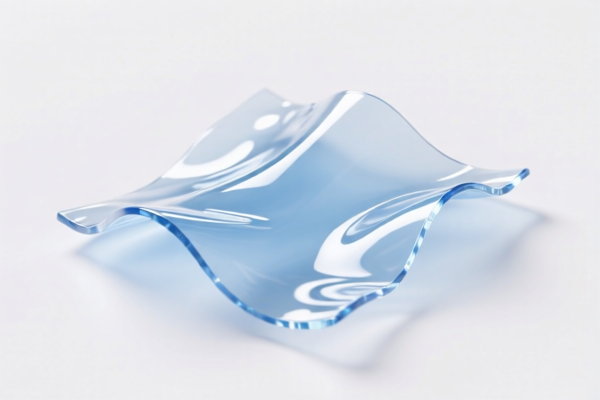

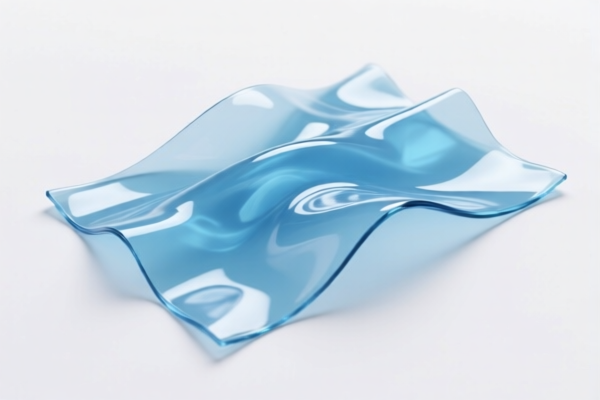
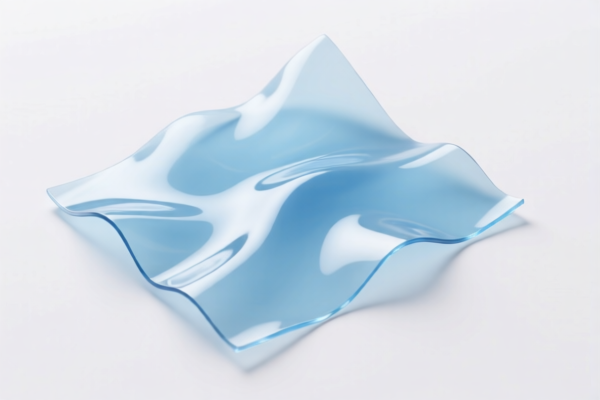
AI Analysis
🧪 Membrane (Films, Stickers & Foils for Industrial/Consumer Use)
🌐 HS Code Reference & Customs Clearance Guide | 2026 Latest Tariff Analysis | Professional Strategy
📌 I. Product Definition & Classification: Do You Really Know What "Membrane" Is?
In international trade, the term "Membrane" is a broad descriptor that often leads to classification errors because it can refer to vastly different materials and end-uses. It generally falls into two main categories based on material composition:
- Plastic Films (Chapter 39): Synthetic polymers (e.g., PET, PVC, PE) used for packaging, electrical insulation, or adhesive applications.
- Paper/Cellulose Films (Chapter 48): Paper-based substrates, often coated or laminated, used for stickers, labels, or decorative films.
⚠️ Critical Distinction Point:
- If the material is plastic/polymer and used as a self-adhesive sticker or flat sheet → Likely HS 3919 or 3920.
- If the material is paper/cellulose base, even if it looks like a plastic film → Likely HS 4823.
- The key is the SUBSTRATE material, not just the shape!
📦 II. HS Code Classification Details (2026 Latest Tariff Authority Match)
| HS Code | Product Description | Key Material/Shape | Applicable Scenario |
|---|---|---|---|
3920.79.10.00 |
Other plates, sheets, film, foil and strip, of cellulose derivatives | Cellulose Derivatives (e.g., Cellulose Acetate), Film/Sheet form | Specialty optical films, biodegradable plastics, technical membranes |
3920.99.20.00 |
Other plates, sheets, film, foil and strip, of plastics | Plastic/Polymer, Film/Sheet/Form | General plastic packaging films, non-adhesive plastic liners |
3919.10.20.10 |
Self-adhesive plates, sheets, film, foil, tape, strip and other flat shapes | Plastic/Film, Self-Adhesive, Flat Shape | Plastic adhesive tapes, sticker rolls, self-adhesive window films |
4823.90.67.00 |
Other articles of paper, paperboard, cellulose wadding or webs of cellulose fibres, coated, impregnated, covered, surface-coloured, surface-decorated or printed | Cellulose/Paper Base, Coated/Cut | Paper-based adhesive labels, coated paper films, printed decorative paper foils |
4823.90.86.80 |
Other | Paper/Cellulose Film, Other paper goods | Uncoated paper stickers, plain cellulose-based membrane sheets |
🔍 Important Reminder:
- Plastic vs. Paper: If the "membrane" is sticky (self-adhesive) and made of plastic, it is 3919. If it is a non-adhesive plastic film, it is 3920.
- Paper Exception: Even if it looks like a "film," if the base is paper/cellulose, it belongs to Chapter 48 (e.g.,4823.90.67.00). Do not classify paper stickers under Chapter 39!
💰 III. 2026 Latest Tariff Rate Breakdown (Including Surtaxes & Policy Surcharges)
✅ Applicable Country: USA (US)
✅ Country of Origin: China (CN)
✅ Effective Time: Post-November 10, 2025 (Including subsequent imports)
🎯 1. 3920.79.10.00 – Membranes of Cellulose Derivatives
| Item | Details |
|---|---|
| Base Tariff | 6.2% |
| Section 301 Surcharge | +25.0% |
| 122 Clause Tariff | +10.0% |
| Total Tariff | 41.2% |
| Tax Calculation | CIF Value × 41.2% |
| De Minimis Exemption | ❌ Not Eligible (denied) |
| Legal Basis Path | USITC:3920.79.10.00 → Section 301: 25% → 122 Clause: 10% |
📌 Explanation:
- This code captures specialty plastic-like membranes made from modified cellulose (e.g., cellophane-like high-tech films).
- The 41.2% total rate is extremely high, driven by the 25% Section 301 tariff (US-China trade tensions) and the 10% 122 Clause tariff (specific supply chain restrictions).
🎯 2. 3920.99.20.00 – Other Plastic Films
| Item | Details |
|---|---|
| Base Tariff | 4.2% |
| Section 301 Surcharge | +25.0% |
| 122 Clause Tariff | +10.0% |
| Total Tariff | 39.2% |
| Tax Calculation | CIF Value × 39.2% |
| De Minimis Exemption | ❌ Not Eligible (denied) |
| Legal Basis Path | USITC:3920.99.20.00 → Section 301: 25% → 122 Clause: 10% |
📌 Explanation:
- This is the "catch-all" for general plastic films (PET, PVC, PE) that are not self-adhesive.
- Even with a lower base tariff (4.2%), the 25% + 10% surcharges push the total to 39.2%, making it costly for standard plastic packaging imports.
🎯 3. 3919.10.20.10 – Self-Adhesive Plastic Stickers/Films
| Item | Details |
|---|---|
| Base Tariff | 5.8% |
| Section 301 Surcharge | +25.0% |
| 122 Clause Tariff | +10.0% |
| Total Tariff | 40.8% |
| Tax Calculation | CIF Value × 40.8% |
| De Minimis Exemption | ❌ Not Eligible (denied) |
| Legal Basis Path | USITC:3919.10.20.10 → Section 301: 25% → 122 Clause: 10% |
📌 Explanation:
- If your "membrane" is a sticker, label, or tape made of plastic, it goes here.
- Note the 40.8% rate. It is slightly higher than non-adhesive plastic films (3920.99.20.00) due to the higher base rate (5.8%).
🎯 4. 4823.90.67.00 – Coated Paper/Celloid Membranes
| Item | Details |
|---|---|
| Base Tariff | 0.0% |
| Section 301 Surcharge | +25.0% |
| 122 Clause Tariff | +10.0% |
| Total Tariff | 35.0% |
| Tax Calculation | CIF Value × 35.0% |
| De Minimis Exemption | ❌ Not Eligible (denied) |
| Legal Basis Path | USITC:4823.90.67.00 → Section 301: 25% → 122 Clause: 10% |
📌 Explanation:
- Best Case Scenario! Although base tariff is 0%, the surcharges still apply.
- Total 35.0% is the lowest among all options.
- Strategy: If possible, classify as paper/cellulose-based (e.g., paper-backed stickers) rather than pure plastic to save ~6.2% in total duties.
🎯 5. 4823.90.86.80 – Other Paper/Cellulose Membranes
| Item | Details |
|---|---|
| Base Tariff | 0.0% |
| Section 301 Surcharge | +25.0% |
| 122 Clause Tariff | +10.0% |
| Total Tariff | 35.0% |
| Tax Calculation | CIF Value × 35.0% |
| De Minimis Exemption | ❌ Not Eligible (denied) |
| Legal Basis Path | USITC:4823.90.86.80 → Section 301: 25% → 122 Clause: 10% |
📌 Explanation:
- Similar to4823.90.67.00, this code captures other paper-based films/stickers.
- Also 35.0% total. Use this if the product is not specifically "coated/printed" but still paper/cellulose based.
🛠️ IV. Customs Clearance Practical Advice (Pitfall Avoidance Guide)
✅ 1. Document Checklist (Mandatory)
| Document | Required? | Explanation |
|---|---|---|
| ✅ Product Specification Sheet | ✔️ | Must clearly state material composition (e.g., "100% PET" vs. "Paper Base with Acrylic Adhesive"). |
| ✅ Product Photos | ✔️ | Show thickness, clarity, and whether it is self-adhesive (backing paper visible?). |
| ✅ Commercial Invoice | ✔️ | Accurately describe as "Self-Adhesive Plastic Film" or "Paper-Based Label," not just generic "Membrane." |
| ✅ Material Safety Data Sheet (MSDS) | ✔️ | Especially for cellulose derivatives or chemical coatings. |
| ✅ Origin Certificate (CO) | ✔️ | To prove China origin (triggering surcharges) or exemption eligibility. |
✅ 2. Declaration Tips (Key Mantra)
🔥 "Material First, Adhesive Second, Paper vs Plastic is Key!"
| Scenario | Correct HS Code | Wrong Approach |
|---|---|---|
| Plastic film, no glue | 3920.99.20.00 (39.2%) |
Misdeclare as paper → Audit risk |
| Plastic sticker/tape | 3919.10.20.10 (40.8%) |
Declare as "film" → Misclassification |
| Paper sticker/label | 4823.90.67.00 (35.0%) |
Misdeclare as plastic → Overpay 5.8% |
| Cellulose derivative film | 3920.79.10.00 (41.2%) |
Treat as regular plastic → Wrong base rate |
✅ 3. Special Cases Handling
| Situation | Handling Advice |
|---|---|
| "Transparent" Membrane | Transparency ≠ Plastic. Check if it dissolves in water or feels like paper. If it’s cellophane (cellulose), it’s Chapter 48 or 3920.79. |
| Composite Materials | If it’s plastic-coated paper, it is usually classified as Paper (4823) if the paper gives the essential character. |
| Adhesive Type | Self-adhesive (pressure-sensitive) goes to 3919. Non-adhesive rolls go to 3920. |
| Customs Ruling | For high-volume imports, apply for an Advance Ruling to fix the HS Code and avoid retroactive taxes. |
🌍 V. Global Market Comparison (2026 Latest)
| Country/Region | Recommended HS Code | Tariff (China Origin) | Certification | Remarks |
|---|---|---|---|---|
| 🇺🇸 USA | 3920.99.20.00 or 4823.90.67.00 |
35.0% ~ 41.2% | None specific | High surcharges due to 301/122 clauses. Paper-based is cheaper. |
| 🇨🇳 China | 3920.99.20.00 or 4823.90.67.00 |
0% ~ 6.2% | CCC (if applicable) | Low tariffs, but export controls may apply. |
| 🇪🇺 EU | 3920.99.20.00 or 4823.90.67.00 |
0% ~ 4.5% | REACH/RoHS | No Section 301 equivalent, but strict chemical regulations. |
| 🇬🇧 UK | 3920.99.20.00 or 4823.90.67.00 |
0% ~ 5% | UKCA | Post-Brexit rules, generally low duties. |
| 🇯🇵 Japan | 3920.99.20.00 or 4823.90.67.00 |
0% ~ 3.8% | PSE (if electrical) | Low tariffs, strict quality standards. |
📌 Conclusion:
- USA is the most expensive market due to 25% + 10% surcharges.
- Switching material from Plastic to Paper can save ~6.2% to 8% in total duties if the product design allows (e.g., using paper-backed labels instead of pure plastic films).
📌 VI. Common Errors & Pitfalls (Blood & Tears Lessons)
❌ Error 1: Calling all "clear films" "Plastic Membranes"
👉 Consequence: If it’s actually cellulose-based cellophane, you misclassify. Correct code 3920.79.10.00 is 41.2%, while some paper alternatives are 35.0%.
❌ Error 2: Declaring Self-Adhesive Stickers as "Film Sheets" (3920)
👉 Consequence: 3920 is for non-adhesive. Adhesive items MUST go to 3919. Misdeclaration leads to penalties and retroactive tax adjustments.
❌ Error 3: Ignoring the 122 Clause
👉 Consequence: Even if you know Section 301 (25%), forgetting the 10% 122 Clause (if applicable to the specific supply chain) means you underpay by 10%, leading to seizures.
❌ Error 4: Using generic terms like "Membrane" on Invoice
👉 Consequence: Customs will ask for clarification, delaying clearance. Be specific: "Self-Adhesive PET Film Sticker" or "Coated Paper Label."
✅ Correct Practice:
"Self-Adhesive Vinyl Film, Pressure-Sensitive, for Window Tinting, 100% PVC, Roll Form, Model ABC"
OR
"Paper-Based Adhesive Labels, Glossy Finish, Paper Backing, Acrylic Adhesive, Roll Form, Model XYZ"
🎯 VII. Conclusion: Precise Classification, Cost Efficiency!
🎯 Remember the Mantra:
🔹 "Plastic Adhesive = 3919 (40.8%)"; "Plastic Non-Adhesive = 3920 (39.2%)"; "Paper/Cellophane = 4823 (35.0%)"
🔹 "Base Rate + 25% + 10% = Total Pain. Choose Paper if Possible!"
📌 Pro Tip:
If your "membrane" can be designed as a paper-based product (e.g., paper-backed labels instead of vinyl stickers), you save ~6.2% in total duties.
For pure plastic films, consider Advance Rulings to ensure correct classification under the 122 Clause.
📣 Immediate Action:
📞 Consult a customs broker + Provide material samples + Verify "Adhesive" vs "Non-Adhesive"
🚀 Ensure your "Membrane" clears US Customs without surprise taxes!
✨ Professional Clearance Starts with Accurate Classification!
💼 Every Percent Counts in Global Trade!
Customer Reviews
About HS Code Classification
The Harmonized System (HS) is an internationally standardized nomenclature developed by the World Customs Organization (WCO) to classify traded products. Over 200 countries use the HS system as the basis for customs tariffs, trade statistics, and import/export regulations.
Each HS code follows a hierarchical structure:
- Chapter (2 digits) — Broad category of goods (e.g., Chapter 84: Machinery and Mechanical Appliances)
- Heading (4 digits) — More specific grouping within the chapter
- Subheading (6 digits) — Internationally standardized breakdown, used by all WCO member countries
- National subdivisions (8-10 digits) — Country-specific extensions for further classification, such as US HTSUS 10-digit codes
Correct HS code classification is essential for smooth customs clearance, accurate duty payment, and compliance with trade regulations. Misclassification can lead to customs delays, overpayment of duties, or penalties.
When importing from CN to US, the applicable tariff rates may include:
- Most-Favored-Nation (MFN) rate — The standard duty rate applied to WTO members
- General rate — Applied to countries without trade agreements
- Trade remedy duties — Additional tariffs such as Section 301 (anti-dumping), Section 232 (national security), or countervailing duties
The information provided on this page is for reference purposes only. For official classification, please consult with your local customs authority or a licensed customs broker.