Merino Wool V Neck Singlet
CN → US| HS Code | Tariff Rate | Origin | Destination | Doc |
|---|---|---|---|---|
| 6201203500 | 26.0% | CN | US | Official Doc |
| 6110110060 | 33.5% | CN | US | Official Doc |
| 6110110050 | 33.5% | CN | US | Official Doc |
| 5112196010 | 60.0% | CN | US | Official Doc |
| 6201201900 | 26.0% | CN | US | Official Doc |
Product Images

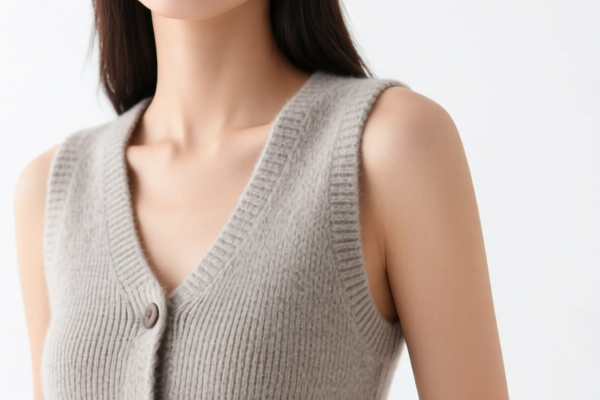
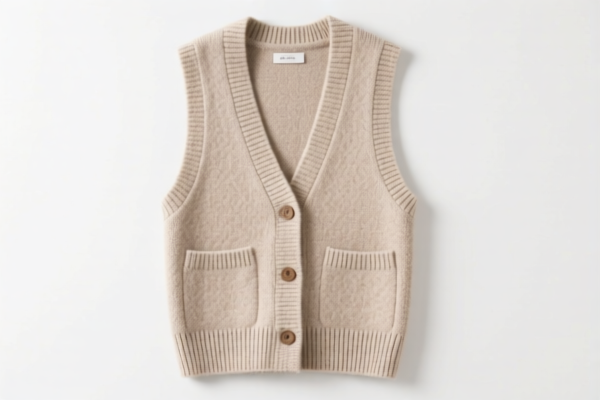

AI Analysis
👕 Merino Wool V-Neck Singlet (Undergarment/Vest)
🌐 HS Code Reference & Customs Clearance Guide | 2026 Latest Tariff Analysis | Professional Clearance Strategy
📌 I. Product Definition & Classification: What exactly is a "Merino Wool V-Neck Singlet"?
A Merino Wool V-Neck Singlet is a knitted or woven garment made from Merino wool fibers, characterized by a V-neckline and sleeveless design. In international trade, its classification depends heavily on whether it is Knitted or Woven and its specific structural features.
Key Distinction Points:
* Knitted (针织): Typically falls under Chapter 61. If it is a general-purpose vest or singlet, it may be classified under 6110.11. Specific sub-codes exist for "V-neck singlets not intended to be worn as outerwear" (6110.11.00.50) or other knitted vests (6110.11.00.60).
* Woven/Non-Knitted (机织/非针织): Falls under Chapter 62. If it fits the definition of a "vest" or "sleeveless jacket," it may fall under 6201.20. Specific codes like 6201.20.19 (other vests) or 6201.20.35 (specific sleeveless jacket types) apply.
* Fabric Type Matters: If the wool is "Combed Fine Animal Hair" (5112), the classification shifts to Chapter 51 for woven fabrics/garments, which carries significantly higher tariffs.
⚠️ Critical Warning:
- Misclassifying a Woven item as Knitted (or vice versa) is a common error that leads to severe penalties.
- Merino Wool is often classified under "Fine Animal Hair" (HS 51) or general Wool (HS 51/61/62 depending on processing). The specific HS codes provided in the data reflect different interpretations of "Combed" vs. "Uncarded" or "Knitted" vs. "Woven."
📦 II. HS Code Classification Details (Based on Provided Data)
The following table details the specific HS Codes from your dataset, their descriptions, and the rationale for classification.
| HS Code | Product Description (From Data) | Classification Rationale | Key Feature |
|---|---|---|---|
6201.20.35.00 |
Merino Wool V-Neck Singlet; Material: Merino Wool; Form: Singlet; Fits: Filled sleeveless jacket/sleeveless category. | Classified as Chapter 62 (Not Knitted). Specific sub-category for sleeveless jackets or filled vests. | Woven/Filled |
6110.11.00.60 |
Merino Wool V-Neck Singlet; Material: Merino Wool; Form: Singlet; Use: Knitted articles. | Classified as Chapter 61 (Knitted). General knitted vest/singlet category. | Knitted |
6110.11.00.50 |
Merino Wool V-Neck Singlet; Material: Merino Wool; Form: V-Neck Singlet; Fits: Non-sweater vest classification. | Classified as Chapter 61 (Knitted). Specifically for V-neck singlets that are not sweaters. | Knitted (V-Neck) |
5112.19.60.10 |
Merino Wool V-Neck Singlet; Material: Merino Wool; Category: Combed Fine Animal Hair; Form: Singlet; Type: Woven garment. | Classified as Chapter 51 (Combed Fine Animal Hair). High-value classification for combed wool. | Woven (Combed Wool) |
6201.20.19.00 |
Merino Wool V-Neck Singlet; Material: Merino Wool; Fits: Wool material requirements; Form: Singlet; Fits: Sleeveless characteristics. | Classified as Chapter 62 (Not Knitted). General "Other Vests" category for sleeveless garments. | Woven (General) |
🔍 Key Insight:
- Chapter 61 (Knitted) vs. Chapter 62 (Woven) is the primary split.
- Chapter 51 (Combed Wool) represents a specific fiber processing stage that triggers higher tariffs.
-6110.11.00.50is highly specific to "V-neck singlets," making it a strong candidate if the garment is truly a lightweight undershirt/singlet and knitted.
💰 III. 2026 Latest Tariff Rate Breakdown (Including Surcharges & Policy Add-ons)
✅ Applicable Country: United States (US)
✅ Origin: China (CN) (Inferred from 122-Clause and Section 301-like surcharges)
✅ Effective Time: Current Tariff Structure
🎯 1. 6201.20.35.00 & 6201.20.19.00 (Woven/Sleeveless Jackets & Vests)
| Item | Content |
|---|---|
| Base Duty Rate | 8.5% |
| Additional Duty (Section 301/Retaliatory) | 7.5% |
| Section 122 Tariff | 10% |
| Total Duty Rate | 26.0% |
| Tax Calculation | CIF Value × 26% |
| Legal Basis Path | USITC:6201.20 → Additional Duties: 7.5% → Section 122: 10% |
📌 Explanation:
- These woven categories have the lowest total tariff (26%) among the options.
- Section 122 is a national security tariff that applies to certain textile/apparel imports.
- Crucial: Ensure the garment is truly "woven" and not "knitted." If customs determines it is knitted, they may reclassify it to Chapter 61, increasing the tax.
🎯 2. 6110.11.00.60 & 6110.11.00.50 (Knitted Vests/Singlets)
| Item | Content |
|---|---|
| Base Duty Rate | 16.0% |
| Additional Duty (Section 301/Retaliatory) | 7.5% |
| Section 122 Tariff | 10% |
| Total Duty Rate | 33.5% |
| Tax Calculation | CIF Value × 33.5% |
| Legal Basis Path | USITC:6110.11 → Additional Duties: 7.5% → Section 122: 10% |
📌 Explanation:
- Knitted garments under Chapter 61 have a higher base rate (16%) compared to the woven option (8.5%).
-6110.11.00.50is more specific to "V-neck singlets," which may help justify the classification if the item is clearly an undergarment.
- Difference: 33.5% vs. 26% = 7.5% savings if correctly classified as woven (if applicable).
🎯 3. 5112.19.60.10 (Combed Fine Animal Hair - Woven)
| Item | Content |
|---|---|
| Base Duty Rate | 25.0% |
| Additional Duty (Section 301/Retaliatory) | 25.0% |
| Section 122 Tariff | 10% |
| Total Duty Rate | 60.0% |
| Tax Calculation | CIF Value × 60.0% |
| Legal Basis Path | USITC:5112.19 → Additional Duties: 25.0% → Section 122: 10% |
📌 Warning:
- This is the highest tariff category (60%).
- It applies only if the wool is classified as "Combed Fine Animal Hair" (HS 5112).
- Avoid this classification unless the product is explicitly made from combed fine animal hair fabrics and the cost benefit of the fiber justifies the tax. Most standard Merino wool singlets are not classified under 5112 unless they are high-end woven woolens.
🛠️ IV. Customs Clearance Practical Advice (Real-World Pitfall Guide)
✅ 1. Documentation Checklist (Non-Negotiable)
| Document | Required? | Description |
|---|---|---|
| ✅ Product Spec Sheet | ✔️ | Must specify: Knitted vs. Woven, Weight (GSM), Fiber Content (100% Merino Wool), Neckline Style (V-Neck). |
| ✅ Fabric Construction Diagram | ✔️ | Critical for proving Knitted vs. Woven. A photo of the knit loop vs. weave structure can save thousands. |
| ✅ Commercial Invoice | ✔️ | Clearly state: "Merino Wool V-Neck Singlet, Knitted/Woven." Avoid vague terms like "Clothing." |
| ✅ Labeling/Packaging Photos | ✔️ | Show the care label, fiber content tag, and brand label. |
| ✅ Origin Certificate (CO) | ✔️ | Confirm China origin to apply correct surcharges. |
✅ 2. Declaration Strategy (Key Mnemonics)
🔥 "Knit vs. Weave is King, Spec Sheet is Your Wing!"
| Scenario | Correct Declaration | Wrong Practice |
|---|---|---|
| Knitted Singlet (Undershirt) | 6110.11.00.50 (V-neck singlet) or 6110.11.00.60 |
Classify as Woven (6201) → Penalty for misclassification. |
| Woven Vest (Outerwear/Sleeveless Jacket) | 6201.20.35.00 or 6201.20.19.00 |
Classify as Knitted → Higher base duty (16% vs 8.5%). |
| High-End Combed Wool Woven | 5112.19.60.10 |
Only if fiber content is strictly "Combed Fine Animal Hair." |
| General Wool Vest | Prefer 6201 (if woven) or 6110 (if knitted) over 5112 |
Avoid 5112 unless necessary due to 60% tax. |
📌 Pro Tip:
- If the item is a lightweight, skin-contact garment (like a thermal undershirt), it is more likely Knitted (6110).
- If it is a structured vest with lining or padding, it may be Woven (6201).
- Do not guess. Provide a microscopic image of the fabric to your customs broker.
✅ 3. Special Cases & Mitigation
| Scenario | Handling Advice |
|---|---|
| Mixed Fiber (e.g., 80% Wool, 20% Poly) | Still classifiable under Wool chapters if Wool is the principal fiber. Ensure % is accurate. |
| Sample vs. Bulk | Samples may qualify for de minimis (if under $800), but ensure no "Section 122" violations. |
| Brand Name (e.g., Icebreaker, Smartwool) | No special tariff benefits. Full duty applies. |
| Section 122 Impact | This 10% tariff is automatic for most apparel from China. Budget for it regardless of HS Code. |
🌍 V. Global Market Comparison (2026)
| Country/Region | Recommended HS Code | Duty Rate (China Origin) | Certification Requirements | Remarks |
|---|---|---|---|---|
| 🇺🇸 USA | 6201.20.19.00 (Woven) or 6110.11.00.50 (Knitted) |
26% (Woven) / 33.5% (Knitted) / 60% (Combed) | No specific certification, but strict labeling laws | Section 122 adds 10% to all. |
| 🇨🇳 China | 6211.11 or 6110.11 |
~8-10% | No special tariff | Low duty, but high domestic VAT (13%). |
| 🇪🇺 EU | 6110.11 or 6211.11 |
12% | No specific certification | No retaliatory tariffs. |
| 🇬🇧 UK | 6110.11 or 6211.11 |
12% | No specific certification | Post-Brexit tariff aligned with EU. |
| 🇦🇺 Australia | 6110.11 or 6211.11 |
5% | No specific certification | Low duty, but high GST (10%). |
📌 Conclusion:
- USA is the most expensive market due to Section 122 (10%) and Section 301-like surcharges (7.5%-25%).
- Knitted (6110) is safer if the item is a thin undershirt, but Woven (6201) is cheaper if the item is a structured vest.
- Avoid5112unless you have a specific contract requiring "Combed Fine Animal Hair" classification.
📌 VI. Common Errors & Pitfalls (Lessons Learned)
❌ Error 1: Calling it a "Sweater" instead of a "Singlet/Vest"
👉 Consequence: May be classified under 6110.12 (Sweaters) with different base rates, but more importantly, it affects the "V-neck singlet" specific code 6110.11.00.50.
❌ Error 2: Confusing "Knitted" and "Woven"
👉 Consequence:
- Knitted Base: 16% → Total 33.5%
- Woven Base: 8.5% → Total 26%
- Difference: 7.5% per unit. On large volumes, this is a significant cost.
❌ Error 3: Over-classifying as "Combed Fine Animal Hair" (5112)
👉 Consequence: Tax jumps from 26-33.5% to 60%. This is the most costly error. Only use if the fabric is explicitly woven from combed fine wool and the higher cost is justified by premium branding.
✅ Correct Practice:
"Merino Wool V-Neck Singlet, Knitted, 100% Merino Wool, Model XYZ, for Thermal Wear"
or
"Merino Wool Vest, Woven, Lined, Model XYZ, for Outdoor Activity"
🎯 VII. Conclusion: Professional Declaration, Cost Optimization!
🎯 Remember the Mnemonic:
🔹 "Knit vs. Weave, Check the Loop, Woven is Cheaper, Knit is Soft."
🔹 "Section 122 is 10%, Don't Let It Sink Your Profit."
🔹 "Avoid Chapter 51, Unless You Want to Cry."
📌 Pro Tip:
If your Merino Wool Singlet is Knitted, try to justify
6110.11.00.50for specificity, but understand the 33.5% rate.
If it is Woven,6201.20.19.00is the most cost-effective at 26%.
Always provide a fabric swatch or micro-image to your customs broker to confirm Knitted vs. Woven status.
📣 Immediate Action:
📞 Contact your Customs Broker: Provide photos of the fabric structure (knit loops vs. weave grid).
🚀 Optimize Your Supply Chain: If possible, consider sourcing from non-China origins to avoid Section 122 and additional duties, or negotiate FOB terms to shift tax burden.
✨ Professional Clearance Starts with Accurate Classification!
💼 Every Percent Counts in International Trade!
Customer Reviews
About HS Code Classification
The Harmonized System (HS) is an internationally standardized nomenclature developed by the World Customs Organization (WCO) to classify traded products. Over 200 countries use the HS system as the basis for customs tariffs, trade statistics, and import/export regulations.
Each HS code follows a hierarchical structure:
- Chapter (2 digits) — Broad category of goods (e.g., Chapter 84: Machinery and Mechanical Appliances)
- Heading (4 digits) — More specific grouping within the chapter
- Subheading (6 digits) — Internationally standardized breakdown, used by all WCO member countries
- National subdivisions (8-10 digits) — Country-specific extensions for further classification, such as US HTSUS 10-digit codes
Correct HS code classification is essential for smooth customs clearance, accurate duty payment, and compliance with trade regulations. Misclassification can lead to customs delays, overpayment of duties, or penalties.
When importing from CN to US, the applicable tariff rates may include:
- Most-Favored-Nation (MFN) rate — The standard duty rate applied to WTO members
- General rate — Applied to countries without trade agreements
- Trade remedy duties — Additional tariffs such as Section 301 (anti-dumping), Section 232 (national security), or countervailing duties
The information provided on this page is for reference purposes only. For official classification, please consult with your local customs authority or a licensed customs broker.