Mesh
CN → US| HS Code | Tariff Rate | Origin | Destination | Doc |
|---|---|---|---|---|
| 5407912090 | 49.9% | CN | US | Official Doc |
| 6002408020 | 43.0% | CN | US | Official Doc |
| 6002908020 | 43.0% | CN | US | Official Doc |
| 5407309000 | 43.0% | CN | US | Official Doc |
| 5515190090 | 47.0% | CN | US | Official Doc |
| 5515110090 | 49.9% | CN | US | Official Doc |
Product Images
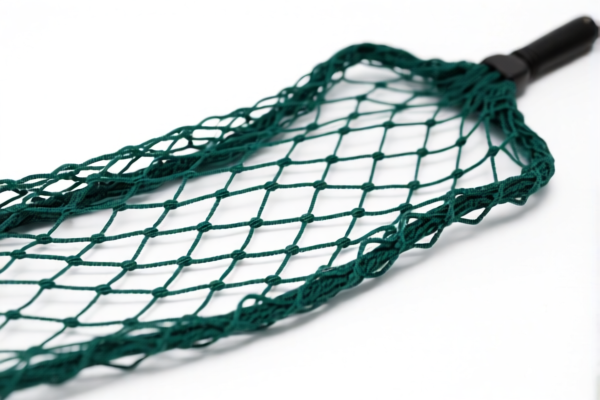
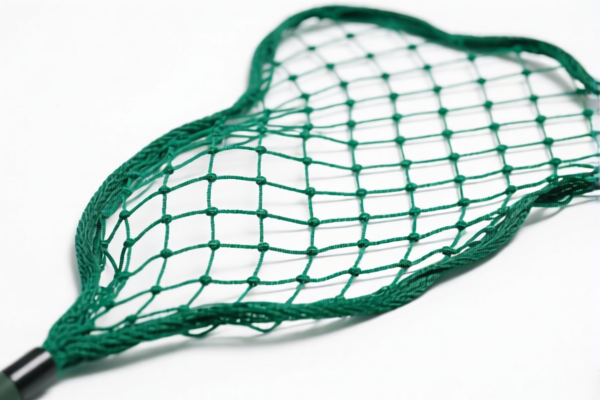
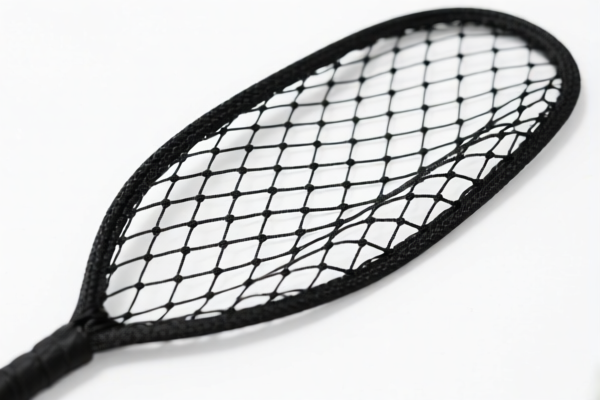
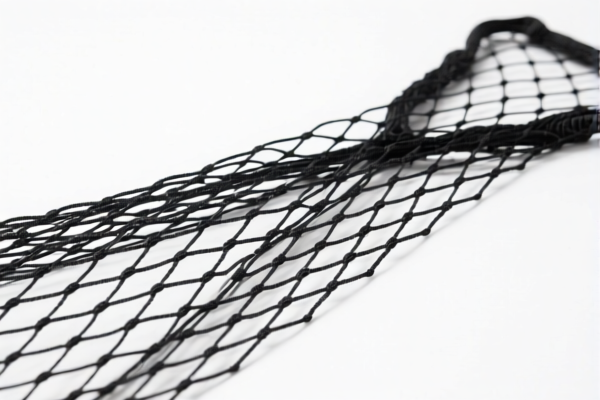
AI Analysis
🌐 Mesh Fabrics (Textile Articles)
🌐 HS Code Reference & Customs Clearance Guide | 2026 Latest Tariff Analysis | Professional Clearance Strategy
📌 I. Product Definition: What Exactly is "Mesh"?
"Mesh" in textile trade refers to open-work fabrics characterized by a network of interlaced threads with regular holes. In international trade, these are generally classified based on their manufacturing method (warp/knitted vs. weft/woven) and fiber material.
Key Distinction Points: - Knitted Mesh (经编/经编网眼): Made on circular or warp knitting machines. Typically more elastic and durable. Often falls under Chapter 60. - Woven Mesh (机织网眼): Made on looms. Structure is more rigid. Often falls under Chapter 54 (Synthetic Filament) or Chapter 55 (Synthetic Staple Fibers).
⚠️ Critical Classification Rule:
- If the mesh is knitted and made of synthetic filaments (e.g., nylon, polyester yarns), it usually falls under HS 6002.
- If the mesh is woven and made of synthetic filaments, it may fall under HS 5407 or 5515 depending on the specific fiber composition and "other" classification rules.
- The term "Mesh" itself is not a final HS code; it is a descriptive term that must be mapped to specific tariff headings based on material and structure.
📦 II. HS Code Classification Details (2026 Latest Tariff Authority Comparison)
Based on the provided data, the following HS Codes are potential classifications for "Mesh" fabrics, depending on specific material and structural nuances:
| HS Code | Product Description | Logic/Reasoning for Classification | Applicable Scenario |
|---|---|---|---|
6002.40.80.20 |
Knitted open-work fabric, synthetic filament, <30cm width | Logical Match: "Mesh" corresponds to "open-work" (镂空). "Fabric" corresponds to "knitted" (经编). No material conflict. | Narrow-width synthetic mesh fabrics, often used in athletic wear, hats, or technical textiles. |
6002.90.80.20 |
Other knitted open-work fabric, synthetic | Logical Match: Similar to above, but "Other" implies it might not fit the specific width or weight criteria of 6002.40. Still fits "Knitted Open-Work" feature. | Broad-width synthetic mesh or specialized knitted mesh not meeting specific width constraints. |
5407.30.90.00 |
Woven fabric of synthetic filament yarns, other | Logical Match: "Mesh" as a woven fabric. Material inferred as synthetic filament. Falls under "Other" category for synthetic woven fabrics. | Synthetic mesh fabrics that are woven (not knitted), e.g., polyester mesh for bags or upholstery. |
5515.19.00.90 |
Woven fabric of synthetic staple fibers, other | Logical Match: "Mesh" as a woven fabric. Material inferred as synthetic staple fiber (e.g., polyester staple). Fits "Other" bottom-up logic. | Mesh made from spun polyester or other synthetic staple fibers, often used in fashion or industrial filters. |
5515.11.00.90 |
Woven fabric of polyester staple fibers, other | Logical Match: Specific to Polyester Staple Fiber (PSF). "Mesh" form fits. Bottom-up classification due to lack of specific "mesh" code in Chapter 55. | Polyester staple fiber mesh, common in lining or lightweight industrial applications. |
5407.91.20.90 |
Other woven fabrics of synthetic filament, other | Logical Match: "Mesh" as woven. Material inferred as synthetic filament. Uses the "Other fabrics" fallback logic. | Synthetic filament woven mesh that does not fall into specific sub-categories like coated or coated laminated. |
🔍 Key Takeaway:
- Knitted Mesh → Look at HS 6002 (e.g.,6002.40.80.20).
- Woven Synthetic Filament Mesh → Look at HS 5407 (e.g.,5407.30.90.00).
- Woven Synthetic Staple Mesh → Look at HS 5515 (e.g.,5515.19.00.90).
- Misclassification Risk: Declaring a knitted mesh as woven (or vice versa) can lead to significant tax differences and customs delays.
💰 III. 2026 Latest Tariff Rate Details (Including Additional Taxes & Policies)
✅ Applicable Country: United States (US)
✅ Country of Origin: China (CN)
✅ Effective Date: From November 10, 2025 (including subsequent imports)
✅ Note: All rates below include the Base Tariff, Section 301 Additional Tariff (25%), and Section 122 Tariff (10%).
🎯 1. 6002.40.80.20 & 6002.90.80.20 — Knitted Mesh Fabrics (Synthetic)
| Item | Detail |
|---|---|
| Base Tariff | 8.0% |
| Section 301 Additional Tariff | +25.0% |
| Section 122 Tariff | +10.0% |
| Total Effective Rate | 43.0% |
| Tax Calculation | CIF Value × 43% |
| De Minimis Exemption | ❌ Not Applicable (Deny De Minimis) |
| Legal Basis Path | USITC:6002.40.80.20 → FOOTNOTE:301 → IEEPA:122 |
📌 Explanation:
- These codes fall under Chapter 60 (Knitted Fabrics).
- The 43% total rate is high due to the cumulative effect of base tariffs and additional duties on Chinese-origin textiles.
- No de minimis exemption: Even small shipments are subject to this tax.
🎯 2. 5407.30.90.00 — Woven Synthetic Filament Mesh
| Item | Detail |
|---|---|
| Base Tariff | 8.0% |
| Section 301 Additional Tariff | +25.0% |
| Section 122 Tariff | +10.0% |
| Total Effective Rate | 43.0% |
| Tax Calculation | CIF Value × 43% |
| De Minimis Exemption | ❌ Not Applicable |
| Legal Basis Path | USITC:5407.30.90.00 → FOOTNOTE:301 → IEEPA:122 |
📌 Explanation:
- Despite being woven (Chapter 54), the tariff structure mirrors the knitted counterpart for synthetic filaments under current trade policies.
- Same 43% rate: High impact on cost.
🎯 3. 5407.91.20.90 — Other Woven Synthetic Filament Mesh
| Item | Detail |
|---|---|
| Base Tariff | 14.9% |
| Section 301 Additional Tariff | +25.0% |
| Section 122 Tariff | +10.0% |
| Total Effective Rate | 49.9% |
| Tax Calculation | CIF Value × 49.9% |
| De Minimis Exemption | ❌ Not Applicable |
| Legal Basis Path | USITC:5407.91.20.90 → FOOTNOTE:301 → IEEPA:122 |
📌 Explanation:
- This is a "Other" (兜底) category, which typically carries a higher base tariff (14.9% vs. 8.0%).
- Highest Rate (49.9%): This classification results in the highest tax burden among the provided options. Avoid if a more specific code (like 5407.30) applies.
🎯 4. 5515.19.00.90 & 5515.11.00.90 — Woven Synthetic Staple Fiber Mesh
| Item | Detail |
|---|---|
| Base Tariff | 12.0% (for 5515.19) or 14.9% (for 5515.11) |
| Section 301 Additional Tariff | +25.0% |
| Section 122 Tariff | +10.0% |
| Total Effective Rate | 47.0% (for 5515.19) or 49.9% (for 5515.11) |
| Tax Calculation | CIF Value × Rate |
| De Minimis Exemption | ❌ Not Applicable |
📌 Explanation:
- Staple Fiber vs. Filament: Staple fiber fabrics (like cotton-like polyester) often have different base rates than filament fabrics.
- 47.0% - 49.9%: Still extremely high. Ensure the material is correctly identified as staple vs. filament to avoid over/under-payment.
🛠️ IV. Customs Clearance Practical Advice (Pitfall Avoidance Guide)
✅ 1. Documentation Checklist (Non-Negotiable)
| Document | Required? | Purpose |
|---|---|---|
| ✅ Product Spec Sheet | ✔️ | Must specify: Knitted vs. Woven, Fiber Content (Filament vs. Staple), Width, GSM (Weight). |
| ✅ Fabric Swatch | ✔️ | Physical sample for customs inspection to verify structure (knitted loops vs. woven cross-hatch). |
| ✅ Commercial Invoice | ✔️ | Must clearly state "Mesh Fabric" and exact HS Code. Avoid vague terms like "Textile Material." |
| ✅ Packing List | ✔️ | Detail roll count, length, and weight. |
| ✅ Certificate of Origin | ✔️ | Essential for verifying Chinese origin and applying correct additional duties. |
| ✅ Lab Test Report | ✔️ | Fiber composition test (e.g., Polyester 100%) to justify Chapter 54 vs. 55 or 60. |
✅ 2. Declaration Tips (Key Mnemonics)
🔥 “Knit is 60, Woven is 54/55, Filament vs. Staple makes the fee.”
| Scenario | Correct Declaration | Common Mistake |
|---|---|---|
| Polyester Knitted Mesh | 6002.40.80.20 |
Misdeclare as 5407 (Woven) → 43% vs 43% (same rate, but compliance risk) |
| Nylon Woven Filament Mesh | 5407.30.90.00 |
Misdeclare as 5515 (Staple) → 43% vs 49.9% (Over-tax) |
| Cotton Mesh | Not in Data | Data assumes Synthetic. If Cotton, different HS (Chapter 52/60) applies. Check separately. |
| Elastic Mesh | Specify "Elastic" in description | May require different sub-heading. |
✅ 3. Special Case Handling
| Situation | Handling Advice |
|---|---|
| Mixed Fiber Mesh | If blend is >50% synthetic, classify as synthetic. If close to 50%, provide lab report. |
| Coated/Laminated Mesh | If coated with PVC/PU, may shift to Chapter 59 (Impregnated Textiles). Do not use above codes without verification. |
| Small Sample Shipments | Still subject to 43%-49.9% tax. No de minimis. Plan for full tax payment. |
| OEM/Custom Mesh | Provide design sheets to prove specific end-use if it affects classification (e.g., technical vs. fashion). |
🌍 V. Global Market Clearance Comparison (2026 Latest)
| Country/Region | Recommended HS Code (Example) | Base Tariff | Additional Duties (CN Origin) | Total Est. Rate | Notes |
|---|---|---|---|---|---|
| 🇺🇸 USA | 6002.40.80.20 |
8.0% | +25% (301) +10% (122) | 43.0% | High burden. No de minimis. |
| 🇨🇳 China | 6002.40.80.20 |
10.0% | None | 10.0% | Import into China is cheaper. |
| 🇪🇺 EU | 6002.40.80 |
12.0% | None | 12.0% | No Section 301/122 equivalents. |
| 🇬🇧 UK | 6002.40.80 |
12.0% | None | 12.0% | Post-Brexit tariff. |
| 🇦🇺 Australia | 6002.40.80 |
5.0% | None | 5.0% | Low tariff, FTA benefits if applicable. |
📌 Conclusion:
- USA is the most expensive market for mesh fabrics due to cumulative additional tariffs.
- Cost Optimization: Consider supply chain diversification (e.g., Vietnam, Bangladesh) if shipping to the US, as tariffs may be lower or exempt.
- EU/UK/Australia offer significantly lower duty burdens for the same product.
📌 VI. Common Errors & Pitfalls (Lessons Learned)
❌ Error 1: Declaring "Knitted Mesh" as "Woven Mesh"
👉 Consequence: Potential misclassification. While rates might be similar (43% vs 43%), compliance audit risk is high. Customs may demand samples.
❌ Error 2: Ignoring "Filament" vs. "Staple" Distinction
👉 Consequence: Tax difference of 6.9% (43% vs 49.9%). Significant cost impact on large volumes.
❌ Error 3: Assuming "Mesh" is De Minimis Exempt
👉 Consequence: Small shipments will be taxed at 43-50%. Surprise costs can destroy profit margins for dropshipping or small batches.
❌ Error 4: Using Generic Terms like "Textile"
👉 Consequence: Customs may assign the highest applicable duty rate or delay clearance for further inspection.
✅ Correct Action:
"100% Polyester Knitted Mesh Fabric, 30cm Width, Open-Work Structure, Model XYZ, Certified Oeko-Tex"
🎯 VII. Conclusion: Precision in Classification Saves Money
🎯 Remember the Mnemonics:
🔹 “Knit is 60, Woven is 54/55, Filament/Staple changes the fee.”
🔹 “43% is the baseline, 49.9% is the trap.”
🔹 “No de minimis for China-origin textiles.”
📌 Pro Tip:
If your mesh fabric is coated, laminated, or rubberized, it may fall under HS 5903 or 5906, which have different tax structures. Always verify if the mesh is "plain" or "treated."
Recommendation: Apply for an Advance Ruling from US Customs (CBP) if you are importing large volumes of a new mesh type.
📣 Immediate Action:
📞 Contact your customs broker with fabric swatches and specifications.
🚀 Verify Fiber Content via lab test.
💼 Calculate Landed Cost including the 43-50% tariff before pricing.
✨ Professional clearance starts with precise classification!
💼 Every percentage point of tax impacts your bottom line!
Customer Reviews
About HS Code Classification
The Harmonized System (HS) is an internationally standardized nomenclature developed by the World Customs Organization (WCO) to classify traded products. Over 200 countries use the HS system as the basis for customs tariffs, trade statistics, and import/export regulations.
Each HS code follows a hierarchical structure:
- Chapter (2 digits) — Broad category of goods (e.g., Chapter 84: Machinery and Mechanical Appliances)
- Heading (4 digits) — More specific grouping within the chapter
- Subheading (6 digits) — Internationally standardized breakdown, used by all WCO member countries
- National subdivisions (8-10 digits) — Country-specific extensions for further classification, such as US HTSUS 10-digit codes
Correct HS code classification is essential for smooth customs clearance, accurate duty payment, and compliance with trade regulations. Misclassification can lead to customs delays, overpayment of duties, or penalties.
When importing from CN to US, the applicable tariff rates may include:
- Most-Favored-Nation (MFN) rate — The standard duty rate applied to WTO members
- General rate — Applied to countries without trade agreements
- Trade remedy duties — Additional tariffs such as Section 301 (anti-dumping), Section 232 (national security), or countervailing duties
The information provided on this page is for reference purposes only. For official classification, please consult with your local customs authority or a licensed customs broker.