Mesh Document Rack
CN → US| HS Code | Tariff Rate | Origin | Destination | Doc |
|---|---|---|---|---|
| 7326908688 | 87.9% | CN | US | Official Doc |
| 7326908635 | 87.9% | CN | US | Official Doc |
| 3926909989 | 22.8% | CN | US | Official Doc |
| 9403200082 | 85.0% | CN | US | Official Doc |
| 4820900000 | 35.0% | CN | US | Official Doc |
Product Images
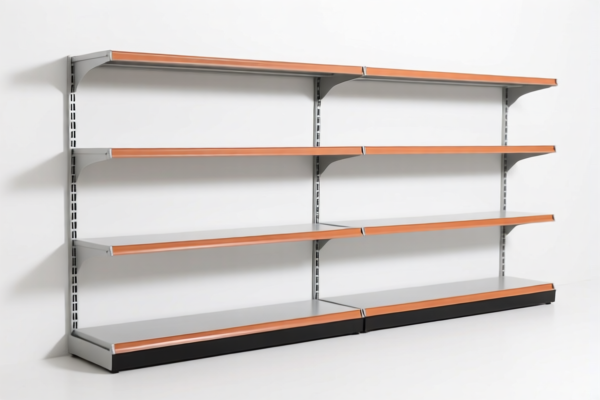
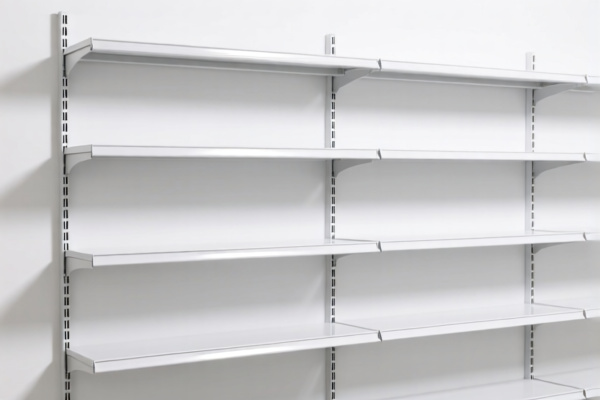
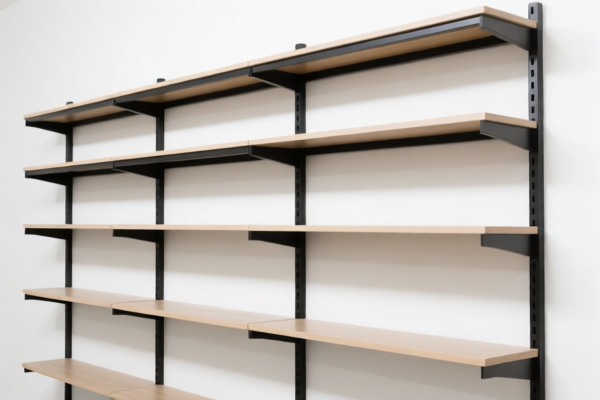
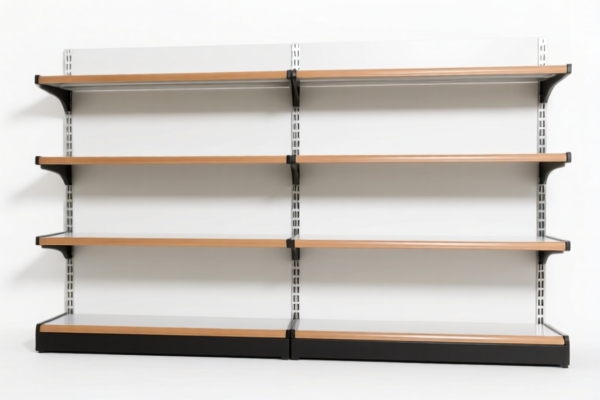
AI Analysis
📂 Mesh Document Rack (Office Storage Solutions)
🌐 HS Code Reference & Clearance Guide | 2026 Latest Tariff Analysis | Professional Customs Strategy
📌 I. Product Definition & Classification: Do You Really Know a "Mesh Document Rack"?
A Mesh Document Rack is an office organization product designed to hold files, papers, or documents. In international trade, its classification is highly sensitive to material composition and structure. Because "mesh" can refer to metal wire, plastic mesh, or even cardboard mesh, customs authorities require precise definition.
Key Classification Drivers:
- Material: Is it Iron/Steel? Plastic? Paperboard?
- Function: Is it primarily "Office Furniture" or "Office Stationery/Article"?
- Structure: Is it a "Rack/Shelf" (Furniture) or a "Container/Organizer" (Stationery)?
⚠️ Critical Distinction:
- If made of Iron/Steel and used for storage → Often classified under Metal Furniture or Miscellaneous Metal Articles.
- If made of Plastic → Classified under Miscellaneous Plastic Articles.
- If made of Paperboard → Classified under Paper Stationery.
- Note: Misclassification due to material ambiguity is the #1 cause of delays for this product.
📦 II. HS Code Classification Details (2026 Latest Tariff Authority Mapping)
Based on the provided data, here are the five most likely HS Codes for a Mesh Document Rack, ranging from metal furniture to plastic stationery.
| HS Code | Product Description | Applicable Scenario | Material Inference | Est. Total Tax Rate |
|---|---|---|---|---|
| 9403.20.00.82 | Other Metal Furniture (Document Rack) | Matches rack structure; inferred as metal based on common sense for office furniture. | Metal (Iron/Steel) | 85.0% |
| 7326.90.86.88 | Other Articles of Iron/Steel (Not Elsewhere Specified) | Mesh structure inferred as Iron/Steel; non-specific metal article. | Iron/Steel | 87.9% |
| 7326.90.86.35 | Other Iron/Steel Articles (Office Supplies) | Matches office use + metal material; specific subheading for steel office items. | Iron/Steel | 87.9% |
| 4820.90.00.00 | Other Stationery Articles (Paper/Cardboard) | Inferred as paperboard/cardboard mesh; general stationery category. | Paperboard/Plastic* | 35.0% |
| 3926.90.99.89 | Other Plastic Articles | Inferred as plastic mesh; bottom-up category for miscellaneous plastics. | Plastic | 22.8% |
🔍 Important Note:
- The term "Mesh" does not determine the HS Code; Material does.
- If your product is Steel Mesh, you are likely facing 85%-88% tax rates.
- If your product is Plastic Mesh, you can significantly reduce costs to ~23% (HS Code 3926).
- Please verify the exact material of your specific product before declaring.
💰 III. 2026 Latest Tariff Rate Breakdown (US Market Focus)
✅ Applicable Country: United States (US)
✅ Country of Origin: China (CN)
✅ Effective Time: Current tariffs apply (including Section 301, IEEPA, etc.)
🎯 1. High-Tax Scenarios: Iron/Steel Mesh Racks (HS 7326 / 9403)
A. HS Code 7326.90.86.88 & 7326.90.86.35
(Miscellaneous Articles of Iron/Steel)
| Item | Detail |
|---|---|
| Base Tariff | 2.9% |
| Section 301 Surcharge | +25.0% |
| Section 122/IEEPA Tariff | +10% (Specific to Steel/Aluminum/Copper under certain clauses) OR +50% (Specific 10% Steel/Aluminum surcharge applicable in some contexts) |
| Total Tax Rate | 87.9% |
| De Minimis Eligibility | ❌ NO (Denied) |
| Legal Basis | Section 301 Tariff List; IEEPA Proclamations |
📌 Explanation:
- Steel products from China are subject to heavy punitive tariffs.
- The 87.9% rate includes Base (2.9%) + Section 301 (25%) + Additional Specific Tariffs (e.g., 50% or 10% depending on the specific 122 clause interpretation).
- Cost Impact: For a $1,000 shipment, you pay ~$879 in duties alone.
B. HS Code 9403.20.00.82
(Other Metal Furniture)
| Item | Detail |
|---|---|
| Base Tariff | 0.0% |
| Section 301 Surcharge | +25.0% |
| Section 122/IEEPA Tariff | +50% (Specifically for Steel/Aluminum products under certain provisions) |
| Total Tax Rate | 85.0% |
| De Minimis Eligibility | ❌ NO (Denied) |
| Legal Basis | Section 301; IEEPA Steel/Aluminum Provisions |
📌 Explanation:
- Although classified as "Furniture" (which sometimes has lower base rates), steel furniture still attracts the full 50% steel surcharge in many interpretations, leading to an 85% total rate.
🎯 2. Medium/Low-Tax Scenarios: Non-Steel Materials (HS 4820 / 3926)
C. HS Code 4820.90.00.00
(Other Stationery Articles - Paper/Cardboard)
| Item | Detail |
|---|---|
| Base Tariff | 0.0% |
| Section 301 Surcharge | +25.0% |
| Section 122 Tariff | +10% |
| Total Tax Rate | 35.0% |
| De Minimis Eligibility | ❌ NO (Denied) |
📌 Explanation:
- If the "mesh" is actually cardboard or paper-based, the tax rate drops significantly to 35%.
- Note: True metal mesh cannot be declared as paper. Misdeclaration leads to severe penalties.
D. HS Code 3926.90.99.89
(Other Plastic Articles)
| Item | Detail |
|---|---|
| Base Tariff | 5.3% |
| Section 301 Surcharge | +7.5% (Reduced for some plastic items under certain phases/clauses, check latest list) |
| Section 122 Tariff | +10% |
| Total Tax Rate | 22.8% |
| De Minimis Eligibility | ❌ NO (Denied) |
📌 Explanation:
- If the product is Plastic Mesh (e.g., PP or ABS plastic grid), this is the most cost-effective classification, with a total rate of only 22.8%.
- This is a 65% tax saving compared to steel variants.
🛠️ IV. Clearance Practical Advice (Avoiding Pitfalls)
✅ 1. Material Verification is Key
| Material | Recommended HS Code | Total Tax | Strategy |
|---|---|---|---|
| Iron/Steel Wire | 7326.90.86.88 / 7326.90.86.35 | 87.9% | High cost. Consider redesigning. |
| Steel Frame | 9403.20.00.82 | 85.0% | High cost. Check for furniture exemptions. |
| Plastic Mesh | 3926.90.99.89 | 22.8% | BEST OPTION. Ensure material is >50% plastic by weight. |
| Paper/Cardboard | 4820.90.00.00 | 35.0% | Good option if structural integrity allows. |
🔥 Pro Tip:
- If your product is marketed as "Steel Mesh" but contains coated or plastic-coated wires, check if the coating changes the essential character. However, metal wire mesh is almost always classified under Chapter 73.
✅ 2. Declaration Best Practices
| Mistake | Consequence | Correct Action |
|---|---|---|
| Declaring "Mesh Rack" without material | Customs rejects or reclassifies with penalty | Specify: "Polypropylene Plastic Mesh Document Rack" |
| Declaring Steel Rack as "Plastic" | Severe fraud penalty, seizure | Accurate material declaration is mandatory |
| Splitting Shipments to avoid thresholds | "De Minimis" is denied for CN goods anyway | Plan for full duty payment |
✅ 3. Documentation Requirements
| Document | Purpose |
|---|---|
| Bill of Materials (BOM) | Prove material composition (e.g., "100% PP Plastic") |
| Product Photos | Show close-up of mesh texture (plastic vs. metal shine) |
| Technical Data Sheet | Detail dimensions, weight, and assembly instructions |
| Commercial Invoice | Must clearly state: "Plastic Document Organizer, HS 3926..." |
🌍 V. Global Market Comparison (2026)
| Country | Recommended HS Code (Steel) | Total Tax (China Origin) | Recommended HS Code (Plastic) | Total Tax (China Origin) |
|---|---|---|---|---|
| 🇺🇸 USA | 7326.90.86.88 | 87.9% | 3926.90.99.89 | 22.8% |
| 🇨🇳 China | 7326.90.90.00 | ~10% (Import Tariff) | 3926.90.90.00 | ~6% |
| 🇪🇺 EU | 7326.90.98 | ~2-4% | 3926.90.99 | ~3-4% |
| 🇬🇧 UK | 7326.90.98 | ~2-4% | 3926.90.99 | ~3-4% |
📌 Conclusion:
- The US is the most punitive market for steel office supplies from China due to Section 301 and IEEPA tariffs.
- Plastic alternatives offer a massive tax advantage (22.8% vs 87.9%) in the US.
- For EU/UK, the difference is minimal, so steel may still be preferred for durability.
📌 VI. Common Errors & Pitfalls (Lessons Learned)
❌ Error 1: Assuming "Mesh" = "Furniture" (HS 9403)
👉 Reality: If it's small, open-top, and for simple file storage, it might be considered an "Article of Iron" (7326) rather than furniture. Both have high taxes, but the legal basis differs.
❌ Error 2: Misdeclaring Plastic as Paper
👉 Consequence: Customs may detect the weight/texture mismatch.
👉 Fix: Use HS 3926 for plastic. It is safer and still low-tax.
❌ Error 3: Ignoring "Section 122" Steel Tariffs
👉 Consequence: Even with 0% base duty, the 50% or 10% steel surcharge applies.
👉 Fix: Calculate total landed cost including all surcharges.
✅ Correct Approach:
"Polymer-based Mesh Document Organizer, Non-Furniture, HS 3926.90.99.89, Origin: China"
🎯 VII. Conclusion: Optimize for Profit
🎯 Key Takeaway:
🔹 Steel Mesh Rack: Expect 85-88% tax. High barrier to entry in the US.
🔹 Plastic Mesh Rack: Expect ~23% tax. Highly competitive.
🔹 Paper/Cardboard Rack: Expect 35% tax. Eco-friendly alternative.
📌 Strategic Advice:
1. If you are the manufacturer: Consider switching to high-quality plastic mesh or bamboo/composite materials to reduce US tariffs by ~65%.
2. If you are the buyer: Negotiate price reductions based on the high tariff burden, or source from Vietnam/Mexico if possible (check Rules of Origin carefully).
3. Always Verify Material: A small change in material (e.g., steel wire vs. plastic-coated wire) can change the HS Code and tax rate dramatically.
📣 Immediate Action:
📞 Audit your current product BOM.
📊 Compare Steel vs. Plastic total landed cost.
🚀 Consult a customs broker for a Binding Ruling if your product has mixed materials.
✨ Precision in Classification Saves Millions!
💼 Don't let tariff ambiguity eat your margin.
Customer Reviews
About HS Code Classification
The Harmonized System (HS) is an internationally standardized nomenclature developed by the World Customs Organization (WCO) to classify traded products. Over 200 countries use the HS system as the basis for customs tariffs, trade statistics, and import/export regulations.
Each HS code follows a hierarchical structure:
- Chapter (2 digits) — Broad category of goods (e.g., Chapter 84: Machinery and Mechanical Appliances)
- Heading (4 digits) — More specific grouping within the chapter
- Subheading (6 digits) — Internationally standardized breakdown, used by all WCO member countries
- National subdivisions (8-10 digits) — Country-specific extensions for further classification, such as US HTSUS 10-digit codes
Correct HS code classification is essential for smooth customs clearance, accurate duty payment, and compliance with trade regulations. Misclassification can lead to customs delays, overpayment of duties, or penalties.
When importing from CN to US, the applicable tariff rates may include:
- Most-Favored-Nation (MFN) rate — The standard duty rate applied to WTO members
- General rate — Applied to countries without trade agreements
- Trade remedy duties — Additional tariffs such as Section 301 (anti-dumping), Section 232 (national security), or countervailing duties
The information provided on this page is for reference purposes only. For official classification, please consult with your local customs authority or a licensed customs broker.