Mesh File Folder
CN → US| HS Code | Tariff Rate | Origin | Destination | Doc |
|---|---|---|---|---|
| 3926908800 | 0.0% | CN | US | Official Doc |
| 3926909989 | 22.8% | CN | US | Official Doc |
| 7326908688 | 87.9% | CN | US | Official Doc |
| 7326903500 | 92.8% | CN | US | Official Doc |
| 4820300020 | 35.0% | CN | US | Official Doc |
| 4820300040 | 35.0% | CN | US | Official Doc |
Product Images
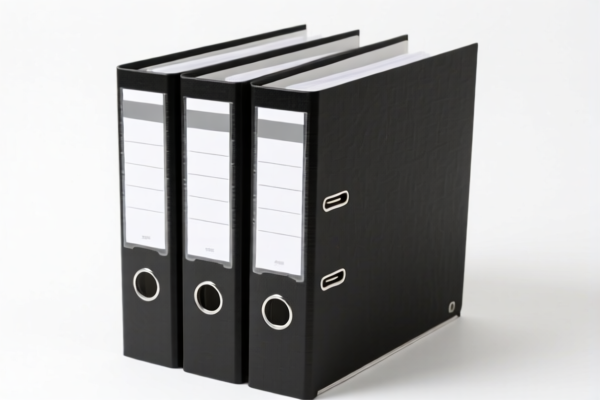
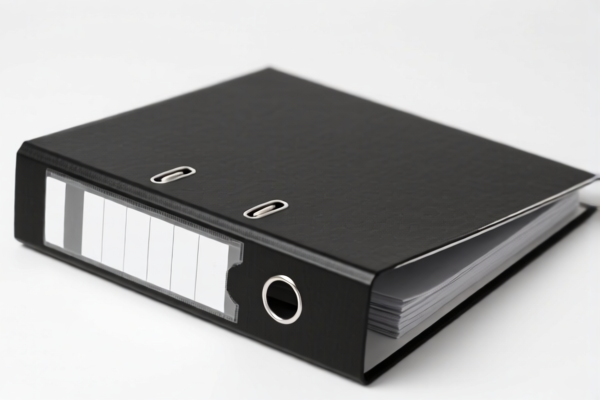
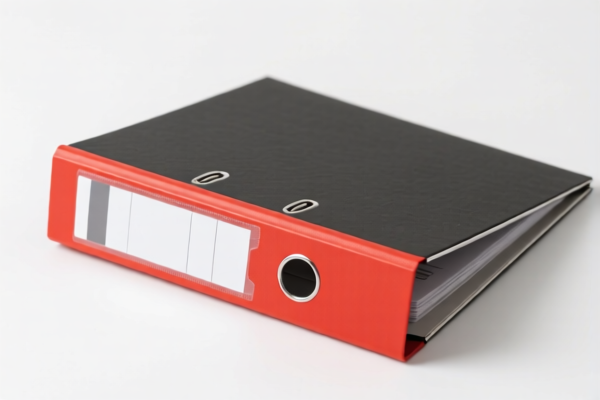
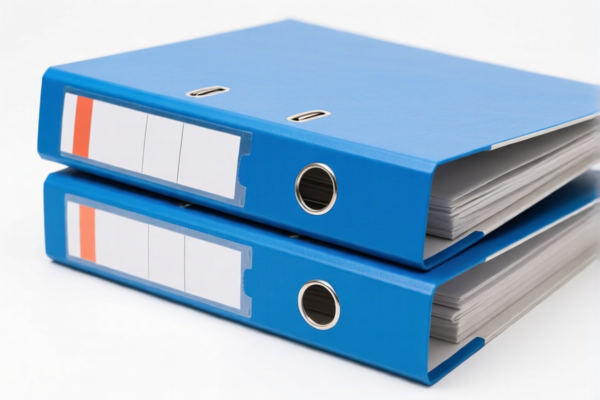
AI Analysis
📂 Mesh File Folder (Metal Wire Document Organizer)
🌐 HS Code Reference & Customs Clearance Guide | 2026 Latest Tariff Analysis | Professional-Level Clearance Strategy
📌 Part I: Product Definition and Classification: Do You Really Know "Mesh File Folders"?
The Mesh File Folder, often referred to as a wire document organizer or metal filing tray, is a ubiquitous office supply designed for sorting, storing, and retrieving documents. In international trade, the classification of these items depends heavily on the material composition and the specific design (e.g., looseleaf binders vs. simple trays).
Key Distinction Points: * Paper-based Products: If the structure is entirely paperboard with metal springs (classified under Chapter 48). * Plastic-based Products: If the main body is plastic with metal springs/tabs (classified under Chapter 39). * Steel/Iron-based Products: If the "mesh" structure is primarily woven metal wire or stamped metal sheets, forming the main structural integrity (classified under Chapter 73).
⚠️ Critical Classification Rule:
- If the item is described as a "Binder" (looseleaf) with metal rings/wire, it falls under Heading 4820 if primarily paper, or specific plastic subheadings. - If the item is a "Wire Mesh File/Tray" used for holding papers but not a traditional ring binder, it may fall under Other articles of iron or steel (7326) or Plastic articles (3926) depending on the dominant material. - Warning: Misclassifying a steel mesh organizer as a "paper accessory" can lead to severe duty discrepancies (from 0% to 50%+).
📦 Part II: HS Code Classification Details (2026 Latest Tariff Authority Comparison)
Based on the provided data, here are the possible HS Codes for "Mesh File Folder" variants, categorized by material and structure:
| HS Code | Product Description | Material Type | Applicable Scenario | Primary Structure |
|---|---|---|---|---|
| 4820.30.00.20 | Looseleaf binders | Paper/Paperboard | Standard office looseleaf binders with metal springs | Paper base, metal springs |
| 4820.30.00.40 | Binders (other than book covers) | Paper/Paperboard | Other paper-based binders/folders | Paper base, no specific metal tab description |
| 7326.90.86.88 | Other articles of iron or steel | Iron/Steel | Wire mesh file organizers, metal trays, heavy-duty steel file holders | Steel mesh/wire structure |
| 7326.90.35.00 | Containers carried on the person | Iron/Steel | Small steel mesh pencil cases or portable document holders | Steel container |
| 3926.90.88.00 | Flexible plastic document binders | Plastic | Plastic binders with tabs (often with metal springs) | Plastic body, metal springs |
| 3926.90.99.89 | Other plastic articles | Plastic | General plastic office organizers (non-specific) | Plastic body |
🔍 Key Insight:
- "Mesh" (网状) strongly implies Steel/Iron (7326) or Wire construction. If the folder is made of woven steel wire, it MUST go to 7326.90.86.88. - If it is a Looseleaf Binder (with rings) made of paper, use 4820.30.00. - If it is a Plastic folder with metal springs, use 3926.90.88.00.
💰 Part III: 2026 Latest Tariff Rate Details (Detailed Breakdown)
✅ Applicable Country: United States (US)
✅ Origin: China (CN)
✅ Effective Date: 2025/2026 Import Regulations
🎯 1. 4820.30.00.20 & 4820.30.00.40 —— Paper Looseleaf Binders/Folders
| Item | Content |
|---|---|
| Base Tariff | 0.0% (ad valorem) |
| Additional Tariff (Section 301) | +25.0% |
| Total Tax Rate | 25.0% |
| Tax Detail | "Basic Tariff: 0.0%, Additional Tariff: 25.0%" |
| Legal Basis | USITC Footnote for Chapter 48 (Section 301 Trade Act) |
📌 Explanation:
- Paper-based binders have a low base tariff but are subject to the standard 25% Section 301 duty on Chinese goods. - No additional "Steel/Aluminum/Copper" surcharge applies here.
🎯 2. 7326.90.86.88 —— Other Articles of Iron or Steel (Mesh/Wire Organizers)
| Item | Content |
|---|---|
| Base Tariff | 2.9% (ad valorem) |
| Additional Tariff (Section 301) | +25.0% |
| Steel/Aluminum/Copper Surcharge | +50.0% |
| Total Tax Rate | 77.9% |
| Tax Detail | "Basic: 2.9%, Add'l: 25.0%, Steel/Al/Cu Surcharge: 50.0%" |
| Legal Basis | USITC & USTR Directives on Steel Products |
⚠️ CRITICAL WARNING:
- If your "Mesh File Folder" is made of steel wire, the total duty is 77.9%! - The 50% surcharge applies specifically to articles of iron or steel under specific headings. - This is a HIGH-RISK classification for importers from China.
🎯 3. 7326.90.35.00 —— Steel Containers (e.g., Mesh Pencil Cases/Small Holders)
| Item | Content |
|---|---|
| Base Tariff | 0.0% |
| Additional Tariff (Section 301) | 0.0% |
| Steel/Aluminum/Copper Surcharge | +50.0% |
| Total Tax Rate | 50.0% |
| Tax Detail | "Basic: 0.0%, Add'l: 0.0%, Steel/Al/Cu Surcharge: 50.0%" |
📌 Note:
- Even if the base and Section 301 tariffs are 0%, the 50% steel surcharge still applies. - Total rate: 50.0%.
🎯 4. 3926.90.88.00 & 3926.90.99.89 —— Plastic Document Binders/Articles
| Item | Content |
|---|---|
3926.90.88.00 |
Tax Error: "Failed to retrieve tax information" |
3926.90.99.89 |
Base: 5.3%, Add'l: 7.5% → Total: 12.8% |
| Tax Detail | "Basic: 5.3%, Add'l: 7.5%" |
📌 Note:
- Plastic-based folders are NOT subject to the 50% steel surcharge. - Total rate for general plastic articles: 12.8%. - For specific "Flexible plastic document binders with tabs," tax info is pending/error in current database; assume conservative rate based on Chapter 39 averages.
🛠️ Part IV: Customs Clearance Practical Advice (Pitfall Avoidance Guide)
✅ 1. Material Declaration is Key (Declaration Strategy)
| Material Composition | Recommended HS Code | Risk Level | Duty Rate |
|---|---|---|---|
| Steel Wire Mesh | 7326.90.86.88 |
🔴 HIGH | 77.9% |
| Steel Container | 7326.90.35.00 |
🟠 MED-HIGH | 50.0% |
| Paper + Metal Springs | 4820.30.00.20 |
🟡 MED | 25.0% |
| Plastic + Metal Springs | 3926.90.99.89 |
🟢 LOW | 12.8% |
🔥 Golden Rule:
"Check the Wire! If it's Steel, Prepare for 77.9%!"
If your product is a "Mesh File," customs officers will inspect if it's steel wire. If it is, you cannot classify it as "Paper" or "Plastic" to avoid duties.
✅ 2. Documentation Checklist
| Document | Must Provide | Purpose |
|---|---|---|
| ✅ Material Breakdown | ✔️ | Specify % of Steel vs. Paper vs. Plastic. Critical for 7326 vs 4820/3926. |
| ✅ Product Photos | ✔️ | Show the "Mesh" structure. Is it woven wire? Or stamped sheet? |
| ✅ Commercial Invoice | ✔️ | Clearly state "Steel Mesh File Folder" or "Paper Binder with Metal Springs." |
| ✅ Binding Agreement (if OEM) | ✔️ | To prove design origin. |
✅ 3. Common Mistakes & Consequences
❌ Mistake 1: Classifying a Steel Wire Mesh File as a "Paper Binder" (4820.30.00)
👉 Consequence: Customs will reclassify to 7326.90.86.88.
👉 Result: Pay 77.9% instead of 25.0%. Back taxes + Penalties!
❌ Mistake 2: Not declaring the Steel Content for 7326 codes
👉 Consequence: Incorrectly applying 0% or 25% only.
👉 Result: Miss the 50% Steel Surcharge. Customs will issue a notice for the missing 50%.
❌ Mistake 3: Confusing "Looseleaf Binders" (4820.30) with "File Covers" (4820.30)
👉 Consequence: Minor difference in subheadings (.20 vs .40), but both are 25%.
👉 Result: No major tax difference, but incorrect paperwork may cause clearance delays.
✅ 4. Clearance Tips for "Mesh" Products
-
If it's Steel:
- Be prepared for the 77.9% total duty (
7326.90.86.88). - Consider if the product can be designed with Plastic Components (
3926.90.99.89, 12.8%) to reduce duty, if functionally acceptable. - Check if the product qualifies for any Exclusions (rare for general office supplies from China).
- Be prepared for the 77.9% total duty (
-
If it's Paper/Plastic:
- Ensure the metal springs are incidental. If the metal is the main structure, it's steel.
- Use
4820.30.00.20for looseleaf binders (25% duty).
🌍 Part V: Global Market Comparison (2026)
| Country/Region | Recommended HS Code | Tariff (China Origin) | Remarks |
|---|---|---|---|
| 🇺🇸 USA | 7326.90.86.88 (Steel) |
77.9% | Highest duty due to steel surcharge. |
| 🇺🇸 USA | 4820.30.00.20 (Paper) |
25.0% | Lower duty if paper-based. |
| 🇪🇺 EU | 7326.90 (Steel) |
~5-10% | No US-style Section 301/Steel Surcharge. |
| 🇨🇳 China | 7326.90 (Steel) |
~0-5% | Low import duty for steel office supplies. |
📌 Conclusion:
- The US market is extremely punitive for Steel Mesh Files (77.9%).
- For US exports, consider Plastic (3926.90.99.89, 12.8%) or Paper (4820.30.00.20, 25.0%) alternatives to reduce costs.
📌 Part VI: Final Recommendations for Importers
- Verify Material: Is the "Mesh" made of Steel Wire? If yes, expect 77.9% duty.
- Consider Material Change: Can the mesh be replaced with Plastic-coated wire or Plastic slots? If the plastic component is dominant, you may qualify for 12.8% duty.
- Consult a Customs Broker: For steel products, always get a Pre-Ruling from CBP to confirm the exact subheading.
- Labeling: Clearly label products as "Steel Mesh Organizer" or "Paper Binder" to avoid ambiguity during inspection.
🎯 Conclusion: Precision Saves Money!
🔹 "Steel Mesh? 77.9%! Paper Binders? 25%! Plastic? 12.8%! Choose wisely!"
🔹 "Don't let 'Mesh' fool you! It might be Steel, and Steel is Expensive in the US!"
📌 Pro Tip:
If your supplier claims it's a "Binder," ask for the Bill of Materials (BOM). If it's >50% steel by weight/structure, it's 7326. If it's paper with metal springs, it's 4820.
📣 Action Item:
📞 Contact your customs broker NOW.
📦 Provide Product Photos + Material Composition.
🚀 Avoid the 77.9% Shock! Optimize Your HS Code Today!
✨ Professional Clearance Starts with Accurate Classification!
💼 Your Cost Savings Depend on the Right HS Code!
Customer Reviews
About HS Code Classification
The Harmonized System (HS) is an internationally standardized nomenclature developed by the World Customs Organization (WCO) to classify traded products. Over 200 countries use the HS system as the basis for customs tariffs, trade statistics, and import/export regulations.
Each HS code follows a hierarchical structure:
- Chapter (2 digits) — Broad category of goods (e.g., Chapter 84: Machinery and Mechanical Appliances)
- Heading (4 digits) — More specific grouping within the chapter
- Subheading (6 digits) — Internationally standardized breakdown, used by all WCO member countries
- National subdivisions (8-10 digits) — Country-specific extensions for further classification, such as US HTSUS 10-digit codes
Correct HS code classification is essential for smooth customs clearance, accurate duty payment, and compliance with trade regulations. Misclassification can lead to customs delays, overpayment of duties, or penalties.
When importing from CN to US, the applicable tariff rates may include:
- Most-Favored-Nation (MFN) rate — The standard duty rate applied to WTO members
- General rate — Applied to countries without trade agreements
- Trade remedy duties — Additional tariffs such as Section 301 (anti-dumping), Section 232 (national security), or countervailing duties
The information provided on this page is for reference purposes only. For official classification, please consult with your local customs authority or a licensed customs broker.