Mesh Spoon
CN → US| HS Code | Tariff Rate | Origin | Destination | Doc |
|---|---|---|---|---|
| 7323930080 | 62.0% | CN | US | Official Doc |
| 7323999080 | 88.4% | CN | US | Official Doc |
| 3924104000 | 13.4% | CN | US | Official Doc |
| 3924101000 | 13.4% | CN | US | Official Doc |
| 6911108010 | 38.3% | CN | US | Official Doc |
| 6911108090 | 38.3% | CN | US | Official Doc |
Product Images
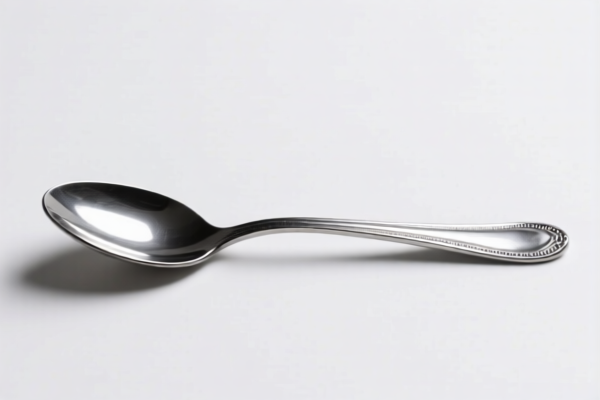
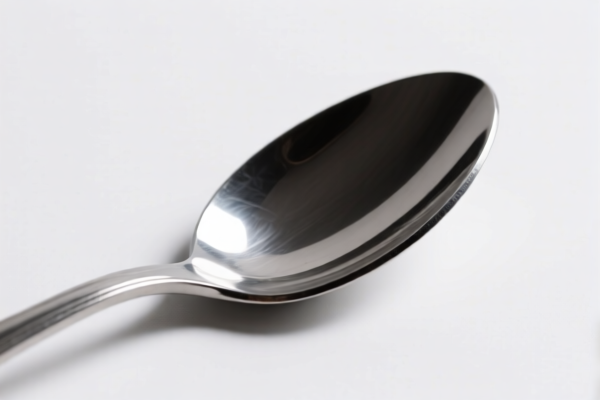
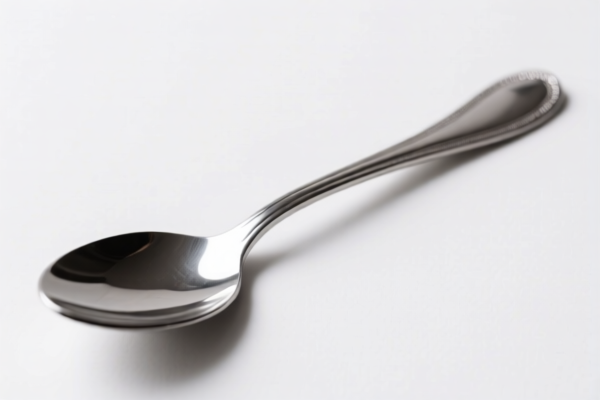

AI Analysis
🥄 Mesh Spoon (Strainer/Skimmer for Kitchenware)
🌐 HS Code Reference & Customs Clearance Guide | 2026 Latest Tariff Analysis | Professional Level Customs Strategy
📌 I. Product Definition & Classification: Do You Really Know the "Mesh Spoon"?
A Mesh Spoon (often referred to as a skimmer, strainer spoon, or perforated ladle) is a utensil used in cooking to remove solid food from liquids (like boiling water, broth, or oil) or to skim foam. In international trade, its classification strictly depends on the material.
Crucial Distinction: - Plastic Mesh Spoon: Often made of nylon or PP mesh with a plastic handle. → Chapter 39 - Stainless Steel Mesh Spoon: A solid metal utensil with perforations. → Chapter 73 - Ceramic/Enamel-Coated Mesh Spoon: Rare, but possible. → Chapter 69 (Note: Pure ceramic mesh spoons are extremely uncommon; usually, it's steel or plastic. However, if it is porcelain/china, it falls here).
⚠️ Key Classification Point:
- If the main body is Plastic (including mesh made of plastic fibers) → 3924.10.xxxx
- If the main body is Stainless Steel (iron/steel) → 7323.93.00.80
- If the main body is Porcelain/China (e.g., a ceramic bowl with a mesh insert, or a rare ceramic skimmer) → 6911.10.80.xx
📦 II. HS Code Classification Details (Based on Provided Data)
| HS Code | Product Description | Material | Tax Rate (Total) | Notes |
|---|---|---|---|---|
3924.10.40.00 |
Tableware, kitchenware... of plastics: Tableware and kitchenware: Other | Plastic | 3.4% | Includes plastic mesh skimmers, nylon strainers. |
3924.10.10.00 |
Tableware... of plastics: ...Salt, pepper, mustard and ketchup dispensers... | Plastic | 3.4% | Only if the "mesh spoon" is actually a dispenser (e.g., a salt shaker with a mesh top). Not for general cooking skimmers. |
6911.10.80.10 |
Tableware... of porcelain or china: ...Other: Other: Other: Other Suitable for food or drink contact | Porcelain/China | 28.3% | Very rare for "mesh" items. Only applies if it's a ceramic kitchen tool suitable for food contact. |
6911.10.80.90 |
Tableware... of porcelain or china: ...Other: Other: Other: Other Other | Porcelain/China | 28.3% | Ceramic items not suitable for food contact (e.g., decorative). Unlikely for a functional mesh spoon. |
7323.93.00.80 |
Table, kitchen... of iron or steel: Other: Of stainless steel Other | Stainless Steel | 52.0% | Standard stainless steel skimmer/strainer. Base 2% + 25% Section 301 + 50% Section 232? See Tax Detail Below. |
7323.99.90.80 |
Table, kitchen... of iron or steel: Other: Other: Not coated...: Other: Other Other | Iron/Steel (Non-Stainless) | 78.4% | Uncoated/non-stainless steel kitchenware. High tariff due to multiple surcharges. |
🔍 Important Note on
7323.93.00.80:
The tax detail states:Base: 2.0%, Section 301/232 Surcharges: 50%. Total: 52.0%.
The tax detail for7323.99.90.80states:Base: 3.4%, Section 301: 25%, Steel/Aluminum/Copper Surcharge: 50%. Total: 78.4%.
💰 III. 2026 Latest Tariff Rate Explanation (Detailed Breakdown)
✅ Applicable Country: United States (US)
✅ Origin: China (CN)
✅ Effective Date: 2025/2026 Current Regulations
🎯 1. 3924.10.40.00 – Plastic Mesh Spoon (Most Common for Plastic)
| Item | Content |
|---|---|
| Product | Plastic strainer, nylon mesh skimmer, plastic ladle with holes |
| Base Tariff | 3.4% |
| Additional Tariffs | 0.0% (No Section 301 or 232 surcharges listed for this specific subheading in the provided data) |
| Total Tax Rate | 3.4% |
| Calculation | CIF Value × 3.4% |
| De Minimis | ❌ Not Eligible (Plastic household articles are generally subject to standard duties) |
| Legal Basis | HTSUS 3924.10.40.00 |
📌 Explanation:
- Plastic kitchenware is generally low-tariff unless specific anti-dumping or countervailing duties apply.
- The provided data shows 0% additional tariffs for this code, making it the most cost-effective option if the product is plastic.
🎯 2. 3924.10.10.00 – Plastic Dispenser (If Applicable)
| Item | Content |
|---|---|
| Product | Plastic salt/pepper shaker with mesh top |
| Base Tariff | 3.4% |
| Additional Tariffs | 0.0% |
| Total Tax Rate | 3.4% |
| Note | Only applies if the item is a dispenser, not a cooking skimmer. Misclassification here leads to penalties. |
🎯 3. 7323.93.00.80 – Stainless Steel Mesh Spoon (High Tariff Risk)
| Item | Content |
|---|---|
| Product | Stainless steel skimmer, perforated ladle |
| Base Tariff | 2.0% |
| Section 301/232 Surcharge | 50% (Explicitly stated in data: "Steel, Aluminum, Copper products additional tariff: 50%") |
| Total Tax Rate | 52.0% |
| Calculation | CIF Value × 52.0% |
| De Minimis | ❌ Not Eligible |
| Legal Basis | HTSUS 7323.93.00.80 + Section 232/301 Proclamations |
📌 Warning:
- Stainless steel kitchenware from China is subject to heavy tariffs.
- The 50% surcharge is critical. Even though the base rate is low (2%), the total cost is 26x higher than plastic.
🎯 4. 7323.99.90.80 – Non-Stainless Steel Iron/Steel Spoon
| Item | Content |
|---|---|
| Product | Non-stainless, uncoated iron/steel kitchenware |
| Base Tariff | 3.4% |
| Section 301 Surcharge | 25% |
| Steel/Aluminum/Copper Surcharge | 50% |
| Total Tax Rate | 78.4% |
| Calculation | CIF Value × 78.4% |
📌 Warning:
- This is the highest tariff category in the provided data.
- Avoid this unless necessary. Most "steel" spoons are stainless, so this code is for lower-grade steel items.
🎯 5. 6911.10.80.10 – Porcelain/China Kitchenware (Rare for Mesh)
| Item | Content |
|---|---|
| Product | Porcelain kitchen utensil (food-contact safe) |
| Base Tariff | 20.8% |
| Additional Tariff | 7.5% |
| Total Tax Rate | 28.3% |
| Note | Ceramic mesh spoons are uncommon. If you have a ceramic strainer, this applies. |
🛠️ IV. Customs Clearance Practical Advice (Real-World Pitfall Guide)
✅ 1. Preparation Checklist (Must-Haves)
| Document | Mandatory? | Description |
|---|---|---|
| ✅ Product Specifications | ✔️ | Material composition (e.g., "Nylon Mesh, PP Handle"). Critical for distinguishing Chapter 39 vs 73. |
| ✅ Photos | ✔️ | Clear images showing the mesh structure, handle, and any branding. |
| ✅ Commercial Invoice | ✔️ | Must accurately describe the item as "Plastic Kitchen Skimmer" or "Stainless Steel Strainer." |
| ✅ Material Declaration | ✔️ | Explicitly state if the mesh is plastic, stainless steel, or iron. |
✅ 2. Classification Tips (Key Rules)
| Scenario | Correct HS Code | Wrong Code | Consequence |
|---|---|---|---|
| Plastic Mesh Spoon | 3924.10.40.00 (3.4%) |
7323.93.00.80 (52%) |
Overpayment of ~48.6% |
| Stainless Steel Skimmer | 7323.93.00.80 (52%) |
3924.10.40.00 (3.4%) |
Underpayment → Penalty & Back Taxes |
| Plastic Dispenser with Mesh Top | 3924.10.10.00 (3.4%) |
3924.10.40.00 (3.4%) |
No tax difference, but incorrect description may cause delays. |
🔥 Golden Rule:
"Material Defines Code: Plastic = 39 (Low Tax), Steel = 73 (High Tax)."
✅ 3. Special Case Handling
| Situation | Advice |
|---|---|
| Mixed Materials (e.g., Steel Mesh + Plastic Handle) | Classify based on essential character. If the mesh (steel) is the primary functional part, it’s likely Chapter 73. |
| OEM Private Label | Ensure the invoice reflects the correct material. Do not write "Kitchen Utensil" generically; specify "Stainless Steel Strainer." |
| Certification | Plastic items may require FDA compliance for food contact. Steel items do not need FCC/UL but must be corrosion-resistant. |
🌍 V. Global Market Comparison (2026)
| Country | Recommended HS Code | Tariff (China Origin) | Notes |
|---|---|---|---|
| 🇺🇸 USA | 3924.10.40.00 (Plastic) |
3.4% | Lowest duty for plastic. |
| 🇺🇸 USA | 7323.93.00.80 (Steel) |
52.0% | Very high duty due to steel surcharges. |
| 🇨🇳 China | 3924.10.40.00 |
~5-10% | Import duty into China. |
| 🇪🇺 EU | 3924.10.00 |
~3.5% | Lower than US. |
| 🇪🇺 EU | 7323.93 |
~3.9% | No 50% surcharge like US. |
📌 Conclusion:
- USA has the highest tariffs for steel kitchenware from China.
- Plastic mesh spoons are the most tariff-efficient for the US market.
- If you are selling stainless steel skimmers in the US, your cost base must absorb the 52% duty, or you must source from non-China countries (e.g., Vietnam, India) to avoid surcharges.
📌 VI. Common Mistakes & Pitfalls (Blood Lessons)
❌ Mistake 1: Calling a stainless steel skimmer a "plastic handle kitchen tool" to get the 3.4% rate.
👉 Result: Customs inspection reveals steel mesh → Penalty, Back Taxes, and Possible Seizure.
❌ Mistake 2: Classifying a plastic strainer as "Part of a Blender" (Chapter 85).
👉 Result: Incorrect chapter → Delay in Clearance. Plastic strainers are "Tableware" (Chapter 39), not appliance parts.
❌ Mistake 3: Ignoring the "Mesh" description.
👉 Result: If it's a "dispenser" (like a salt shaker), it falls under 3924.10.10.00. If it's a "skimmer," it’s 3924.10.40.00. Same tax rate, but wrong description can trigger audits.
✅ Correct Approach:
"Stainless Steel Perforated Skimmer, Model X, Food Grade 304 SS" → HS 7323.93.00.80
"Nylon Mesh Ladle with PP Handle" → HS 3924.10.40.00
🎯 VII. Conclusion: Professional Declaration, Save Costs!
🎯 Remember:
🔹 "Plastic = Cheap Duty (3.4%), Steel = Expensive Duty (52%-78%)"
🔹 "Material is King: Declare accurately to avoid audits!"
📌 Tip:
If you are importing stainless steel mesh spoons to the US, consider:
1. Sourcing from Vietnam/India to avoid Section 232/301 surcharges.
2. Switching to Plastic/Nylon for low-cost, high-volume products to minimize tariffs.
3. Applying for an Advance Ruling if the material composition is complex (e.g., coated steel, mixed materials).
📣 Act Now:
📞 Contact your customs broker with product photos and material specs.
🚀 Optimize your supply chain to leverage the 3.4% plastic tariff vs. the 52% steel tariff!
✨ Professional customs clearance starts with precise classification!
💼 Every percentage point matters in your profit margin!
Customer Reviews
About HS Code Classification
The Harmonized System (HS) is an internationally standardized nomenclature developed by the World Customs Organization (WCO) to classify traded products. Over 200 countries use the HS system as the basis for customs tariffs, trade statistics, and import/export regulations.
Each HS code follows a hierarchical structure:
- Chapter (2 digits) — Broad category of goods (e.g., Chapter 84: Machinery and Mechanical Appliances)
- Heading (4 digits) — More specific grouping within the chapter
- Subheading (6 digits) — Internationally standardized breakdown, used by all WCO member countries
- National subdivisions (8-10 digits) — Country-specific extensions for further classification, such as US HTSUS 10-digit codes
Correct HS code classification is essential for smooth customs clearance, accurate duty payment, and compliance with trade regulations. Misclassification can lead to customs delays, overpayment of duties, or penalties.
When importing from CN to US, the applicable tariff rates may include:
- Most-Favored-Nation (MFN) rate — The standard duty rate applied to WTO members
- General rate — Applied to countries without trade agreements
- Trade remedy duties — Additional tariffs such as Section 301 (anti-dumping), Section 232 (national security), or countervailing duties
The information provided on this page is for reference purposes only. For official classification, please consult with your local customs authority or a licensed customs broker.