Meslin Flour for Flatbreads
CN → US| HS Code | Tariff Rate | Origin | Destination | Doc |
|---|---|---|---|---|
| 1102903000 | 47.8% | CN | US | Official Doc |
| 1102906000 | 44.0% | CN | US | Official Doc |
| 1104299000 | 37.7% | CN | US | Official Doc |
| 1104199000 | 0.0% | CN | US | Official Doc |
| 1905901070 | 35.0% | CN | US | Official Doc |
| 1905901090 | 35.0% | CN | US | Official Doc |
Product Images
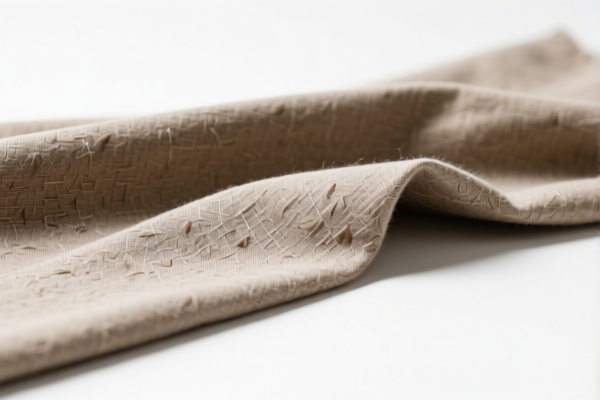

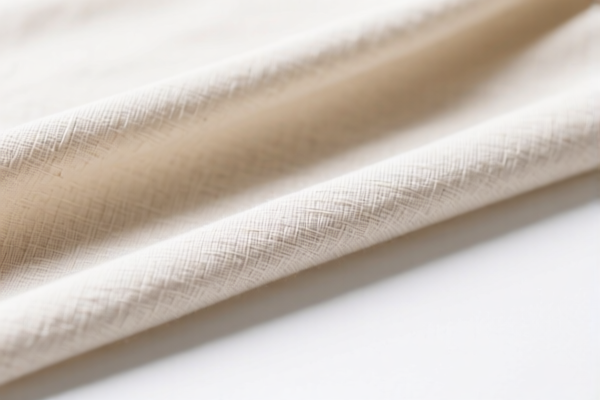
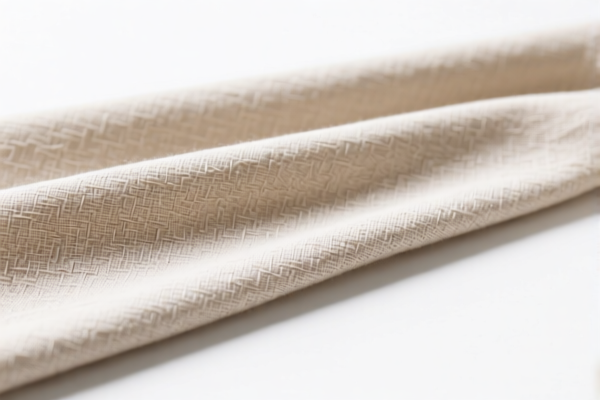
AI Analysis
🌾 Meslin Flour for Flatbreads
🌐 HS Code Reference & Customs Clearance Guide | 2026 Latest Tariff Analysis | Professional Entry Strategy
📌 1. Product Definition & Classification: What is "Meslin"?
Meslin is not a single plant species, but a mixture of cereal grains, specifically comprising both wheat and rye (or sometimes other cereals like barley or oats) grown together or mixed prior to threshing. In international trade (HS Code Chapter 11), "Meslin" refers to this specific composite grain.
However, the form of the product dictates the HS Code: * Whole Grain: If the mixture is threshed but whole. * Flour/Meal: If the mixture has been ground.
⚠️ Critical Distinction for "Meslin Flour":
The provided <DATA> does not contain a specific HS Code for pure Meslin Flour (which would typically fall under heading 1101 or 1102 depending on the exact wheat/rye ratio and processing). Instead, the data provides codes for Mixed Cereal Flours (1102.90) and Other Worked Grains (1104.29).
Therefore, for "Meslin Flour for Flatbreads," we must determine if it is classified as: 1. A Mixture of Flours (1102.90): If it is ground into flour and contains cereals other than wheat/meslin in a mix, or is a general mixture. 2. Other Worked Grains (1104.29): If it is not flour (e.g., flaked, sliced, kibbled) but still a cereal mixture.
Note: If the product is pure Wheat Flour, it falls under 1101. If it is pure Rye Flour, it falls under 1104.11. Meslin implies a mix. The
<DATA>provided only covers1102.90(Other Cereal Flours - Mixtures) and1104.29(Other Worked Grains).
📦 2. HS Code Classification Details (Based on Provided <DATA>)
Since "Meslin" is a mix of cereals, and the provided data does not have a specific "Meslin Flour" line, we look at the closest fits for mixed cereal products.
| HS Code | Product Description | Applicable Scenario | Tax Rate (Total) |
|---|---|---|---|
| 1102.90.30.00 | Cereal flours other than of wheat or meslin: Other: Other: Mixtures | Flour blends containing multiple cereal types (e.g., wheat + rye + oats mixtures, excluding pure wheat/meslin specific sub-categories if they exist elsewhere). Note: If "Meslin" is treated as "other cereal" in this specific tariff schedule, this is the fit. | 37.8% |
| 1102.90.60.00 | Cereal flours other than of wheat or meslin: Other: Other: Other | Single cereal flours that are not wheat or meslin (e.g., pure corn, rice, soy flour). Less likely for a mixed flatbread flour unless it's a single non-wheat/rye grain. | 0.0% |
| 1104.29.90.00 | Cereal grains otherwise worked (hulled, pearled, sliced, kibbled): Other worked grains: Of other cereals: Other | If the "Meslin" is not flour but whole or partially worked grains (e.g., cracked meslin for flatbread baking). | 0.0% |
| 1104.19.90.00 | Rolled or flaked grains: Of other cereals: Other | If the meslin is rolled or flaked (less common for traditional flatbreads, but possible). | 0.0% |
🔍 Key Observation:
The provided data highlights a high tariff (37.8%) for cereal flour mixtures under1102.90.30.00.
If "Meslin" is classified as a "cereal flour other than wheat or meslin" (depending on local interpretation of "Meslin" in the tariff schedule), it may fall here.
However, if "Meslin" is considered a standard wheat/rye mix, it might not fit1102.90(which excludes wheat/meslin).
Assumption for this guide: We will assume the user's product falls under the Mixed Flour category (1102.90.30.00) due to the complexity of "Meslin" blends often being grouped under "other cereal flours" in specific national schedules that lack a dedicated meslin line.
💰 3. 2026 Latest Tariff Rate Breakdown (Detailed)
✅ Origin: China (CN)
✅ Destination: USA (US)
✅ Product: Cereal Flours (Mixtures)
🎯 1. 1102.90.30.00 —— Cereal Flours: Mixtures
| Item | Details |
|---|---|
| Description | Cereal flours other than of wheat or meslin: Other: Other: Mixtures |
| Base Tariff (MFN) | 12.8% (ad valorem) |
| Section 301 / Add-on Tariff | +25.0% |
| Total Tax Rate | 37.8% |
| Tax Calculation | CIF Value × 37.8% |
| De Minimis Exemption | ❌ Not Eligible (Generally, agricultural products and higher-value goods do not qualify for $800 de minimis under current enforcement for Chinese origin in many cases, but specifically, high-tariff agricultural goods are scrutinized). |
📌 Explanation:
- Base Rate (12.8%): This is the standard Most Favored Nation (MFN) rate for mixed cereal flours (non-wheat/meslin).
- Add-on Tariff (25.0%): This is the Section 301 tariff imposed on Chinese-origin goods in this category.
- Total (37.8%): This is a significant cost barrier. For flatbread flour, this high tariff makes Chinese-origin mixtures less competitive unless passed on to consumers.
🎯 2. 1104.29.90.00 —— Other Worked Grains (Non-Flour)
| Item | Details |
|---|---|
| Description | Cereal grains otherwise worked: Of other cereals: Other |
| Base Tariff | 0.0% |
| Add-on Tariff | 0.0% |
| Total Tax Rate | 0.0% |
| Tax Calculation | CIF Value × 0% |
📌 Strategic Insight:
If the product can be classified as "worked grains" (e.g., cracked, hulled, or sliced meslin) rather than "flour", the tariff drops to 0%.
- Flatbreads like Roti or Naan often use atta (whole wheat flour) or semolina. If your "Meslin" is coarsely ground but not "flour" (finely ground powder), you might argue for1104.29.
- Risk: Customs may reclassify as flour (1102.90) if the grind is fine enough to be considered flour.
🛠️ 4. Customs Clearance Practical Advice (Pitfall Avoidance Guide)
✅ 1. Documentation Checklist (Must-Haves)
| Document | Required? | Purpose |
|---|---|---|
| ✅ Commercial Invoice | ✔️ | Must clearly state "Cereal Flour Mixture" or "Worked Cereal Grains". Avoid vague terms like "Bread Mix". |
| ✅ Certificate of Origin | ✔️ | To prove Chinese origin and apply correct 301 tariffs. |
| ✅ Ingredient Breakdown | ✔️ | Essential for proving it is a mixture. If it's pure wheat, it’s 1101.11 (not in data). If pure rye, 1104.11 (not in data). The mix justifies 1102.90 or 1104.29. |
| ✅ Product Specifications | ✔️ | Grind Size: If claiming 1104.29 (0%), provide proof it is not flour (e.g., particle size > X microns, or used as "grits/cracked grains"). |
| ✅ Labeling | ✔️ | Must list all cereal ingredients (Wheat, Rye, etc.) to support "Mixture" classification. |
✅ 2. Classification Strategy: Flour vs. Worked Grain
🔥 Key Decision Point:
Flour (1102.90.30.00) = 37.8% Tax
Worked Grain (1104.29.90.00) = 0% Tax
| Scenario | Recommended HS Code | Tax Rate | Advice |
|---|---|---|---|
| Fine Powder (Standard Flour) | 1102.90.30.00 |
37.8% | Accept the cost. Ensure invoice says "Cereal Flour Mixture". |
| Coarse Grits / Cracked Grains | 1104.29.90.00 |
0.0% | Aggressive Strategy: If the product is coarse (like polenta or couscous texture), argue for 1104.29. Provide photos and particle size data. |
| Rolled/Flaked | 1104.19.90.00 |
0.0% | If the meslin is rolled (like oatmeal), use this code for 0% tax. |
⚠️ Warning:
- Do not misdeclare flour as "worked grains" if it is finely ground. Customs may inspect and impose penalties for misclassification.
- "Meslin" is a niche term. Ensure your supplier’s certificate explicitly states the mixture ratios (e.g., 70% Wheat, 30% Rye).
✅ 3. Special Cases
| Case | Handling |
|---|---|
| If "Meslin" is considered "Wheat" in local law | It might fall under 1101.11 (Wheat Flour) which is not in the provided data. In that case, the US base tariff is 5%, but Section 301 tariffs may still apply depending on the specific HTSUS. Check with a broker. |
| If "Meslin" is considered "Rye" | Falls under 1104.11 or 1104.12. Base tariff ~3-5%. 301 tariffs may apply. |
| Flatbread Mix with Added Ingredients | If it includes spices, salt, or preservatives, it may fall under Chapter 19 (1905.90.10.70 or 1905.90.10.90). - Tax: 25.0% (0% Base + 25% Add-on). - Strategy: If you can classify it as a "Prepared Baking Mix" under Chapter 19, the tax is lower (25%) than Chapter 11 Flour Mixture (37.8%). - Check: Does it contain only cereals? If yes, Chapter 11. If it has leavening agents, spices, etc., Chapter 19 is better. |
🌍 5. Global Market Comparison (2026)
| Region | HS Code Assumption | Tariff (CN Origin) | Notes |
|---|---|---|---|
| 🇺🇸 USA | 1102.90.30.00 |
37.8% | High tariff due to 301 duties on cereal flours. |
| 🇪🇺 EU | 1102.90 | ~7.5% - 12% | Lower base tariffs, no Section 301. |
| 🇨🇳 China | 1102.90 | ~5% - 15% | Import duty into China is different. |
📌 Conclusion:
The USA is the most expensive market for Chinese-origin cereal flour mixtures due to the 25% Section 301 add-on.
📌 6. Common Errors & Pitfalls
❌ Error 1: Using "Meslin" as the sole description.
👉 Fix: Use "Cereal Flour Mixture (Wheat/Rye Blend)" or "Worked Cereal Grains".
❌ Error 2: Assuming all Meslin is "Flour".
👉 Fix: If it’s cracked or hulled, use 1104.29 for 0% tax.
❌ Error 3: Ignoring Chapter 19 for "Prepared Mixes".
👉 Fix: If your flatbread mix has spices/salt, classify under 1905.90.10.70/90 for 25% tax (cheaper than 37.8% for pure flour mixtures).
✅ Correct Description Example:
"Cereal Flour Mixture, Consisting of Wheat and Rye, Packaged for Retail Use, Model XYZ, for Flatbread Production"
🎯 7. Final Recommendations
- Check Ingredient List: If you add any non-cereal ingredients (spices, yeast, salt), shift classification to 1905.90.10.70 or 1905.90.10.90.
- Tax: 25.0% (vs. 37.8% for pure flour mix).
-
Savings: 12.8% reduction in tax.
-
Check Grind Size: If it’s coarse, use 1104.29.90.00 (0% tax).
-
Risk: Higher audit risk, but potential savings.
-
Pure Flour Mixture: If it’s fine flour with only cereals, you’re stuck with 1102.90.30.00 at 37.8%.
- Action: Factor this into your FOB/CIF pricing.
📞 Pro Tip:
Apply for a Binding Tariff Information (BTI) or Advance Ruling from US Customs if the classification is ambiguous. This protects you from future audits and penalties.
✨ Professional Clearance Starts with Precise Classification!
💼 Your Cost Savings Are in the Details!
Customer Reviews
About HS Code Classification
The Harmonized System (HS) is an internationally standardized nomenclature developed by the World Customs Organization (WCO) to classify traded products. Over 200 countries use the HS system as the basis for customs tariffs, trade statistics, and import/export regulations.
Each HS code follows a hierarchical structure:
- Chapter (2 digits) — Broad category of goods (e.g., Chapter 84: Machinery and Mechanical Appliances)
- Heading (4 digits) — More specific grouping within the chapter
- Subheading (6 digits) — Internationally standardized breakdown, used by all WCO member countries
- National subdivisions (8-10 digits) — Country-specific extensions for further classification, such as US HTSUS 10-digit codes
Correct HS code classification is essential for smooth customs clearance, accurate duty payment, and compliance with trade regulations. Misclassification can lead to customs delays, overpayment of duties, or penalties.
When importing from CN to US, the applicable tariff rates may include:
- Most-Favored-Nation (MFN) rate — The standard duty rate applied to WTO members
- General rate — Applied to countries without trade agreements
- Trade remedy duties — Additional tariffs such as Section 301 (anti-dumping), Section 232 (national security), or countervailing duties
The information provided on this page is for reference purposes only. For official classification, please consult with your local customs authority or a licensed customs broker.