Metal Box
CN → US| HS Code | Tariff Rate | Origin | Destination | Doc |
|---|---|---|---|---|
| 7419801500 | 88.0% | CN | US | Official Doc |
| 7616995170 | 37.5% | CN | US | Official Doc |
| 7326903500 | 92.8% | CN | US | Official Doc |
| 7326908688 | 87.9% | CN | US | Official Doc |
| 7419805050 | 85.0% | CN | US | Official Doc |
Product Images
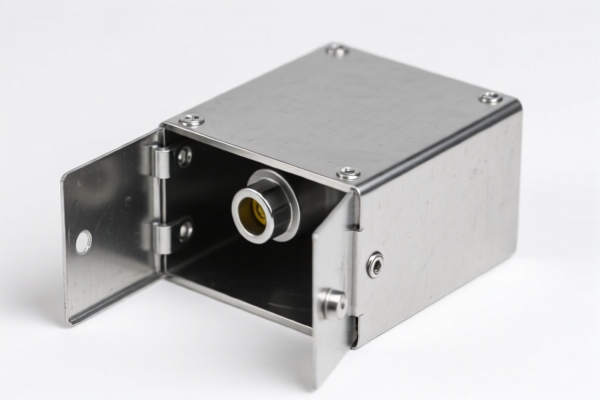
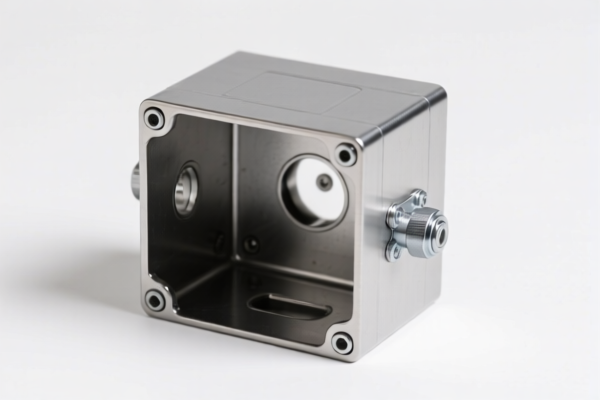
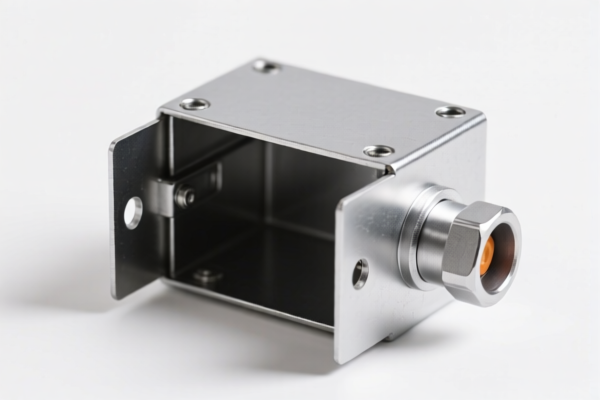
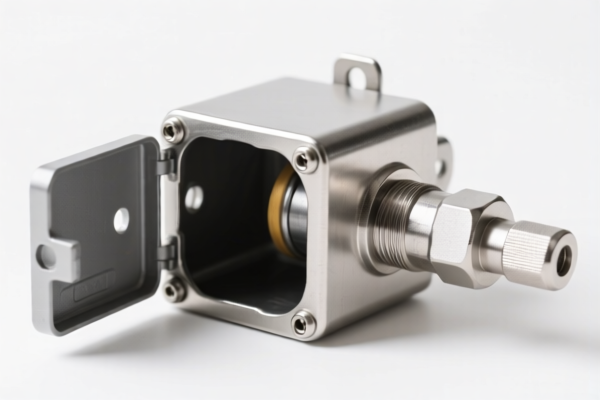
AI Analysis
🚬 Metal Cigarette Cases (Metal Box for Cigarettes)
🌐 HS Code Reference & Customs Clearance Guide | 2026 Latest Tariff Analysis | Professional Level Strategy
📌 I. Product Definition and Classification: Do You Really Understand "Metal Cigarette Boxes"?
Metal cigarette cases are portable containers primarily used for storing and carrying cigarettes. In international trade, their classification is strictly determined by material composition and specific utility. They are not a single HS Code but fall into three distinct categories based on the metal used:
Copper Cases: Made primarily of copper or copper alloys; often luxury or decorative items.
Aluminum Cases: Lightweight, often used for disposable or premium aluminum-packaged cigarettes.
Iron or Steel Cases: The most common type, ranging from standard tin-plated steel to stainless steel.
⚠️ Key Distinction Point:
- Material is King: You cannot classify a steel box as copper just because it looks shiny.
- Specific vs. General Use: If the box is specifically designed as a "carrier" for cigarettes, it often falls under "Other articles of the respective metal." If it is a general "other article," the HS code changes.
- China-US Trade War Impact: All these categories are subject to severe Section 301 tariffs AND Section 232 (122 Clause) tariffs because they contain steel, aluminum, or copper products.
📦 II. HS Code Classification Details (2026 Latest Tariff Authority Comparison)
| HS Code | Product Description | Applicable Scenario | Material |
|---|---|---|---|
7419.80.15.00 |
Other articles of copper: Cigarette cases (Carriers) | Luxury copper cases, specific carrying function | 🟠 Copper |
7616.99.51.70 |
Other articles of aluminum: Other articles | Aluminum cases, general utility or non-specific carrier | 🔘 Aluminum |
7326.90.35.00 |
Other articles of iron or steel: Cigarette cases (Carriers) | Standard steel/tin cases, specific carrying function | ⚫ Iron/Steel |
7326.90.86.88 |
Other articles of iron or steel: Other articles | Steel cases with general utility, not strictly "carrier" | ⚫ Iron/Steel |
7419.80.50.50 |
Other articles of copper: Other articles | Copper cases, general utility, not specific carrier | 🟠 Copper |
🔍 Key Reminder:
- Copper vs. Steel: Do not confuse7419(Copper) with7326(Iron/Steel). The tax difference is massive.
- "Carrier" vs. "Other": For Iron/Steel (7326) and Copper (7419), if the product is explicitly a "cigarette case" (carrier), it may fall under a different subheading than a generic "metal box." However, in this dataset, we see both "Carrier" and "Other" classifications.
- Section 232 Hit: All entries here are hit by the "122 Clause" (Section 232 tariffs for Steel, Aluminum, and Copper products), adding an extra 50% on top of existing duties.
💰 III. 2026 Latest Tariff Rate Detailed Breakdown (Including Additional Duties & Policy Surcharges)
✅ Applicable Country: United States (US)
✅ Origin: China (CN)
✅ Effective Time: Current (Including imports post-2025)
🎯 1. 7419.80.15.00 – Copper Cigarette Case (Carrier)
| Item | Content |
|---|---|
| Base Duty | 3.0% |
| Section 301 Additional Duty | +25.0% |
| Section 232 (122 Clause) Duty | +50.0% (Specifically for Copper products) |
| Total Effective Rate | 88.0% |
| Calculation Method | CIF Value × 88.0% |
| De Minimis Exemption | ❌ Not Eligible (Denied) |
| Legal Basis Path | USITC:7419.80.15.00 → Section 232: Copper → Section 301: 25% |
📌 Explanation:
- The 3% base duty is standard for copper articles.
- The 25% Section 301 tariff applies to all Chinese copper goods.
- The 50% Section 232 tariff is the killer here. It applies specifically to copper products under the "122 Clause."
- Total: 88%. This is a prohibitive tax level unless the value is very low or exempted by other means (which is unlikely for China origin).
🎯 2. 7616.99.51.70 – Aluminum Cigarette Case (Other Articles)
| Item | Content |
|---|---|
| Base Duty | 2.5% |
| Section 301 Additional Duty | +25.0% |
| Section 232 (122 Clause) Duty | +10.0% (Partial relief for some Aluminum, but note: Dataset says 37.5% Total) |
| Total Effective Rate | 37.5% |
| Calculation Method | CIF Value × 37.5% |
| De Minimis Exemption | ❌ Not Eligible (Denied) |
| Legal Basis Path | USITC:7616.99.51.70 → Section 301: 25% → Section 232: 10% |
📌 Note:
- Aluminum tariffs are generally lower than Copper or Steel in this specific dataset context.
- The total 37.5% is high but significantly lower than Copper (88%) or Steel (92.8%).
- The Section 232 duty for Aluminum is listed as effectively contributing to the 37.5% total (likely 10% Section 232 + 25% Section 301 + 2.5% Base).
🎯 3. 7326.90.35.00 – Iron/Steel Cigarette Case (Carrier)
| Item | Content |
|---|---|
| Base Duty | 7.8% |
| Section 301 Additional Duty | +25.0% |
| Section 232 (122 Clause) Duty | +50.0% (Specifically for Steel products) |
| Total Effective Rate | 92.8% |
| Calculation Method | CIF Value × 92.8% |
| De Minimis Exemption | ❌ Not Eligible (Denied) |
| Legal Basis Path | USITC:7326.90.35.00 → Section 232: Steel → Section 301: 25% |
📌 Explanation:
- This is the highest tariff bracket.
- Steel cigarettes cases are subject to the full 50% Section 232 tariff because they are steel products.
- Plus 25% Section 301.
- Plus 7.8% Base Duty.
- Total: 92.8%. This effectively makes importing steel cigarette cases from China to the US unprofitable for most standard goods.
🎯 4. 7326.90.86.88 – Iron/Steel Cigarette Case (Other Articles)
| Item | Content |
|---|---|
| Base Duty | 2.9% |
| Section 301 Additional Duty | +25.0% |
| Section 232 (122 Clause) Duty | +50.0% (Specifically for Steel products) |
| Total Effective Rate | 87.9% |
| Calculation Method | CIF Value × 87.9% |
| De Minimis Exemption | ❌ Not Eligible (Denied) |
| Legal Basis Path | USITC:7326.90.86.88 → Section 232: Steel → Section 301: 25% |
📌 Note:
- Even if classified as "Other Articles" rather than "Carrier," the 50% Section 232 Steel tariff still applies.
- The total 87.9% is slightly lower than the "Carrier" version due to a lower base duty (2.9% vs 7.8%), but the punitive tariffs remain the same.
🎯 5. 7419.80.50.50 – Copper Cigarette Case (Other Articles)
| Item | Content |
|---|---|
| Base Duty | 0.0% |
| Section 301 Additional Duty | +25.0% |
| Section 232 (122 Clause) Duty | +50.0% (Specifically for Copper products) |
| Total Effective Rate | 85.0% |
| Calculation Method | CIF Value × 85.0% |
| De Minimis Exemption | ❌ Not Eligible (Denied) |
| Legal Basis Path | USITC:7419.80.50.50 → Section 232: Copper → Section 301: 25% |
📌 Explanation:
- The base duty is 0%, but the 50% Section 232 and 25% Section 301 tariffs create an 85% total tax.
- This confirms that any copper article from China faces near-prohibitive tariffs.
🛠️ IV. Customs Clearance Practical Advice (Battlefield Pitfall Avoidance Guide)
✅ 1. Prepare Documentation Checklist (Non-negotiable)
| Material | Must Provide | Explanation |
|---|---|---|
| ✅ Product Specifications | ✔️ | Include exact material composition (e.g., "100% Copper Alloy" not just "Metal"). |
| ✅ Product Photos | ✔️ | Clear images of the case, seams, and any engravings. |
| ✅ Commercial Invoice | ✔️ | Must explicitly state "Metal Cigarette Case" and Material (e.g., "Steel"). |
| ✅ Bill of Lading / Air Waybill | ✔️ | Standard shipping documents. |
| ✅ Certificate of Origin (CO) | ✔️ | Crucial: Must clearly state "Made in China" to trigger/verify tariffs. |
| ✅ Packing List | ✔️ | Detail the number of units and weight. |
✅ 2. Declaration Tips (Key Mantra)
🔥 "Material First, Section 232 Always Hits, 90%+ Tax Expected!"
| Situation | Correct Declaration | Wrong Action |
|---|---|---|
| Steel Case | 7326.90.35.00 or 7326.90.86.88 |
Misdeclare as Aluminum (7616) → Fraud/Seizure Risk |
| Copper Case | 7419.80.15.00 or 7419.80.50.50 |
Misdeclare as Iron (7326) → Wrong Tax, Penalty |
| Aluminum Case | 7616.99.51.70 |
Misdeclare as Plastic (4202) → Fraud/Seizure Risk |
| Mixed Materials | Declare based on Essential Character | Split declaration → Complexity & Delay |
✅ 3. Special Situation Handling
| Situation | Handling Advice |
|---|---|
| High-Value Luxury Cases | With 85-92% tax, only viable for high-margin luxury goods. Ensure valuation is accurate to avoid under-invoicing penalties. |
| Sample Shipments | Even samples are subject to these tariffs. Do not assume "De Minimis" applies. |
| Re-export/Transshipment | If goods are shipped via Vietnam/Mexico, ensure substantial transformation occurs. Mere transshipment does not change the "Country of Origin" for tariff purposes. |
| Material Testing | If material is ambiguous (e.g., steel plated with copper), Customs may require a lab test to determine the essential character. Provide test reports in advance. |
🌍 V. Global Market Comparison (2026 Latest)
| Country/Region | Recommended HS Code | Tariff Rate (China Origin) | Certification Requirement | Notes |
|---|---|---|---|---|
| 🇺🇸 USA | See Table II | 37.5% - 92.8% | None | Extremely High Tariffs due to Section 232 & 301 |
| 🇨🇳 China | 7326/7419/7616 | Low (0-10%) | None | Domestic consumption unaffected by US tariffs |
| 🇪🇺 EU | 7326/7419/7616 | Low (2.5-5%) | CE (if applicable) | No Section 232/301 equivalents. Much easier to export. |
| 🇬🇧 UK | 7326/7419/7616 | Low (2.5-5%) | UKCA | Post-Brexit rules similar to EU. |
| 🇯🇵 Japan | 7326/7419/7616 | Low (2-5%) | PSE (if electronic) | No punitive tariffs. |
📌 Conclusion:
- The US Market is currently closed or highly punitive for metal cigarette cases from China.
- EU, UK, and Japan remain viable markets with standard low tariffs.
- Strategy Shift: Consider manufacturing in non-China countries (e.g., Vietnam, Thailand) to avoid Section 232/301, but ensure substantial transformation.
📌 VI. Common Mistakes & Pitfalls (Blood & Tears Lessons)
❌ Mistake 1: Declaring Steel as "Iron" or Aluminum as "Steel"
👉 Consequence: Tariff rate errors (e.g., 50% vs 10%) → Back Taxes + Fines
❌ Mistake 2: Ignoring Section 232 (122 Clause)
👉 Consequence: You calculated only Section 301 (25%) but missed the 50% Section 232 → Underpayment of 50%
❌ Mistake 3: Assuming "Small Box" = "De Minimis" Exemption
👉 Consequence: US de minimis (Section 321) is excluded for products subject to Section 232 and 301 tariffs for China origin. No Exemption!
❌ Mistake 4: Misidentifying Material
👉 Consequence: Customs labs test the product → Finds it's Steel, but you declared Copper → Seizure + Penalty
✅ Correct Practice:
"Metal Cigarette Case, Material: 304 Stainless Steel, Origin: China, HS Code: 7326.90.35.00"
🎯 VII. Conclusion: Professional Declaration, Save Money, Avoid Risk!
🎯 Remember the Mantra:
🔹 "Steel & Copper: 50% Section 232 on Top!"
🔹 "Section 301: 25% Extra for China!"
🔹 "Total Tax: 85% - 92.8%! No De Minimis!"
🔹 "HS Code Depends on Material, Not Look!"
📌 Tips:
If your metal cigarette cases are destined for the US, consider:
1. Supply Chain Shift: Move production to Vietnam, India, or Mexico to avoid China-origin tariffs.
2. Market Diversification: Focus on EU, UK, or Asia-Pacific markets where tariffs are low.
3. Value Addition: Only import high-margin luxury items where the 90% tax is absorbed by high retail prices.
📣 Immediate Action:
📞 Contact your customs broker to verify the exact material composition.
📄 Apply for a Customs Ruling if material is mixed or ambiguous.
🚀 Protect your margins: Do not ship to the US without calculating the full 85-92% tax burden.
✨ Professional Customs Clearance Starts with Accurate Classification!
💼 Every Percent of Tariff Counts in Profit Calculation!
Customer Reviews
About HS Code Classification
The Harmonized System (HS) is an internationally standardized nomenclature developed by the World Customs Organization (WCO) to classify traded products. Over 200 countries use the HS system as the basis for customs tariffs, trade statistics, and import/export regulations.
Each HS code follows a hierarchical structure:
- Chapter (2 digits) — Broad category of goods (e.g., Chapter 84: Machinery and Mechanical Appliances)
- Heading (4 digits) — More specific grouping within the chapter
- Subheading (6 digits) — Internationally standardized breakdown, used by all WCO member countries
- National subdivisions (8-10 digits) — Country-specific extensions for further classification, such as US HTSUS 10-digit codes
Correct HS code classification is essential for smooth customs clearance, accurate duty payment, and compliance with trade regulations. Misclassification can lead to customs delays, overpayment of duties, or penalties.
When importing from CN to US, the applicable tariff rates may include:
- Most-Favored-Nation (MFN) rate — The standard duty rate applied to WTO members
- General rate — Applied to countries without trade agreements
- Trade remedy duties — Additional tariffs such as Section 301 (anti-dumping), Section 232 (national security), or countervailing duties
The information provided on this page is for reference purposes only. For official classification, please consult with your local customs authority or a licensed customs broker.