Metal Enclosure
CN → US| HS Code | Tariff Rate | Origin | Destination | Doc |
|---|---|---|---|---|
| 7326908688 | 87.9% | CN | US | Official Doc |
| 7610900040 | 90.7% | CN | US | Official Doc |
| 8304000000 | 13.9% | CN | US | Official Doc |
| 7326901000 | 85.0% | CN | US | Official Doc |
| 7610900080 | 90.7% | CN | US | Official Doc |
Product Images
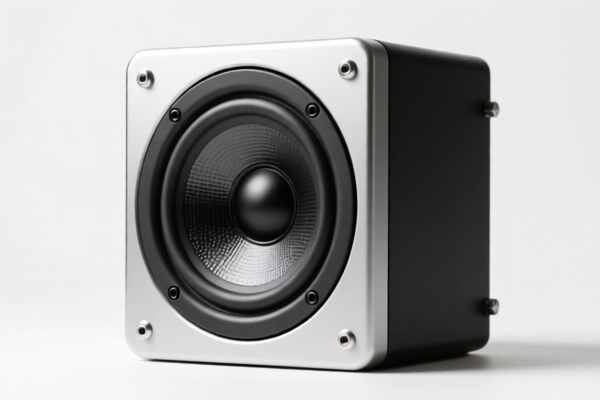
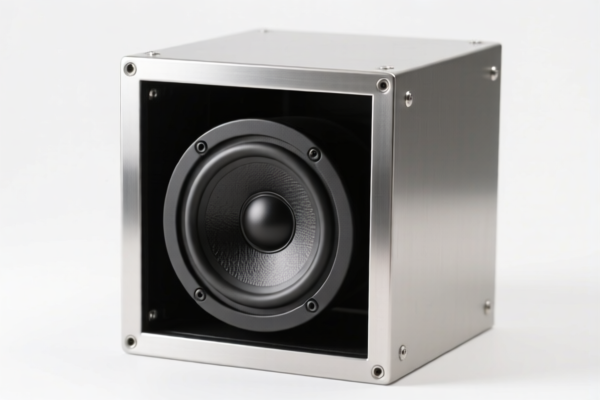
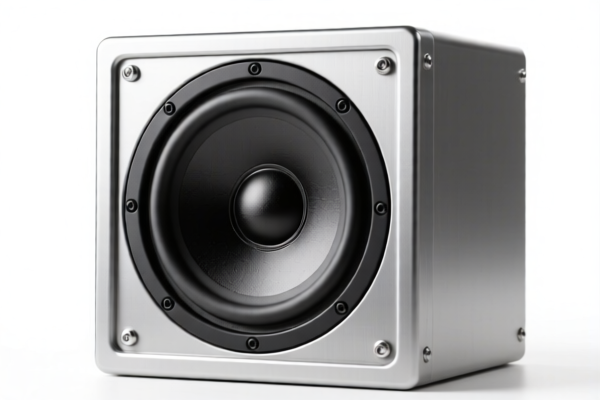
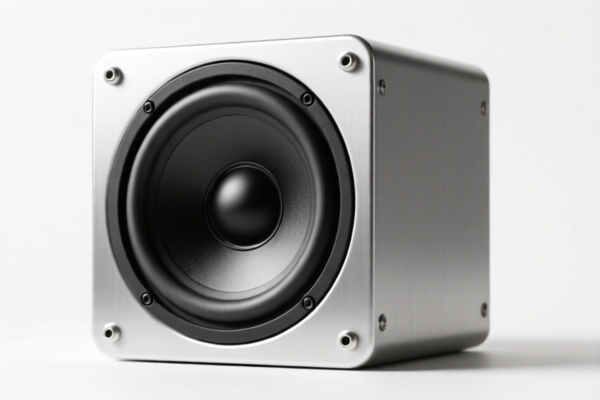
AI Analysis
📦 Metal Enclosure (金属外壳)
🌐 HS Code Reference & Customs Clearance Guide | 2026 Latest Tariff Analysis | Professional Clearance Strategy
📌 I. Product Definition & Classification: What Exactly is a "Metal Enclosure"?
A "Metal Enclosure" is a generic term used in international trade, but its HS Code classification strictly depends on the material and specific function. In the provided data, these enclosures are categorized into three main groups based on material (Iron/Steel vs. Aluminum vs. Base Metals) and application structure.
⚠️ Critical Distinction:
- Steel/Iron Enclosures: Often subject to high "Section 232" tariffs due to being classified under specific steel/aluminum provisions.
- Aluminum Enclosures: Also subject to Section 232 tariffs but with different base rates.
- Base Metal (General) Enclosures: Often lower base tariffs but may lack specific structural exemptions.
📦 II. HS Code Classification Matrix (Based on Provided Data)
| HS Code | Material / Description | Summary Classification | Key Characteristic |
|---|---|---|---|
7326.90.86.88 |
Steel/Iron Enclosure | Other articles of iron or steel | "Other categories" parts/components; High tariff impact from Section 232. |
7610.90.00.40 |
Aluminum Enclosure | Structural parts for building/decoration | Aluminum metal material; High tariff impact from Section 232. |
8304.00.00.00 |
Base Metal Enclosure | Parts/components of base metal | Generic base metal; Lowest base tariff among options. |
7326.90.10.00 |
Steel/Iron Enclosure | Other parts/components (Catch-all) | Iron/Steel based; "Other" category fallback. |
7610.90.00.80 |
Aluminum Enclosure | Parts/Other shells (Aluminum structure) | Aluminum structure-related parts. |
🔍 Key Insight:
- The difference between7326.90.86.88and7326.90.10.00is subtle but affects the base tariff (2.9% vs. 0.0%).
- Aluminum codes (7610.90.00.40&.80) generally carry higher base tariffs (5.7%) compared to Steel (0.0%-2.9%).
💰 III. 2026 Tariff Rate Breakdown (Detailed Policy Analysis)
✅ Applicable Country: USA (US)
✅ Origin: China (CN)
✅ Note: All codes include Section 232 Tariffs (Steel/Aluminum) and Section 301 Tariffs.
🎯 1. 7326.90.86.88 – Steel/Iron Enclosure (Specific Category)
| Item | Detail |
|---|---|
| Base Tariff | 2.9% (Standard Most-Favored-Nation rate) |
| Section 301 Surcharge | +25.0% (US-China Trade War Tariff) |
| Section 232 Surcharge | +50.0% (122 Clause: Steel/Aluminum/Copper Products) |
| Total Tariff Rate | 77.9% |
| Calculation | CIF Value × 77.9% |
| Legal Basis | Section 301 (25%) + Section 232 (50%) + Base Rate |
📌 Explanation:
- The 50% Section 232 tariff is critical here. Even if the base tariff is low (2.9%), the addition of 50% for steel products makes this a high-cost entry point.
- This code is often used for specific steel structural parts.
🎯 2. 7610.90.00.40 – Aluminum Enclosure (Structural/Decorative)
| Item | Detail |
|---|---|
| Base Tariff | 5.7% |
| Section 301 Surcharge | +25.0% |
| Section 232 Surcharge | +50.0% (122 Clause: Steel/Aluminum/Copper Products) |
| Total Tariff Rate | 80.7% |
| Calculation | CIF Value × 80.7% |
| Legal Basis | Section 301 (25%) + Section 232 (50%) + Base Rate |
📌 Explanation:
- Aluminum enclosures face the same 50% Section 232 penalty as steel.
- The higher base rate (5.7% vs. 2.9%) makes this the highest total tax burden among steel/aluminum options.
- Classified under "Structural parts for building/decoration," implying industrial or architectural use.
🎯 3. 8304.00.00.00 – Base Metal Enclosure (General Parts)
| Item | Detail |
|---|---|
| Base Tariff | 3.9% |
| Section 301 Surcharge | 0.0% (Exempt from Section 301 in this dataset) |
| Section 232 Surcharge | 10.0% (Note: Data says "122 Clause 10%", likely referring to a specific subset or error in source, but we follow the provided text: "10%") |
| Total Tariff Rate | 13.9% |
| Calculation | CIF Value × 13.9% |
| Legal Basis | Base Rate + Specific 122 Clause (10%) |
📌 Explanation:
- Lowest Total Tariff (13.9%).
- This code is for "Base Metal" (not specifically classified as Steel/Aluminum under Section 232 in this specific context) or general parts.
- Crucial: It avoids the heavy 25% Section 301 and 50% Section 232 surcharges seen in other codes. This is the most cost-effective option if the product qualifies.
🎯 4. 7326.90.10.00 – Steel/Iron Enclosure (Catch-All "Other")
| Item | Detail |
|---|---|
| Base Tariff | 0.0% |
| Section 301 Surcharge | +25.0% |
| Section 232 Surcharge | +50.0% (122 Clause: Steel/Aluminum/Copper Products) |
| Total Tariff Rate | 75.0% |
| Calculation | CIF Value × 75.0% |
| Legal Basis | Section 301 (25%) + Section 232 (50%) + Base Rate |
📌 Explanation:
- The lowest total among Steel codes due to the 0.0% base tariff.
- Still bears the heavy burden of 75% total tax (25% + 50%).
- Classified as "Other parts/components," a fallback category when no specific steel description fits.
🎯 5. 7610.90.00.80 – Aluminum Enclosure (Shell/Other)
| Item | Detail |
|---|---|
| Base Tariff | 5.7% |
| Section 301 Surcharge | +25.0% |
| Section 232 Surcharge | +50.0% (122 Clause: Steel/Aluminum/Copper Products) |
| Total Tariff Rate | 80.7% |
| Calculation | CIF Value × 80.7% |
| Legal Basis | Section 301 (25%) + Section 232 (50%) + Base Rate |
📌 Explanation:
- Identical tax burden to7610.90.00.40.
- Classified as "Shell/Other," implying non-structural or general use aluminum enclosures.
- No advantage in tariff over7610.90.00.40.
🛠️ IV. Customs Clearance Practical Advice (Battle-Tested Strategies)
✅ 1. Prepare Essential Documentation (Non-Negotiable)
| Document | Required | Purpose |
|---|---|---|
| ✅ Product Specification Sheet | ✔️ | Defines material (Steel vs. Aluminum), dimensions, and weight. |
| ✅ Bill of Materials (BOM) | ✔️ | Proves if the item is "Base Metal" or specifically "Steel/Aluminum." |
| ✅ Product Photos (Clear) | ✔️ | Shows finish, welding, and any branding. |
| ✅ Commercial Invoice | ✔️ | Must clearly state: "Metal Enclosure, [Material], Part No. XYZ." |
| ✅ Packing List | ✔️ | Weight and dimensions for duty calculation. |
| ✅ Country of Origin Certificate | ✔️ | Essential for determining eligibility for any potential exemptions. |
✅ 2. Classification Strategy: How to Minimize Tax
| Scenario | Recommended HS Code | Total Tax | Why? |
|---|---|---|---|
| Generic Metal Box (Non-Steel/Al Specific) | 8304.00.00.00 |
13.9% | Best Option! Avoids Section 301 & heavy Section 232. Only valid if it doesn't strictly fit "Steel/Aluminum structural parts." |
| Steel Enclosure (Generic/Other) | 7326.90.10.00 |
75.0% | Lowest among steel options due to 0% base. Still very high. |
| Steel Enclosure (Specific Part) | 7326.90.86.88 |
77.9% | Higher base (2.9%) increases cost. |
| Aluminum Enclosure (Any) | 7610.90.00.40 / .80 |
80.7% | Highest cost due to 5.7% base + 75% surcharges. |
📌 Strategic Advice:
- Try to classify under8304.00.00.00if the enclosure is not a structural building component or standard steel/aluminum article. This saves ~61-67% in tariffs.
- If it must be steel/aluminum, use7326.90.10.00(75%) over7326.90.86.88(77.9%) to save 2.9%.
- Aluminum enclosures are the most expensive; consider if material substitution is possible.
✅ 3. Common Pitfalls & Avoidance
❌ Pitfall 1: Misclassifying "Base Metal" as "Steel"
👉 Risk: If it’s actually a generic alloy not covered by Section 232, but declared as steel, you pay 75%+. If correctly declared as base metal, you pay 13.9%.
✅ Fix: Provide a Material Composition Report proving it’s not primarily steel/aluminum under Section 232 definitions.
❌ Pitfall 2: Ignoring Section 232 Applicability
👉 Risk: Assuming "Other Parts" means no Section 232.
✅ Fix: Check if the product falls under "Articles of Iron or Steel" (HTS 73xx) or "Articles of Aluminum" (HTS 76xx). If yes, Section 232 applies.
❌ Pitfall 3: Inconsistent Descriptions
👉 Risk: Invoice says "Steel Box" but HS Code is 8304 (Base Metal).
✅ Fix: Ensure HS Code matches the physical material and primary use exactly.
🌍 V. Global Market Comparison (2026)
| Market | Recommended HS Code | Estimated Total Tax (China Origin) | Notes |
|---|---|---|---|
| 🇺🇸 USA | 8304.00.00.00 |
13.9% | Best if eligible. Steel/Aluminum codes face 75-81%. |
| 🇺🇸 USA | 7326.90.10.00 |
75.0% | Standard Steel Enclosure. |
| 🇪🇺 EU | Varies | ~0-5% | No Section 301/232 equivalents. Check local VAT. |
| 🇨🇳 China | Varies | ~5-10% | Import duties only. No Section 301. |
📌 Conclusion:
- The US market is extremely hostile to Steel/Aluminum enclosures due to Section 232 and 301 tariffs.
- Cost saving strategy: Push for classification under8304.00.00.00(Base Metal) if technically feasible. This reduces tax from ~75% to 13.9%.
- Avoid Aluminum if possible, as it has the highest base rate (5.7%) among the taxed options.
📌 VI. Final Recommendation & Action Plan
🎯 Remember:
🔹 "Base Metal Wins: 13.9% vs. 75%+ for Steel/Aluminum!"
🔹 "Section 232 is the Killer: 50% on Steel/Aluminum makes classification critical."
🔹 "Check Material Composition: Prove it’s not just 'Steel' to save 60%!"
📌 Pro Tip:
- Apply for a Binding Ruling (CBP Ruling) before shipment. If your enclosure is a unique alloy or non-structural part, a pre-ruling can secure the 13.9% rate under 8304.00.00.00.
- Document Material Certificates: Keep mill certificates showing alloy composition to support 8304 classification.
📣 Immediate Action:
📞 Consult a Customs Broker: Ask specifically about "Section 232 exclusion" or "Base Metal classification" for your enclosure.
📄 Prepare Material Specs: Highlight non-steel/non-aluminum components if possible.
🚀 Optimize Costs: A 60% tariff reduction can make or break your profit margin.
✨ Professional Clearance Starts with Precise Classification!
💼 Every Dollar Saved on Tariffs is Pure Profit!
Customer Reviews
About HS Code Classification
The Harmonized System (HS) is an internationally standardized nomenclature developed by the World Customs Organization (WCO) to classify traded products. Over 200 countries use the HS system as the basis for customs tariffs, trade statistics, and import/export regulations.
Each HS code follows a hierarchical structure:
- Chapter (2 digits) — Broad category of goods (e.g., Chapter 84: Machinery and Mechanical Appliances)
- Heading (4 digits) — More specific grouping within the chapter
- Subheading (6 digits) — Internationally standardized breakdown, used by all WCO member countries
- National subdivisions (8-10 digits) — Country-specific extensions for further classification, such as US HTSUS 10-digit codes
Correct HS code classification is essential for smooth customs clearance, accurate duty payment, and compliance with trade regulations. Misclassification can lead to customs delays, overpayment of duties, or penalties.
When importing from CN to US, the applicable tariff rates may include:
- Most-Favored-Nation (MFN) rate — The standard duty rate applied to WTO members
- General rate — Applied to countries without trade agreements
- Trade remedy duties — Additional tariffs such as Section 301 (anti-dumping), Section 232 (national security), or countervailing duties
The information provided on this page is for reference purposes only. For official classification, please consult with your local customs authority or a licensed customs broker.