Metal Fasteners
CN → US| HS Code | Tariff Rate | Origin | Destination | Doc |
|---|---|---|---|---|
| 7318141060 | 91.2% | CN | US | Official Doc |
| 7318152010 | 85.0% | CN | US | Official Doc |
| 7415330500 | 88.0% | CN | US | Official Doc |
| 7415338010 | 88.0% | CN | US | Official Doc |
| 7616103000 | 39.7% | CN | US | Official Doc |
Product Images
AI Analysis
🔩 Metal Fasteners: The Backbone of Global Assembly
🌐 HS Code Reference & Customs Clearance Guide | 2024-2026 Latest Tariff Analysis | Professional Clearance Strategy
📌 I. Product Definition & Classification: Do You Really Know "Metal Fasteners"?
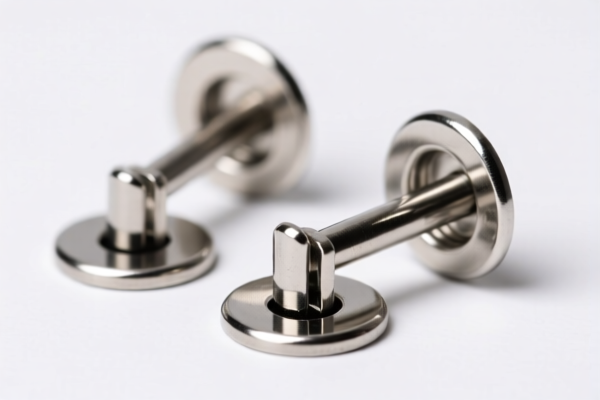
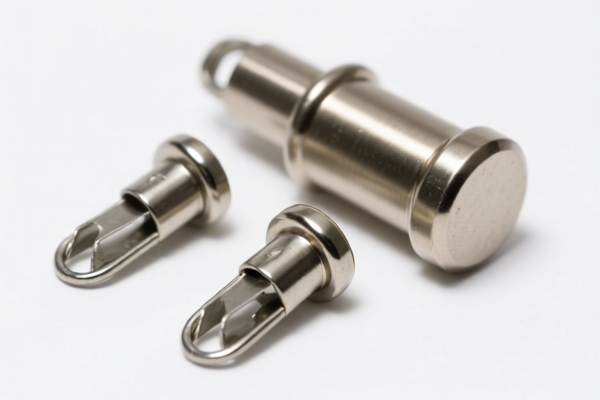
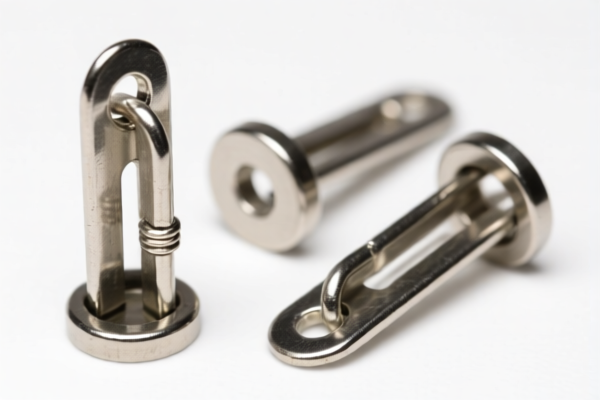
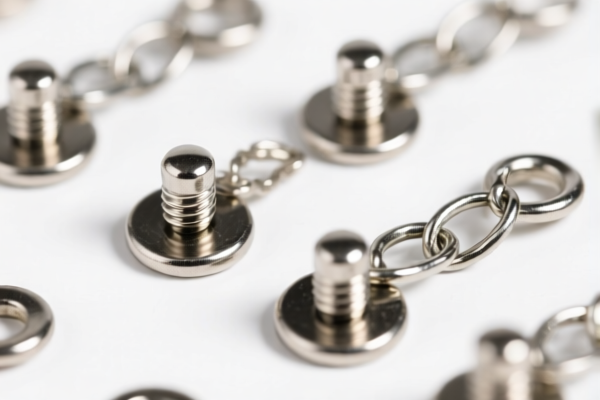
Metal fasteners are critical hardware components used to mechanically join or secure objects together. In international trade, they are broadly categorized by material and threading status. The classification depends heavily on whether the fastener is threaded and the specific metal alloy used (Steel, Copper, or Aluminum).
Key Distinctions: * Steel Fasteners: Generally subject to higher tariffs, especially under Section 232 (Steel/Aluminum) and Section 301/IEEPA trade measures. * Copper Fasteners: Often attract significant "122 Clause" tariffs on raw metal products. * Aluminum Fasteners: Subject to specific Section 232 duties but generally lower base tariffs than steel.
⚠️ Critical Classification Point:
- Iron/Steel Screws/Bolts: Usually fall under Chapter 73.
- Copper Screws/Bolts: Fall under Chapter 74.
- Aluminum Screws/Bolts: Fall under Chapter 76.
- Threaded vs. Non-Threaded: Specific sub-headings distinguish between "screws, bolts, nuts" and "nails, pins, washers."
📦 II. HS Code Classification Details (Latest Tariff Schedule)
Based on the provided data, here are the specific HS Codes for common metal fasteners, their descriptions, and applicable tax rates.
| HS Code | Product Description | Material | Applicable Scenario |
|---|---|---|---|
7318.14.10.60 |
Iron or steel screws, bolts, etc. | Steel/Iron | Standard steel hardware for construction, machinery. |
7318.15.20.10 |
Iron or steel threaded articles (fasteners) | Steel/Iron | High-strength steel bolts, specialized threaded rods. |
7415.33.05.00 |
Copper or copper alloy screws, bolts, etc. | Copper | Electrical connectors, marine hardware, decorative fixtures. |
7415.33.80.10 |
Copper nails, pins, screws, bolts, etc. | Copper | General copper fasteners not specified elsewhere. |
7616.10.30.00 |
Aluminum nails, bolts, rivets, etc. | Aluminum | Aerospace, automotive, lightweight structural assemblies. |
🔍 Key Reminder:
- Material Matters: Misclassifying Copper fasteners (7415) as Steel (7318) can lead to severe penalties due to the difference in tariff structures.
- "122 Clause" Impact: Copper and Aluminum products often face additional "122 Clause" tariffs on raw materials, significantly increasing the effective tax rate.
💰 III. 2024-2026 Latest Tariff Rate Breakdown (Detailed Tax Clauses)
✅ Applicable Market: United States (US)
✅ Origin: China (CN) (Implied by the specific "10% Steel/Aluminum/Copper" and "122 Clause" references)
✅ Effective Time: Current Trade Policies (Section 301, Section 232, IEEPA)
🎯 1. 7318.14.10.60 – Iron or Steel Screws, Bolts, etc.
| Item | Details |
|---|---|
| Base Tariff | 6.2% |
| Section 301 / Additional Tariff | +25.0% |
| 122 Clause (Steel) | +10.0% |
| Steel/Aluminum/Copper Add-on | +50.0% |
| Total Effective Tax Rate | 91.2% |
| Tax Calculation | CIF Value × 91.2% |
| Legal Basis | Section 301 Tariffs + Section 232 (Steel) + IEEPA Proclamations |
📌 Explanation:
- Steel fasteners are heavily penalized. The 6.2% base rate is just the start.
- The 25% Section 301 tariff is standard for Chinese steel goods.
- The 10% "122 Clause" applies specifically to steel imports.
- The 50% surcharge is a critical, often overlooked add-on for steel, aluminum, and copper products under current emergency powers.
- Result: A staggering 91.2% total duty. This effectively prohibits most direct steel fastener imports from China unless a specific exemption applies.
🎯 2. 7318.15.20.10 – Iron or Steel Threaded Articles
| Item | Details |
|---|---|
| Base Tariff | 0.0% |
| Section 301 / Additional Tariff | +25.0% |
| 122 Clause (Steel) | +10.0% |
| Steel/Aluminum/Copper Add-on | +50.0% |
| Total Effective Tax Rate | 85.0% |
| Tax Calculation | CIF Value × 85.0% |
| Legal Basis | Same as above |
📌 Note:
- Even with a 0% base tariff, the additive tariffs push the total to 85.0%.
- This applies to specialized threaded rods, high-tensile bolts, and other "threaded articles" not classified as standard screws/bolts.
🎯 3. 7415.33.05.00 – Copper or Copper Alloy Screws, Bolts, etc.
| Item | Details |
|---|---|
| Base Tariff | 3.0% |
| Section 301 / Additional Tariff | +25.0% |
| 122 Clause (Copper) | +10.0% |
| Steel/Aluminum/Copper Add-on | +50.0% |
| Total Effective Tax Rate | 88.0% |
| Tax Calculation | CIF Value × 88.0% |
| Legal Basis | Copper-specific tariffs under IEEPA/Section 301 |
📌 Explanation:
- Copper products are hit with the same 25% and 50% surcharges.
- The 10% "122 Clause" explicitly mentions "Copper" in the provided data.
- Result: 88.0% total duty. Very high cost for copper hardware imports.
🎯 4. 7415.33.80.10 – Copper Nails, Pins, Screws, Bolts, etc.
| Item | Details |
|---|---|
| Base Tariff | 3.0% |
| Section 301 / Additional Tariff | +25.0% |
| 122 Clause (Copper) | +10.0% |
| Steel/Aluminum/Copper Add-on | +50.0% |
| Total Effective Tax Rate | 88.0% |
| Tax Calculation | CIF Value × 88.0% |
| Legal Basis | Same as above |
📌 Note:
- Identical tax treatment to other copper fasteners.
- Whether it's a nail, pin, or screw, the material (Copper) triggers the same high-rate regime.
🎯 5. 7616.10.30.00 – Aluminum Nails, Bolts, Rivets, etc.
| Item | Details |
|---|---|
| Base Tariff | 4.7% |
| Section 301 / Additional Tariff | +25.0% |
| 122 Clause (Aluminum) | +10.0% |
| Steel/Aluminum/Copper Add-on | Not explicitly listed as 50% in this line, but "122 Clause" is present. |
| Total Effective Tax Rate | 39.7% |
| Tax Calculation | CIF Value × 39.7% |
| Legal Basis | Section 232 (Aluminum) + Section 301 |
📌 Explanation:
- Aluminum fasteners are significantly cheaper to import than Steel or Copper equivalents.
- The total rate is 39.7%, which is still high but roughly half the cost of steel/copper.
- This makes aluminum a preferred alternative for cost-sensitive projects where steel/copper tariffs are prohibitive.
🛠️ IV. Customs Clearance Practical Advice (Risk Mitigation Guide)
✅ 1. Essential Documentation Checklist
| Document | Required? | Notes |
|---|---|---|
| ✅ Commercial Invoice | ✔️ | Must clearly state "Metal Fasteners," Material (Steel/Copper/Aluminum), and HS Code. |
| ✅ Packing List | ✔️ | Itemize quantities by type (screws, bolts, nuts). |
| ✅ Certificate of Origin (CO) | ✔️ | Crucial for determining eligibility for any exemptions. |
| ✅ Product Specifications | ✔️ | Include material composition (e.g., "Grade 304 Stainless Steel") to justify HS Code. |
| ✅ Import License | ❓ | Depending on the volume and specific end-use, additional permits may be required. |
✅ 2. Classification Tips (Key to Saving Money)
🔥 "Material is King, Type is Queen!"
| Scenario | Correct HS Code | Estimated Total Tax | Wrong Approach | Consequence |
|---|---|---|---|---|
| Standard Steel Screw | 7318.14.10.60 |
91.2% | Classify as "Hardware Part" (8307) |
High risk of audit, back taxes, and penalties. |
| Copper Bolt | 7415.33.05.00 |
88.0% | Classify as "Plastic Fastener" | Fraudulent declaration; severe penalties. |
| Aluminum Rivet | 7616.10.30.00 |
39.7% | Classify as "Steel Rivet" | Overpayment or misclassification; audit flag. |
| Threaded Steel Rod | 7318.15.20.10 |
85.0% | Classify as "Pipe" (7304) |
Incorrect classification; seizure risk. |
📌 Crucial Note:
- Do NOT split shipments to avoid thresholds. Customs authorities are vigilant against "de minimis" abuse for high-duty goods.
- Labeling: Ensure products are clearly marked with material type and manufacturer.
✅ 3. Special Circumstances & Exemptions
| Situation | Strategy |
|---|---|
| Exclusion List | Check if the specific HS Code is on the USTR Exclusion List. Some fasteners may have been exempted from Section 301 tariffs. |
| Third-Country Transshipment | ⚠️ High Risk: Changing origin to Vietnam or Malaysia to avoid tariffs is scrutinized. Ensure substantial transformation occurred. |
| Aluminum Alternative | If steel/copper tariffs are too high, consider switching to Aluminum (7616.10.30.00) if mechanical properties allow. Tax saving: ~50%. |
| Duty Drawback | If these fasteners are used in exported products, apply for Duty Drawback to recover the paid duties. |
🌍 V. Global Market Comparison (2024-2026)
| Region | HS Code (Example) | Base Tariff | Additional Duties (China) | Total Effective Rate |
|---|---|---|---|---|
| 🇺🇸 USA | 7318.14.10.60 (Steel) |
6.2% | +25% (301) +10% (122) +50% (Add-on) | 91.2% |
| 🇨🇳 China | 7318.14.10.60 |
Varies | None | Low (~5-10%) |
| 🇪🇺 EU | 7318.15.20.00 |
0-6% | None (if MFN) | 0-6% |
| 🇲🇽 Mexico | 7318.15.20.00 |
0% (USMCA) | None | 0% |
📌 Conclusion:
- USA is the most difficult market for Chinese metal fasteners due to the叠加 (stacking) of Section 301, 232, and IEEPA tariffs.
- EU and Mexico remain viable markets with much lower tariff burdens.
- Strategy: Consider sourcing from or assembling in Mexico (USMCA) or Southeast Asia to mitigate US tariffs, ensuring compliance with rules of origin.
📌 VI. Common Mistakes & Pitfalls (Lessons Learned)
❌ Mistake 1: Assuming all "Fasteners" have the same tax rate.
👉 Reality: Steel, Copper, and Aluminum have vastly different rates (91.2% vs. 88.0% vs. 39.7%).
👉 Fix: Precise material declaration is mandatory.
❌ Mistake 2: Ignoring the "122 Clause" or "50% Add-on."
👉 Reality: Many brokers only quote base + 301 tariffs. The additional surcharges can double the cost.
👉 Fix: Always ask for the Total Effective Duty Rate.
❌ Mistake 3: Using vague descriptions like "Hardware" or "Parts."
👉 Reality: Customs will classify based on function/material, likely resulting in a higher duty or delay.
👉 Fix: Use specific terms: "Iron/Steel Screws, HS 7318.14.10.60."
✅ Correct Approach:
"Steel Bolts, Grade 8.8, Hex Head, HS Code 7318.14.10.60, Country of Origin: China"
🎯 VII. Conclusion: Strategic Sourcing for Metal Fasteners
🎯 Key Takeaway:
🔹 Steel Fasteners: Avoid if possible due to 91.2% total duty.
🔹 Copper Fasteners: High cost (88.0%); only necessary for conductivity/corrosion resistance.
🔹 Aluminum Fasteners: Best option for cost reduction (39.7%); ideal if strength allows.
📌 Pro Tip:
If you must import steel fasteners, explore Duty Drawback programs or verify if your specific product is on the Section 301 Exclusion List. Always engage a licensed customs broker to pre-classify your goods.
📣 Immediate Action:
📞 Verify the exact material composition of your fasteners.
📄 Calculate the Total Effective Duty Rate (Base + 301 + 122 + Add-on).
🚀 Consider Aluminum alternatives or non-China sourcing to improve margins.
✨ Precision in Classification = Profit in Logistics!
💼 Don't let tariff surprises eat your margins.
Customer Reviews
About HS Code Classification
The Harmonized System (HS) is an internationally standardized nomenclature developed by the World Customs Organization (WCO) to classify traded products. Over 200 countries use the HS system as the basis for customs tariffs, trade statistics, and import/export regulations.
Each HS code follows a hierarchical structure:
- Chapter (2 digits) — Broad category of goods (e.g., Chapter 84: Machinery and Mechanical Appliances)
- Heading (4 digits) — More specific grouping within the chapter
- Subheading (6 digits) — Internationally standardized breakdown, used by all WCO member countries
- National subdivisions (8-10 digits) — Country-specific extensions for further classification, such as US HTSUS 10-digit codes
Correct HS code classification is essential for smooth customs clearance, accurate duty payment, and compliance with trade regulations. Misclassification can lead to customs delays, overpayment of duties, or penalties.
When importing from CN to US, the applicable tariff rates may include:
- Most-Favored-Nation (MFN) rate — The standard duty rate applied to WTO members
- General rate — Applied to countries without trade agreements
- Trade remedy duties — Additional tariffs such as Section 301 (anti-dumping), Section 232 (national security), or countervailing duties
The information provided on this page is for reference purposes only. For official classification, please consult with your local customs authority or a licensed customs broker.