Metal Furniture
CN → US| HS Code | Tariff Rate | Origin | Destination | Doc |
|---|---|---|---|---|
| 9403200050 | 85.0% | CN | US | Official Doc |
| 9401790050 | 35.0% | CN | US | Official Doc |
| 9401790046 | 35.0% | CN | US | Official Doc |
| 9403200090 | 85.0% | CN | US | Official Doc |
| 9401710031 | 35.0% | CN | US | Official Doc |
Product Images
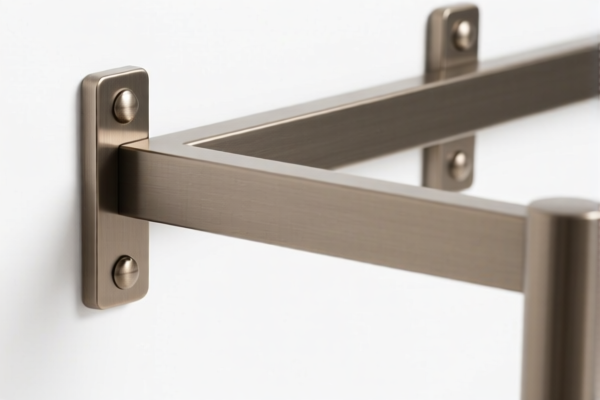
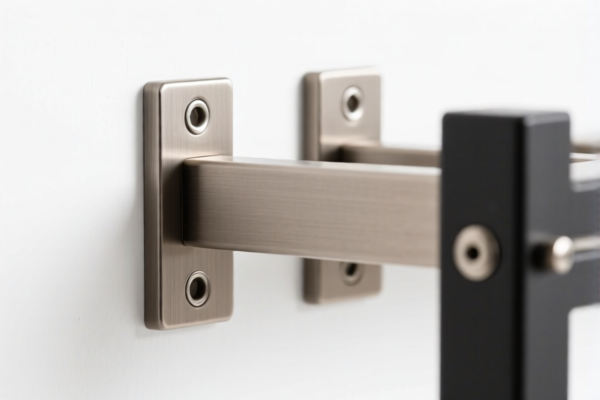
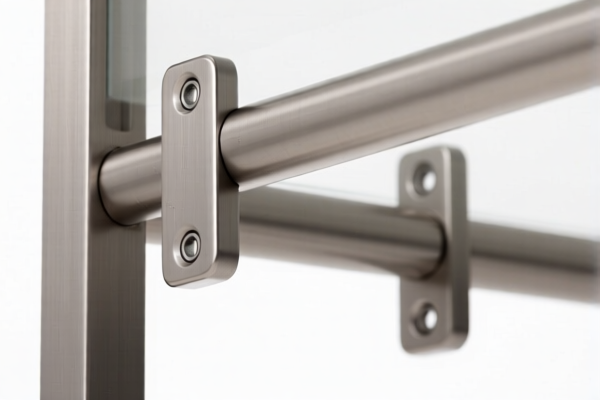
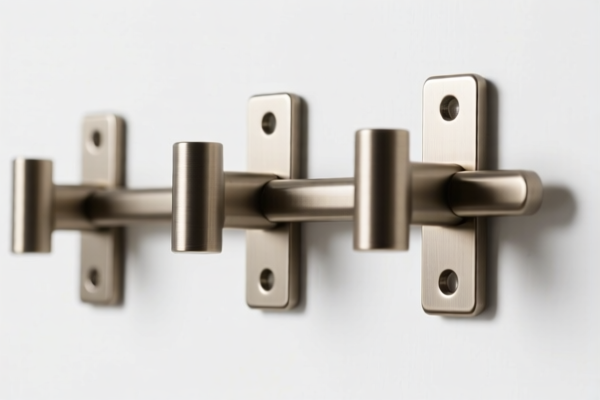
AI Analysis
🛋️ Metal Furniture (Furniture of Metal)
🌐 HS Code Reference & Customs Clearance Guide | 2026 Latest Tariff Analysis | Professional Clearance Strategy
📌 I. Product Definition & Classification: Do You Really Understand "Metal Furniture"?
Metal furniture is a broad category encompassing items made primarily of metal (steel, aluminum, iron, etc.), used for seating, storage, display, or general support in residential, commercial, and industrial settings. In international trade, classification is critical because the specific function and structure of the metal item determine its HS Code, which directly impacts the total tax burden—especially under the complex US tariff structures (Section 301, Section 232/IEEPA).
Key Distinction: * Furniture (Chapter 94): Items designed for dwelling, working, or leisure (e.g., tables, chairs, beds, cabinets). * Parts: If the item is a spare part for metal furniture (e.g., a single leg, a handle, a shelf bracket), it may fall under different codes with different duties.
⚠️ Critical Warning:
- "Metal Furniture" is NOT a single HS Code. It splits into Seats (9401) and Other Furniture (9403).
- Seat vs. Non-Seat: This is the most common misclassification error. A metal stool is a "Seat" (9401); a metal coat rack or shelving unit is "Other Furniture" (9403).
- Tax Disparity: The total tariff for "Other Metal Furniture" can be significantly higher (up to 85%) than for "Metal Seats" (35%) due to additional Section 232 tariffs on steel/aluminum.
📦 II. HS Code Classification Details (2026 Latest Tariff Authority)
Based on the provided data, here are the precise HS Codes and their corresponding rationales:
| HS Code | Product Description | Classification Logic & Application | Total Tax Rate (US/China Origin) |
|---|---|---|---|
| 9403.20.00.50 | Metal Furniture (General) | Logic: Metal frame furniture not specifically classified elsewhere. Note: This code attracts the highest tax burden due to Section 232 tariffs on steel/aluminum. |
85.0% |
| 9401.79.00.50 | Metal Frame Seats (Other) | Logic: Seating with metal frames, not elsewhere specified (e.g., non-wood, non-upholstered, or specific types not in 9401.71/72). Note: Falls under "Other Seats," avoiding the higher Section 232 surcharge if not strictly classified as steel/aluminum structural components. |
35.0% |
| 9401.79.00.46 | Metal Frame Seats (Other) | Logic: Similar to above. "Fallback" category for metal seats with no specific material/shape conflict. Note: Often used for industrial or commercial metal chairs. |
35.0% |
| 9403.20.00.90 | Metal Furniture (End-Consumer) | Logic: Metal furniture intended for consumer use. Note: Like 9403.20.00.50, this is subject to Section 232 Tariffs (50%) on steel/aluminum products, leading to the 85% total rate. |
85.0% |
| 9401.71.00.31 | Metal Frame Seats (Specific) | Logic: Seats with metal frames, specifically categorized. Note: Likely refers to a specific subset of metal chairs (e.g., office or dining) that fit into the 71 subheading. Avoids the higher "Other" furniture rates. |
35.0% |
🔍 Key Insight:
- 9401 (Seats) generally carry a 35% total tariff.
- 9403 (Other Furniture) generally carry an 85% total tariff.
- Why the difference? The 85% rate includes a 50% Section 232 Tariff applied to steel and aluminum products. If your metal furniture is classified as a "Seat" (9401), it may avoid this specific surcharge depending on the exact subheading and material proof.
💰 III. 2026 Latest Tariff Rate Breakdown (Detailed Tax Clauses)
✅ Applicable Country: United States (US)
✅ Origin: China (CN)
✅ Effective Time: Current rates include all Section 301 and Section 232/IEEPA additions.
🎯 1. 9403.20.00.50 / 9403.20.00.90 —— Metal Furniture (Other)
| Item | Details |
|---|---|
| Base Tariff | 0% (ad valorem) |
| Section 301 Tariff | +25% (USITC Footnote 9903.88.01) |
| IEEPA Tariff | +10% (针对中国产品, 自2025年11月10日起) |
| Section 232 Tariff | +50% (Steel/Aluminum products addition) |
| Total Effective Rate | 85.0% |
| Calculation | CIF Value × 85% |
| De Minimis Exemption | ❌ Not Eligible (deny_de_minimis) |
| Legal Basis | IEEPA:9903.01.25 → USITC:9403.20.00.50 → FOOTNOTE:9903.88.01 → Section 232 Steel/Aluminum Surcharge |
📌 Explanation:
- The 50% Section 232 tariff is the killer here. It applies to imports of steel and aluminum articles.
- "Metal Furniture" (9403) is often presumed to be made of steel/aluminum unless proven otherwise (e.g., brass, copper, or plastic-composite).
- Result: High cost. Must plan for 85% landed cost increase.
🎯 2. 9401.79.00.50 / 9401.79.00.46 / 9401.71.00.31 —— Metal Frame Seats
| Item | Details |
|---|---|
| Base Tariff | 0% (ad valorem) |
| Section 301 Tariff | +25% (USITC Footnote 9903.88.01) |
| IEEPA Tariff | +10% (针对中国产品, 自2025年11月10日起) |
| Section 232 Tariff | 0% (Generally excluded or not applied if classified as "Seat" rather than structural steel) |
| Total Effective Rate | 35.0% |
| Calculation | CIF Value × 35% |
| De Minimis Exemption | ❌ Not Eligible (deny_de_minimis) |
| Legal Basis | IEEPA:9901.25 → USITC:9401.79.00.50 → FOOTNOTE:9903.88.01 |
📌 Explanation:
- Seats (9401) are exempt from the 50% Section 232 steel/aluminum surcharge in many cases, or the surcharge is not applied at the subheading level.
- Result: Significant savings (50% less tax) compared to "Other Metal Furniture."
🛠️ IV. Customs Clearance Practical Advice (Real-World Pitfall Guide)
✅ 1. Documentation Checklist (Non-Negotiable)
| Document | Required? | Notes |
|---|---|---|
| ✅ Product Specification Sheet | ✔️ | Must explicitly state material (e.g., "Steel Frame," "Aluminum Alloy"). |
| ✅ Material Breakdown | ✔️ | If claiming 35% (Seat), prove it is a seat. If claiming exemption from 232, prove material (e.g., Brass, Plastic) if possible. |
| ✅ High-Res Photos | ✔️ | Show the entire item. Is it a seat? Does it have a backrest? |
| ✅ Commercial Invoice | ✔️ | Must match HS Code description exactly. |
| ✅ Packing List | ✔️ | Confirm quantity and weight. |
| ✅ FCC/CE Certificates | ✔️ | If the furniture has electrical components (e.g., electric recliner). |
✅ 2. Declaration Strategy (Key Mantra)
🔥 "Seat 35, Other 85, Material Matters!"
| Scenario | Correct Declaration | Wrong Practice | Consequence |
|---|---|---|---|
| Metal Chair | 9401.71.00.31 or 9401.79.00.xx |
Declared as "Metal Furniture" | Tax jumps from 35% to 85%! |
| Metal Table | 9403.20.00.50 |
Declared as "Seat" | Customs Seizure & Penalty |
| Metal Shelf/Coat Rack | 9403.20.00.90 |
Declared as "Part" | Undervaluation Fraud |
| Brass/Copper Furniture | Verify specific subheading | Assume "Steel" | Overpayment (if Brass is exempt from 232) |
✅ 3. Special Case Handling
| Situation | Handling Advice |
|---|---|
| Mixed Shipment | Separate "Seats" and "Tables" on the invoice. Do not lump them under "Metal Furniture." |
| Material Proof | If declaring 9403 but want to challenge the 50% steel tariff, provide Material Test Reports showing non-steel/aluminum composition (e.g., wood frame with metal legs? No, that's mixed. Pure brass?). |
| OEM/White Label | Ensure the supplier provides the correct HS Code classification support. |
| Parts Only | If shipping only metal legs or backs, declare as Parts of Furniture (9403.90). Note: Parts may also attract Section 232 tariffs. |
🌍 V. Global Market Comparison (2026 Latest)
| Country/Region | Recommended HS Code | Tariff Rate | Notes |
|---|---|---|---|
| 🇺🇸 USA | 9401.79.00.50 (Seat) |
35% | Avoid 9403 if possible due to 85% rate. |
| 🇺🇸 USA | 9403.20.00.50 (Other) |
85% | High cost. Requires careful justification. |
| 🇨🇳 China | 9401 / 9403 |
5%-10% | No Section 301 or 232. Low cost. |
| 🇪🇺 EU | 9401 / 9403 |
0% - 4% | No major surcharges. CE marking required. |
| 🇬🇧 UK | 9401 / 9403 |
0% - 4% | Post-Brexit rules apply. |
| 🇯🇵 Japan | 9401 / 9403 |
0% - 6% | Free trade agreement may apply. |
📌 Conclusion:
- The USA is the most challenging market due to the 85% tariff on "Other Metal Furniture."
- Strategy: If your product is a seat, aggressively classify it under 9401 to save 50% in taxes.
- If it is a table/shelf, expect to pay 85%. Consider supply chain diversification (e.g., Vietnam, Mexico) to mitigate Section 301/232 risks.
📌 VI. Common Errors & Pitfalls (Lessons Learned)
❌ Mistake 1: Declaring a Metal Stool as "Other Furniture" (9403)
👉 Result: Paying 85% tax instead of 35%.
💡 Fix: Always classify seating items under 9401.
❌ Mistake 2: Ignoring Section 232 on Steel/Aluminum
👉 Result: Surprise 50% surcharge on top of existing duties.
💡 Fix: Provide material certificates. If the product is aluminum, check if specific exemptions apply.
❌ Mistake 3: Using "Furniture" as a generic description
👉 Result: Customs delays for clarification.
💡 Fix: Use specific terms: "Metal Frame Office Chair," "Steel Storage Cabinet," "Aluminum Display Stand."
✅ Correct Approach:
"Metal Frame Dining Chair, Model XYZ, 50kg, 100% Steel, FCC/CE Certified"
🎯 VII. Conclusion: Precision Classification, Cost Savings
🎯 Remember the Mantra:
🔹 "Seats are 35%, Other Furniture is 85%. Material is Key!"
🔹 "HS Code determines destiny. A 50% tax difference can destroy your margin."
📌 Pro Tip:
If you are importing large volumes of metal furniture, consider:
1. Advance Ruling: Request a binding ruling from US Customs.
2. Supply Chain Shift: Move production to non-China countries (Vietnam, Mexico) to avoid Section 301 tariffs.
3. Product Redesign: If possible, design items that fit into 9401 (Seating) rather than 9403 (Other) to save taxes.
📣 Immediate Action:
📞 Consult a licensed customs broker.
📄 Provide material specs and product photos.
🚀 Optimize your HS Code strategy today to save thousands in tariffs.
✨ Professional Clearance Starts with Accurate Classification!
💼 Every percentage point matters in international trade.
Customer Reviews
About HS Code Classification
The Harmonized System (HS) is an internationally standardized nomenclature developed by the World Customs Organization (WCO) to classify traded products. Over 200 countries use the HS system as the basis for customs tariffs, trade statistics, and import/export regulations.
Each HS code follows a hierarchical structure:
- Chapter (2 digits) — Broad category of goods (e.g., Chapter 84: Machinery and Mechanical Appliances)
- Heading (4 digits) — More specific grouping within the chapter
- Subheading (6 digits) — Internationally standardized breakdown, used by all WCO member countries
- National subdivisions (8-10 digits) — Country-specific extensions for further classification, such as US HTSUS 10-digit codes
Correct HS code classification is essential for smooth customs clearance, accurate duty payment, and compliance with trade regulations. Misclassification can lead to customs delays, overpayment of duties, or penalties.
When importing from CN to US, the applicable tariff rates may include:
- Most-Favored-Nation (MFN) rate — The standard duty rate applied to WTO members
- General rate — Applied to countries without trade agreements
- Trade remedy duties — Additional tariffs such as Section 301 (anti-dumping), Section 232 (national security), or countervailing duties
The information provided on this page is for reference purposes only. For official classification, please consult with your local customs authority or a licensed customs broker.