Metal Grinding and Polishing Machine
CN → US| HS Code | Tariff Rate | Origin | Destination | Doc |
|---|---|---|---|---|
| 8460904060 | 39.4% | CN | US | Official Doc |
| 8467290010 | 17.5% | CN | US | Official Doc |
| 8509801000 | 10.0% | CN | US | Official Doc |
| 8460120080 | 39.4% | CN | US | Official Doc |
| 8467111040 | 39.5% | CN | US | Official Doc |
| 8466935340 | 39.7% | CN | US | Official Doc |
Product Images
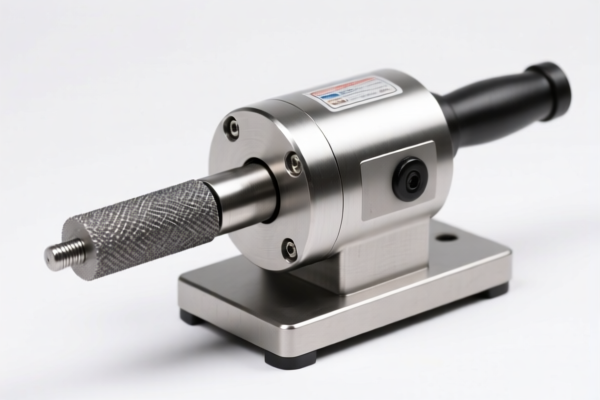
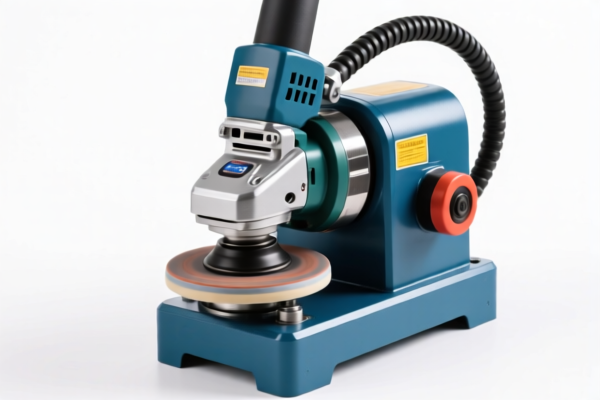
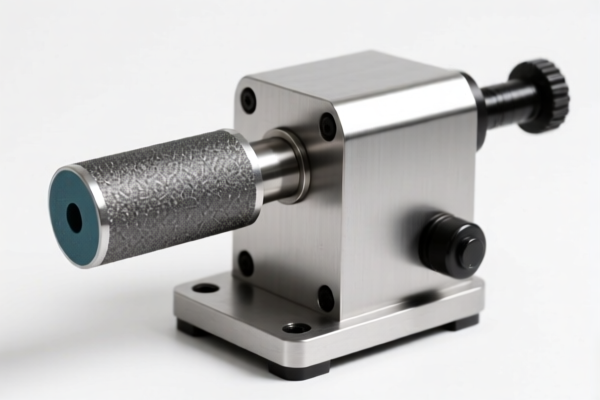
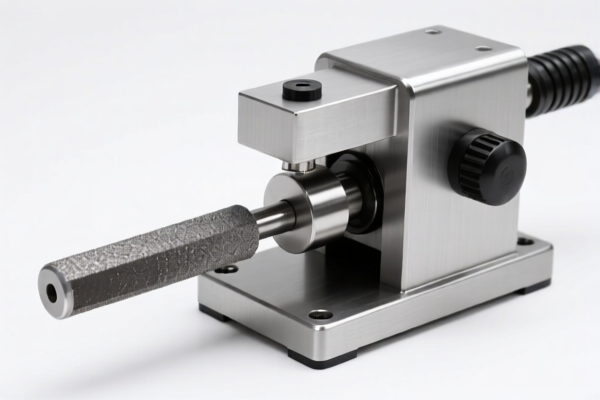
AI Analysis
⚙️ Metal Grinding & Polishing Machines (Industrial & Home Use)
🌐 HS Code Reference & Customs Clearance Guide | 2026 Latest Tariff Analysis | Professional Level Clearance Strategy
📌 I. Product Definition & Classification: Do You Really Understand "Metal Grinding and Polishing Machines"?
Metal grinding and polishing machines are essential equipment for surface finishing, deburring, and smoothing metal materials. In international trade, they are strictly classified based on function, power source, and application scenario. The key distinction lies in whether the machine is for industrial precision machining or household/consumer use, and whether it is a complete machine or just a tool/accessory.
⚠️ Key Distinction Points:
- Industrial Precision Machining (e.g., CNC polishers, bench grinders): Classified under Chapter 84 (Nuclear reactors, boilers, machinery). - Hand-held Power Tools (e.g., angle grinders, rotary polishers): Classified under Chapter 84 (specifically 8467) if they are tools for working on the material, OR Chapter 85 if they are motor-driven household appliances. - Household Appliances (e.g., electric shoe polishers, kitchen metal polishers): Classified under Chapter 85.
📦 II. HS Code Classification Details (2026 Latest Tariff Authority Comparison)
Based on the provided dataset, here are the specific HS Codes and their corresponding tax rates for metal grinding and polishing equipment:
| HS Code | Product Description | Tax Rate (Total) | Tax Detail Breakdown |
|---|---|---|---|
8460.90.40.60 |
Polishing machines for fine metal finishing (Industrial Precision Equipment) |
39.4% | Base: 4.4% Add-on: 25.0% Section 301: 10% |
8467.29.00.10 |
Metalworking tools for grinding and polishing (Power Tools/Accessories) |
17.5% | Base: 0.0% Add-on: 7.5% Section 301: 10% |
8509.80.10.00 |
Motor-driven household polishing appliances (Consumer Goods) |
10.0% | Base: 0.0% Add-on: 0.0% Section 301: 10% |
8460.12.00.80 |
Metal finishing/polishing equipment (General Industrial) |
39.4% | Base: 4.4% Add-on: 25.0% Section 301: 10% |
8467.11.10.40 |
Polishing tools for metal processing (Hand-held/Portable Tools) |
39.5% | Base: 4.5% Add-on: 25.0% Section 301: 10% |
8466.93.53.40 |
Polishing parts for machine tool works (Machine Parts/Accessories) |
39.7% | Base: 4.7% Add-on: 25.0% Section 301: 10% |
🔍 Key Insight:
- Industrial Machines (8460) and Parts (8466) face the highest tariffs (~39.4-39.7%) due to higher base rates + 25% add-on + 10% Section 301. - Hand-tools (8467.29) are significantly cheaper at 17.5% because the base rate is 0%, plus only 7.5% add-on + 10% Section 301. - Household Appliances (8509) have the lowest total rate (10%), consisting only of the 10% Section 301 tariff, as base and add-on rates are 0%.
💰 III. 2026 Latest Tariff Rate Details (Including Additional Taxes & Policy Surcharges)
✅ Applicable Country: United States (US)
✅ Country of Origin: China (CN)
✅ Effective Time: 2025/2026 (Based on current data)
🎯 1. 8460.90.40.60 & 8460.12.00.80 — Industrial Polishing Machines for Fine Metal Finishing
| Item | Content |
|---|---|
| Base Tariff | 4.4% |
| USITC Add-on Tariff (Section 301) | +25.0% |
| IEEPA/Other Add-on Tariff | +10.0% |
| Total Tax Rate | 39.4% |
| Tax Calculation | CIF Value × 39.4% |
| De Minimis Exemption? | ❌ No |
| Legal Basis Path | USITC:8460.90.40.60 → Footnote:25% → IEEPA:10% |
📌 Explanation:
- These are classified as machinery for working metals (Grinding, polishing, etc.). - The 25% add-on is applied to most machinery from China. - The 10% additional tariff is applied under Section 301/IEEPA for certain Chinese goods. - Result: Nearly 40% duty, making this category very costly for importers.
🎯 2. 8467.29.00.10 — Metalworking Tools for Grinding and Polishing
| Item | Content |
|---|---|
| Base Tariff | 0.0% |
| USITC Add-on Tariff | +7.5% |
| IEEPA Add-on Tariff | +10.0% |
| Total Tax Rate | 17.5% |
| Tax Calculation | CIF Value × 17.5% |
| De Minimis Exemption? | ❌ No |
| Legal Basis Path | USITC:8467.29.00.10 → Footnote:7.5% → IEEPA:10% |
📌 Note:
- This code is for hand-held or portable tools used for grinding/polishing. - Significant Savings: Compared to industrial machines, this saves ~22% in total tax. - Critical: Must be classified as a tool (e.g., angle grinder, bench polisher with hand-held operation), not a fixed industrial machine.
🎯 3. 8509.80.10.00 — Motor-Driven Household Polishing Appliances
| Item | Content |
|---|---|
| Base Tariff | 0.0% |
| USITC Add-on Tariff | 0.0% |
| IEEPA Add-on Tariff | +10.0% |
| Total Tax Rate | 10.0% |
| Tax Calculation | CIF Value × 10.0% |
| De Minimis Exemption? | ❌ No |
| Legal Basis Path | USITC:8509.80.10.00 → IEEPA:10% |
📌 Note:
- This is for consumer goods (e.g., electric shoe polishers, small kitchen metal polishers). - Lowest Tariff: Only 10%, with no base or Section 301 add-on. - Warning: Cannot be used for industrial equipment. Misclassification here can lead to severe penalties.
🎯 4. 8467.11.10.40 — Polishing Tools for Metal Processing
| Item | Content |
|---|---|
| Base Tariff | 4.5% |
| USITC Add-on Tariff | +25.0% |
| IEEPA Add-on Tariff | +10.0% |
| Total Tax Rate | 39.5% |
| Tax Calculation | CIF Value × 39.5% |
| De Minimis Exemption? | ❌ No |
📌 Note:
- Slightly different from8467.29.00.10. This code may apply to specific hand-held tools with different motor types or power ratings. - High Cost: Similar to industrial machines due to higher base rate and 25% add-on.
🎯 5. 8466.93.53.40 — Polishing Parts for Machine Tool Works
| Item | Content |
|---|---|
| Base Tariff | 4.7% |
| USITC Add-on Tariff | +25.0% |
| IEEPA Add-on Tariff | +10.0% |
| Total Tax Rate | 39.7% |
| Tax Calculation | CIF Value × 39.7% |
| De Minimis Exemption? | ❌ No |
📌 Note:
- These are parts/accessories for machine tools, not standalone machines. - Highest Rate: 39.7%, the highest in the list. - Strategy: If possible, import as tools (8467) rather than parts to save ~22%.
🛠️ IV. Customs Clearance Practical Suggestions (Battle-Tested Pitfall Guide)
✅ 1. Document Checklist (Non-negotiable)
| Document | Required | Description |
|---|---|---|
| ✅ Product Specification Sheet | ✔️ | Must clearly state: Function (Grinding/Polishing), Power Source (Electric/Pneumatic), Application (Industrial/Household). |
| ✅ Technical Drawing/Structure Diagram | ✔️ | To prove whether it is a standalone machine (8460) or a hand-held tool (8467). |
| ✅ Product Photos (with Label) | ✔️ | Clear view of model number, voltage, wattage, and branding. |
| ✅ Commercial Invoice | ✔️ | Must specify: "Polishing Machine for Metal Finishing" or "Hand-held Polishing Tool". |
| ✅ Packing List | ✔️ | Detail the relationship between main unit and accessories. Avoid splitting a single machine into multiple HS codes unless justified. |
| ✅ Country of Origin Certificate | ✔️ | Required for Section 301/IEEPA tariff application. |
✅ 2. Declaration Tips (Key Mantras)
🔥 “Function defines HS, Tool vs. Machine, Don’t Split, Don’t Misclassify!”
| Scenario | Correct Declaration | Wrong Practice |
|---|---|---|
| Large Bench Polisher (Industrial) | 8460.90.40.60 (39.4%) |
Misdeclare as “Tool” → Risk of penalty |
| Hand-held Angle Grinder | 8467.29.00.10 (17.5%) |
Misdeclare as “Machine” → Overpay by ~22% |
| Electric Shoe Polisher | 8509.80.10.00 (10.0%) |
Misdeclare as “Industrial Machine” → Overpay by ~29% |
| Spare Polishing Wheel/Belt | 8466.93.53.40 (39.7%) |
Misdeclare as “Tool” → If not a tool, penalty + back taxes |
📌 Critical Advice:
- Hand-held tools (8467) are often cheaper to import than fixed machines (8460). If the device can be operated by hand, classify under 8467. - Household items (8509) must not be industrial-grade. If it’s used in a factory, it must be8460or8467.
✅ 3. Special Case Handling
| Situation | Handling Advice |
|---|---|
| OEM Custom Machines | Provide design drawings to prove it’s a specialized industrial machine (8460), not a consumer good. |
| Portable vs. Fixed | If the machine is heavy, stationary, and requires installation → 8460. If it’s lightweight, battery-powered, or hand-held → 8467. |
| Parts vs. Whole Machine | Importing spare parts (8466) is expensive (39.7%). Consider importing as complete machines (8460 or 8467) if possible, or check if the part qualifies for a different duty-free rate. |
| Household Appliance Misclassification | Do not use 8509 for industrial polishers. Customs will audit and reclassify, leading to penalties. |
🌍 V. Global Market Comparison (2026 Latest)
| Country/Region | Recommended HS Code | Tariff Rate | Certification Requirements | Notes |
|---|---|---|---|---|
| 🇺🇸 USA | 8460.90.40.60 / 8467.29.00.10 |
17.5% - 39.7% | UL, CE, FCC (if electric) | High Tariffs for industrial parts/machines. |
| 🇨🇳 China | 8460.90.40.60 / 8467.29.00.10 |
Varies | CCC | No Section 301 taxes. |
| 🇪🇺 EU | 8460.90.40.60 / 8467.29.00.10 |
Varies | CE, RoHS | Check local VAT and environmental regulations. |
| 🇬🇧 UK | 8460.90.40.60 / 8467.29.00.10 |
Varies | UKCA | Post-Brexit rules apply. |
📌 Conclusion:
- USA has the highest tariff burden due to Section 301 and IEEPA tariffs. - Cost-saving Strategy:
- Use8467.29.00.10(17.5%) instead of8460(39.4%) if the device is a hand-held tool.
- Use8509.80.10.00(10.0%) if the device is truly a household appliance.
📌 VI. Common Errors & Pitfall Guide (Lessons Learned)
❌ Error 1: Declaring a bench polisher as a hand-held tool (8467).
👉 Consequence: Customs may reclassify as 8460, leading to back taxes + penalties for underpayment.
❌ Error 2: Declaring an industrial polishing machine as a household appliance (8509).
👉 Consequence: Severe penalty for misdeclaration. Tariff difference is ~29-30%.
❌ Error 3: Splitting a complete machine into main unit + parts.
👉 Consequence: Parts (8466) are taxed at 39.7%. It’s better to declare as one complete machine (8460 or 8467) to avoid higher part rates.
❌ Error 4: Not specifying the power source or function in the invoice.
👉 Consequence: Customs delays for classification review.
✅ Correct Practice:
"Electric Bench Polishing Machine for Metal, Model XYZ, 220V, 500W, Industrial Use"
OR
"Hand-held Electric Polishing Tool, Model ABC, 110V, For Metal Finishing"
🎯 VII. Conclusion: Professional Declaration, Save Time & Money!
🎯 Remember the Mantra:
🔹 “Machine vs. Tool: 39% vs. 17.5% – Choose Wisely!”
🔹 “Household Appliance: Only 10% – But Only for Home Use!”
🔹 “Parts are Expensive: 39.7% – Import as Whole If Possible!”
📌 Pro Tip:
- If your product is a hand-held grinder/polisher, ensure it’s classified under 8467.29.00.10 (17.5%) to save significant costs.
- For industrial machines, prepare for ~39.4% total tax.
- Always provide technical drawings to justify your HS Code choice.
📣 Immediate Action:
📞 Contact a professional customs broker + Provide product specs + Apply for Advance Ruling if unsure.
🚀 Clear Customs Smoothly, Reduce Costs, Maximize Profits!
✨ Professional Clearance Starts with Accurate Classification!
💼 Every Percent of Tax Saved is Pure Profit!
Customer Reviews
About HS Code Classification
The Harmonized System (HS) is an internationally standardized nomenclature developed by the World Customs Organization (WCO) to classify traded products. Over 200 countries use the HS system as the basis for customs tariffs, trade statistics, and import/export regulations.
Each HS code follows a hierarchical structure:
- Chapter (2 digits) — Broad category of goods (e.g., Chapter 84: Machinery and Mechanical Appliances)
- Heading (4 digits) — More specific grouping within the chapter
- Subheading (6 digits) — Internationally standardized breakdown, used by all WCO member countries
- National subdivisions (8-10 digits) — Country-specific extensions for further classification, such as US HTSUS 10-digit codes
Correct HS code classification is essential for smooth customs clearance, accurate duty payment, and compliance with trade regulations. Misclassification can lead to customs delays, overpayment of duties, or penalties.
When importing from CN to US, the applicable tariff rates may include:
- Most-Favored-Nation (MFN) rate — The standard duty rate applied to WTO members
- General rate — Applied to countries without trade agreements
- Trade remedy duties — Additional tariffs such as Section 301 (anti-dumping), Section 232 (national security), or countervailing duties
The information provided on this page is for reference purposes only. For official classification, please consult with your local customs authority or a licensed customs broker.