Metal Jewelry
CN → US| HS Code | Tariff Rate | Origin | Destination | Doc |
|---|---|---|---|---|
| 7117909000 | 28.5% | CN | US | Official Doc |
| 7113195091 | 15.5% | CN | US | Official Doc |
| 7115903000 | 38.9% | CN | US | Official Doc |
| 7115904000 | 38.0% | CN | US | Official Doc |
| 8306290000 | 10.0% | CN | US | Official Doc |
Product Images
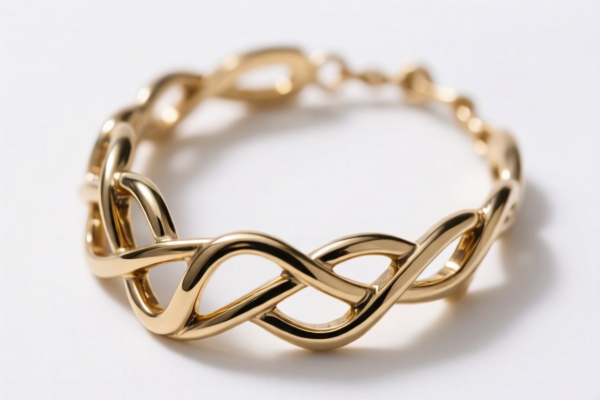
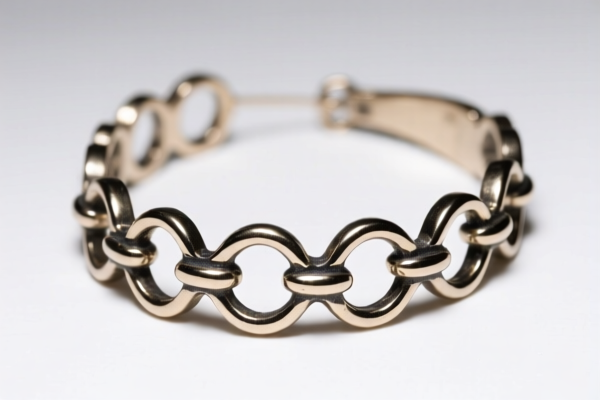
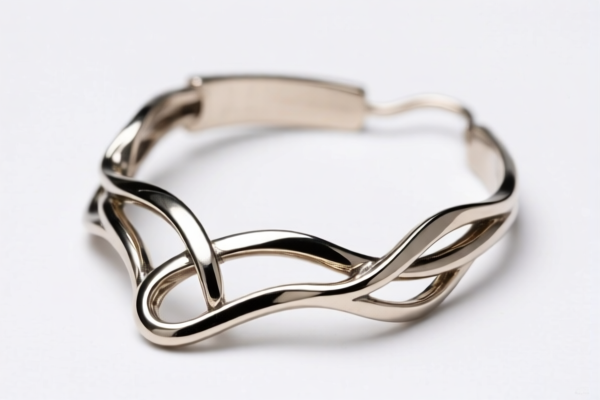
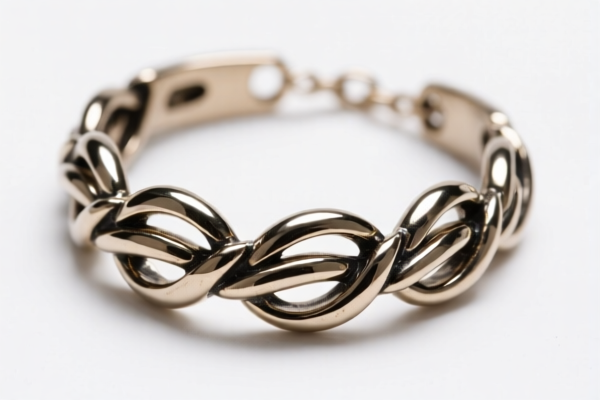
AI Analysis
💍 Metal Jewelry (Metal Rings, Ornaments & Accessories)
🌐 HS Code Reference & Customs Clearance Guide | 2026 Latest Tariff Analysis | Professional-Level Strategy for US Imports
📌 I. Product Definition & Classification: Do You Really Understand "Metal Jewelry"?
"Metal Jewelry" is a broad term in international trade, primarily referring to rings, ornaments, and decorative items made from various metals. However, the material composition (precious vs. base vs. imitation) and manufacturing purpose strictly dictate the HS Code classification.
In the context of US imports from China, the distinction lies between: 1. Imitation/Costume Jewelry: Made from base metals (copper, zinc, steel) designed as fashion accessories, not high-value bullion. 2. Precious/Base Metal Articles: Genuine gold, silver, or specific metallic articles that fall under different tariff chapters. 3. Decorative Metal Items: Non-jewelry metal ornaments (e.g., small figurines, plaques) that might be misclassified as jewelry.
⚠️ Critical Distinction:
- If the item is fashion-focused, made of base metals (not gold/silver plated significantly for value), it often falls under 8306.29 or 7117.
- If the item is high-value precious metal (gold/silver), it falls under 7113 or 7115.
- Note: The data below reflects specific US tariff lines involving Section 301 and Section 122 (China-specific) duties, which significantly impact cost.
📦 II. HS Code Classification Details (2026 Latest Tariff Authority)
Based on the provided dataset, here are the specific HS Codes for "Metal Rings/Jewelry" and their corresponding tax structures:
| HS Code | Product Description | Application Scenario | Material/Category |
|---|---|---|---|
| 7117.90.90.00 | Imitation Jewelry (Metal Rings) | Fashion rings, costume jewelry, base metal | Imitation Jewelry (Non-Precious) |
| 7113.19.50.91 | Precious/Non-Precious Metal Jewelry (Rings) | High-end metal rings, solid base/precious metal | Precious/Non-Precious Jewelry |
| 7115.90.30.00 | Gold or Gold-Clad Metal Articles | Rings made of gold or gold-plated base metal | Gold/Gold-Clad |
| 7115.90.40.00 | Precious/Non-Precious Metal Articles | General metallic articles (not classified elsewhere) | Precious/Non-Precious Metal |
| 8306.29.00.00 | Ornaments of Base Metal | Decorative metal items, small rings as ornaments | Base Metal Ornaments |
🔍 Key Insight:
- 7117 is typically for imitation/costume jewelry (low value).
- 7113/7115 are for precious metals or specific metal articles (higher value).
- 8306 is for ornaments (which can include decorative rings), often with lower base tariffs but subject to specific "122" clauses.
💰 III. 2026 Latest Tariff Rate Breakdown (Including Surcharges & Policy Add-ons)
✅ Applicable Country: United States (US)
✅ Origin: China (CN)
✅ Effective Time: 2025/2026 (Post-Section 301 & Section 122 updates)
🎯 1. 7117.90.90.00 – Imitation Jewelry (Metal Rings)
| Item | Detail |
|---|---|
| Base Tariff | 11.0% |
| Section 301 Surcharge | 7.5% |
| Section 122 Surcharge | 10.0% |
| Total Tax Rate | 28.5% |
| Calculation | CIF Value × 28.5% |
| De Minimis Exemption? | ❌ No (High tariff items usually excluded from $800 exemption if flagged) |
| Legal Path | Section 301 + Section 122 applied to Chapter 71 |
📌 Explanation:
- This category is for fashion/costume metal rings.
- The 28.5% rate is a composite of base duty (11%) + Section 301 (7.5%) + Section 122 (10%).
- Risk: Misclassifying this as 8306 to get 0% base tariff is risky if the item is clearly "jewelry" (wearable).
🎯 2. 7113.19.50.91 – Precious/Non-Precious Metal Jewelry (Rings)
| Item | Detail |
|---|---|
| Base Tariff | 5.5% |
| Section 301 Surcharge | 0.0% |
| Section 122 Surcharge | 10.0% |
| Total Tax Rate | 15.5% |
| Calculation | CIF Value × 15.5% |
| De Minimis Exemption? | ❌ No |
| Legal Path | Section 122 applied to Chapter 71 |
📌 Explanation:
- This is the most favorable rate for jewelry if it qualifies under 7113 (Jewelry) rather than imitation.
- Why 0% Section 301? Some jewelry items are excluded from Section 301, but Section 122 (10%) still applies.
- Note: Ensure the product is truly "jewelry" (rings, bracelets, etc.) and not "ornaments" (8306) to use this code.
🎯 3. 7115.90.30.00 – Gold or Gold-Clad Metal Articles
| Item | Detail |
|---|---|
| Base Tariff | 3.9% |
| Section 301 Surcharge | 25.0% |
| Section 122 Surcharge | 10.0% |
| Total Tax Rate | 38.9% |
| Calculation | CIF Value × 38.9% |
| De Minimis Exemption? | ❌ No |
| Legal Path | Section 301 + Section 122 |
📌 Explanation:
- Applies to gold or gold-clad rings.
- High Risk: The 25% Section 301 surcharge is fully applied here.
- Total 38.9% is very high. Only use if the product is definitively gold-clad and not classified under 7113 (which may have exemptions).
🎯 4. 7115.90.40.00 – Precious/Non-Precious Metal Articles
| Item | Detail |
|---|---|
| Base Tariff | 3.0% |
| Section 301 Surcharge | 25.0% |
| Section 122 Surcharge | 10.0% |
| Total Tax Rate | 38.0% |
| Calculation | CIF Value × 38.0% |
| De Minimis Exemption? | ❌ No |
| Legal Path | Section 301 + Section 122 |
📌 Explanation:
- For general metal articles not classified elsewhere.
- Like 7115.30, it attracts the full 25% Section 301 + 10% Section 122.
- Avoid unless no other code fits.
🎯 5. 8306.29.00.00 – Ornaments of Base Metal
| Item | Detail |
|---|---|
| Base Tariff | 0.0% |
| Section 301 Surcharge | 0.0% |
| Section 122 Surcharge | 10.0% |
| Total Tax Rate | 10.0% |
| Calculation | CIF Value × 10.0% |
| De Minimis Exemption? | ⚠️ Check: Often below $800, but high-risk if clearly "jewelry" |
| Legal Path | Section 122 only |
📌 Explanation:
- This is the lowest tax rate (10%).
- Trap: This code is for ornaments (decorative items), not strictly "jewelry" worn on the body.
- Risk: US Customs may reclassify a ring as "jewelry" (7117) if it’s designed for wear, leading to back taxes + penalties.
- Strategy: Only use if the item is clearly a decorative ornament (e.g., a metal ring-shaped plaque, not a wearable ring).
🛠️ IV. Customs Clearance Practical Advice (Avoid Pitfalls)
✅ 1. Documentation Checklist (Non-Negotiable)
| Document | Mandatory? | Purpose |
|---|---|---|
| ✅ Product Photos | ✔️ | Show if it’s wearable (jewelry) or decorative (ornament). |
| ✅ Material Declaration | ✔️ | Specify "Base Metal," "Gold-Clad," or "Precious Metal." |
| ✅ Functional Description | ✔️ | Is it worn on fingers (7113/7117) or displayed (8306)? |
| ✅ Commercial Invoice | ✔️ | Clearly state "Metal Ring" or "Decorative Ornament." |
| ✅ Certificate of Origin | ✔️ | Required for Section 122 & 301 determination. |
✅ 2. Classification Strategy (Critical!)
🔥 "Wearable = Jewelry (7113/7117), Decorative = Ornament (8306)"
| Scenario | Correct HS Code | Why? |
|---|---|---|
| Wearable Ring (Fashion) | 7117.90.90.00 |
It’s imitation jewelry. Tax: 28.5%. |
| Wearable Ring (High-End) | 7113.19.50.91 |
It’s jewelry. Tax: 15.5% (Best for wearables). |
| Decorative Ring-Shaped Plaque | 8306.29.00.00 |
It’s an ornament, not jewelry. Tax: 10%. |
| Gold-Plated Ring | 7115.90.30.00 |
It’s gold-clad. Tax: 38.9% (Avoid if possible). |
⚠️ Warning:
- Do not declare a wearable ring as8306to save 18.5% tax.
- If CBP (Customs and Border Protection) determines the item is "jewelry," you will face penalties, interest, and back taxes at the 7117 or 7113 rate.
✅ 3. Special Cases
| Case | Advice |
|---|---|
| Section 122 Exemption? | No. Section 122 (10%) applies to all China-origin goods in this category. |
| Section 301 Exemption? | Only applies to some 7113 items. 7117 and 7115 do NOT have 301 exemptions. |
| De Minimis ($800) | High-risk. CBP is actively auditing jewelry imports under $800. If misclassified, entry will be denied. |
🌍 V. Global Market Comparison (2026)
| Country | Recommended HS Code | Tax Rate (China Origin) | Notes |
|---|---|---|---|
| 🇺🇸 USA | 7113.19.50.91 |
15.5% (Lowest for jewelry) | Apply 10% Section 122. Avoid 301 if possible. |
| 🇪🇺 EU | 7113 |
~2.5% | No Section 122/301. CE/RoHS required. |
| 🇨🇳 China | 7113 |
~5% | Domestic trade only. |
| 🇬🇧 UK | 7113 |
~3% | Post-Brexit rules apply. |
📌 Conclusion:
- USA is the most expensive market due to Section 301 and Section 122.
- Optimize by Classifying Correctly: If it’s high-end jewelry,7113is better than7117or7115.
- Avoid8306unless it’s truly decorative.
📌 VI. Common Mistakes & Pitfalls (Blood Lessons)
❌ Mistake 1: Declaring a wearable ring as 8306 (Ornament) to pay 10% instead of 28.5%.
👉 Result: CBP reclassifies it, charges back taxes + 25% penalty.
❌ Mistake 2: Assuming all jewelry has a Section 301 exemption.
👉 Result: Only some 7113 items are exempt. 7117 and 7115 always have 301 duties (if not exempt).
❌ Mistake 3: Ignoring Section 122.
👉 Result: Even if 301 is 0%, 10% Section 122 is always applied to China-origin goods.
✅ Best Practice:
“Wearable Rings → 7113 (15.5%); Costume Rings → 7117 (28.5%); Decorative Ornaments → 8306 (10%).”
🎯 VII. Conclusion: Professional Classification, Cost Optimization!
🎯 Remember:
🔹 "Jewelry is not Ornament, Wearable is not Decorative."
🔹 "Section 122 is Universal (10%), Section 301 is Selective."
🔹 "7113 is Your Best Friend for High-End Jewelry (15.5%)."
📌 Pro Tip:
If your metal rings are fashion/costume, consider if they can be clearly defined as ornaments (e.g., keychains, bag charms) to use 8306 (10%).
If they are wearable, classify as 7113 (15.5%) if possible, or 7117 (28.5%) if imitation.
📣 Immediate Action:
📞 Consult a Customs Broker: Before shipping, get an Advance Ruling from CBP.
🚀 Document Everything: Photos, material specs, and intent (wearable vs. decorative) are critical.
✨ Professional Clearance Starts with Accurate Classification!
💼 Every Dollar Saved in Tariffs is Profit Kept!
Customer Reviews
About HS Code Classification
The Harmonized System (HS) is an internationally standardized nomenclature developed by the World Customs Organization (WCO) to classify traded products. Over 200 countries use the HS system as the basis for customs tariffs, trade statistics, and import/export regulations.
Each HS code follows a hierarchical structure:
- Chapter (2 digits) — Broad category of goods (e.g., Chapter 84: Machinery and Mechanical Appliances)
- Heading (4 digits) — More specific grouping within the chapter
- Subheading (6 digits) — Internationally standardized breakdown, used by all WCO member countries
- National subdivisions (8-10 digits) — Country-specific extensions for further classification, such as US HTSUS 10-digit codes
Correct HS code classification is essential for smooth customs clearance, accurate duty payment, and compliance with trade regulations. Misclassification can lead to customs delays, overpayment of duties, or penalties.
When importing from CN to US, the applicable tariff rates may include:
- Most-Favored-Nation (MFN) rate — The standard duty rate applied to WTO members
- General rate — Applied to countries without trade agreements
- Trade remedy duties — Additional tariffs such as Section 301 (anti-dumping), Section 232 (national security), or countervailing duties
The information provided on this page is for reference purposes only. For official classification, please consult with your local customs authority or a licensed customs broker.