Metal Leather Handbag
CN → US| HS Code | Tariff Rate | Origin | Destination | Doc |
|---|---|---|---|---|
| 4202219000 | 44.0% | CN | US | Official Doc |
| 4202216000 | 45.0% | CN | US | Official Doc |
| 4114207000 | 36.6% | CN | US | Official Doc |
| 4114204000 | 38.6% | CN | US | Official Doc |
| 4202919090 | 39.5% | CN | US | Official Doc |
Product Images

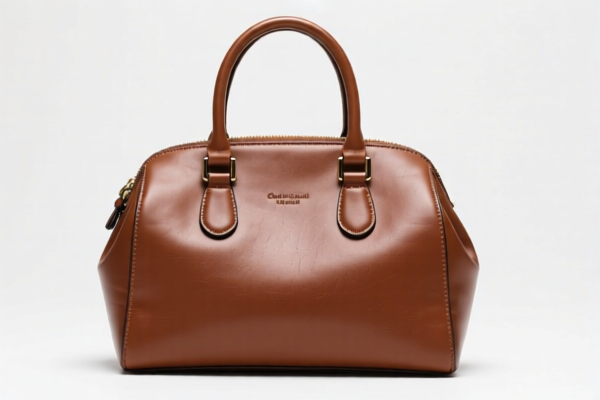
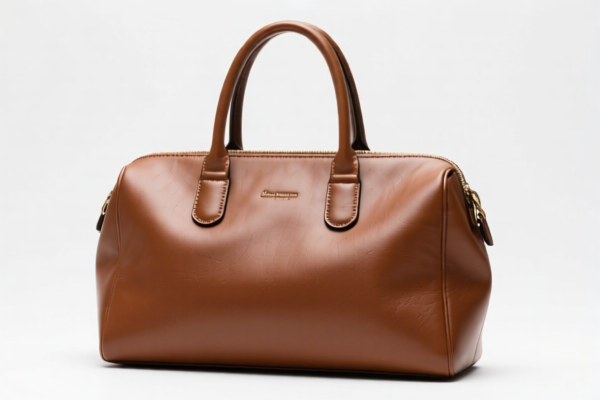
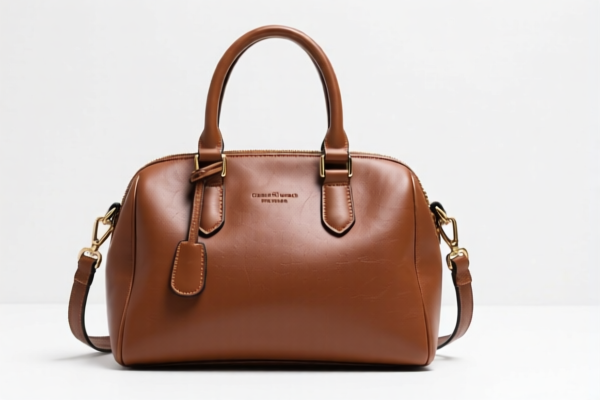
AI Analysis
👜 Metal Leather Handbags (Metalized Leather Handbags)
🌐 HS Code Reference & Customs Clearance Guide | 2026 Latest Tariff Analysis | Professional Clearance Strategy
📌 Part I: Product Definition & Classification: Understanding the "Metal Leather" Nuance
A "Metal Leather Handbag" refers to a handbag where the outer surface is treated with a metallic finish or composed of "metalized leather" (leather coated with metal foil or pigment). In international trade, the classification hinges on two critical factors: 1. Form Factor: Does it meet the shape/structure of a handbag (handles, closure, capacity)? 2. Material Composition: Is the outer surface classified primarily as "leather" (Chapter 41/42) or does the specific metalized treatment push it into different sub-categories based on USITC rulings?
⚠️ Key Distinction Points: - If the handbag has the standard shape of a handbag (handles, straps, pockets) and the outer surface is leather (even if metalized), it generally falls under Heading 4202. - If the item is defined primarily by its metalized leather material rather than its handbag function, or if it's considered a "part" of a leather article, it might fall under Heading 4114 (Metalized leather). - Crucial Note: The USITC (United States International Trade Commission) maintains specific footnotes and rulings for metalized leather. Misclassification can lead to significant duty discrepancies due to Section 301 and Section 122 tariffs.
📦 Part II: HS Code Classification Details (2026 Latest Tariff Authority)
Based on the provided data, here are the precise classifications for Metal Leather Handbags:
| HS Code | Product Description | Application Scenario | Material/Shape Key |
|---|---|---|---|
4202.21.90.00 |
Metalized leather handbag, outer surface is leather, meets handbag shape requirements | Standard fashion handbags with metalized leather exterior | ✅ Shape: Handbag ✅ Surface: Leather |
4202.21.60.00 |
Metalized leather handbag, outer surface is leather or synthetic leather, meets handbag shape requirements | Handbags using blended or synthetic-metalized leather | ✅ Shape: Handbag ✅ Surface: Leather/Synthetic |
4114.20.70.00 |
Metalized leather handbag, core material is metalized leather, meets material attribute requirements | Items where the material property (metalized leather) is the primary classifier, potentially parts or less structured items | ✅ Material: Metalized Leather (Core) ❌ Shape: Not strictly handbag form in some contexts |
4114.20.40.00 |
Metalized leather handbag, material is metalized leather, falls under leather goods category | General leather goods made of metalized leather | ✅ Material: Metalized Leather ✅ Category: Leather Goods |
4202.91.90.90 |
Leather goods handbag, outer surface is leather, meets container product shape requirements | Alternative classification for handbags where specific sub-heading 4202.21 might not apply due to specific material exclusions | ✅ Shape: Container/Handbag ✅ Material: Leather |
🔍 Critical Reminder: - Handbag Shape is Key: If the item clearly functions as a handbag (handles, closure), 4202.xx.xx codes are typically preferred over 4114.xx.xx codes, which are often for materials or parts. - Metalized Leather: The term "metalized leather" refers to leather treated with metal. Ensure your documentation clearly states the material composition to avoid disputes between Chapter 41 (Leather) and Chapter 42 (Articles of Leather).
💰 Part III: 2026 Latest Tariff Rate Details (Including Surcharges & Policy Add-ons)
✅ Applicable Country: United States (US)
✅ Origin: China (CN)
✅ Effective Time: 2025/2026 (Current Trade Environment)
🎯 1. 4202.21.90.00 — Metalized Leather Handbag (Standard Leather Surface)
| Item | Content |
|---|---|
| Base Rate | 9.0% |
| Section 301 Surcharge (25%) | +25.0% (Standard USITC Footnote) |
| Section 122 Surcharge | +10.0% (Specific USITC Footnote for certain leather goods) |
| Total Rate | 44.0% |
| Tax Calculation | CIF Value × 44% |
| De Minimis Eligibility | ❌ No (High duty rates disqualify from $800 de minimis) |
| Legal Basis Path | USITC:4202.21.90.00 → FOOTNOTE:301 → FOOTNOTE:122 |
📌 Explanation:
- This is the standard classification for handbags with a leather exterior. - The 44% total rate is driven by the combination of the base duty (9%), the 301 tariff (25%), and the specific 122 tariff (10%). - High Cost Alert: This is a very high tariff entry. Accurate declaration of the outer surface material is critical.
🎯 2. 4202.21.60.00 — Metalized Leather Handbag (Leather or Synthetic)
| Item | Content |
|---|---|
| Base Rate | 10.0% |
| Section 301 Surcharge (25%) | +25.0% |
| Section 122 Surcharge | +10.0% |
| Total Rate | 45.0% |
| Tax Calculation | CIF Value × 45% |
| De Minimis Eligibility | ❌ No |
| Legal Basis Path | USITC:4202.21.60.00 → FOOTNOTE:301 → FOOTNOTE:122 |
📌 Note:
- Slightly higher base duty (10% vs 9%) if the outer surface is considered synthetic leather or a blend. - Total rate 45% is the highest in this set. Ensure you confirm if the material is 100% leather (9%) or includes synthetic components (10%).
🎯 3. 4114.20.70.00 — Metalized Leather (Core Material Focus)
| Item | Content |
|---|---|
| Base Rate | 1.6% |
| Section 301 Surcharge (25%) | +25.0% |
| Section 122 Surcharge | +10.0% |
| Total Rate | 36.6% |
| Tax Calculation | CIF Value × 36.6% |
| De Minimis Eligibility | ❌ No |
| Legal Basis Path | USITC:4114.20.70.00 → FOOTNOTE:301 → FOOTNOTE:122 |
📌 Explanation:
- This code classifies based on the material attribute (metalized leather) rather than the final handbag form. - Lower Total Rate (36.6%) compared to 4202 codes, BUT risky if the item is clearly a finished handbag. Customs may reclassify it to 4202, leading to penalties. - Use this only if the item is a part of a bag or a non-standard leather good.
🎯 4. 4114.20.40.00 — Metalized Leather (General Leather Goods)
| Item | Content |
|---|---|
| Base Rate | 3.6% |
| Section 301 Surcharge (25%) | +25.0% |
| > Section 122 Surcharge | +10.0% |
| Total Rate | 38.6% |
| Tax Calculation | CIF Value × 38.6% |
| > De Minimis Eligibility | ❌ No |
| Legal Basis Path | USITC:4114.20.40.00 → FOOTNOTE:301 → FOOTNOTE:122 |
📌 Note:
- Base duty is higher than 4114.20.70.00 (3.6% vs 1.6%). - Total rate 38.6%. Still lower than the 4202 handbag codes, but carries the same misclassification risk.
🎯 5. 4202.91.90.90 — Leather Goods Handbag (Container Shape)
| Item | Content |
|---|---|
| Base Rate | 4.5% |
| Section 301 Surcharge (25%) | +25.0% |
| Section 122 Surcharge | +10.0% |
| Total Rate | 39.5% |
| Tax Calculation | CIF Value × 39.5% |
| De Minimis Eligibility | ❌ No |
| Legal Basis Path | USITC:4202.91.90.90 → FOOTNOTE:301 → FOOTNOTE:122 |
📌 Explanation:
- This is a fallback category for leather handbags that don't fit specifically into 4202.21 (purses) or other sub-headings. - Total rate 39.5%. It offers a moderate tariff compared to the 44-45% of the primary handbag codes. - Use if the handbag has a unique shape or non-standard features that exclude it from 4202.21.
🛠️ Part IV: Customs Clearance Practical Advice (Battle-Tested Pitfall Guide)
✅ 1. Preparation Checklist (All Documents Required)
| Document | Required | Explanation |
|---|---|---|
| ✅ Product Specification Sheet | ✔️ | Must detail: Outer material (Leather/Synthetic), Metalized finish process, Interior lining, Dimensions. |
| ✅ Product Photos | ✔️ | Clear images of the bag empty, closed, and open to show handles, zippers, and shape. |
| ✅ Material Test Report | ✔️ | Certificate from 3rd party lab confirming "Metalized Leather" content. Crucial for distinguishing 4114 vs 4202. |
| ✅ Commercial Invoice | ✔️ | Must clearly state: "Handbag, Outer Surface: Metalized Leather, Model: XYZ". |
| ✅ Packing List | ✔️ | List each item individually. Avoid grouping with other leather goods. |
| ✅ Origin Certificate | ✔️ | If applicable for preferential treatment (though unlikely for US/China under current tariffs). |
✅ 2. Declaration Tips (Key Mantra)
🔥 "Shape Determines Chapter, Material Determines Rate! 'Handbag' in 4202, 'Material' in 4114!"
| Scenario | Correct Declaration | Incorrect Practice |
|---|---|---|
| Standard Handbag with Handles | 4202.21.90.00 (if 100% leather outer) |
Declaring as 4114.20.70.00 → Risk of Re-classification & Penalty |
| Handbag with Synthetic Outer | 4202.21.60.00 |
Declaring as 4202.21.90.00 → Under-declared Duty |
| Metalized Leather Parts (Straps, Patches) | 4114.20.40.00 or 4114.20.70.00 |
Declaring as 4202.91.90.90 → Overpaid Duty |
| Non-Handbag Leather Bag (Clutch without handles) | 4202.91.90.90 |
Declaring as 4202.21.60.00 → Misclassification |
✅ 3. Special Cases Handling
| Situation | Handling Advice |
|---|---|
| OEM Custom Handbags | Provide design drawings and material composition sheets. Clearly state if the "metalized" layer is a coating or a separate layer. |
| Hybrid Materials | If the outer surface is part leather, part synthetic, check the principal material rule. If leather > 50%, use 4202.21.90.00. If synthetic dominates, use 4202.21.60.00. |
| Metalized Finish Dispute | Customs may argue "metalized" makes it a "plastic sheet" or "metal foil." Provide chemical analysis proving it is still leather with a metallic treatment. |
| Low-Value Shipments | Do not rely on De Minimis ($800). The total tax rates (36.6% - 45%) are too high. Declare accurately to avoid seizure. |
🌍 Part V: Global Market Comparison (2026 Update)
| Country/Region | Recommended HS Code | Tariff (China Origin) | Certification | Notes |
|---|---|---|---|---|
| 🇺🇸 USA | 4202.21.90.00 / 4202.21.60.00 |
44-45% | No specific mandatory cert, but CBP scrutiny high | Highest Tariff. Section 301 + 122 apply. |
| 🇨🇳 China | 4202.21.90.00 |
~10-13% | CNCA (if applicable) | Lower duty, no Section 301/122. |
| 🇪🇺 EU | 4202.22.10 (Approx.) |
~4-6% | CE (if applicable) | No Section 301. Lower base duty. |
| 🇬🇧 UK | 4202.22.00 |
~4-6% | UKCA | Post-Brexit tariffs, no US-style surcharges. |
📌 Conclusion: - USA is the most expensive market for metalized leather handbags due to Section 301 and Section 122 tariffs. - EU/UK offer significantly lower duty rates (4-6%), but may have stricter material authenticity checks. - Strategy: For US-bound goods, optimize HS code selection carefully. If the bag has a unique shape, consider
4202.91.90.90(39.5%) vs4202.21.90.00(44.0%). A 4.5% saving per bag is significant at scale.
📌 Part VI: Common Errors & Pitfalls (Lessons Learned)
❌ Error 1: Declaring a standard handbag as 4114.20.70.00 to save duty
👉 Consequence: Customs re-classifies to 4202.21.90.00 → Pay 44% instead of 36.6% + Penalties.
❌ Error 2: Ignoring the "122 Clause" in the tariff detail
👉 Consequence: Forgetting the additional 10% surcharge leads to under-declaration.
❌ Error 3: Vague Description: "Leather Bag"
👉 Consequence: CBP requests additional info → Clearance Delay.
✅ Correct: "Women's Handbag, Outer Surface: Metalized Cowhide Leather, Handles: Yes, Closure: Zipper, Model: ABC123"
❌ Error 4: Confusing "Metal Leather" with "Metallic Fabric"
👉 Consequence: If the base is not leather, it may fall under 4202.32 (Plastic) or 6307 (Textiles), with different duties.
✅ Correct: Provide material composition explicitly.
🎯 Part VII: Conclusion: Precise Classification Saves Money!
🎯 Remember the Mantra:
🔹 "Shape in 4202, Material in 4114. Leather Outer = 4202.21. Synthetic Blend = 4202.21.60. Unique Shape = 4202.91."
🔹 "Section 301 (25%) + 122 (10%) = High Duty. Accuracy is Your Best Shield."
🔹 "39.5% vs 45%: Choose4202.91.90.90if your bag has a unique shape, not a standard handbag form."
📌 Pro Tip:
If your handbags are original from Vietnam, Thailand, or Indonesia, you may qualify for zero or lower Section 301 tariffs.
Recommendation: Apply for an Advance Ruling with US CBP before shipping to confirm the correct HS code and avoid surprises.
📣 Take Action Now:
📞 Contact your freight forwarder + Provide product photos & material specs + Apply for Pre-classification.
🚀 Clearance Smoothly, Reduce Costs, Maximize Profits!
✨ Professional Clearance Starts with Accurate Classification!
💼 Every Percent Saved is Pure Profit!
Customer Reviews
About HS Code Classification
The Harmonized System (HS) is an internationally standardized nomenclature developed by the World Customs Organization (WCO) to classify traded products. Over 200 countries use the HS system as the basis for customs tariffs, trade statistics, and import/export regulations.
Each HS code follows a hierarchical structure:
- Chapter (2 digits) — Broad category of goods (e.g., Chapter 84: Machinery and Mechanical Appliances)
- Heading (4 digits) — More specific grouping within the chapter
- Subheading (6 digits) — Internationally standardized breakdown, used by all WCO member countries
- National subdivisions (8-10 digits) — Country-specific extensions for further classification, such as US HTSUS 10-digit codes
Correct HS code classification is essential for smooth customs clearance, accurate duty payment, and compliance with trade regulations. Misclassification can lead to customs delays, overpayment of duties, or penalties.
When importing from CN to US, the applicable tariff rates may include:
- Most-Favored-Nation (MFN) rate — The standard duty rate applied to WTO members
- General rate — Applied to countries without trade agreements
- Trade remedy duties — Additional tariffs such as Section 301 (anti-dumping), Section 232 (national security), or countervailing duties
The information provided on this page is for reference purposes only. For official classification, please consult with your local customs authority or a licensed customs broker.