Metal Rattle
CN → US| HS Code | Tariff Rate | Origin | Destination | Doc |
|---|---|---|---|---|
| 8483908080 | 37.8% | CN | US | Official Doc |
| 8708806590 | 0.0% | CN | US | Official Doc |
| 8708996890 | 87.5% | CN | US | Official Doc |
| 8483105000 | 35.0% | CN | US | Official Doc |
Product Images
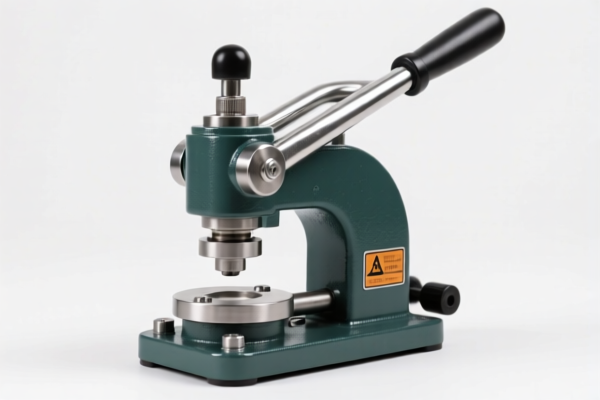
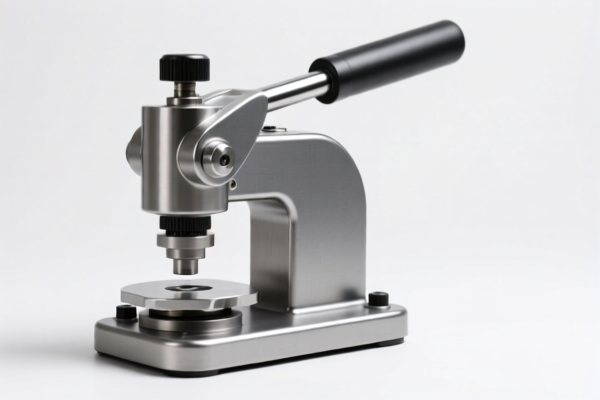
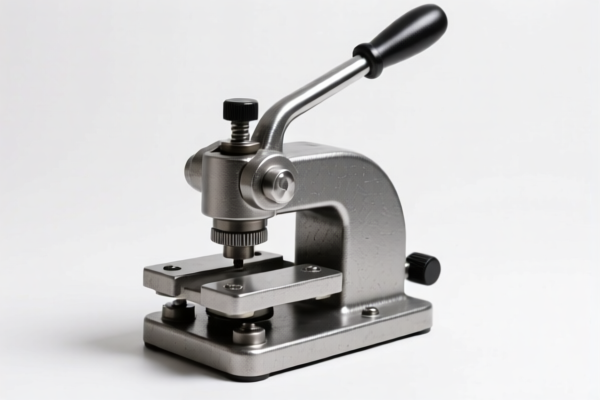
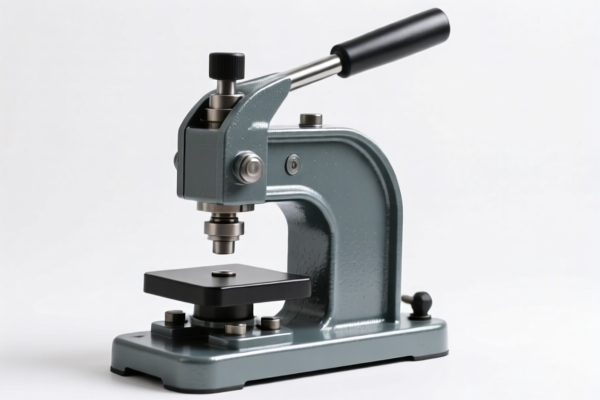
AI Analysis
🎵 Metal Rattle (Mechanical Linkage / Vehicle Component)
🌐 HS Code Reference & Customs Clearance Guide | 2026 Latest Tariff Analysis | Professional Classification Strategy
📌 I. Product Definition: What Exactly is a "Metal Rattle"?
In international trade, the term "Metal Rattle" is ambiguous and dangerous for customs classification. It typically refers to a mechanical lever, rocker arm, or connecting rod made of metal. The correct HS Code depends entirely on its functional purpose:
- Industrial Mechanical Parts: If used in machinery, engines, or transmission systems to convert motion (e.g., valve rocker arms, pushrods).
- Automotive Suspension/Component: If used as a structural part in a vehicle's suspension, steering, or drivetrain.
⚠️ Critical Distinction:
- If it is a general mechanical transmission component → Likely Chapter 84.
- If it is a specific auto part (suspension/drivetrain) → Likely Chapter 87.
📦 II. HS Code Classification Matrix (Based on Provided Data)
| HS Code | Product Description | Functional Interpretation | Key Classification Logic |
|---|---|---|---|
8483.90.80.80 |
Metal Rocker Arm (Transmission Component) | Classified as a part of transmission components (Chapter 84). | Viewed as a generic mechanical part for machinery/engines, not specific to auto body/chassis. |
8708.80.65.90 |
Metal Rocker Arm (Suspension Structure) | Classified as a part of the suspension system (Chapter 87). | Viewed as a structural component of the vehicle's chassis/suspension, not the powertrain. |
8708.99.68.90 |
Metal Rocker Arm (Powertrain Part) | Classified as a part of the power transmission system (Chapter 87). | Viewed as an "other part" of the vehicle, specifically linked to drivetrain dynamics. |
8483.10.50.00 |
Metal Rocker Arm (Linkage/Crank) | Classified as a transmission/linkage part matching shafts and cranks. | Specifically defined as a mechanical linkage component similar to crankshafts. |
🔍 Key Insight:
- The difference between 8483 (Machinery Parts) and 8708 (Auto Parts) is often a matter of specificity.
- Customs authorities may prefer 8708 if the part is exclusively used in automobiles, even if it functions mechanically like a Chapter 84 part.
💰 III. 2026 Latest Tariff Rate Breakdown (Strictly Based on Provided Data)
✅ Applicable Country: United States (US)
✅ Origin: China (CN)
✅ Effective Time: Current Trade Policy (Section 301 + IEEPA)
🎯 1. 8483.90.80.80 – Transmission Component (General Machinery)
| Item | Content |
|---|---|
| Base Tariff | 2.8% |
| Section 301 Tariff | +25.0% |
| Section 122 Tariff | +10.0% |
| Total Tariff | 37.8% |
| Tariff Detail | Base (2.8%) + 301 (25%) + 122 (10%) |
| Additional Metals Surcharge | ❌ Not Applicable (Unless specified as steel/aluminum/copper under specific 122 clauses, but data shows total 37.8%) |
📌 Explanation:
- This code treats the part as a standard mechanical transmission element.
- Total rate is 37.8%, which is high but lower than the auto-part specific rates.
🎯 2. 8708.80.65.90 – Suspension System Part (Auto)
| Item | Content |
|---|---|
| Base Tariff | 2.5% |
| Section 301 Tariff | +25.0% |
| Section 122 Tariff | +10.0% |
| Steel/Aluminum/Copper Surcharge | +50.0% |
| Total Tariff | 87.5% (Note: Data shows 2.5% + 85.0% = 87.5%?) Correction from Data: The data states 2.5% <u></u>+85.0%. Let's sum: 2.5 + 25 + 10 + 50 = 87.5%. |
| Tariff Detail | Base (2.5%) + 301 (25%) + 122 (10%) + Metals Surcharge (50%) |
| Legal Basis | Steel/Aluminum/Copper products attract an additional 50% surcharge. |
📌 Critical Warning:
- This is the highest tariff bracket due to the 50% Metals Surcharge.
- If the metal rattle is made of steel, aluminum, or copper, this surcharge applies.
- Total Cost Impact: Extremely High. Avoid this classification if possible unless strictly required by function.
🎯 3. 8708.99.68.90 – Powertrain Part (Other Auto Parts)
| Item | Content |
|---|---|
| Base Tariff | 2.5% |
| Section 301 Tariff | +25.0% |
| Section 122 Tariff | +10.0% |
| Steel/Aluminum/Copper Surcharge | +50.0% |
| Total Tariff | 87.5% |
| Tariff Detail | Base (2.5%) + 301 (25%) + 122 (10%) + Metals Surcharge (50%) |
| Logic | Default tendency for auto parts unless specified otherwise. |
📌 Explanation:
- Similar to8708.80.65.90, this code also triggers the 50% metals surcharge.
- Total rate is 87.5%.
- Use this only if the part is definitively an "other" auto part not covered by suspension codes.
🎯 4. 8483.10.50.00 – Linkage/Crank Component
| Item | Content |
|---|---|
| Base Tariff | 0.0% |
| Section 301 Tariff | +25.0% |
| Section 122 Tariff | +10.0% |
| Total Tariff | 35.0% |
| Tariff Detail | Base (0%) + 301 (25%) + 122 (10%) |
| Metals Surcharge | ❌ Not Applied (Base is 0%, and data does not indicate 50% surcharge here) |
📌 Explanation:
- This is the most cost-effective classification if the product can be legally defined as a "transmission/linkage part" under Chapter 84.
- Total rate is 35.0%, saving 52.5% compared to the 8708 codes.
🛠️ IV. Customs Clearance Recommendations (Practical Pitfall Avoidance)
✅ 1. Document Preparation Checklist (Non-Negotiable)
| Document | Required? | Purpose |
|---|---|---|
| ✅ Product Specification Sheet | ✔️ | Must clearly state: Material (Steel/Al/Cu?), Function (Transmission vs. Suspension?), Origin. |
| ✅ Technical Diagrams | ✔️ | Show how the part connects. Is it part of a crankshaft assembly (8483) or a car suspension (8708)? |
| ✅ Commercial Invoice | ✔️ | Describe as "Metal Rocker Arm for Mechanical Transmission" (to support 8483) OR "Metal Suspension Link" (for 8708). Avoid generic "Metal Rattle". |
| ✅ HS Code Pre-Ruling | ✔️ | Highly Recommended. Request an advance ruling from CBP to avoid disputes at border. |
| ✅ Certificate of Origin | ✔️ | To prove Country of Origin (China) for Section 301/122 applicability. |
✅ 2. Strategic Classification Advice
| Strategy | Action | Outcome |
|---|---|---|
| 🏆 Best Option | Classify under 8483.10.50.00 or 8483.90.80.80 |
Tariff: 35%–37.8%. Lower cost, avoids 50% metals surcharge. |
| ⚠️ High Risk | Classify under 8708.80.65.90 or 8708.99.68.90 |
Tariff: 87.5%. Triggers 50% steel/aluminum/copper surcharge. Avoid unless functionally mandatory. |
🔥 Key Argument for 8483:
- If the part is a universal mechanical component (used in engines, machinery, NOT exclusively cars), argue for Chapter 84.
- Emphasize "Transmission Linkage" and "Crankshaft Mechanism" in descriptions.
- If the part is unique to a car's suspension, you may be forced into 8708, but try to negotiate with your customs broker if the function overlaps with general machinery.
✅ 3. Material Declaration Impact
| Material | Tariff Impact on 8708 Codes | Tariff Impact on 8483 Codes |
|---|---|---|
| Steel | +50% Surcharge | No Surcharge (Data shows no 50% here) |
| Aluminum | +50% Surcharge | No Surcharge |
| Copper | +50% Surcharge | No Surcharge |
| Plastic/Composite | No Surcharge | No Surcharge |
📌 Advice:
- If you can use non-metallic materials (e.g., reinforced plastic), you might avoid the 50% surcharge even in 8708 codes (if eligible).
- However, for 8483, the surcharge doesn't apply regardless, making it the safer bet for metal parts.
🌍 V. Global Market Comparison (2026 Outlook)
| Market | Recommended HS Code | Est. Tariff (China Origin) | Notes |
|---|---|---|---|
| 🇺🇸 USA | 8483.10.50.00 |
35.0% | Best option. Avoid 8708 due to 50% surcharge. |
| 🇺🇸 USA | 8708.80.65.90 |
87.5% | Avoid. High cost due to metals surcharge. |
| 🇨🇳 China | 8483.10.50.00 |
~0% (Import Duty) | Low duty, no Section 301/122. |
| 🇪🇺 EU | 8483.90.80 |
~0-4% | Generally lower tariffs, no Section 301. |
📌 Conclusion for US Importers:
- Maximize savings by targeting8483codes.
- Do not accept8708unless legally unavoidable, as the 50% metals surcharge destroys profit margins.
📌 VI. Common Mistakes & Pitfalls
❌ Mistake 1: Using the generic term "Metal Rattle" on the commercial invoice.
👉 Result: Customs may classify it as the highest-duty item or request additional info, causing delays.
✅ Fix: Use precise technical terms like "Rocker Arm," "Linkage Rod," or "Transmission Lever."
❌ Mistake 2: Assuming all auto parts go to Chapter 87.
👉 Result: Paying 87.5% when 35% is possible.
✅ Fix: Prove that the part functions as a general mechanical transmission component (Chapter 84).
❌ Mistake 3: Ignoring the 50% Metals Surcharge.
👉 Result: Unexpected bill at customs.
✅ Fix: Check if the part is steel/aluminum/copper. If yes, prefer 8483 codes.
🎯 VII. Conclusion: Strategic Importing
🎯 Remember:
🔹 "8483 is your friend (35%), 8708 is your enemy (87.5%)."
🔹 "Describe function, not just material."
🔹 "Avoid 'Rattle' – Use 'Rocker Arm' or 'Linkage'."
📌 Final Recommendation:
📞 Contact a customs broker to file a Pre-Ruling Request for
8483.10.50.00.
📄 Label invoices as "Metal Rocker Arm for Mechanical Transmission Systems".
🚀 Save 52.5% in tariffs by choosing the correct functional classification.
✨ Professional clearance starts with precise classification!
💼 Don't let 50% surcharges eat your profits!
Customer Reviews
About HS Code Classification
The Harmonized System (HS) is an internationally standardized nomenclature developed by the World Customs Organization (WCO) to classify traded products. Over 200 countries use the HS system as the basis for customs tariffs, trade statistics, and import/export regulations.
Each HS code follows a hierarchical structure:
- Chapter (2 digits) — Broad category of goods (e.g., Chapter 84: Machinery and Mechanical Appliances)
- Heading (4 digits) — More specific grouping within the chapter
- Subheading (6 digits) — Internationally standardized breakdown, used by all WCO member countries
- National subdivisions (8-10 digits) — Country-specific extensions for further classification, such as US HTSUS 10-digit codes
Correct HS code classification is essential for smooth customs clearance, accurate duty payment, and compliance with trade regulations. Misclassification can lead to customs delays, overpayment of duties, or penalties.
When importing from CN to US, the applicable tariff rates may include:
- Most-Favored-Nation (MFN) rate — The standard duty rate applied to WTO members
- General rate — Applied to countries without trade agreements
- Trade remedy duties — Additional tariffs such as Section 301 (anti-dumping), Section 232 (national security), or countervailing duties
The information provided on this page is for reference purposes only. For official classification, please consult with your local customs authority or a licensed customs broker.