Metal Sheet, Iron Sheet
CN → US| HS Code | Tariff Rate | Origin | Destination | Doc |
|---|---|---|---|---|
| 7326901000 | 85.0% | CN | US | Official Doc |
| 7212500000 | 35.0% | CN | US | Official Doc |
| 7212600000 | 35.0% | CN | US | Official Doc |
| 7208260060 | 35.0% | CN | US | Official Doc |
| 7210120000 | 35.0% | CN | US | Official Doc |
| 7210110000 | 35.0% | CN | US | Official Doc |
Product Images
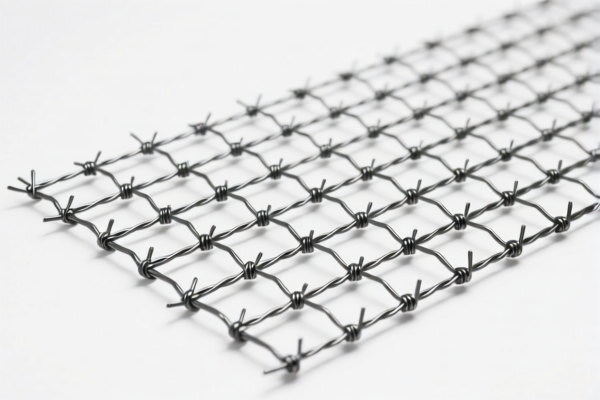
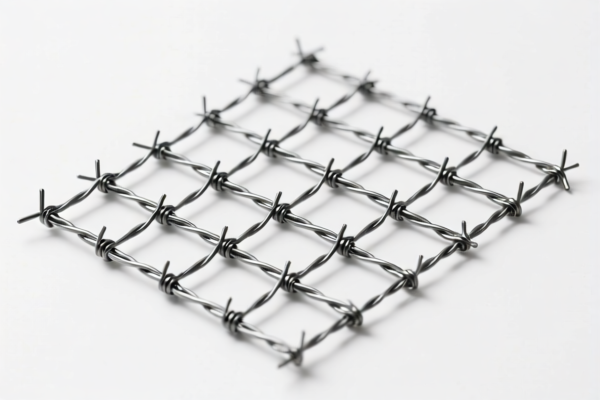
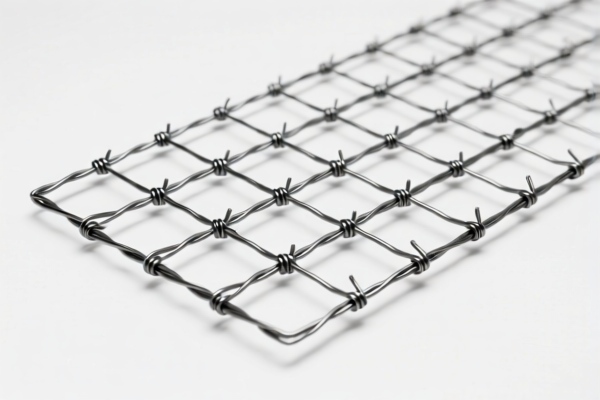
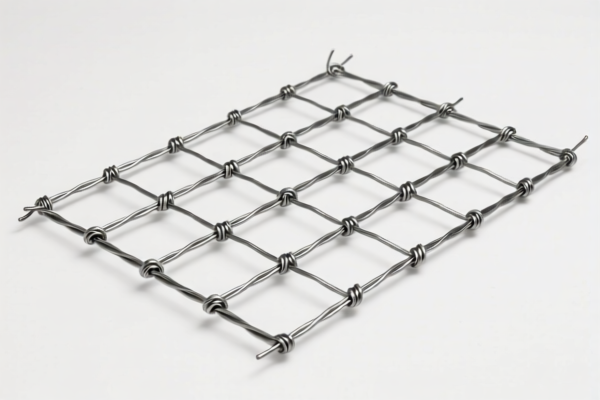
AI Analysis
🛡️ Iron Sheets & Metal Plates: The 50%–85% Tariff Minefield | 2026 US Customs Deep Dive
🌐 HS Code Classification & Tariff Strategy | Iron/Steel Products | Avoiding the 122-Section & 301-Section Traps
📌 One Product, Five Codes, Five Different Tax Rates
When you declare "Iron Sheet" (铁片) into the United States, do not assume a single HS Code applies. Under current US trade law (Section 232, Section 301, and Section 122), the physical form (rolled vs. cut) and processing stage dictate whether you pay 35% or a punishing 85%.
⚠️ Critical Warning:
The difference between "Flat-Rolled Product" (35% total) and "Article of Iron" (85% total) is often just a few millimeters of thickness or a specific processing step. Misclassification leads to immediate seizure or massive back-tariff liabilities.
📦 一、HS Code Classification Matrix (2026 Latest Data)
Below are the exact 5 HS Codes derived from the provided data for "Iron Sheets." Note the dramatic tax disparity.
| HS Code | Product Description (Chinese Summary) | Physical Form & Status | Total Tax Rate | Key Tax Components |
|---|---|---|---|---|
| 7326.90.10.00 | Iron Piece/Plate (Metal Product Category) Generic "Iron Piece" |
Cut/Finished metal articles; not specifically rolled plates | 85.0% 🚨 | Base 0% + Sec 301 (25%) + Sec 122 (50%) |
| 7212.50.00.00 | Iron Sheet (Flat-Rolled Product) | Cold-rolled flat products (coils/sheets) | 35.0% ✅ | Base 0% + Sec 301 (25%) + Sec 122 (10%) |
| 7212.60.00.00 | Iron Sheet (Coated/Plated) | Painted, varnished, or coated flat products | 35.0% ✅ | Base 0% + Sec 301 (25%) + Sec 122 (10%) |
| 7208.26.00.60 | Iron Sheet (Hot-Rolled, >100mm width) | Hot-rolled flat products, width > 600mm | 35.0% ✅ | Base 0% + Sec 301 (25%) + Sec 122 (10%) |
| 7210.12.00.00 | Iron Sheet (Tinplate/Thin Gauge) | Iron/steel coated with tin or other metals (thin) | 35.0% ✅ | Base 0% + Sec 301 (25%) + Sec 122 (10%) |
💰 二、Tax Structure Decoded: Why the Huge Difference?
To understand the tariff, you must break down the "Total Tax" column. It is not just one number; it is a stack of legal authorities.
🎯 Group A: The "35% Club" (7208, 7210, 7212 Series)
- Products: These are classified as "Flat-Rolled Products of Iron or Non-Alloy Steel" (Heading 7208–7212).
- Tax Breakdown:
- Base MFN Rate: 0% (Most Iron products have low base duties).
- Section 301 (Trade War): +25% (All Chinese iron/steel products).
- Section 122 (Steel/Aluminum/Steel/Copper Products): +10% (Specific tariff on steel/aluminum articles).
- Total: 0% + 25% + 10% = 35%.
- Why it’s cheaper: These are standard industrial raw materials (coils, sheets, plates) used for manufacturing. The US imposes a lower "penalty" tariff on raw/semi-finished forms.
🎯 Group B: The "85% Penalty" (7326.90.10.00)
- Products: Classified under "Articles of Iron or Steel" (Heading 7326). This is a "basket" category for finished or semi-finished metal parts that don’t fit elsewhere.
- Tax Breakdown:
- Base MFN Rate: 0%.
- Section 301 (Trade War): +25%.
- Section 122 (Steel/Aluminum/Steel/Copper Products): +50% ⚡
- Total: 0% + 25% + 50% = 85%.
- Why it’s expensive: This category captures "cut" or "formed" iron pieces. The US government applies a 50% punitive tariff here to discourage the import of basic metal fabrications from China.
🔍 Key Insight:
If your "Iron Sheet" is cut to a specific shape or is a finished article (not just a flat roll/sheet), it may slip into 7326.90.10.00, triggering the 50% Section 122 tax. Keep it as "Flat-Rolled" (72xx) if possible!
🛠️ 三、Customs Clearance Strategy & Risk Mitigation
✅ 1. Documentation & Description Precision
Your commercial invoice MUST clearly distinguish between "Flat-Rolled" and "Article of Iron."
| Item | Recommended Description | Avoid |
|---|---|---|
| Product Name | "Hot-Rolled Steel Sheet, Coils, Width > 600mm" | "Iron Metal Pieces" or "Cut Iron Plates" |
| Material | "Non-Alloy Steel, Hot-Rolled" | "Generic Iron" |
| Form | "In Coils / In Flat Sheets" | "Finished Parts" or "Irregular Shapes" |
| Processing | "Uncoated" or "Varnish Coated" | "Painted Furniture Parts" (triggers 7326) |
✅ 2. Classification Defense (The "Form" Argument)
To argue for 7208/7210/7212 (35%) instead of 7326 (85%):
- Flatness: Ensure the product is flat and uniform. If it’s bent, stamped, or cut into non-rectangular shapes, Customs may classify it as an "Article" (7326).
- Width & Thickness:
- 7208: Hot-rolled, > 600mm wide.
- 7210: Coated (tin, lead, zinc) or thin gauge.
- 7212: Cold-rolled or painted.
- Exclusion from 7326: Cite Chapter 72 Notes which exclude articles of heading 73 from Chapter 72. If your product fits a Chapter 72 heading (7208–7212), it must go there, not 7326.
✅ 3. Special Section 122 Nuances
- Section 122 (50% vs 10%):
- The 50% rate applies to specific steel/aluminum articles under 7326.
- The 10% rate applies to steel/aluminum products under 72xx (flat-rolled).
- Action: Provide mill test certificates showing the product is a standard flat-rolled product, not a fabricated article.
🌍 四、Global Comparison (Why US is the Worst)
| Region | HS Code Range | Total Tariff (Approx.) | Notes |
|---|---|---|---|
| 🇺🇸 USA | 72xx / 7326 | 35% – 85% | Highest barrier. Section 122 + 301 stack. |
| 🇨🇳 China | 72xx | 0–5% | Low import duty for raw materials. |
| 🇪🇺 EU | 72xx | 0% (Mostly) | No anti-dumping on standard iron sheets (varies by coating). |
| 🇲🇽 Mexico | 72xx | 0% (USMCA) | If processed in Mexico, can enter US duty-free. |
📌 Conclusion:
The US is the most expensive market for iron sheets due to layered tariffs.
📌 五、Common Errors & Pitfalls
❌ Error 1: Declaring "Cut Iron Sheets" as "Hot-Rolled Steel" (7208)
👉 Risk: If the sheets are cut to specific lengths/shapes, Customs may reclassify as 7326.90.10.00 → Tax jumps from 35% to 85%.
👉 Fix: Declare as "Cut-to-Length" only if they retain their flat-rolled character; otherwise, accept the 85% or redesign packaging.
❌ Error 2: Ignoring "Section 122"
👉 Risk: Assuming only 25% (Section 301) applies.
👉 Fix: Always calculate Base + 301 + 122. For 7326, it’s 75% before base duty.
❌ Error 3: Vague Description "Iron Piece"
👉 Risk: Customs officer uses their discretion, often defaulting to the highest duty category.
👉 Fix: Use precise technical terms: "Cold-Rolled Steel Sheet, 2mm thickness, 1220mm width."
🎯 六、Final Recommendation
- Verify Form: Are your "Iron Sheets" flat, uniform, and in coils/large sheets? Aim for 7208–7212 (35%).
- Avoid Fabrication: Do not pre-cut or stamp complex shapes if you want to avoid the 85% rate.
- Pre-Ruling: If importing large volumes, apply for a CBP Ruling to confirm your specific product falls under 72xx and not 7326.
- Cost Buffer: Prepare cash flow for 35% minimum. If misclassified, you face 85%.
💡 Pro Tip:
"Flat is 35, Cut is 85. Keep it flat!"
By maintaining the "flat-rolled" identity, you save 50% on tariffs.
✨ Smart Trade, Precise Classification!
💼 Don’t let an HS Code difference cost you half your profit!
Customer Reviews
About HS Code Classification
The Harmonized System (HS) is an internationally standardized nomenclature developed by the World Customs Organization (WCO) to classify traded products. Over 200 countries use the HS system as the basis for customs tariffs, trade statistics, and import/export regulations.
Each HS code follows a hierarchical structure:
- Chapter (2 digits) — Broad category of goods (e.g., Chapter 84: Machinery and Mechanical Appliances)
- Heading (4 digits) — More specific grouping within the chapter
- Subheading (6 digits) — Internationally standardized breakdown, used by all WCO member countries
- National subdivisions (8-10 digits) — Country-specific extensions for further classification, such as US HTSUS 10-digit codes
Correct HS code classification is essential for smooth customs clearance, accurate duty payment, and compliance with trade regulations. Misclassification can lead to customs delays, overpayment of duties, or penalties.
When importing from CN to US, the applicable tariff rates may include:
- Most-Favored-Nation (MFN) rate — The standard duty rate applied to WTO members
- General rate — Applied to countries without trade agreements
- Trade remedy duties — Additional tariffs such as Section 301 (anti-dumping), Section 232 (national security), or countervailing duties
The information provided on this page is for reference purposes only. For official classification, please consult with your local customs authority or a licensed customs broker.