Metal Shell
CN → US| HS Code | Tariff Rate | Origin | Destination | Doc |
|---|---|---|---|---|
| 7326908688 | 87.9% | CN | US | Official Doc |
| 7610900040 | 90.7% | CN | US | Official Doc |
| 8304000000 | 13.9% | CN | US | Official Doc |
| 7326901000 | 85.0% | CN | US | Official Doc |
| 7610900080 | 90.7% | CN | US | Official Doc |
Product Images
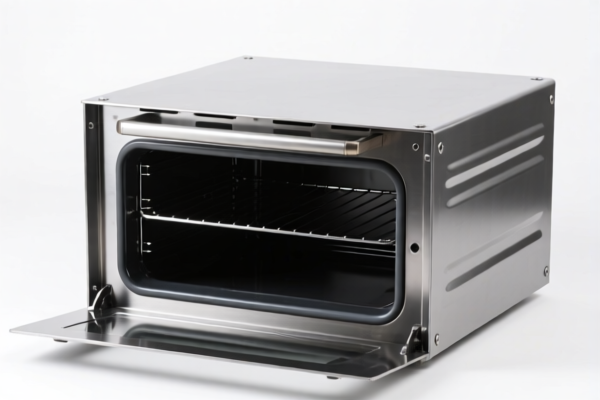
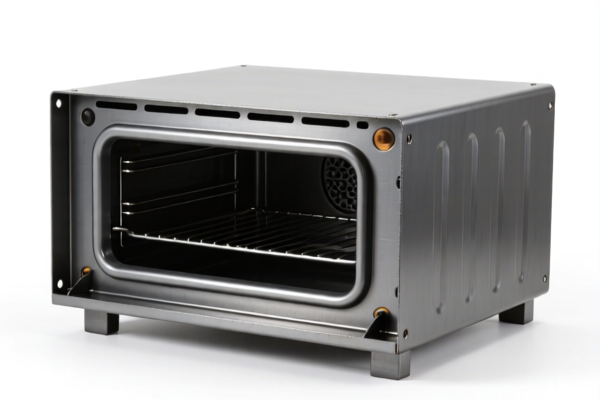
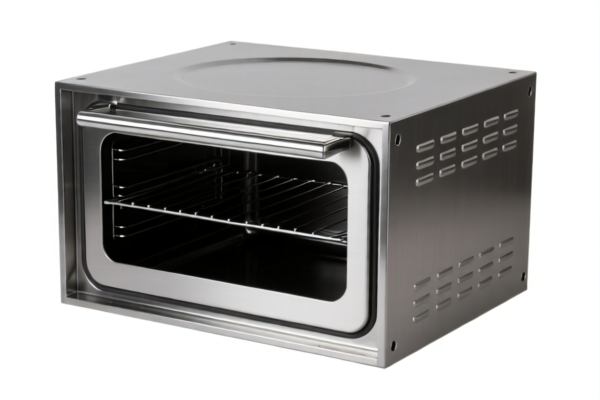
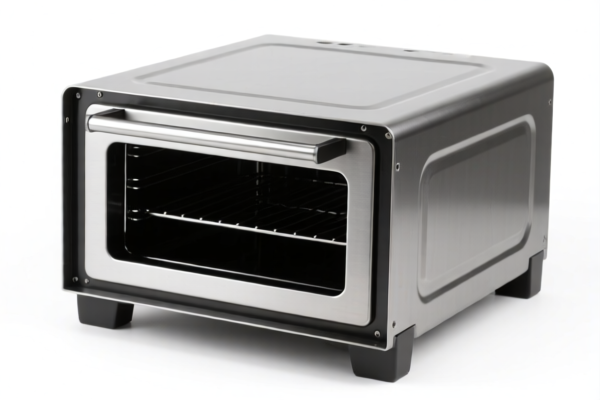
AI Analysis
🛡️ Metal Shell (Metal Enclosures & Casings)
🌐 HS Code Reference & Customs Clearance Guide | 2026 Latest Tariff Analysis | Professional Entry Strategy
📌 I. Product Definition & Classification: What Exactly is a "Metal Shell"?
A "Metal Shell" is a generic term used in international trade to describe metallic casings, enclosures, or structural covers. However, in customs classification, material composition and intended function are the two critical pillars for determining the correct HS Code.
The classification varies significantly based on whether the metal is Steel/Iron or Aluminum, and whether it is considered a part of a machine, a structural component, or a general accessory.
⚠️ Critical Distinction:
- Material Matters: Steel/Iron shells often face higher additional tariffs (Section 232) compared to Aluminum (Section 232) in specific contexts, or vice versa depending on the specific tariff article (e.g., Section 301 vs. Section 232).
- Function Matters: Is it a standalone decorative piece, a structural beam, or a protective cover for electronics? This determines if it falls under Chapter 73 (Iron/Steel), Chapter 76 (Aluminum), or Chapter 83 (General Metal Articles).
📦 II. HS Code Classification Details (2026 Latest Tariff Authority Cross-Reference)
Based on the provided data, here are the five potential HS Codes for "Metal Shell" products, categorized by material and specific use case.
| HS Code | Product Description | Application Scenario | Material |
|---|---|---|---|
7326.90.86.88 |
Other articles of iron or steel; parts/accessories of other articles | Parts/components of other manufactured goods | Iron/Steel |
7610.90.00.40 |
Aluminum structures and parts thereof; structural components for construction/decoration | Structural parts in construction or decoration projects | Aluminum |
8304.00.00.00 |
Files, rasps and the like; base plates, holders, stops, etc., of base metals; parts and accessories of articles of precious metals or plated with precious metals | Parts/components of general base metal articles (general category) | Base Metal (General) |
7326.90.10.00 |
Other articles of iron or steel; parts/accessories | Catch-all/General classification for iron/steel parts | Iron/Steel |
7610.90.00.80 |
Aluminum structures and parts thereof; other articles (shells, covers) | Aluminum structures, covers, and related components | Aluminum |
🔍 Key Insight:
- Iron/Steel Shells (7326series) are highly sensitive to Section 232 (Steel/Aluminum) and Section 301 tariffs, often resulting in the highest total tax burden.
- Aluminum Shells (7610series) also face significant tariffs but are classified under "Structures."
- General Base Metal (8304) offers the lowest tariff base, suggesting it may be classified as a minor accessory or generic part rather than a structural or specific industrial component.
💰 III. 2026 Latest Tariff Rate Breakdown (Including Additional Taxes & Policy Surcharges)
✅ Applicable Country: United States (US)
✅ Origin: China (CN)
✅ Effective Time: Current active rates (including Section 232 and Section 301)
🎯 1. 7326.90.86.88 —— Other Iron/Steel Articles (Parts/Components)
| Item | Details |
|---|---|
| Base Tariff | 2.9% |
| Section 301 Surcharge (Additional Tariff) | 25.0% |
| Section 232 Surcharge (Steel/Aluminum Articles) | 50.0% |
| Total Tax Rate | 87.9% |
| Tax Calculation | CIF Value × 87.9% |
| De Minimis Eligibility | ❌ Not Eligible (High tariff items are excluded from de minimis relief in many contexts) |
| Legal Basis Path | USITC:7326.90.86.88 → SEC301:Footnote 9903.88.01 → SEC232:Steel/Aluminum |
📌 Explanation:
- This code captures iron/steel parts that don’t fit more specific machinery categories.
- The 87.9% rate is punitive, combining the standard USITC rate, the 301 retaliatory tariff (25%), and the Section 232 national security tariff (50%).
- Risk: Extremely high cost. Suppliers must verify if the product truly qualifies for this "catch-all" or if a more specific machinery part code applies (which might have different rules).
🎯 2. 7610.90.00.40 —— Aluminum Structures (Structural Components)
| Item | Details |
|---|---|
| Base Tariff | 5.7% |
| Section 301 Surcharge (Additional Tariff) | 25.0% |
| Section 232 Surcharge (Steel/Aluminum Articles) | 50.0% |
| Total Tax Rate | 90.7% |
| Tax Calculation | CIF Value × 90.7% |
| De Minimis Eligibility | ❌ Not Eligible |
| Legal Basis Path | USITC:7610.90.00.40 → SEC301 → SEC232:Aluminum |
📌 Explanation:
- This code is for aluminum classified as structural components (e.g., beams, trusses, or construction-related parts).
- The 90.7% rate is the highest among all options due to the higher base tariff (5.7%) combined with the same 75% in additional surcharges (25% + 50%).
- Risk: Misclassifying a simple cover as a "structural component" can inadvertently trigger the highest tax bracket.
🎯 3. 8304.00.00.00 —— Other Base Metal Articles (General Parts/Components)
| Item | Details |
|---|---|
| Base Tariff | 3.9% |
| Section 301 Surcharge (Additional Tariff) | 0.0% |
| Section 232 Surcharge | N/A (Usually applies to specific steel/aluminum sections, not general Chapter 83 accessories) |
| Total Tax Rate | 13.9% |
| Tax Calculation | CIF Value × 13.9% |
| De Minimis Eligibility | ⚠️ Check Specifics (Lower rates may sometimes allow for different handling, but Section 301 exclusions apply to China origin for most goods) |
| Legal Basis Path | USITC:8304.00.00.00 |
📌 Explanation:
- This is the most cost-effective classification, with a total rate of 13.9%.
- It applies to "parts/components" of base metal articles that are not specifically covered under Chapter 73 or 76 structural rules.
- Strategy: If the "Metal Shell" is a small accessory, bracket, or non-structural cover, fighting for this classification can save 70-80% in tariffs. However, it requires strong justification that it is not a "structural article" or "steel/steel part" under Ch 73/76.
🎯 4. 7326.90.10.00 —— Other Iron/Steel Articles (Catch-All/Parts)
| Item | Details |
|---|---|
| Base Tariff | 0.0% |
| Section 301 Surcharge (Additional Tariff) | 25.0% |
| Section 232 Surcharge (Steel/Aluminum Articles) | 50.0% |
| Total Tax Rate | 85.0% |
| Tax Calculation | CIF Value × 85.0% |
| De Minimis Eligibility | ❌ Not Eligible |
| Legal Basis Path | USITC:7326.90.10.00 → SEC301 → SEC232 |
📌 Explanation:
- A "catch-all" for iron/steel parts with 0% base tariff.
- However, the 75% surcharges (25% + 50%) still apply, leading to a total of 85.0%.
- Comparison: Slightly better than7326.90.86.88(87.9%) due to the 0% base rate, but still prohibitively expensive.
🎯 5. 7610.90.00.80 —— Aluminum Structures (Other/Shell/Cover)
| Item | Details |
|---|---|
| Base Tariff | 5.7% |
| Section 301 Surcharge (Additional Tariff) | 25.0% |
| Section 232 Surcharge (Steel/Aluminum Articles) | 50.0% |
| Total Tax Rate | 90.7% |
| Tax Calculation | CIF Value × 90.7% |
| De Minimis Eligibility | ❌ Not Eligible |
| Legal Basis Path | USITC:7610.90.00.80 → SEC301 → SEC232 |
📌 Explanation:
- Similar to7610.90.00.40, this covers aluminum shells/covers.
- Total Rate: 90.7%.
- Note: There is no tariff advantage over the structural component code for aluminum. Both face the same high surcharges.
🛠️ IV. Customs Clearance Practical Advice (Avoiding Pitfalls)
✅ 1. Preparation Checklist (Mandatory)
| Document | Required | Notes |
|---|---|---|
| ✅ Material Certificate | ✔️ | Must specify exact alloy (e.g., SS304, Aluminum 6061). Critical for Section 232 applicability. |
| ✅ Technical Drawing | ✔️ | Shows if it is structural (load-bearing) vs. non-structural (cover/enclosure). |
| ✅ Product Photos | ✔️ | Clear images of the shell, including any mounting holes, branding, and interfaces. |
| ✅ Bill of Materials (BOM) | ✔️ | Detailed breakdown of components to justify "Parts" vs. "Structure." |
| ✅ Commercial Invoice | ✔️ | Accurate description: "Metal Enclosure for [Device]," not just "Metal Shell." |
| ✅ Country of Origin | ✔️ | Must be marked as "Made in China" if applicable. |
✅ 2. Declaration Strategy (Key Mantras)
🔥 “Material First, Function Second, Avoid ‘Structure’ if Possible!”
| Scenario | Correct Declaration | Wrong Declaration | Consequence |
|---|---|---|---|
| Iron/Steel Cover | 7326.90.86.88 or 7326.90.10.00 |
"Steel Part" (Vague) | High Tariff (85-88%) |
| Aluminum Cover | 7610.90.00.80 |
"Aluminum Box" | High Tariff (90.7%) |
| Small Metal Bracket/Accessory | 8304.00.00.00 |
"Steel Part" | Low Tariff (13.9%) |
| Structural Aluminum Beam | 7610.90.00.40 |
"Aluminum Shell" | High Tariff (90.7%) |
📌 Critical Tip:
- If the metal shell is small, non-load-bearing, and clearly an accessory to a larger machine (e.g., a computer case, a small instrument cover), argue for8304.00.00.00. This can reduce tariffs from ~90% to ~14%.
- If it is a large panel, frame, or construction element, it will likely be classified under7326or7610, incurring high tariffs.
✅ 3. Special Circumstances
| Situation | Handling Advice |
|---|---|
| OEM Custom Shells | Provide the final product’s specification sheet to prove it is a "part" of a specific machine, not a standalone "structural article." |
| Mixed Materials | If the shell is steel with aluminum trim, the principal material determines the chapter. Usually, the base material (steel) dictates the classification. |
| Section 232 Exclusions | Check if your specific product type has a Section 232 exclusion. Some specific steel/aluminum products were excluded from the 10%/25% tariffs (note: the data shows 50% for 232, which may reflect updated or specific product rules). Verify current exclusion lists. |
| De Minimis ($800) | Due to the high additional tariffs (25% + 50%), de minimis relief is generally denied for these HS codes from China. Do not attempt to ship via low-value couriers to avoid tariffs; it will likely be seized or reassessed. |
🌍 V. Global Market Comparison (2026 Latest)
| Country/Region | Recommended HS Code | Approx. Tariff (China Origin) | Certification | Notes |
|---|---|---|---|---|
| 🇺🇸 USA | 8304.00.00.00 (if eligible) |
13.9% | None Specific | If misclassified as Steel/Aluminum: 85-91% |
| 🇺🇸 USA | 7326/7610 |
85-91% | None Specific | High penalty for "Structural" or "Steel/Al" parts |
| 🇨🇳 China | 7326/7610 |
~5-10% | CCC (if electrical) | No Section 232/301 in China |
| 🇪🇺 EU | 7326/7610 |
~2-4% | CE, RoHS | No Section 232 equivalent; lower tariffs |
| 🇬🇧 UK | 7326/7610 |
~2-4% | UKCA | Post-Brexit tariffs generally favorable |
📌 Conclusion:
- The US market is the most challenging for metal shells due to Section 232 and Section 301 tariffs.
- European and Asian markets are significantly more favorable.
- Strategic Advice: If targeting the US, invest in engineering documentation to support classification under8304.00.00.00(General Parts) to avoid the ~90% tax wall.
📌 VI. Common Mistakes & Pitfalls (Lessons Learned)
❌ Mistake 1: Calling a "Steel Bracket" a "Metal Part" without specifying material.
👉 Result: Customs may assume Steel → Apply 7326 tariffs (85%+).
Fix: Always specify "Stainless Steel" or "Aluminum Alloy" in the description.
❌ Mistake 2: Classifying a small decorative metal cover as a "Structural Aluminum Component."
👉 Result: Trigger 7610.90.00.40 (90.7%) instead of 8304 (13.9%).
Fix: Emphasize "Non-Structural," "Decorative," or "Accessory" in the technical description.
❌ Mistake 3: Ignoring Section 232 applicability.
👉 Result: Assuming only Section 301 (25%) applies.
Fix: Check if the product falls under Section 232 (Steel/Aluminum). If yes, the 50% surcharge is likely added.
✅ Correct Declaration Example:
"Aluminum Alloy Accessory Cover, Non-Structural, for Use with Industrial Control Panel, Model XYZ, Made in China"
(Aiming for8304.00.00.00if possible, or7610.90.00.80if structural)
🎯 VII. Conclusion: Precise Classification Saves Millions!
🎯 Remember:
🔹 "Steel/Aluminum? Expect 50% Extra!" (Section 232)
🔹 "Structure? Expect 90% Total!"
🔹 "Accessory/Part? Fight for 14%!" (Section 8304)🔹 "HS Code is King, Tax is Queen, Misclassification is Death!"
📌 Pro Tip:
If your product is an aluminum shell, verify if it can be classified as a part of a specific machine (e.g., 8471 or 8543 parts) rather than a generic "structure." Parts of machines often have lower base tariffs and may be exempt from Section 232 or have different Section 301 applicability.
📣 Immediate Action:
📞 Consult a Customs Broker + Submit Advance Ruling Request for
8304.00.00.00classification.
🚀 Save 70-80% in Taxes by getting the definition right!
✨ Professional Clearance Starts with Accurate Classification!
💼 Your Profit Margin Depends on Your HS Code!
Customer Reviews
About HS Code Classification
The Harmonized System (HS) is an internationally standardized nomenclature developed by the World Customs Organization (WCO) to classify traded products. Over 200 countries use the HS system as the basis for customs tariffs, trade statistics, and import/export regulations.
Each HS code follows a hierarchical structure:
- Chapter (2 digits) — Broad category of goods (e.g., Chapter 84: Machinery and Mechanical Appliances)
- Heading (4 digits) — More specific grouping within the chapter
- Subheading (6 digits) — Internationally standardized breakdown, used by all WCO member countries
- National subdivisions (8-10 digits) — Country-specific extensions for further classification, such as US HTSUS 10-digit codes
Correct HS code classification is essential for smooth customs clearance, accurate duty payment, and compliance with trade regulations. Misclassification can lead to customs delays, overpayment of duties, or penalties.
When importing from CN to US, the applicable tariff rates may include:
- Most-Favored-Nation (MFN) rate — The standard duty rate applied to WTO members
- General rate — Applied to countries without trade agreements
- Trade remedy duties — Additional tariffs such as Section 301 (anti-dumping), Section 232 (national security), or countervailing duties
The information provided on this page is for reference purposes only. For official classification, please consult with your local customs authority or a licensed customs broker.