Metal Spinning Top
CN → US| HS Code | Tariff Rate | Origin | Destination | Doc |
|---|---|---|---|---|
| 7326908688 | 87.9% | CN | US | Official Doc |
| 8483905080 | 37.5% | CN | US | Official Doc |
| 8108903030 | 40.5% | CN | US | Official Doc |
| 7326190080 | 87.9% | CN | US | Official Doc |
| 8483409000 | 37.5% | CN | US | Official Doc |
Product Images
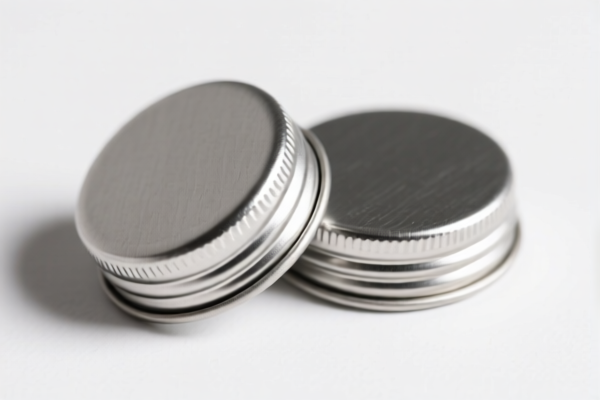
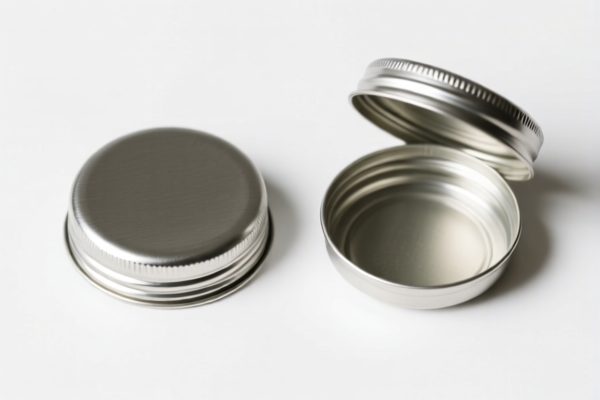
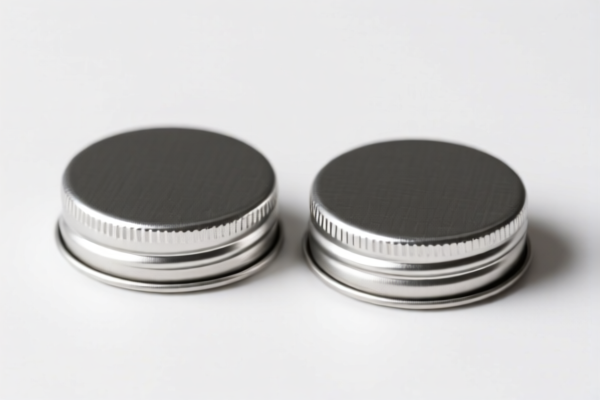
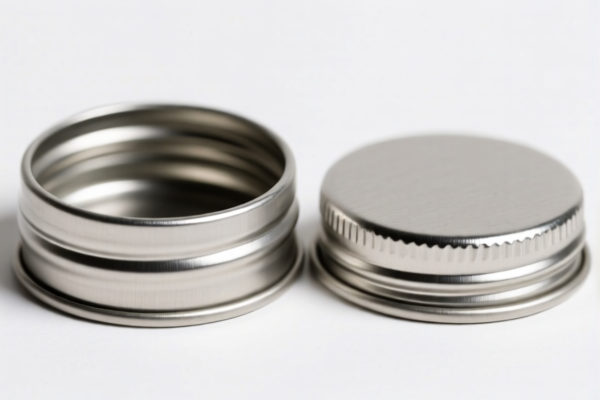
AI Analysis
🌀 Metal Spinning Top (Toy/Mechanical Device)
🌐 HS Code Reference & Customs Clearance Guide | 2026 Latest Tariff Analysis | Professional Clearance Strategy
📌 I. Product Definition & Classification: What is a "Metal Spinning Top"?
A Metal Spinning Top is typically a mechanical toy or kinetic device consisting of a metallic body (often made of steel, titanium, or alloy) that spins around a single point. In international trade, classification depends heavily on material composition and intended use (toy vs. mechanical transmission component).
⚠️ Key Distinction:
- If it is a toy/knuckle-top intended for children or hobbyists → It falls under Chapter 95 (Toys) or Chapter 73 (Articles of Iron/Steel) depending on specific design, but often classified as a general article if not strictly a "toy" under HTSUS definitions.
- If it is a mechanical part (e.g., a gyroscope component, transmission gear, or industrial spinner) → It falls under Chapter 84 (Machinery) or Chapter 73/81 (Metals).
- CRITICAL NOTE: The provided<DATA>restricts classification to metallic articles/gears, implying this is treated as a metal article or mechanical component, NOT a plastic toy.
📦 II. HS Code Classification Details (Based on Provided Data)
| HS Code | Product Description | Material | Tax Rate | Legal Basis/Details |
|---|---|---|---|---|
7326.90.86.88 |
Metal Gear/Article, Material: Metal/Steel, Form: Other Metal Articles | Steel/Alloy | 87.9% | Base 2.9% + Section 232 Steel Tariff 50% + Section 301 25% + Section 122 10% |
8483.90.50.80 |
Metal Gear/Transmission Component, Material: Metal, Use: Transmission Part | Metal | 37.5% | Base 2.5% + Section 301 25% + Section 122 10% |
8108.90.30.30 |
Titanium Article, Material: Titanium, Form: Other Titanium Articles | Titanium | 40.5% | Base 5.5% + Section 301 25% + Section 122 10% |
7326.19.00.80 |
Steel Article, Material: Iron/Steel, Form: Other Steel Articles | Iron/Steel | 87.9% | Base 2.9% + Section 232 Steel Tariff 50% + Section 301 25% + Section 122 10% |
8483.40.90.00 |
Gear & Gear Train, Material: Metal, Use: Gears/Transmission | Metal | 37.5% | Base 2.5% + Section 301 25% + Section 122 10% |
🔍 Analysis:
- Steel/Alloy Tops: If the top is primarily steel, it faces the highest tax (87.9%) due to the Section 232 Steel Tariff (50%) in addition to Section 301 and 122.
- Titanium Tops: If made of titanium, it is classified under Chapter 81, with a 40.5% total tax.
- Mechanical Components: If classified as a gear or transmission part (Chapter 84), the tax is lower (37.5%) because it avoids the Section 232 steel-specific surcharge.
💰 III. 2026 Tariff Rate Breakdown (Detailed)
✅ Applicable Country: United States (US)
✅ Origin: China (CN)
✅ Effective Date: 2025/2026 (Current Trade War Policies)
🎯 1. 7326.90.86.88 & 7326.19.00.80 —— Steel/Iron Metal Articles (Highest Risk)
| Item | Detail |
|---|---|
| Base Tariff | 2.9% (ad valorem) |
| Section 232 Tariff | +50% (Due to Steel/Aluminum provisions) |
| Section 301 Tariff | +25% (US-China Trade War) |
| Section 122 Tariff | +10% (Specific metal product surcharge) |
| Total Tax Rate | 87.9% |
| De Minimis Eligibility | ❌ No (Deny de minimis) |
| Legal Path | USITC:7326.90.86.88 → FOOTNOTE:232 → IEEPA:9903.01.25 |
📌 Explanation:
- The 50% Section 232 tariff is the key driver here, applying to steel products.
- Even if the top is a "toy," if it is made of steel and classified as an "article of iron or steel," it incurs this heavy burden.
- Total 87.9% is extremely high, often exceeding the product's value.
🎯 2. 8483.90.50.80 & 8483.40.90.00 —— Mechanical Transmission Parts/Gears
| Item | Detail |
|---|---|
| Base Tariff | 2.5% (ad valorem) |
| Section 301 Tariff | +25% |
| Section 122 Tariff | +10% |
| Total Tax Rate | 37.5% |
| De Minimis Eligibility | ❌ No (Deny de minimis) |
| Legal Path | USITC:8483.40.90.00 → IEEPA:9903.01.25 → IEEPA:9903.01.24 |
📌 Explanation:
- These HS codes classify the top as a gear or transmission component.
- No Section 232 steel tariff applies here, significantly reducing the rate to 37.5%.
- Strategy: If the spinning top can be justified as a mechanical part (e.g., for industrial testing, precision engineering) rather than a toy, this classification is far more cost-effective.
🎯 3. 8108.90.30.30 —— Titanium Articles
| Item | Detail |
|---|---|
| Base Tariff | 5.5% (ad valorem) |
| Section 301 Tariff | +25% |
| Section 122 Tariff | +10% |
| Total Tax Rate | 40.5% |
| De Minimis Eligibility | ❌ No (Deny de minimis) |
| Legal Path | USITC:8108.90.30.30 → IEEPA:9903.01.25 |
📌 Explanation:
- Titanium is not subject to the Section 232 steel tariff.
- Rate is 40.5%, which is lower than steel but higher than mechanical gears.
🛠️ IV. Customs Clearance Practical Advice (Avoiding Pitfalls)
✅ 1. Documentation Checklist (Mandatory)
| Document | Required | Purpose |
|---|---|---|
| Product Spec Sheet | ✔️ | Detail material (Steel/Titanium/Alloy), weight, dimensions |
| Function Description | ✔️ | Is it a toy (Chapter 95) or a mechanical part (Chapter 84/73)? Note: Data restricts to metal articles/gears. |
| Material Certificates | ✔️ | Proof of titanium or steel composition |
| Commercial Invoice | ✔️ | Clearly state "Metal Spinning Top" and correct HS Code |
| Packing List | ✔️ | Include all components (axis, counterweights, etc.) |
| Photos | ✔️ | Clear images of the top, showing material and structure |
✅ 2. Classification Strategy (Key for Tax Optimization)
| Scenario | Recommended HS Code | Tax Rate | Why? |
|---|---|---|---|
| Steel Top (Toy/Decor) | 7326.90.86.88 |
87.9% | Highest risk due to Section 232 Steel Tariff. |
| Steel Top (Mechanical Part) | 8483.40.90.00 |
37.5% | Avoids Section 232; classified as gear/transmission. |
| Titanium Top | 8108.90.30.30 |
40.5% | No Section 232; lower base tariff than steel. |
🔥 Pro Tip:
- If the product is a precision engineering component (e.g., a gyroscope rotor), use8483.40.90.00to save 50.4% in taxes compared to steel article classification.
- Do not label it as a "Toy" if you want to avoid Chapter 95 complexities, but ensure it fits the mechanical definition for Chapter 84.
✅ 3. Common Mistakes & Penalties
❌ Mistake 1: Classifying a steel spinning top as a generic "metal article" (7326.90.86.88) without justifying it as a mechanical part.
👉 Result: 87.9% tax → Massive cost increase.
❌ Mistake 2: Misdeclaring material (e.g., claiming titanium but shipping steel).
👉 Result: Fraud penalties, seizure, and back taxes.
❌ Mistake 3: Ignoring Section 122 and 301 tariffs.
👉 Result: Underpayment, leading to audits and fines.
✅ Correct Action:
"Metal Spinning Top, Titanium Alloy, Precision Rotational Component for Industrial Testing, Model XYZ"
→ Use8108.90.30.30(40.5%) or8483.40.90.00(37.5%) if mechanically justified.
🌍 V. Global Market Comparison (2026)
| Country/Region | Recommended HS Code | Tariff (China Origin) | Notes |
|---|---|---|---|
| 🇺🇸 USA | 8483.40.90.00 |
37.5% | Avoid steel classification (7326) if possible due to 50% Section 232. |
| 🇨🇳 China | 8483.40.90.00 |
2.5% | Low import tariff; no Section 301/232. |
| 🇪🇺 EU | 8483.40.90.00 |
0-4% | No Section 301/232 equivalents; CE certification required. |
| 🇬🇧 UK | 8483.40.90.00 |
0-5% | Post-Brexit tariffs may vary; check UK Tariff. |
📌 Conclusion:
- USA is the most challenging market due to layered tariffs (Section 301 + 232 + 122).
- Strategic Classification is critical: Choose Chapter 84 (Mechanical Parts) over Chapter 73 (Steel Articles) to avoid the 50% Section 232 tariff.
📌 VI. Final Recommendations
- Material Optimization: If cost is a concern, consider Titanium (
8108.90.30.30, 40.5%) over Steel (7326.90.86.88, 87.9%) if the application allows. - Functional Justification: Frame the product as a mechanical component (gear/rotor) to use
8483.40.90.00(37.5%), avoiding the steel-specific surcharges. - Pre-Clearance: Apply for an Advance Ruling from US Customs (CBP) to confirm the HS Code and avoid disputes.
- Documentation: Ensure all paperwork explicitly states the material composition and mechanical function to support the chosen HS Code.
🎯 Remember:
🔹 "Steel Tops are Expensive (87.9%), Mechanical Parts are Cheaper (37.5%), Titanium is Middle Ground (40.5%)."
🔹 "Classify as Gear/Part, Not Steel Article, to Save $50 on Every $100."
📣 Immediate Action:
📞 Consult with a customs broker to confirm if your spinning top qualifies as a "transmission component" under
8483.40.90.00.
📝 Update product descriptions to emphasize mechanical/precision attributes over toy/decorative ones.
✨ Professional Clearance, Precision Classification, Maximum Savings!
💼 Your Bottom Line Depends on Your HS Code!
Customer Reviews
About HS Code Classification
The Harmonized System (HS) is an internationally standardized nomenclature developed by the World Customs Organization (WCO) to classify traded products. Over 200 countries use the HS system as the basis for customs tariffs, trade statistics, and import/export regulations.
Each HS code follows a hierarchical structure:
- Chapter (2 digits) — Broad category of goods (e.g., Chapter 84: Machinery and Mechanical Appliances)
- Heading (4 digits) — More specific grouping within the chapter
- Subheading (6 digits) — Internationally standardized breakdown, used by all WCO member countries
- National subdivisions (8-10 digits) — Country-specific extensions for further classification, such as US HTSUS 10-digit codes
Correct HS code classification is essential for smooth customs clearance, accurate duty payment, and compliance with trade regulations. Misclassification can lead to customs delays, overpayment of duties, or penalties.
When importing from CN to US, the applicable tariff rates may include:
- Most-Favored-Nation (MFN) rate — The standard duty rate applied to WTO members
- General rate — Applied to countries without trade agreements
- Trade remedy duties — Additional tariffs such as Section 301 (anti-dumping), Section 232 (national security), or countervailing duties
The information provided on this page is for reference purposes only. For official classification, please consult with your local customs authority or a licensed customs broker.