Metal Structural Components
CN → US| HS Code | Tariff Rate | Origin | Destination | Doc |
|---|---|---|---|---|
| 7308909590 | 85.0% | CN | US | Official Doc |
| 8308100000 | 0.0% | CN | US | Official Doc |
| 7318220000 | 85.0% | CN | US | Official Doc |
| 7308906000 | 85.0% | CN | US | Official Doc |
| 7318290000 | 87.8% | CN | US | Official Doc |
Product Images
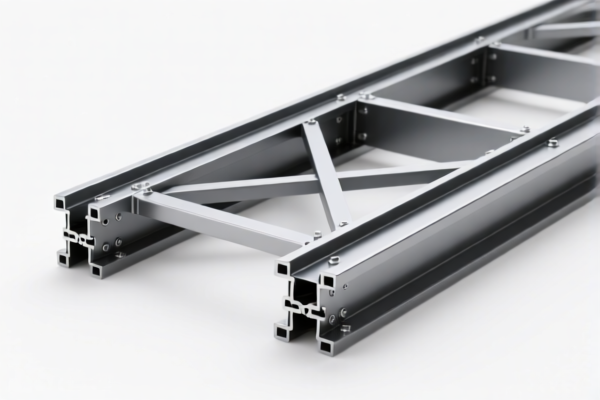
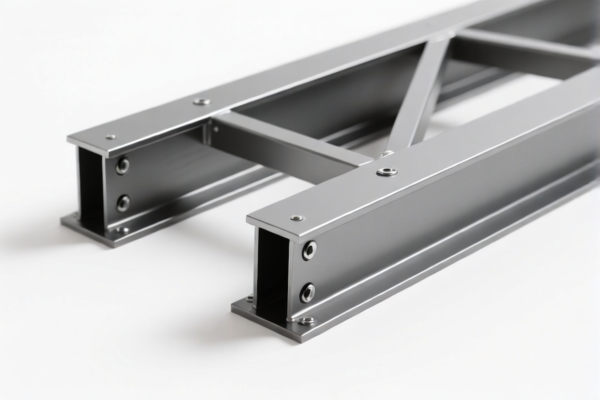
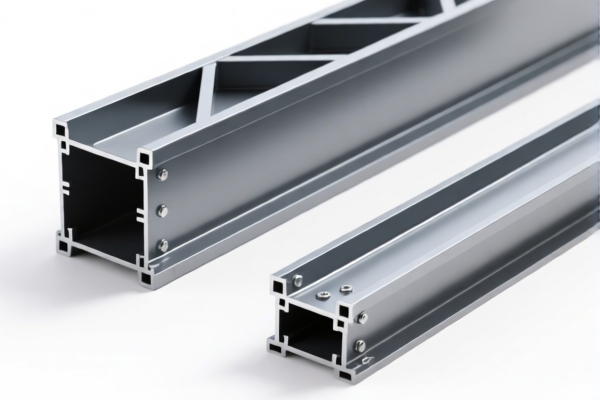
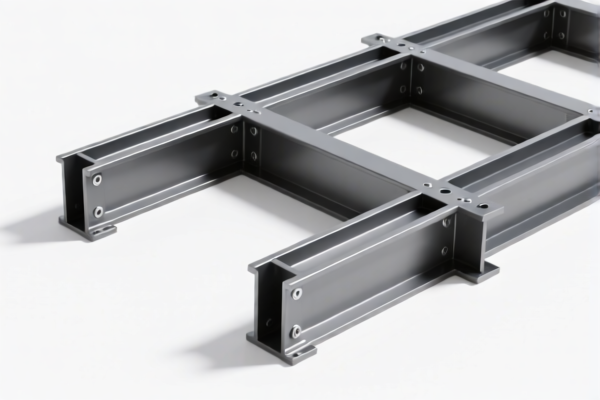
AI Analysis
🔩 Metal Structural Components (Metal Connecting Elements & Fasteners)
🌐 HS Code Reference & Customs Clearance Guide | 2026 Latest Tariff Analysis | Professional Strategy for Steel & Iron Fasteners
📌 I. Product Definition & Classification: What Are "Metal Structural Components"?
In international trade, "Metal Structural Components" is a broad umbrella term. However, US Customs and Border Protection (CBP) strictly categorizes these based on material (Iron/Steel vs. Other Base Metals), function (Structural Units vs. Fasteners), and form (Threaded vs. Non-threaded).
Misclassification is critical here. If you declare a steel bolt as a "general metal part," you risk 85%+ tariffs. If you declare a structural steel beam as a "fastener," you may face inspection delays.
⚠️ Key Distinction Rules:
- Steel/Iron Structural Parts (Beams, Columns, Brackets): Generally fall under Chapter 73 (Iron/Steel Articles), specifically 7308.
- Steel/Iron Fasteners (Bolts, Nuts, Washers): Generally fall under Chapter 73 (Iron/Steel Articles), specifically 7318.
- Non-Steel Base Metal Fittings (Zinc, Aluminum, Copper fittings used as hooks/eyes): Fall under Chapter 83 (Base Metal Articles), specifically 8308.
📦 II. HS Code Classification Matrix (2026 Authorized Data)
Based on the provided dataset, here are the precise HS Codes for Metal Structural Components made of Iron, Steel, or Base Metals.
| HS Code | Product Summary | Material | Function/Type | Total Tax Rate |
|---|---|---|---|---|
7308.90.95.90 |
Metal connecting elements, structural parts | Iron/Steel | Structural Components | 85.0% |
8308.10.00.00 |
Metal connecting elements (hooks, eyes, etc.) | Other Base Metals | Fasteners/Hardware | 1.1¢/kg + 2.9% + 35.0% |
7318.22.00.00 |
Metal connecting elements (non-threaded) | Iron/Steel | Non-threaded Fasteners | 85.0% |
7308.90.60.00 |
Metal connecting elements, structural unit parts | Iron/Steel | Structural Unit Parts | 85.0% |
7318.29.00.00 |
Metal connecting elements (other fasteners) | Iron/Steel | Other Fasteners | 87.8% |
🔍 Analysis:
- Chapter 73 (Iron/Steel) items (7308...and7318...) are heavily targeted by US trade remedies, resulting in 85% - 87.8% total tax rates.
- Chapter 83 (Other Base Metals) item (8308...) has a significantly lower base rate but includes a specific per-kg duty and significant add-ons, totaling ~35% + specific duties.
- Crucial Note: The term "Structural Components" in the dataset maps primarily to 7308, which carries the highest punitive tariffs.
💰 III. 2026 Latest Tariff Breakdown (Detailed Tax Clauses)
✅ Jurisdiction: United States (US)
✅ Origin: China (CN) (Assumed based on "122 Clause" and typical trade context)
✅ Applicable Date: Current Active Rates
🎯 1. Iron & Steel Structural Parts (7308.90.95.90 & 7308.90.60.00)
These codes cover structural units, frames, and brackets made of iron/steel.
| Tax Component | Rate | Source/Legal Basis |
|---|---|---|
| Basic Duty | 0.0% | Standard MFN Rate |
| Section 301 / Retaliatory Duty | 25.0% | Trade Remedy on Steel/Manufactured Goods |
| Section 232 / "122 Clause" | 50.0% | Steel, Aluminum, and Copper Products (122 Clause) |
| TOTAL EFFECTIVE RATE | 85.0% |
📌 Explanation:
- The 0% basic duty is misleading; the effective cost is driven entirely by punitive tariffs.
- The 50% Section 232 tariff applies specifically to steel products.
- The 25% additional tariff applies to general steel/industrial components.
- Result: 85% total tax. This is a prohibitive tariff level. Importers must calculate if the value-add justifies this cost.
🎯 2. Iron & Steel Non-Threaded Fasteners (7318.22.00.00)
Covers cotter pins, split pins, and other non-threaded steel fasteners.
| Tax Component | Rate | Source/Legal Basis |
|---|---|---|
| Basic Duty | 0.0% | Standard MFN Rate |
| Section 301 / Retaliatory Duty | 25.0% | Trade Remedy |
| Section 232 / "122 Clause" | 50.0% | Steel Products |
| TOTAL EFFECTIVE RATE | 85.0% |
📌 Explanation:
- Same tax structure as structural parts. The material (Steel) dictates the 50% Section 232 duty regardless of whether it is a "part" or a "fastener."
🎯 3. Iron & Steel Other Fasteners (7318.29.00.00)
Covers screws, bolts, nuts, washers, and rivets (threaded or otherwise, not covered in 7318.22).
| Tax Component | Rate | Source/Legal Basis |
|---|---|---|
| Basic Duty | 2.8% | Standard MFN Rate |
| Section 301 / Retaliatory Duty | 25.0% | Trade Remedy |
| Section 232 / "122 Clause" | 50.0% | Steel Products |
| TOTAL EFFECTIVE RATE | 87.8% |
📌 Explanation:
- Unlike structural parts, these have a 2.8% basic duty.
- Add punitive taxes (25% + 50%) → 87.8%.
- Highest Tax Bracket: This is the most expensive classification in the dataset.
🎯 4. Base Metal Fittings - Hooks/Eyes (8308.10.00.00)
Covers hooks, eyes, and similar fittings made of base metals other than iron/steel (e.g., zinc, aluminum, copper alloys).
| Tax Component | Rate | Source/Legal Basis |
|---|---|---|
| Specific Duty | 1.1¢ / kg | Specific Rate |
| Ad Valorem Basic Duty | 2.9% | Standard MFN Rate |
| Section 301 / Retaliatory Duty | 25.0% | Trade Remedy |
| TOTAL EFFECTIVE RATE | ~35.0% + 1.1¢/kg |
📌 Explanation:
- Material is Key: This code is for Non-Steel base metals.
- No Section 232 Duty: Since it is not "Steel" or "Aluminum" (pure), the 50% Section 232 duty does not apply.
- Significant Savings: Compared to 85-87.8%, this ~35% + specific duty is a much more manageable cost structure, provided the material is correctly declared as non-steel.
🛠️ IV. Customs Clearance Practical Advice (Risk Mitigation)
✅ 1. Material Declaration is Critical
The difference between 85% tax and 35% tax is often just the material composition.
- If the item is Steel: You are stuck with 85-87.8%.
- If the item is Zinc, Aluminum, or Copper Alloy: You may qualify for 8308.10.00.00 (~35%), saving ~50% in taxes.
- Action: Provide mill certificates or material test reports to prove the material is not iron/steel if claiming Chapter 83.
✅ 2. Structural vs. Fastener Distinction
- Structural Parts (
7308): Beams, columns, load-bearing brackets. - Fasteners (
7318): Items used to join structural parts (bolts, pins). - Risk: Misdeclaring a bolt as a "structural part" or vice versa leads to CBP audits. Ensure the product description matches the function:
- ✅ Correct: "Steel Bolts, Grade 8, Non-Threaded" →
7318.22 - ✅ Correct: "Steel Support Bracket" →
7308.90
- ✅ Correct: "Steel Bolts, Grade 8, Non-Threaded" →
✅ 3. Documentation Checklist
| Document | Requirement | Why? |
|---|---|---|
| Bill of Lading / Commercial Invoice | Must specify Material (e.g., "Carbon Steel", "Zinc Alloy") | Determines Chapter 73 vs. 83 |
| Product Specifications | Detail dimensions, load capacity, threading status | Distinguishes 7308 (Structural) from 7318 (Fastener) |
| HS Code Pre-Ruling | Highly Recommended | Given the 85%+ rates, an Advance Ruling from CBP protects against surprise duties |
| Certificate of Origin | Must state Country of Origin (China) | Triggers the 122 Clause and 301 tariffs |
✅ 4. Special "122 Clause" Warning
- The 50% Section 232 Tariff applies to Steel, Aluminum, and Copper products.
- If your "Metal Structural Component" contains steel, expect this 50% hit.
- Exemptions: Very limited for China-origin steel. Ensure you are not importing "Steel" disguised as "Base Metal" if it fails chemical analysis.
🌍 V. Cost Comparison Summary
| HS Code | Description | Material | Total Tax Rate | Verdict |
|---|---|---|---|---|
7308.90.95.90 |
Structural Parts | Steel | 85.0% | 🚫 Prohibitive |
7318.22.00.00 |
Non-Threaded Fasteners | Steel | 85.0% | 🚫 Prohibitive |
7308.90.60.00 |
Structural Units | Steel | 85.0% | 🚫 Prohibitive |
7318.29.00.00 |
Other Fasteners | Steel | 87.8% | 🔴 Highest Cost |
8308.10.00.00 |
Hooks/Eyes (Fittings) | Other Base Metal | ~35.0% + 1.1¢/kg | ✅ Best Option (If material allows) |
📌 Conclusion:
- Steel structural components and fasteners are extremely expensive to import into the US from China due to Section 232 (50%) and Section 301 (25%) tariffs.
- Strategy: If possible, redesign components using Non-Steel Base Metals (e.g., Zinc-plated steel vs. Pure Zinc fittings, or Aluminum) to utilize HS Code 8308.10.00.00 and reduce tax liability by ~50 percentage points.
📌 VI. Common Mistakes & Pitfalls
❌ Mistake 1: Declaring a Steel Bracket as "Base Metal Fitting"
👉 Consequence: CBP detects steel content → Re-categorize to 7308 → 85% Tax + Penalties.
❌ Mistake 2: Ignoring the "122 Clause" for Steel
👉 Consequence: Underpaying 50% duty → Back-taxes + Interest upon audit.
❌ Mistake 3: Combining Steel Fasteners and Structural Parts in One Entry Without Separation
👉 Consequence: CBP may apply the highest rate (87.8%) to the entire shipment if classification is ambiguous.
✅ Best Practice:
Precise Material Declaration + Functional Description + Advance Ruling = Compliance & Cost Control.
🎯 VII. Final Recommendation
- Verify Material: Is it truly Steel? If yes, expect 85-87.8% tax.
- Explore Alternatives: Can the component be made from Aluminum or Zinc Alloy? If yes, use
8308.10.00.00to save ~50%. - Consult a Customs Broker: Given the complexity of Section 232 and 301 duties, professional classification is not optional—it is essential for financial survival.
✨ Professional Clearance, Precision Classification!
💼 Your Profit Margin Depends on Your HS Code!
Customer Reviews
About HS Code Classification
The Harmonized System (HS) is an internationally standardized nomenclature developed by the World Customs Organization (WCO) to classify traded products. Over 200 countries use the HS system as the basis for customs tariffs, trade statistics, and import/export regulations.
Each HS code follows a hierarchical structure:
- Chapter (2 digits) — Broad category of goods (e.g., Chapter 84: Machinery and Mechanical Appliances)
- Heading (4 digits) — More specific grouping within the chapter
- Subheading (6 digits) — Internationally standardized breakdown, used by all WCO member countries
- National subdivisions (8-10 digits) — Country-specific extensions for further classification, such as US HTSUS 10-digit codes
Correct HS code classification is essential for smooth customs clearance, accurate duty payment, and compliance with trade regulations. Misclassification can lead to customs delays, overpayment of duties, or penalties.
When importing from CN to US, the applicable tariff rates may include:
- Most-Favored-Nation (MFN) rate — The standard duty rate applied to WTO members
- General rate — Applied to countries without trade agreements
- Trade remedy duties — Additional tariffs such as Section 301 (anti-dumping), Section 232 (national security), or countervailing duties
The information provided on this page is for reference purposes only. For official classification, please consult with your local customs authority or a licensed customs broker.