Metal Suitcase
CN → US| HS Code | Tariff Rate | Origin | Destination | Doc |
|---|---|---|---|---|
| 7611000090 | 37.6% | CN | US | Official Doc |
| 7611000030 | 37.6% | CN | US | Official Doc |
| 7309000030 | 85.0% | CN | US | Official Doc |
| 7310290065 | 85.0% | CN | US | Official Doc |
| 7310100090 | 85.0% | CN | US | Official Doc |
Product Images
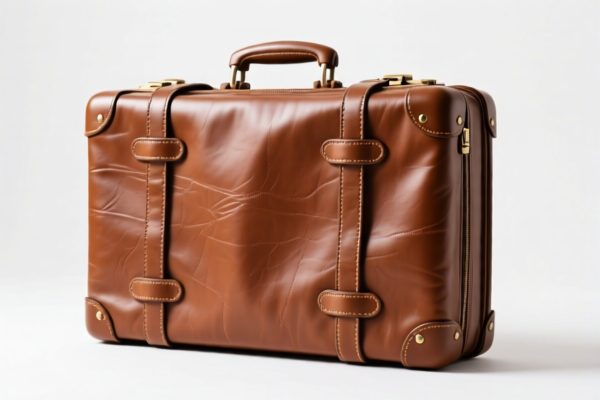
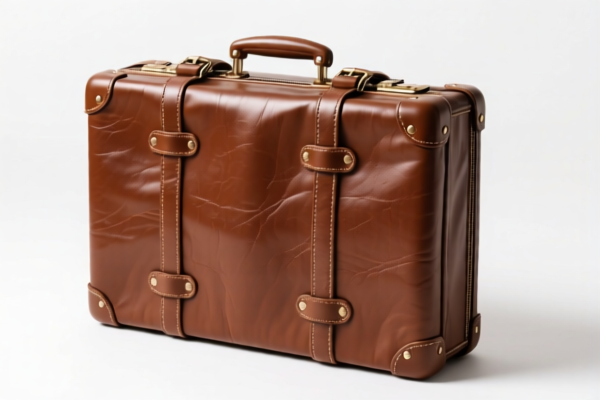
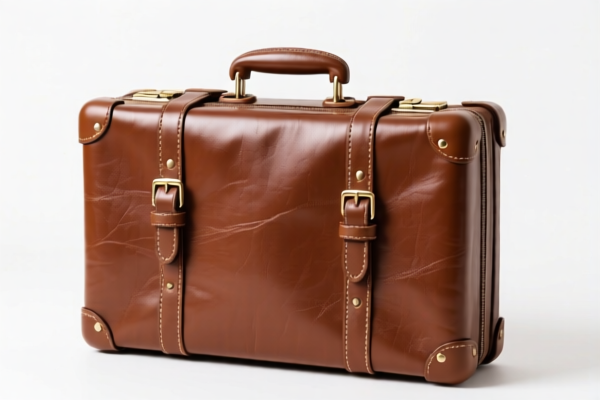
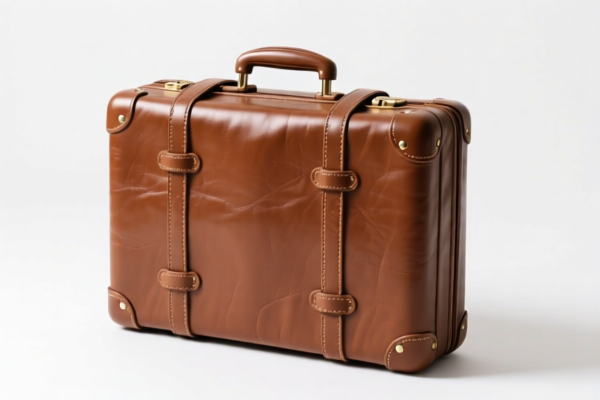
AI Analysis
🧳 Metal Suitcase (Metal Containers/Boxes)
🌐 HS Code Reference & Customs Clearance Guide | 2026 Latest Tariff Analysis | Professional Entry Strategy
📌 I. Product Definition & Classification: What is a "Metal Suitcase"?
In international trade, the term "Metal Suitcase" is ambiguous. Customs authorities do not classify goods by colloquial names but by material, function, and structure. These items are generally classified as "Containers" under Chapter 73 (Iron/Steel) or Chapter 76 (Aluminum).
Key Distinction: * Iron/Steel Containers: Generally fall under Heading 7309 or 7310. These are heavy-duty, industrial, or standard storage containers. * Aluminum Containers: Generally fall under Heading 7611. These are often lighter, corrosion-resistant, and may include specific travel luggage or specialized aluminum boxes.
⚠️ Critical Warning:
- Misclassifying an aluminum box as steel (or vice versa) leads to incorrect HS Codes and massive tariff discrepancies (see below).
- "Suitcase" implies portability, but if it lacks wheels/handles, it may still be classified as a static "Container" unless explicitly designed as travel luggage (which might fall under Heading 4202, not included in the provided dataset). We strictly adhere to the provided dataset (73xx/76xx categories).
📦 II. HS Code Classification Details (Based on Provided Data)
The following HS Codes are derived from the provided dataset. Note the significant tax differences between Aluminum and Iron/Steel materials due to specific trade measures.
| HS Code | Material Composition | Product Description | Key Characteristics |
|---|---|---|---|
7611.00.00.90 |
Metal (General) | Metal box, container type | Non-specific metal; often aluminum or other non-steel alloys. |
7611.00.00.30 |
Aluminum | Aluminum box, container type | Specific to aluminum construction. Lighter, rust-resistant. |
7309.00.00.30 |
Iron or Steel | Steel/Iron box, container type | Heavy-duty, magnetic, prone to rust if uncoated. |
7310.29.00.65 |
Iron or Steel | Steel/Iron box, container type | Sub-category for steel containers. |
7310.10.00.90 |
Iron or Steel | Steel/Iron box, container type | Sub-category for steel containers. |
7309.00.00.90 |
Iron or Steel | Steel/Iron box, container type | General steel container classification. |
🔍 Key Insight:
- Aluminum Products (7611): Lower base tax burden but still subject to significant trade measures.
- Steel/Iron Products (7309,7310): Extremely High Tariff Burden due to the "Steel, Aluminum, and Copper Products" surcharge.
💰 III. 2026 Latest Tariff Rate Breakdown (Detailed Analysis)
✅ Applicable Country: United States (US)
✅ Origin: China (CN)
✅ Note: The following rates apply to imports from China.
🎯 1. Aluminum Containers (7611.00.00.30 & 7611.00.00.90)
| Item | Details |
|---|---|
| HS Codes | 7611.00.00.30 (Aluminum), 7611.00.00.90 (General Metal) |
| Base Tariff | 2.6% (Ad Valorem) |
| Section 301 Surcharge | +25.0% (USITC Footnote) |
| Section 122 Surcharge | +10.0% (Executive Order) |
| Total Effective Tax | 37.6% |
| Tax Calculation | CIF Value × 37.6% |
| De Minimis Exemption | ❌ Not Eligible (High value threshold issues) |
| Legal Basis | USITC:7611 → FOOTNOTE:301 → EO:122 |
📌 Explanation:
- Aluminum containers are subject to Section 301 (25%) and Section 122 (10%) surcharges.
- While the base tariff (2.6%) is low, the total cost impact is 37.6%.
- No "Steel/Aluminum/Copper" 50% surcharge applies here, as this specific 50% clause is detailed for the steel categories in the dataset.
🎯 2. Iron/Steel Containers (7309.00.00.30, 7309.00.00.90, 7310.29.00.65, 7310.10.00.90)
| Item | Details |
|---|---|
| HS Codes | 7309.00.00.30, 7309.00.00.90, 7310.29.00.65, 7310.10.00.90 |
| Base Tariff | 0.0% |
| Section 301 Surcharge | +25.0% (USITC Footnote) |
| Section 122 Surcharge | +10.0% (Executive Order) |
| Steel/Aluminum/Copper Surcharge | +50.0% (Specificly listed in tax detail) |
| Total Effective Tax | 85.0% |
| Tax Calculation | CIF Value × 85.0% |
| De Minimis Exemption | ❌ Not Eligible |
| Legal Basis | USITC:7309/7310 → FOOTNOTE:301 → EO:122 → SPECIAL_SURCHARGE:STEEL |
📌 CRITICAL WARNING:
- Total Tax Rate: 85.0%
- This is not a typo. The dataset explicitly lists a "Steel, Aluminum, and Copper Products Surcharge: 50%" for these HS codes.
- Combined with Section 301 (25%) and Section 122 (10%), and even though base tax is 0%, the total hits 85%.
- This makes importing steel "suitcases" from China to the US extremely expensive.
🛠️ IV. Customs Clearance Practical Advice (Avoiding Pitfalls)
✅ 1. Documentation Checklist (Mandatory)
| Document | Requirement | Reason |
|---|---|---|
| Product Specification Sheet | ✔️ | Must explicitly state Material (Aluminum vs. Steel). This determines if you pay 37.6% or 85%. |
| Commercial Invoice | ✔️ | Clearly describe as "Metal Container Box" or "Metal Suitcase". Avoid vague terms like "Trunk". |
| Material Test Report | ✔️ | Crucial if the manufacturer claims "Aluminum" to avoid being misclassified as "Steel" (85% tax). |
| Certificate of Origin (CO) | ✔️ | To verify country of origin (China). |
| Packing List | ✔️ | Detail net weight and gross weight. Steel is heavier, impacting freight and duty valuation. |
✅ 2. Classification Strategy (Save Money!)
| Scenario | Recommended HS Code | Tax Rate | Strategy |
|---|---|---|---|
| Aluminum Alloy Case | 7611.00.00.30 |
37.6% | PREFERRED. Lower tax burden. Ensure material certification proves Aluminum content. |
| Steel Box/Suitcase | 7309.00.00.30 etc. |
85.0% | AVOID IF POSSIBLE. Unless price elasticity allows for high cost, consider alternative materials or markets. |
| Generic "Metal" | 7611.00.00.90 |
37.6% | Use only if material is mixed or unclear, but risk of re-classification by Customs exists. |
🔥 Golden Rule:
"Check the Material! Steel is 85%, Aluminum is 37.6%. The difference is nearly 50% on every dollar!"
✅ 3. Special Handling Tips
- Material Verification: If your supplier says "Metal Suitcase," ask for the Mill Certificate or Alloy Composition. If it contains >50% iron/steel, it falls under Chapter 73 (85% tax). If it is Aluminum alloy, it falls under Chapter 76 (37.6% tax).
- Avoid "Suitcase" Terminology in Classification: Customs may interpret "Suitcase" as Heading 4202 (Leather/Plastic luggage). If classified under 4202, different rules apply. However, based on the provided data, we are treating them as Industrial/Metal Containers. Ensure your product lacks wheels/handles if you want to stick to HS 73/76, OR be prepared for potential re-classification if it has travel features.
- Section 122 Awareness: The 10% surcharge is recent and volatile. Monitor for policy changes.
🌍 V. Global Market Comparison (2026 Outlook)
| Market | Recommended HS Code | Estimated Tax (China Origin) | Notes |
|---|---|---|---|
| 🇺🇸 USA | 7611 (Al) / 73xx (Steel) |
37.6% (Al) / 85.0% (Steel) | Highest Barriers. Steel is practically taxed out. |
| 🇨🇳 China | 7611 / 73xx |
~10-15% | Lower entry barrier, but domestic competition is fierce. |
| 🇪🇺 EU | 7611 / 73xx |
~2-5% | No Section 301/122 equivalents. Much more competitive. |
| 🇯🇵 Japan | 7611 / 73xx |
~2-5% | Stable, low tariffs. No major trade surcharges. |
📌 Conclusion:
- The US market is hostile to Chinese steel containers due to the 85% effective tariff.
- Aluminum containers (7611) are more viable but still carry a 37.6% cost.
- Consider supply chain diversification (e.g., sourcing from Vietnam or Mexico for US entry) to avoid these surcharges.
📌 VI. Common Errors & Pitfalls (Blood & Tears Lessons)
❌ Error 1: Declaring a Steel box as "Aluminum" to save taxes.
👉 Consequence: Customs inspection reveals magnetic properties or chemical composition → Penalties, fines, and seizure.
✅ Fix: Provide accurate Mill Certificates.
❌ Error 2: Ignoring the "Steel, Aluminum, Copper 50% Surcharge".
👉 Consequence: Budget calculated at 25% instead of 85% → Massive loss in profitability.
✅ Fix: Always add the 50% surcharge for HS 7309/7310 items.
❌ Error 3: Using "Suitcase" without specifying material.
👉 Consequence: Customs uses "Residual" or "Most Favored Nation" rates, which might be higher or trigger additional scrutiny.
✅ Fix: Specify "Aluminum Alloy Container" or "Steel Storage Box" in invoice.
🎯 VII. Conclusion: Professional Declaration, Cost Control!
🎯 Key Takeaway:
🔹 Aluminum (
7611): 37.6% Tax. Viable but expensive.
🔹 Steel (73xx): 85.0% Tax. Prohibitively expensive for US imports.
🔹 Action: If importing to the US, strictly verify material composition. If it's steel, do not import unless margins can absorb 85% duty. Consider aluminum alternatives or third-country manufacturing.
📌 Pro Tip:
For US imports, Aluminum (
7611) is the only path forward among these options. If your product is steel-based, explore Section 301 Exclusions (if available) or re-route through non-China origins.
📣 Immediate Action:
📞 Verify Material with Supplier → Calculate Landed Cost (CIF + 37.6% or 85%) → Decide Market Fit.
🚀 Don't let an 85% tax kill your margin!
✨ Precision in Classification, Profitability in Trade!
💼 Your Product, Your Price, Your Profit!
Customer Reviews
About HS Code Classification
The Harmonized System (HS) is an internationally standardized nomenclature developed by the World Customs Organization (WCO) to classify traded products. Over 200 countries use the HS system as the basis for customs tariffs, trade statistics, and import/export regulations.
Each HS code follows a hierarchical structure:
- Chapter (2 digits) — Broad category of goods (e.g., Chapter 84: Machinery and Mechanical Appliances)
- Heading (4 digits) — More specific grouping within the chapter
- Subheading (6 digits) — Internationally standardized breakdown, used by all WCO member countries
- National subdivisions (8-10 digits) — Country-specific extensions for further classification, such as US HTSUS 10-digit codes
Correct HS code classification is essential for smooth customs clearance, accurate duty payment, and compliance with trade regulations. Misclassification can lead to customs delays, overpayment of duties, or penalties.
When importing from CN to US, the applicable tariff rates may include:
- Most-Favored-Nation (MFN) rate — The standard duty rate applied to WTO members
- General rate — Applied to countries without trade agreements
- Trade remedy duties — Additional tariffs such as Section 301 (anti-dumping), Section 232 (national security), or countervailing duties
The information provided on this page is for reference purposes only. For official classification, please consult with your local customs authority or a licensed customs broker.