Metal Surface Protective Film
CN → US| HS Code | Tariff Rate | Origin | Destination | Doc |
|---|---|---|---|---|
| 3919102010 | 40.8% | CN | US | Official Doc |
| 3919102055 | 40.8% | CN | US | Official Doc |
| 7607196000 | 13.0% | CN | US | Official Doc |
| 7607205000 | 17.5% | CN | US | Official Doc |
| 392049 | 0.0% | CN | US | Official Doc |
| 482390 | 0.0% | CN | US | Official Doc |
Product Images
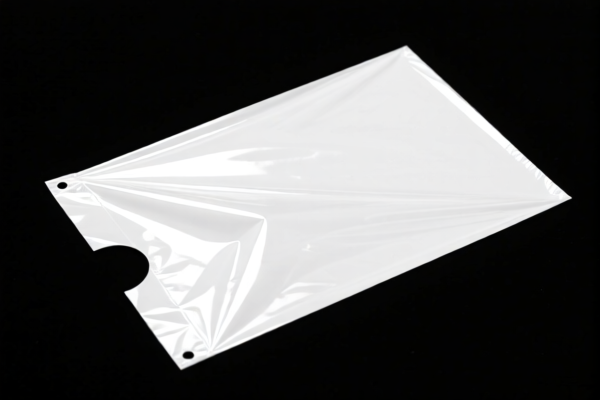
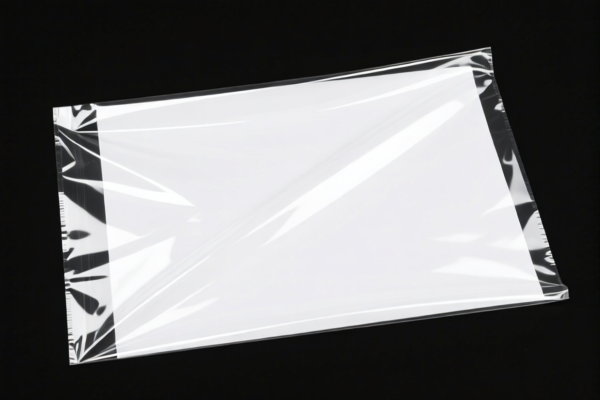
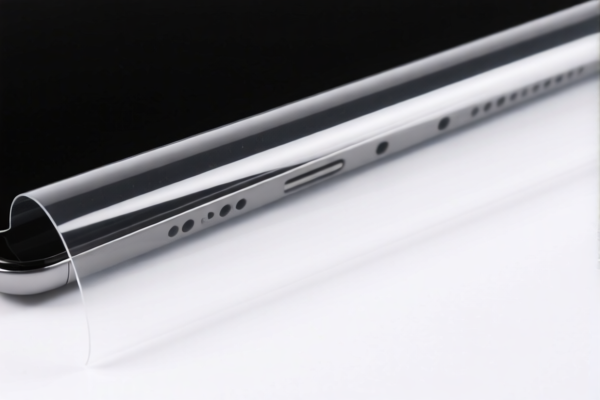
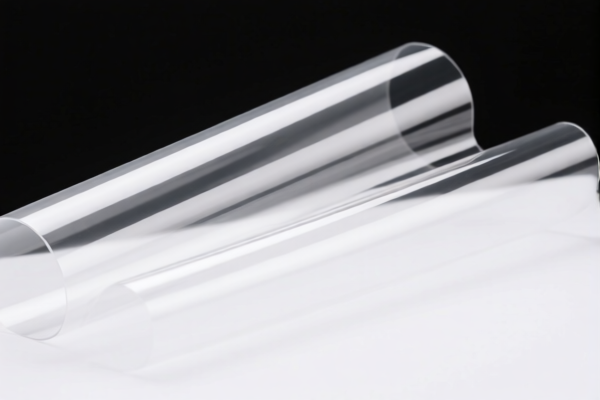
AI Analysis
🛡️ Metal Surface Protective Film
🌐 HS Code Reference & Customs Clearance Guide | 2026 Latest Tariff Analysis | Professional Logistics Strategy
📌 Part 1: Product Definition & Classification: What is "Metal Surface Protective Film"?
Metal Surface Protective Film is a specialized packaging and protection material used during the manufacturing, transportation, and installation of metal products (such as stainless steel sheets, aluminum profiles, glass, and appliances). Its primary function is to prevent scratches, corrosion, and damage during processing.
In international trade, these films are categorized based on their material composition. The two most common types are: 1. Plastic Protective Films (PE/PVC/EVA): Synthesized from polymers. These fall under Chapter 39 (Plastics). 2. Paper/Laminated Protective Films: Made from paper, paperboard, or coated webs. These fall under Chapter 48 (Paper/Paperboard).
⚠️ Critical Distinction Point:
- If the film is made of plastic (polyethylene, polyvinyl chloride, etc.) → It belongs to Chapter 39 (e.g.,3920.49).
- If the film is made of paper or paperboard (even if coated/laminated for metal protection) → It belongs to Chapter 48 (e.g.,4823.90).
- Do NOT confuse these with "Self-adhesive tapes" (3919) unless the film is in roll form under 20cm width specifically designed for adhesion, which is rare for large metal sheets.
📦 Part 2: HS Code Classification Details (2026 Latest Tariff Authority Comparison)
| HS Code | Product Description | Application Scenario | Material Basis |
|---|---|---|---|
3920.49 |
Other articles of plastics, protective films made of plastic used for metal surfaces | Plastic films (PE/PVC) for protecting stainless steel, aluminum coils, appliance panels | ✅ Plastic (Chapter 39) |
4823.90 |
Other articles of paper, paperboard, cellulose wadding, or webs of cellulose fibres, including protective films made of coated or laminated paper used for metal surface protection | Paper-based protective films, often used for lower-cost metal protection or specific industrial applications | ✅ Paper/Cellulose (Chapter 48) |
🔍 Key Reminder:
- Plastic Films are generally more durable, weather-resistant, and common in high-end manufacturing. They fall under 3920.49.
- Paper Films are biodegradable and cheaper but less durable in humid conditions. They fall under 4823.90.
- Error Alert: Many importers mistakenly classify plastic films under3919(Self-adhesive tapes). This is incorrect unless they meet the specific width and roll criteria for tapes. Most metal protective films are wider than 20cm or are not classified as "tapes" in standard trade practice.
💰 Part 3: 2026 Latest Tariff Rate Details (Including Additional Taxes & Policies)
✅ Applicable Country: United States (US)
✅ Origin: China (CN)
✅ Effective Date: 2025-11-10 onwards (for subsequent imports)
🎯 1. 3920.49 —— Plastic Protective Films for Metal Surfaces
| Item | Content |
|---|---|
| Base Tariff | ❌ Error: Failed to retrieve tax information |
| Additional Tax | ❌ Error: Failed to retrieve tax information |
| Total Tax Rate | Error |
| Tax Calculation | CIF Value × (Unknown Rate) |
| De Minimis Exemption | ❌ Check Required (Typically, plastic films > $800 are subject to duty) |
| Legal Basis Path | USITC:3920.49 → Tax Data Unavailable |
📌 Explanation:
- The tax data for HS Code3920.49was not successfully retrieved from the database.
- Risk: This indicates a potential gap in current tariff schedules or a need for manual verification.
- Action: Importers must consult a licensed customs broker to determine the current base rate and any Section 301/IEEPA add-on taxes, as plastic products are frequently targeted by additional duties.
🎯 2. 4823.90 —— Paper-Based Protective Films for Metal Surfaces
| Item | Content |
|---|---|
| Base Tariff | ❌ Error: Failed to retrieve tax information |
| Additional Tax | ❌ Error: Failed to retrieve tax information |
| Total Tax Rate | Error |
| Tax Calculation | CIF Value × (Unknown Rate) |
| De Minimis Exemption | ❌ Check Required |
| Legal Basis Path | USITC:4823.90 → Tax Data Unavailable |
📌 Explanation:
- The tax data for HS Code4823.90was also not successfully retrieved.
- Risk: Similar to plastic films, paper products may have different base rates, but the lack of data prevents accurate cost estimation.
- Action: Verify if paper-based protective films are subject to lower base tariffs than plastics, but still check for any specific anti-dumping or countervailing duties.
🛠️ Part 4: Customs Clearance Practical Advice (Real-World Pitfall Guide)
✅ 1. Required Documentation Checklist (Non-Negotiable)
| Document | Must Provide | Explanation |
|---|---|---|
| ✅ Product Specification Sheet | ✔️ | Must clearly state: Material (Plastic PE/PVC vs. Paper), Thickness, Width, Length, Adhesive Type |
| ✅ Material Composition Statement | ✔️ | Explicitly declare "100% Polyethylene" or "Coated Paper" to avoid misclassification |
| ✅ Product Photos (Roll/Sheet) | ✔️ | Show the film, the backing paper (if any), and the metal surface it protects |
| ✅ Commercial Invoice | ✔️ | Describe as "Protective Film for Metal Surfaces, Not Adhesive Tape" |
| ✅ Packing List | ✔️ | Detail roll dimensions and weight |
| ✅ Certificate of Origin (CO) | ✔️ | Essential for determining eligibility for tariff exemptions or penalties |
✅ 2. Declaration Tips (Key Mantras)
🔥 "Material First, Function Second, Name Precise, Tax Avoids Stress!"
| Scenario | Correct Declaration | Wrong Practice |
|---|---|---|
| Plastic Film (PE/PVC) | HS 3920.49 – "Plastic Protective Film" |
Misdeclared as 3919 (Tape) → 30.8% or higher |
| Paper Film | HS 4823.90 – "Paper Protective Film" |
Misdeclared as 4811 (Coated Paper) → Different tax rate |
| Wide Rolls (>20cm) | HS 3920.49 or 4823.90 |
Declared as 3919 (Rolls ≤20cm) → Incorrect classification |
| Adhesive Tape for Small Parts | HS 3919.10.20.10 or 3919.10.20.55 |
Declared as 3920.49 → Underpayment risk |
⚠️ Crucial Note on HS
3919(Self-Adhesive Tapes):
If your "protective film" is in rolls ≤20cm width and marketed as "tape" (e.g., for wrapping pipes or small edges), it may fall under3919.10.20.10or3919.10.20.55.
- Tax Rate for3919: 30.8% (Base 5.8% + Add-on 25.0%).
- Risk: Misclassifying wide metal sheets' protective film (usually >20cm) as "tape" can lead to penalties for incorrect declaration.
✅ 3. Special Case Handling
| Case | Handling Advice |
|---|---|
| Mixed Material Film | If the film is plastic-coated paper, consult a broker. Often classified under 3920 if plastic is the essential character, or 4823 if paper is dominant. |
| Printed Film | If the protective film has printed warnings/branding, ensure the description includes "Printed" to avoid confusion with blank sheets. |
| OEM Custom Film | Provide customer specs. If the film is custom-sized for a specific metal part, still declare as "Protective Film" unless it is a finished protective product. |
Unclear Tax Data (3920.49/4823.90) |
Immediate Action: Since tax data is "Error," you must file an entry with a trusted customs broker who can access the latest USITC database. Do not estimate. |
🌍 Part 5: Global Market Comparison (2026 Latest)
| Country/Region | Recommended HS Code | Estimated Tariff* | Certification/Remarks |
|---|---|---|---|
| 🇺🇸 USA | 3920.49 (Plastic) / 4823.90 (Paper) |
Error (Check with Broker) | High risk of misclassification; verify Section 301 applicability |
| 🇨🇳 China | 3920.49 / 4823.90 |
5% - 10% (Typical) | Standard import duties apply |
| 🇪🇺 EU | 3920.49 / 4823.90 |
6.5% - 4.5% | CE marking not required for packaging, but RoHS may apply for plastic components |
| 🇦🇺 Australia | 3920.49 |
5% | GST applies |
| 🇯🇵 Japan | 3920.49 |
5% | PSE not required for packaging |
📌 Conclusion:
- The US market has the highest uncertainty due to missing tax data in this dataset for3920.49and4823.90.
- Plastic films (3920.49) are more common but carry higher regulatory scrutiny.
- Paper films (4823.90) may be cheaper but less durable.
- Always verify with a customs broker before shipping, as "Error" in tax data means you cannot rely on automated systems.
📌 Part 6: Common Mistakes & Pitfall Guide (Blood-Lessons)
❌ Mistake 1: Declaring all protective films as 3919 (Self-Adhesive Tape)
👉 Consequence: If the film is >20cm wide, it is not a tape. Incorrect declaration leads to rejection or penalties. Tax for 3919 is 30.8%, which may be higher or lower than the actual rate for 3920.49.
❌ Mistake 2: Ignoring the "Material" in the description
👉 Consequence: If you only write "Protective Film," customs may classify it under the most expensive option or require a costly classification ruling. Always specify "Plastic" or "Paper".
❌ Mistake 3: Assuming "Error" in tax data means "Duty-Free"
👉 Consequence: Dangerous! "Error" means the system failed to retrieve. You still owe duties. Assuming 0% can lead to massive back-taxes and fines.
❌ Mistake 4: Using "Tape" in the commercial invoice for large rolls
👉 Consequence: Customs officers will check the width. If >20cm, it violates the 3919 definition. Use "Film" not "Tape".
✅ Correct Declaration Example:
"Plastic Protective Film, Polyethylene (PE), Width 120cm, Thickness 0.05mm, Used for Protecting Stainless Steel Sheets, Not Adhesive Tape"
🎯 Part 7: Conclusion: Professional Declaration Saves Money!
🎯 Remember the Mantra:
🔹 "Material Determines Code, Width Determines Chapter, Name Determines Accuracy!"
🔹 "Plastic = 3920, Paper = 4823, Tape ≤20cm = 3919 (30.8%)."
🔹 "Error in Tax Data = Call a Broker, Do Not Guess!"
📌 Pro Tip:
Since the tax data for 3920.49 and 4823.90 is missing, consider filing an Advance Ruling with US Customs and Border Protection (CBP) if you have large volumes. This provides legal certainty on the correct HS Code and applicable tariff.
📣 Immediate Action:
📞 Contact a licensed customs broker with the material composition and dimensions of your film.
🚀 Ensure your commercial invoice uses the word "Film" for rolls >20cm and "Tape" only for rolls ≤20cm.
💼 Avoid the "Error" trap by verifying manually!
✨ Professional Customs Clearance Starts with Accurate Classification!
💼 Your Cost Savings Depend on Precision!
Customer Reviews
About HS Code Classification
The Harmonized System (HS) is an internationally standardized nomenclature developed by the World Customs Organization (WCO) to classify traded products. Over 200 countries use the HS system as the basis for customs tariffs, trade statistics, and import/export regulations.
Each HS code follows a hierarchical structure:
- Chapter (2 digits) — Broad category of goods (e.g., Chapter 84: Machinery and Mechanical Appliances)
- Heading (4 digits) — More specific grouping within the chapter
- Subheading (6 digits) — Internationally standardized breakdown, used by all WCO member countries
- National subdivisions (8-10 digits) — Country-specific extensions for further classification, such as US HTSUS 10-digit codes
Correct HS code classification is essential for smooth customs clearance, accurate duty payment, and compliance with trade regulations. Misclassification can lead to customs delays, overpayment of duties, or penalties.
When importing from CN to US, the applicable tariff rates may include:
- Most-Favored-Nation (MFN) rate — The standard duty rate applied to WTO members
- General rate — Applied to countries without trade agreements
- Trade remedy duties — Additional tariffs such as Section 301 (anti-dumping), Section 232 (national security), or countervailing duties
The information provided on this page is for reference purposes only. For official classification, please consult with your local customs authority or a licensed customs broker.