Metal Surface pH Regulator
CN → US| HS Code | Tariff Rate | Origin | Destination | Doc |
|---|---|---|---|---|
| 3402905030 | 38.7% | CN | US | Official Doc |
| 3809925000 | 41.0% | CN | US | Official Doc |
| 3402901000 | 38.8% | CN | US | Official Doc |
Product Images
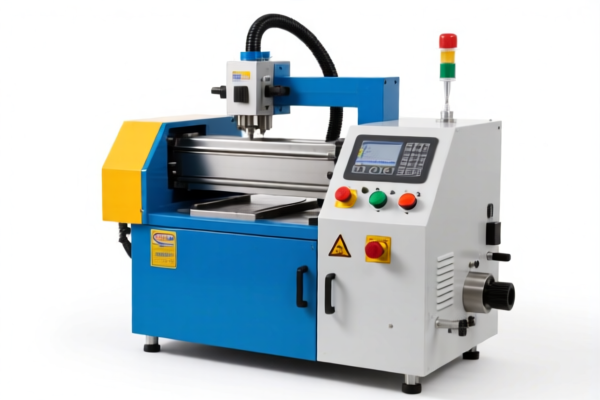
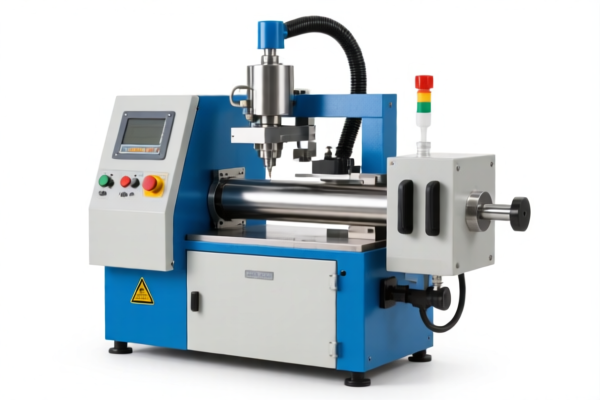
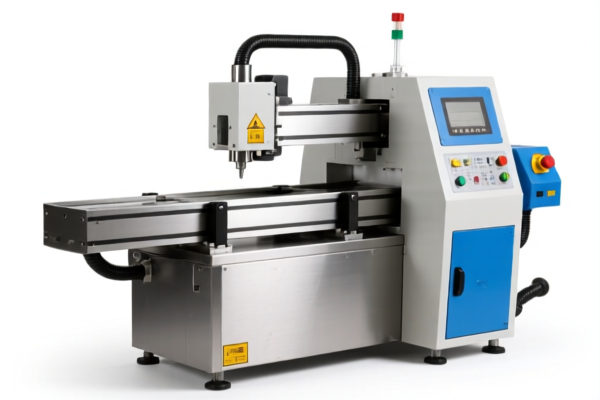
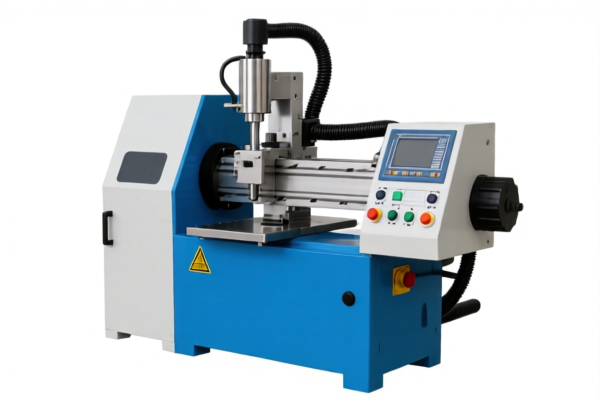
AI Analysis
🧪 Metal Surface pH Regulator (Chemical Agent for Surface Treatment)
🌐 HS Code Reference & Customs Clearance Guide | 2026 Latest Tariff Analysis | Professional Compliance Strategy
📌 I. Product Definition: What is a "Metal Surface pH Regulator"?
A Metal Surface pH Regulator is a specialized chemical formulation used in industrial cleaning, pretreatment, and electroplating processes. Its primary function is to adjust the acidity or alkalinity of the metal surface before further treatment (e.g., painting, coating, or plating).
Based on its chemical nature and application, it falls under the categories of organic surfactants, cleaning preparations, or industrial chemical agents. It is typically a liquid or powder concentrate that ensures optimal surface conditions for adhesion or corrosion resistance.
⚠️ Key Classification Challenge:
- Is it a surfactant/cleaning agent (Chapter 34)?
- Or is it a miscellaneous chemical preparation (Chapter 38)?
The distinction depends on the primary function and composition as interpreted by customs authorities.
📦 II. HS Code Classification Details (2026 Latest Tariff Authority)
Based on the provided data, there are three primary potential HS Codes for this product. The classification hinges on the specific chemical composition and declared function.
| HS Code | Product Description | Applicability | Primary Function |
|---|---|---|---|
3402.90.10.00 |
Organic Surface-Active Agents (Metal Surface pH Regulator) | Chemical preparations where surfactant action is key | Surfactant-based cleaning/preparation |
3402.90.50.30 |
Other Surface-Active Agents & Cleaning Preparations | General cleaning agents for metal surfaces | Liquid/powder cleaning & pH adjustment |
3809.92.50.00 |
Preparations for Chemical Treatment of Metals | Industrial chemical treatments not classified elsewhere | Specific industrial metal treatment agent |
🔍 Critical Distinction:
- If the product is primarily a surfactant used for cleaning or wetting, it belongs to HS 3402.
- If the product is a specialized chemical agent for pretreatment (e.g., passivation, etching) and doesn't fit the strict definition of a surfactant, it may be classified under HS 3809.
- Misclassification Risk: Declaring a specialized chemical agent as a general cleaner (HS 3402) when it functions as an industrial treatment agent (HS 3809) can lead to customs queries or penalties.
💰 III. 2026 Latest Tariff Rate Breakdown (Including Surtaxes & Policy Add-ons)
✅ Applicable Country: United States (US)
✅ Origin: China (CN)
✅ Effective Date: 2025/2026 (Current Trade Framework)
🎯 1. 3402.90.10.00 —— Organic Surface-Active Agents
| Item | Content |
|---|---|
| Base Tariff | 3.8% (ad valorem) |
| Section 301 Surtax | +25.0% (USITC Footnote: China-origin surcharge) |
| 122 Clauses Surtax | +10.0% (Targeting specific Chinese chemical sectors) |
| Total Effective Tax Rate | 38.8% |
| Tax Calculation | CIF Value × 38.8% |
| De Minimis Exemption | ❌ Not Eligible (High-value chemical shipments often excluded) |
| Legal Basis Path | USITC:3402.90.10.00 → SECTION301:8524.91.10.00 (Applied generally to China imports) → 122CLAUSE |
📌 Explanation:
- Base 3.8%: Standard MFN rate for organic surfactants.
- 25% Section 301: Mandatory surcharge on most Chinese-origin goods, including chemicals.
- 10% Clause 122: Additional duty targeting specific chemical manufacturing sectors in China.
- Total 38.8%: A significant cost burden that must be factored into pricing.
🎯 2. 3402.90.50.30 —— Other Surface-Active Agents & Cleaning Preparations
| Item | Content |
|---|---|
| Base Tariff | 3.7% (ad valorem) |
| Section 301 Surtax | +25.0% |
| 122 Clauses Surtax | +10.0% |
| Total Effective Tax Rate | 38.7% |
| Tax Calculation | CIF Value × 38.7% |
| De Minimis Exemption | ❌ Not Eligible |
| Legal Basis Path | USITC:3402.90.50.30 → SECTION301 → 122CLAUSE |
📌 Note:
- This code is for general cleaning agents. If your product is a "pH regulator" but functions primarily as a cleaner, this may apply.
- The rate is 0.1% lower than the previous code due to a slightly lower base tariff, but the surcharges remain identical.
🎯 3. 3809.92.50.00 —— Preparations for Chemical Treatment of Metals
| Item | Content |
|---|---|
| Base Tariff | 6.0% (ad valorem) |
| Section 301 Surtax | +25.0% |
| 122 Clauses Surtax | +10.0% |
| Total Effective Tax Rate | 41.0% |
| Tax Calculation | CIF Value × 41.0% |
| De Minimis Exemption | ❌ Not Eligible |
| Legal Basis Path | USITC:3809.92.50.00 → SECTION301 → 122CLAUSE |
📌 Important:
- Although the base rate is higher (6.0% vs 3.7-3.8%), this code is more accurate for specialized industrial treatments that are not simple surfactants.
- Total 41.0%: The highest tax burden among the three options. Choose this only if the product is a complex chemical formulation for industrial pretreatment (e.g., pickling, passivation) rather than a cleaning agent.
🛠️ IV. Customs Clearance Practical Advice (Avoiding Pitfalls)
✅ 1. Documentation Checklist (Non-negotiable)
| Document | Required? | Purpose |
|---|---|---|
| ✅ Technical Data Sheet (TDS) | ✔️ | Proves chemical composition and function (Surfactant vs. Industrial Agent) |
| ✅ Safety Data Sheet (SDS) | ✔️ | Mandatory for hazardous chemical clearance (DOT/PHMSA compliance) |
| ✅ Product Name & Function Description | ✔️ | Must clearly state "pH Regulator for Metal Surface" or "Cleaning Agent" |
| ✅ Composition Breakdown | ✔️ | List of active ingredients to support HS Code classification |
| ✅ Commercial Invoice | ✔️ | Value declaration and origin statement |
| ✅ Packing List | ✔️ | Net/Gross weight, quantity, and packaging type |
✅ 2. Declaration Strategy (Key Mnemonics)
🔥 “Chemical Clarity, Function First, Tax Minimization!”
| Scenario | Recommended HS Code | Why? |
|---|---|---|
| Product is a Surfactant/Cleaner | 3402.90.10.00 or 3402.90.50.30 |
Lower base rates (3.7-3.8%). Ideal for general cleaning/prep. |
| Product is a Specialized Industrial Agent | 3809.92.50.00 |
Accurate for non-surfactant chemical treatments. Higher base rate but defensible. |
| Unclear Function | Pre-classification Request | Avoid misclassification penalties. Provide TDS to customs broker for ruling. |
📌 Critical Tip:
- Do not simply declare as "Chemical." Provide specific function: "Metal Surface pH Regulator for Pretreatment."
- If the product contains surfactants as the main component, HS 3402 is safer and cheaper.
- If it is a complex blend for specific metal chemistry (e.g., conversion coating), HS 3809 may be more accurate despite higher taxes.
✅ 3. Special Considerations
| Issue | Handling Suggestion |
|---|---|
| Hazardous Material | If classified as hazardous (e.g., corrosive), ensure UN Number and Hazmat Documentation are complete. |
| Section 301 Exemptions | Check if your specific chemical product code has any current exemption lists (rare for chemicals). |
| 122 Clauses Impact | The 10% surcharge is targeted. Ensure the product is not in the excluded list (if any updates occur). |
| Pre-Clearance Ruling | For high-volume imports, request an Advance Ruling from CBP to lock in the HS Code and tax rate. |
🌍 V. Global Market Comparison (2026 Latest)
| Country/Region | Recommended HS Code | Estimated Total Tax (China Origin) | Key Certification | Note |
|---|---|---|---|---|
| 🇺🇸 USA | 3402.90.10.00 / 3809.92.50.00 |
38.7% - 41.0% | EPA (if pesticide), DOT | High surcharges due to trade war |
| 🇨🇳 China | 3402 / 3809 |
5% - 13% | - | Lower base rates, no surcharges |
| 🇪🇺 EU | 3402 / 3809 |
6% - 10% | REACH Compliance | No Section 301, but REACH registration needed |
| 🇬🇧 UK | 3402 / 3809 |
6% - 10% | UK REACH | Post-Brexit alignment with EU standards |
| 🇦🇺 Australia | 3402 / 3809 |
5% - 10% | AICIS | No major surcharges |
📌 Conclusion:
- The US market is the most expensive due to Section 301 and 122 Clauses.
- Diversification: Consider sourcing or manufacturing in Vietnam, Mexico, or EU countries to avoid US surcharges.
- Compliance: Ensure REACH (EU) or EPA (US) compliance if the chemical has regulatory thresholds.
📌 VI. Common Mistakes & Pitfalls (Lessons Learned)
❌ Mistake 1: Declaring "pH Regulator" as a simple "Cleaning Agent" when it is a specialized industrial chemical.
👉 Consequence: Customs may reclassify to 3809.92.50.00, leading to back taxes + penalties.
❌ Mistake 2: Ignoring the 122 Clauses.
👉 Consequence: Underestimating costs by 10%. Total tax should be 38.8% or 41.0%, not 25-30%.
❌ Mistake 3: Incomplete SDS (Safety Data Sheet).
👉 Consequence: Shipment held at port, demurrage charges, or rejection by DOT.
❌ Mistake 4: Using vague product names like "Chemical Mix."
👉 Consequence: Customs request for additional info, delaying clearance by weeks.
✅ Correct Approach:
"Metal Surface pH Regulator, Liquid, Surfactant-Based, for Industrial Pretreatment, Non-Hazardous (or Hazardous Class X), HS 3402.90.10.00"
🎯 VII. Conclusion: Precision in Classification, Profit in Clearance
🎯 Remember the Key Rule:
🔹 "Surfactant = 3402 (Cheaper), Industrial Agent = 3809 (Accurate but Expensive)"
🔹 "Total Tax = Base + 25% (301) + 10% (122)"
🔹 "Always provide TDS & SDS!"
📌 Pro Tip:
If your product is a custom blend, consider applying for an Advance Ruling from CBP. This provides legal certainty and prevents surprise audits.
For high-volume shipments, explore Free Trade Agreements (FTAs) with non-China origins to bypass US surcharges.
📣 Immediate Action:
📞 Contact your customs broker with the TDS and SDS.
📝 Declare the specific function and chemical nature accurately.
🚀 Optimize your supply chain to mitigate the 38-41% tax burden.
✨ Professional Clearance Starts with Accurate Classification!
💼 Every Percentage Point of Tax Matters in Global Trade!
Customer Reviews
About HS Code Classification
The Harmonized System (HS) is an internationally standardized nomenclature developed by the World Customs Organization (WCO) to classify traded products. Over 200 countries use the HS system as the basis for customs tariffs, trade statistics, and import/export regulations.
Each HS code follows a hierarchical structure:
- Chapter (2 digits) — Broad category of goods (e.g., Chapter 84: Machinery and Mechanical Appliances)
- Heading (4 digits) — More specific grouping within the chapter
- Subheading (6 digits) — Internationally standardized breakdown, used by all WCO member countries
- National subdivisions (8-10 digits) — Country-specific extensions for further classification, such as US HTSUS 10-digit codes
Correct HS code classification is essential for smooth customs clearance, accurate duty payment, and compliance with trade regulations. Misclassification can lead to customs delays, overpayment of duties, or penalties.
When importing from CN to US, the applicable tariff rates may include:
- Most-Favored-Nation (MFN) rate — The standard duty rate applied to WTO members
- General rate — Applied to countries without trade agreements
- Trade remedy duties — Additional tariffs such as Section 301 (anti-dumping), Section 232 (national security), or countervailing duties
The information provided on this page is for reference purposes only. For official classification, please consult with your local customs authority or a licensed customs broker.