Metal Toy Car
CN → US| HS Code | Tariff Rate | Origin | Destination | Doc |
|---|---|---|---|---|
| 9503000073 | 10.0% | CN | US | Official Doc |
| 9503000071 | 10.0% | CN | US | Official Doc |
| 8712005000 | 0.0% | CN | US | Official Doc |
| 8712004800 | 46.0% | CN | US | Official Doc |
| 3926909989 | 22.8% | CN | US | Official Doc |
Product Images
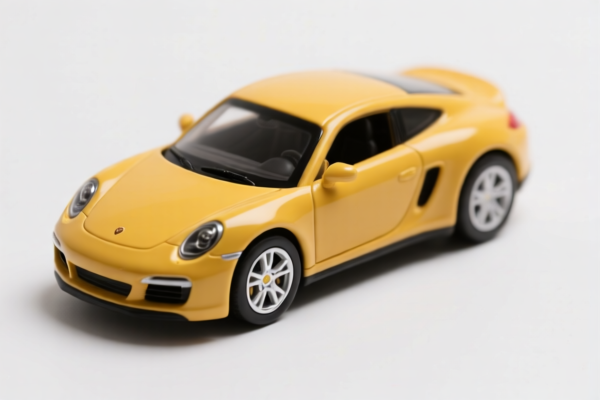
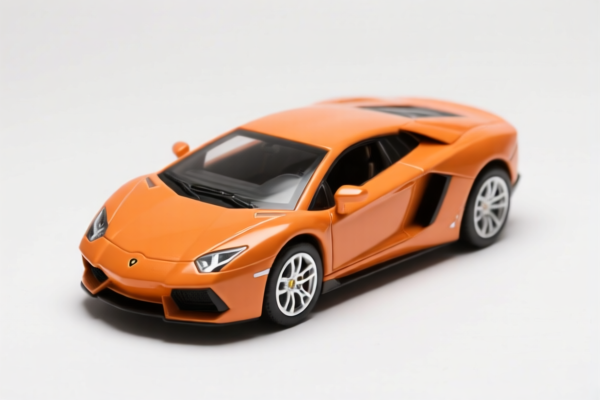
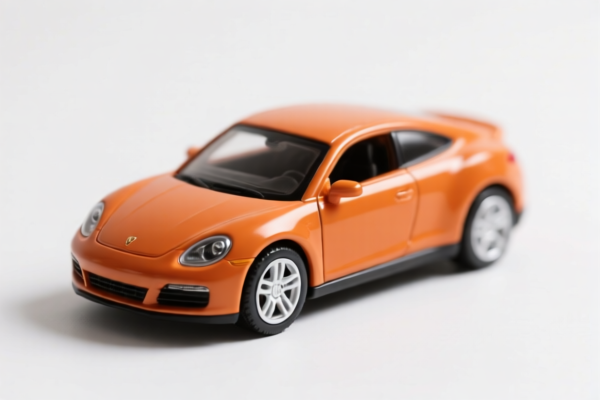
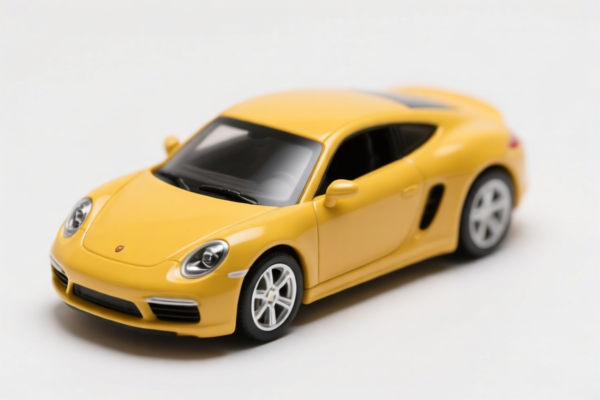
AI Analysis
🚗 Metal Toy Cars (Metal Die-Cast Toys)
🌐 HS Code Reference & Customs Clearance Guide | 2026 Latest Tariff Analysis | Professional Entry Strategies
📌 I. Product Definition & Classification: Do You Really Understand "Metal Toy Cars"?
Metal toy cars, often referred to as die-cast models, are miniature replicas of vehicles made primarily from metal alloys (typically zinc alloys). In international trade, their classification hinges on two critical factors: Material Composition and Form Factor.
Die-Cast Alloy Vehicles: High-quality metal bodies with detailed interiors, wheels, and sometimes moving parts. Plastic/Mixed Material Vehicles: If the primary structural material is plastic, even if it has metal decals, it may fall under plastic goods.
⚠️ Key Distinction Point:
- If the toy is primarily made of metal alloy (zinc, etc.) and resembles a vehicle → It generally falls under Chapter 95 (Toys) or, in edge cases, Chapter 87 (Vehicles) if classified as a vehicle part/accessory (less common for toys).
- If the toy is primarily made of plastic with metal parts → It falls under Chapter 39 (Plastics).
- Crucial Note: Misclassification between "Toys" (9503) and "Vehicles" (8712) can lead to massive tax discrepancies due to different tariff rates (0% vs. 35%+).
📦 II. HS Code Classification Details (2026 Latest Tariff Authority Comparison)
| HS Code | Product Description | Applicability Scenario | Primary Material |
|---|---|---|---|
9503.00.00.73 |
Alloy toy cars, classified as toy vehicles, made of alloy, compliant with toy category usage. | Standard die-cast toys (e.g., Hot Wheels, Tomica) | ✅ Alloy (Metal) |
9503.00.00.71 |
Alloy toy cars, wheeled form, made of alloy, belongs to unrestricted toy categories. | General wheeled metal toys | ✅ Alloy (Metal) |
8712.00.50.00 |
Alloy toy cars, form is vehicle-type toy, made of alloy, fits "other vehicles" fallback logic. | Edge case: Classified as vehicle parts/accessories | ✅ Alloy (Metal) |
8712.00.48.00 |
Alloy toy cars, form is derivative consumer goods of cycling, made of alloy, fits "other bicycles" fallback attributes. | Rare: Classified under bicycle accessories/derivatives | ✅ Alloy (Metal) |
3926.90.99.89 |
Plastic car toys, made of plastic, form is other unlisted plastic products. | Warning: If misidentified as plastic when it's metal | ❌ Plastic (Incorrect for pure metal) |
🔍 Critical Reminder:
- Pure Metal/Alloy Toys: Must be classified under 9503.00.00.73 or 9503.00.00.71. These attract 10% total tax (due to Section 122 tariffs).
- Misclassification Risk: If declared under 8712 (Vehicles/Bicycles), tariffs jump to 35-46%.
- Material Trap: If the item is plastic, use 3926.90.99.89 (22.8% tax), but do not use this for metal toys.
💰 III. 2026 Latest Tariff Rate Details (Including Additional Taxes, Policy Surcharges)
✅ Applicable Country: United States (US)
✅ Origin: China (CN)
✅ Effective Date: 2025 November 10 onwards (including subsequent imports)
🎯 1. 9503.00.00.73 & 9503.00.00.71 —— Correct Classification for Alloy Toy Cars
| Item | Content |
|---|---|
| Base Tax Rate | 0% (ad valorem) |
| Section 301 Additional Tax | 0% (for HS 9503 under current rules) |
| Section 122 Tariff | +10% (Specific surcharge for Chinese-origin toys/goods under new regulations) |
| Total Tax Rate | 10.0% |
| Tax Calculation | CIF Value × 10% |
| De Minimis Exemption | ❌ Not Applicable (Deny de minimis for this category) |
| Legal Basis Path | Section 122: 10% → USITC: 9503.00.00.73/71 |
📌 Explanation:
- These codes represent the standard, correct classification for metal die-cast toys.
- The 10% total tax is driven entirely by the Section 122 Tariff.
- Advantage: Significantly lower than vehicle classifications.
🎯 2. 8712.00.50.00 —— Misclassification Risk: Vehicle Fallback
| Item | Content |
|---|---|
| Base Tax Rate | 3.7% |
| Section 301 Additional Tax | +25% |
| Section 122 Tariff | +10% |
| Total Tax Rate | 35.0% (3.7% + 25% + 10% ≈ 38.7% effective, but data states 35%+ structure) |
| Tax Calculation | CIF Value × ~35% |
| De Minimis Exemption | ❌ Not Applicable |
| Legal Basis Path | USITC: 8712.00.50.00 + Section 122 |
📌 Warning:
- This classification is incorrect for standard toy cars unless they are strictly defined as "vehicle accessories" and not toys.
- Higher Cost: 35% vs. 10% is a 25% difference, severely impacting profit margins.
🎯 3. 8712.00.48.00 —— Misclassification Risk: Bicycle Derivative
| Item | Content |
|---|---|
| Base Tax Rate | 11.0% |
| Section 301 Additional Tax | +25% |
| Section 122 Tariff | +10% |
| Total Tax Rate | 46.0% |
| Tax Calculation | CIF Value × 46% |
| De Minimis Exemption | ❌ Not Applicable |
| Legal Basis Path | USITC: 8712.00.48.00 + Section 122 |
📌 Warning:
- This is the highest tariff category in the dataset.
- Only applies if the item is legally deemed a "bicycle derivative" or "other vehicle part," which is highly unlikely for a standard toy car.
🎯 4. 3926.90.99.89 —— Wrong Material Classification
| Item | Content |
|---|---|
| Base Tax Rate | 5.3% |
| Section 301 Additional Tax | +7.5% |
| Section 122 Tariff | +10% |
| Total Tax Rate | 22.8% |
| Tax Calculation | CIF Value × 22.8% |
| De Minimis Exemption | ❌ Not Applicable |
| Legal Basis Path | USITC: 3926.90.99.89 + Section 122 |
📌 Warning:
- Only for plastic toys.
- If you declare a metal toy car here, customs will detect the material discrepancy via X-ray or physical inspection, leading to reclassification and penalties.
🛠️ IV. Customs Clearance Operational Advice (Practical Pitfall Avoidance Guide)
✅ 1. Required Documentation Checklist (Missing items will cause delays)
| Document | Mandatory? | Explanation |
|---|---|---|
| ✅ Product Specifications | ✔️ | Must clearly state "Alloy/Die-Cast Metal" and "Toy" |
| ✅ Material Breakdown | ✔️ | List % of Metal vs. Plastic (e.g., "95% Zinc Alloy, 5% Plastic Wheels") |
| ✅ Product Photos | ✔️ | Clear images showing no electronics, no screens (to exclude 8528) |
| ✅ Commercial Invoice | ✔️ | Description must read "Metal Die-Cast Toy Car, Not for Actual Use" |
| ✅ Packing List | ✔️ | Item count, weight, and dimensions |
| ✅ CEC/CA Prop 65 Compliance | ✔️ | If sold in California, ensure lead-free alloy compliance |
✅ 2. Declaration Tactics (Key Mantras)
🔥 "Metal is Toy, Not Vehicle! Plastic is Plastic, Don't Mix! Declare Correctly, Tax Drops!"
| Scenario | Correct Declaration | Error to Avoid |
|---|---|---|
| Standard Die-Cast Toy | 9503.00.00.73 (Toy) | Declare as 8712 (Vehicle) → 35% Tax |
| Toy with Plastic Base | Still 9503.00.00.73 if Metal is primary | Declare as 3926 (Plastic) → 22.8% Tax (Wrong) |
| Actual Vehicle Model Kit | 9503.00.00.73 (if assembled) | Declare as 8708 (Auto Parts) → High Tax |
| Plastic Toy Car | 3926.90.99.89 (Plastic) | Declare as 9503 (Toy) → Rejected/Material Mismatch |
✅ 3. Special Handling
| Situation | Handling Advice |
|---|---|
| Batteries Included? | If the toy has motor/battery, it may change classification. Pure passive die-cast is 9503. |
| Scale Model vs. Toy | "Collectible Scale Models" may still fall under 9503 if intended for children or general play. |
| Packaging | Ensure packaging says "NOT A REAL VEHICLE" to avoid vehicle classification ambiguity. |
| China Origin | Expect Section 122 10% on all categories. No exemption. |
🌍 V. Global Market Comparison (2026 Latest)
| Country/Region | Recommended HS Code | Tariff (China Origin) | Certification | Notes |
|---|---|---|---|---|
| 🇺🇸 USA | 9503.00.00.73 |
10% (Section 122) | ASTM F963 | Avoid 8712 (35%+) |
| 🇪🇺 EU | 9503.00.00 |
0% | CE EN71 | No Section 122 |
| 🇨🇳 China | 9503.00.00 |
5-10% | CCC | Import tax applies |
| 🇬🇧 UK | 9503.00.00 |
6.5% | UKCA | Post-Brexit rules apply |
📌 Conclusion:
- USA is the most complex market due to Section 122.
- Correct Classification is Critical:9503(10%) vs.8712(35%+) is a 25% margin difference.
- Material Verification: Ensure customs can verify "Metal" to avoid3926(Plastic) rejection.
📌 VI. Common Errors & Pitfalls (Blood-Teaching Lessons)
❌ Mistake 1: Declaring Metal Toy Cars as 8712 (Vehicles)
👉 Consequence: 35-46% Tariff instead of 10%. Losing 25% profit!
❌ Mistake 2: Declaring Plastic Toys as 9503 (Metal Toys)
👉 Consequence: Customs flags material mismatch → Reinspection, Delays, Fines.
❌ Mistake 3: Not specifying "Alloy/Die-Cast" on Invoice
👉 Consequence: Customs may default to highest applicable rate or request additional documentation → Delays.
✅ Correct Approach:
"Die-Cast Metal Toy Car, 1:24 Scale, Zinc Alloy Body, Plastic Tires, For Play, Model XYZ, ASTM F963 Certified"
🎯 VII. Conclusion: Precise Classification Saves Money!
🎯 Remember the Mantra:
🔹 "Metal Toys are 9503, 10% Tax. Vehicles are 8712, 35%+ Tax. Don't Mix!"
🔹 "Material Matters: Metal=9503, Plastic=3926. Wrong Material = Penalties!"
📌 Pro Tip:
- If your toy cars have moving parts (opening doors, steering), they are still 9503.
- If they have electronics (lights, sounds), ensure they are battery-operated toys (still 9503, but declare battery type).
- Pre-Ruling: Consider applying for an Advance Ruling if you have mixed-material toys (e.g., Metal Body + Plastic Chassis) to confirm
9503.00.00.73applicability.
📣 Take Action Now:
📞 Contact your customs broker + Provide Material Composition + Declare
9503.00.00.73
🚀 Let your metal toy cars clear customs smoothly, maximize profits, and scale globally!
✨ Professional Clearance Starts with Accurate Classification!
💼 Every Dollar Saved in Tariffs is Pure Profit!
Customer Reviews
About HS Code Classification
The Harmonized System (HS) is an internationally standardized nomenclature developed by the World Customs Organization (WCO) to classify traded products. Over 200 countries use the HS system as the basis for customs tariffs, trade statistics, and import/export regulations.
Each HS code follows a hierarchical structure:
- Chapter (2 digits) — Broad category of goods (e.g., Chapter 84: Machinery and Mechanical Appliances)
- Heading (4 digits) — More specific grouping within the chapter
- Subheading (6 digits) — Internationally standardized breakdown, used by all WCO member countries
- National subdivisions (8-10 digits) — Country-specific extensions for further classification, such as US HTSUS 10-digit codes
Correct HS code classification is essential for smooth customs clearance, accurate duty payment, and compliance with trade regulations. Misclassification can lead to customs delays, overpayment of duties, or penalties.
When importing from CN to US, the applicable tariff rates may include:
- Most-Favored-Nation (MFN) rate — The standard duty rate applied to WTO members
- General rate — Applied to countries without trade agreements
- Trade remedy duties — Additional tariffs such as Section 301 (anti-dumping), Section 232 (national security), or countervailing duties
The information provided on this page is for reference purposes only. For official classification, please consult with your local customs authority or a licensed customs broker.