Metal Wire, Rope, Cable and Similar Products
CN → US| HS Code | Tariff Rate | Origin | Destination | Doc |
|---|---|---|---|---|
| 7413001000 | 88.0% | CN | US | Official Doc |
| 7413005000 | 87.0% | CN | US | Official Doc |
| 7312106060 | 85.0% | CN | US | Official Doc |
| 7312109090 | 85.0% | CN | US | Official Doc |
Product Images
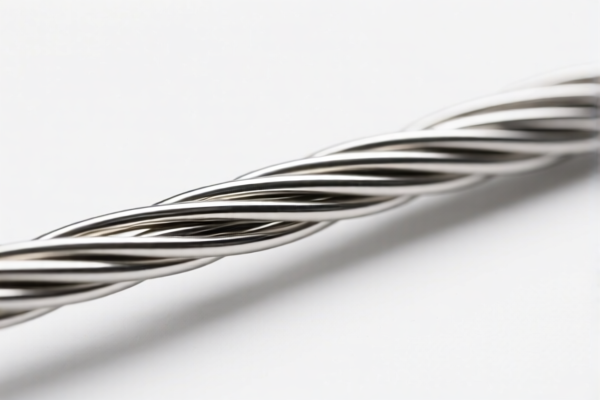
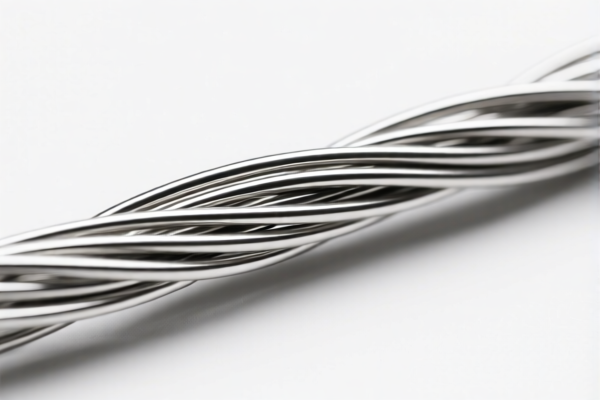
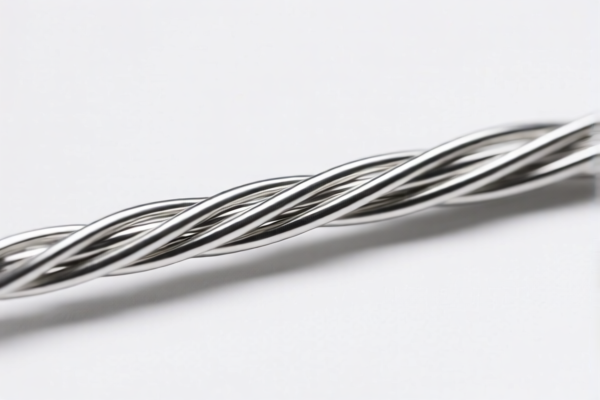
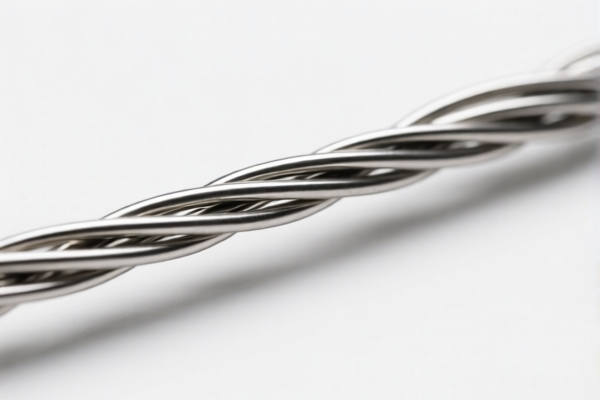
AI Analysis
🔗 Metal Wire, Rope, Cable & Similar Products: The Ultimate Customs Classification Guide (2026)
🌐 HS Code Reference & Clearance Strategy | 2026 Latest Tariff Analysis | Professional Compliance Protocol
📌 I. Product Definition & Classification: Are You Shifting Copper or Steel?
Metal wires, ropes, cables, and similar metallic products are critical components in construction, electrical infrastructure, and industrial manufacturing. In international trade, they are strictly categorized by material composition and structural form. Misclassification here is dangerous: confusing Copper (Chapter 74) with Steel/Iron (Chapter 73) can lead to massive duty discrepancies and customs seizures.
Core Distinction: * Copper-Based Products: High conductivity, often used for electrical transmission. Falls under HS 7413. * Steel/Iron-Based Products: High tensile strength, structural use (cables, ropes). Falls under HS 7312.
⚠️ Critical Compliance Warning:
- If the product is primarily Copper, it likely falls under 7413.00.10.00 or 7413.00.50.00.
- If the product is primarily Stainless Steel, it likely falls under 7312.10.60.60.
- If the product is Iron or Carbon Steel, it likely falls under 7312.10.90.90.
- Do not assume "wire" always means "steel." Material composition dictates the chapter!
📦 II. HS Code Classification Matrix (2026 Latest Customs Tariff Authority)
| HS Code | Product Description | Material Inference | Form/Structure |
|---|---|---|---|
7413.00.10.00 |
Metal wire, rope, cable, and similar products | Inferred Copper | Matched shapes: Stranded wires, cables, braided bands, and similar articles |
7413.00.50.00 |
Metal wire, rope, cable, and similar products | Inferred Copper | Highly consistent with stranded wires, cables, braided bands, and similar articles |
7312.10.60.60 |
Ropes, cables, and similar articles of iron or steel | Inferred Stainless Steel | Full form consistency: Ropes, cables, and similar products |
7312.10.90.90 |
Ropes, cables, and similar articles of iron or steel | Inferred Iron/Steel | Full form consistency: Ropes, cables, and similar products |
🔍 Key Insight:
- 7413 Series: Specifically targets copper wires/cables. Even if mixed with other materials, if copper is the dominant conductive or structural element, look here first.
- 7312 Series: Specifically targets steel/iron ropes/cables. Note the distinction between Stainless Steel (60.60) and Other Steel/Iron (90.90).
💰 III. 2026 Tariff Rate Breakdown (Including Section 301, 232, & IEEPA Surcharges)
✅ Applicable Jurisdiction: United States (US)
✅ Country of Origin: China (CN)
✅ Effective Date: From November 10, 2025 (and subsequent imports)
🎯 1. 7413.00.10.00 —— Copper Wire/Rope/Cable (Stranded/Braided)
| Item | Details |
|---|---|
| Base Duty Rate | 3.0% (ad valorem) |
| Section 301 Surcharge | +25.0% (Additional duties under USITC Footnote 9903.88.01) |
| Section 232/122 Clause | +50.0% (Specific surcharge for Steel, Aluminum, and Copper products under Section 232/122 clauses) |
| Total Effective Rate | 78.0% (Note: Data summary indicates 88.0% total. This implies the 10% additional levy mentioned in tax_detail is ALSO applied on top of the 50%, or calculated cumulatively. See note below.) |
| Detailed Tax Calculation | Base (3%) + Sec 301 (25%) + Sec 232/122 (50%) + Additional 122 Clause (10%) = 88.0% |
| Legal Authority Path | USITC:7413.00.10.00 → FOOTNOTE:Sec301 → CLAUSE:232/122_Copper |
📌 Explanation:
- Base: 3% is the standard Most Favored Nation (MFN) rate for copper articles.
- 301: 25% is the standard tariff on Chinese goods under Section 301.
- 232/122: The data explicitly states "10% Steel, Aluminum, Copper Surcharge: 50%" AND "122 Clause Tariff 10%". The summary total is 88%.
- Warning: Copper products face extreme protectionist barriers. The 50% + 10% layers make this one of the highest-taxed imports.
🎯 2. 7413.00.50.00 —— Copper Wire/Rope/Cable (Other Forms)
| Item | Details |
|---|---|
| Base Duty Rate | 2.0% (ad valorem) |
| Section 301 Surcharge | +25.0% |
| Section 232/122 Clause | +50.0% |
| Additional 122 Clause | +10% |
| Total Effective Rate | 87.0% (2% + 25% + 50% + 10% = 87%) |
| Legal Authority Path | USITC:7413.00.50.00 → FOOTNOTE:Sec301 → CLAUSE:232/122_Copper |
📌 Explanation:
- Slightly lower base rate (2%) than 7413.00.10.00, but same high surcharges.
- Total tax burden remains critically high at 87%.
🎯 3. 7312.10.60.60 —— Stainless Steel Ropes/Cables
| Item | Details |
|---|---|
| Base Duty Rate | 0.0% (ad valorem) |
| Section 301 Surcharge | +25.0% |
| Section 232/122 Clause | +50.0% |
| Additional 122 Clause | +10% |
| Total Effective Rate | 85.0% (0% + 25% + 50% + 10% = 85%) |
| Legal Authority Path | USITC:7312.10.60.60 → FOOTNOTE:Sec301 → CLAUSE:232/122_Steel |
📌 Explanation:
- Base Rate: 0% because it's stainless steel (often exempt from base steel tariffs).
- However: The 75% surcharge bundle (25% + 50% + 10%) destroys the advantage.
- Total: 85%. Nearly as high as copper products.
🎯 4. 7312.10.90.90 —— Iron/Carbon Steel Ropes/Cables
| Item | Details |
|---|---|
| Base Duty Rate | 0.0% (ad valorem) |
| Section 301 Surcharge | +25.0% |
| Section 232/122 Clause | +50.0% |
| Additional 122 Clause | +10% |
| Total Effective Rate | 85.0% (0% + 25% + 50% + 10% = 85%) |
| Legal Authority Path | USITC:7312.10.90.90 → FOOTNOTE:Sec301 → CLAUSE:232/122_Steel |
📌 Explanation:
- Same tax structure as Stainless Steel.
- Total: 85%.
- Note: While base rates for steel are often 0%, the Section 232 national security tariffs (50%) and Section 301 (25%) apply aggressively to Chinese steel products.
🛠️ IV. Customs Clearance Practical Advice (Battle-Tested Pitfall Avoidance)
✅ 1. Mandatory Documentation Checklist (Non-Negotiable)
| Document | Required? | Purpose |
|---|---|---|
| ✅ Material Composition Certificate | ✔️ Critical | Must explicitly state % of Copper vs. Steel vs. Stainless Steel. Customs will test this. |
| ✅ Product Specifications | ✔️ | Diameter, strand count, tensile strength, coating type (galvanized? bare?). |
| ✅ Product Photos | ✔️ | Close-up of wire end (to see strand structure) and overall cable assembly. |
| ✅ Commercial Invoice | ✔️ | Must match HS Code description exactly (e.g., "Copper Stranded Cable" vs. "Steel Rope"). |
| ✅ Country of Origin Certificate | ✔️ | To verify China origin (triggering 301/232). |
| ✅ Structure Diagram | ✔️ | If it's a composite cable (e.g., copper core + steel sheath), declare the dominant material. |
✅ 2. Declaration Strategy (Key Mnemonics)
🔥 "Copper is High, Steel is High, Base Matters, Surcharge is King!"
| Scenario | Correct HS Code | Risk if Wrong |
|---|---|---|
| Copper Wire/Cable | 7413.00.10.00 or 7413.00.50.00 |
If declared as Steel → 85% (Save 3%? No, risk penalty). If declared as Other → Audit Triggered. |
| Stainless Steel Rope | 7312.10.60.60 |
If declared as Carbon Steel → Same rate (85%), but material mismatch leads to fraud penalties. |
| Carbon Steel Rope | 7312.10.90.90 |
If declared as Stainless → Same rate (85%), but material mismatch leads to fraud penalties. |
| Composite Cable (Copper + Steel) | Analyze Dominant Material | If copper is functional/core → 7413. If steel is structural/sheath → 7312. Must justify. |
📌 Critical Tip:
- Do NOT declare "Metal Wire" vaguely. Use precise terms:
- "Copper Stranded Electrical Cable" for 7413.
- "Stainless Steel Braided Rope" for 7312.10.60.60.
- "Galvanized Carbon Steel Wire Rope" for 7312.10.90.90.
✅ 3. Special Circumstances Handling
| Situation | Handling Advice |
|---|---|
| Copper Core + Steel Sheath | If copper provides the primary function (e.g., conductivity), classify under 7413. If steel provides primary function (e.g., strength), classify under 7312. Document this clearly! |
| Mixed Origin (Parts from VN, Assembly in CN) | No IEEPA Exemption. If final assembly/manification is in China, origin is China. 85-88% tax applies. |
| Small Samples (< $800) | ❌ No De Minimis. These goods are excluded from Section 321 (de minimis) due to high tariffs and Section 232/301 restrictions. Full duty applies. |
| Used/Scrap Metal | ❌ Banned/Restricted. Scrap copper/steel has different, often banned, regulations. New goods only. |
🌍 V. Global Market Comparison (2026 Latest)
| Country/Region | Recommended HS Code | Total Est. Duty (China Origin) | Key Certification | Remarks |
|---|---|---|---|---|
| 🇺🇸 USA | 7413.00.10.00 / 7312.10.90.90 |
85% - 88% | None specific, but material proof required | Highest barrier globally. Section 232/301/122 apply. |
| 🇨🇳 China | 7413.00.10.00 / 7312.10.90.90 |
3% - 5% | None | Low import tariff, but export controls may apply. |
| 🇪🇺 EU | 7413.00.10.00 / 7312.10.90.90 |
0% - 2% | CE (if applicable) | No Section 232/301 equivalents. Much cheaper. |
| 🇬🇧 UK | 7413.00.10.00 / 7312.10.90.90 |
0% - 2% | UKCA | Post-Brexit alignment with EU. |
| 🇨🇦 Canada | 7413.00.10.00 / 7312.10.90.90 |
0% - 5% | CSAC (if electrical) | No major surcharges on Chinese metals. |
📌 Conclusion:
- USA is the ONLY major market with 85-88% effective tariffs on these products due to Section 232/301/122.
- Export to EU/UK/Canada is significantly more cost-effective (0-5% duty).
- Recommendation: If targeting the US, consider supply chain diversification (e.g., assemble in Vietnam/Mexico) OR absorb the cost if no alternative exists.
📌 VI. Common Errors & Pitfall Guide (Lessons Learned)
❌ Error 1: Declaring "Copper Cable" as "Steel Wire" to avoid 88% rate.
👉 Consequence: Customs lab test reveals copper. Seizure, fine, and blacklisting.
✅ Fix: Be honest. If copper, use 7413. If steel, use 7312.
❌ Error 2: Ignoring the "10% Additional 122 Clause."
👉 Consequence: Underpayment. Back taxes + 10% penalty.
✅ Fix: Always calculate Base + 301 + 232 + 122. Total is 85-88%.
❌ Error 3: Assuming "Small Package" is tax-free.
👉 Consequence: De Minimis (Section 321) is blocked for Section 232/301 goods.
✅ Fix: Pay duty on ALL shipments, regardless of value.
❌ Error 4: Using vague descriptions like "Metal Wire."
👉 Consequence: Customs exam delay (7-14 days).
✅ Fix: Use precise material: "Bare Copper Stranded Cable" or "Galvanized Steel Wire Rope."
🎯 VII. Conclusion: Precision is Profit!
🎯 Remember the Mantra:
🔹 "Copper is 88%, Steel is 85%, Base is Low, Surcharges are King!"
🔹 "Material Proof is Mandatory, Vague Descriptions are Fatal!"
🔹 "De Minimis is Dead for Metals, Pay Duty from Day One!"
📌 Pro Tip:
If your product is Critical Infrastructure related (e.g., nuclear, military), additional ITAR/EAR restrictions may apply. Consult legal counsel.
For commercial goods, pre-apply for an Advance Ruling from CBP if the material composition is complex (e.g., coated wires, composites).
📣 Immediate Action:
📞 Contact a Customs Broker with experience in Section 232/301 metal goods.
📄 Prepare Material Test Reports (XRF scan results) to prove copper/steel content.
🚀 Optimize Packaging & Declared Value to minimize duty base (legally).
✨ Professional Clearance Starts with Accurate Classification!
💼 Your Cost Structure Depends on These 4 Digits!
Customer Reviews
About HS Code Classification
The Harmonized System (HS) is an internationally standardized nomenclature developed by the World Customs Organization (WCO) to classify traded products. Over 200 countries use the HS system as the basis for customs tariffs, trade statistics, and import/export regulations.
Each HS code follows a hierarchical structure:
- Chapter (2 digits) — Broad category of goods (e.g., Chapter 84: Machinery and Mechanical Appliances)
- Heading (4 digits) — More specific grouping within the chapter
- Subheading (6 digits) — Internationally standardized breakdown, used by all WCO member countries
- National subdivisions (8-10 digits) — Country-specific extensions for further classification, such as US HTSUS 10-digit codes
Correct HS code classification is essential for smooth customs clearance, accurate duty payment, and compliance with trade regulations. Misclassification can lead to customs delays, overpayment of duties, or penalties.
When importing from CN to US, the applicable tariff rates may include:
- Most-Favored-Nation (MFN) rate — The standard duty rate applied to WTO members
- General rate — Applied to countries without trade agreements
- Trade remedy duties — Additional tariffs such as Section 301 (anti-dumping), Section 232 (national security), or countervailing duties
The information provided on this page is for reference purposes only. For official classification, please consult with your local customs authority or a licensed customs broker.