Metal numbering stamp device
CN → US| HS Code | Tariff Rate | Origin | Destination | Doc |
|---|---|---|---|---|
| 8205595560 | 40.3% | CN | US | Official Doc |
| 8205598000 | 38.7% | CN | US | Official Doc |
| 7616995170 | 37.5% | CN | US | Official Doc |
| 8207306062 | 37.9% | CN | US | Official Doc |
| 8205906000 | 0.0% | CN | US | Official Doc |
| 9611000000 | 20.2% | CN | US | Official Doc |
Product Images
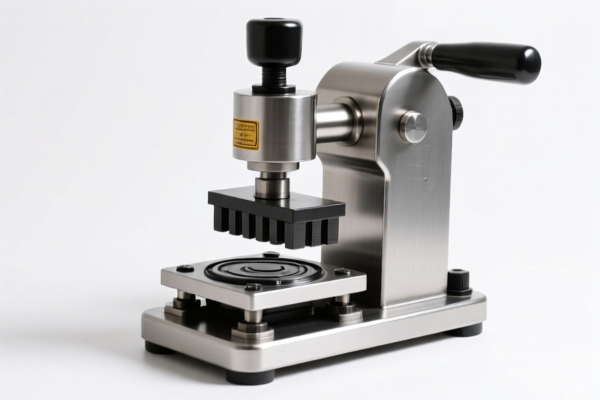
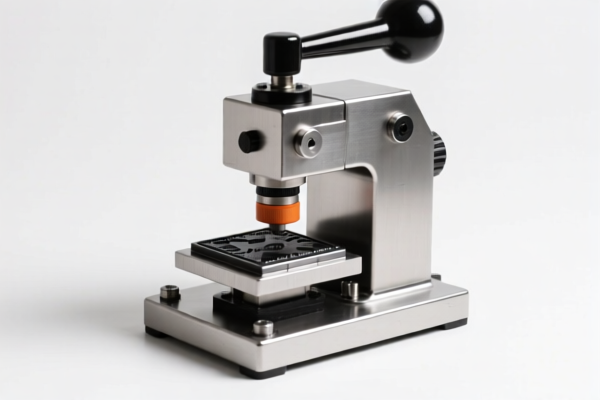
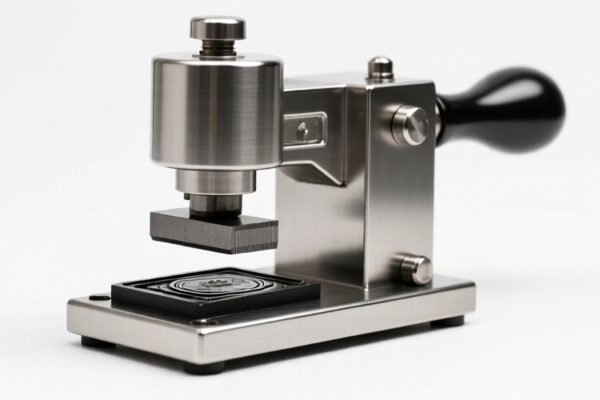

AI Analysis
🔨 Metal Numbering Stamp Device (Hand Stamps & Dies)
🌐 HS Code Reference & Customs Clearance Guide | 2026 Latest Tariff Analysis | Professional Strategy for US Imports
📌 I. Product Definition & Classification: What Exactly is a "Metal Numbering Stamp"?
A Metal Numbering Stamp (often referred to as a hand stamp, die, or numbering tool) is a small, handheld tool used for impression marking. It consists of metal characters (numbers, letters, or logos) set in a handle or a steel block. When struck with a hammer, it permanently imprints identification, batch numbers, or branding onto metal, wood, or plastic surfaces.
In international trade, these are classified based on material, mechanism, and set composition:
- Hand Tools (Steel/Iron): The most common category. Individual characters or blocks made of steel/iron.
- Aluminum Components: Less common, usually specific industrial dies or parts.
- Power/Powered Tools: If motorized (not covered in this specific dataset, but distinct from hand tools).
- Sets/Kits: Collections containing multiple characters or tools packaged together.
- Printing/Sealing Instruments: If designed specifically for printing ink or sealing wax rather than cold stamping.
⚠️ Critical Distinction:
- Hand Stamped Dies (Struck manually) → Generally Chapter 82 (Tools) or Chapter 96 (Miscellaneous).
- Powered Marking Machines → Chapter 84 or 85 (Machinery).
- Printing Devices (Ink/Seal) → Chapter 96.Note: The data provided focuses on manual/hand-held metal numbering stamps and their variants.
📦 II. HS Code Classification Details (2026 Latest Tariff Authority Match)
| HS Code | Product Description | Material/Type | Key Application |
|--------|--------------------------|---------------|
| 8205.59.55.60 | Metal Numbering Stamps, Steel/Iron | Iron or Steel | Other hand tools; general purpose manual stamping. |
| 8205.59.80.00 | Metal Numbering Stamps, Manual Pressing/Sealing | Various Metals | Manual pressing or sealing tools; precision marking. |
| 7616.99.51.70 | Metal Numbering Stamps, Aluminum | Aluminum | Other articles of aluminum; specific dies/components. |
| 8207.30.60.62 | Metal Numbering Stamps, Forming/Pressing | Metal Alloy | Metal forming/pressing tools; consistent with metal forming dies. |
| 8205.90.60.00 | Metal Numbering Stamp Sets | Mixed Base Metals | Sets of two or more different articles (e.g., a full numeric kit). |
| 9611.00.00.00 | Metal Numbering Stamp Sets (Printing/Sealing) | Various | Ink stamping, date stamps, or sealing instruments; usage-based classification. |
🔍 Key Insight:
- 8205 is the primary chapter for hand tools (including numbering stamps). - 9611 applies if the tool is primarily for printing ink or sealing, not cold metal stamping. - 7616 is a niche code for aluminum specific components, often used when the material dictates the classification differently than steel. - 8207 covers interchangeable tools for machine tools, but here it is applied to "metal forming/pressing" equivalents for stamping dies.
💰 III. 2026 Latest Tariff Rate Breakdown (Including Surtaxes & Policy Add-ons)
✅ Applicable Country: United States (US)
✅ Country of Origin: China (CN)
✅ Effective Date: From November 10, 2025 (and subsequent imports)
🎯 1. 8205.59.55.60 —— Steel/Iron Hand Numbering Stamps
| Item | Details |
|---|---|
| Base Duty Rate | 5.3% |
| Section 301 Surcharge | +25.0% |
| Section 122 Tariff | +10.0% |
| Total Tax Rate | 40.3% |
| Tax Calculation | CIF Value × 40.3% |
| De Minimis Exemption | ❌ Not Eligible (deny_de_minimis) |
| Legal Authority Path | Section 301: 8205.59.55 → Section 122: 10% → Base: 5.3% |
📌 Explanation:
- Steel tools are heavily targeted by trade remedies.
- The 40.3% total rate is extremely high, significantly impacting profit margins.
- Section 122 (often related to specific national security or trade enforcement measures) adds an extra 10% on top of the standard 301 tariff.
🎯 2. 8205.59.80.00 —— Manual Pressing/Sealing Metal Stamps
| Item | Details |
|---|---|
| Base Duty Rate | 3.7% |
| Section 301 Surcharge | +25.0% |
| Section 122 Tariff | +10.0% |
| Total Tax Rate | 38.7% |
| Tax Calculation | CIF Value × 38.7% |
| De Minimis Exemption | ❌ Not Eligible |
| Legal Authority Path | Section 301: 8205.59.80 → Section 122: 10% → Base: 3.7% |
📌 Note:
- Slightly lower base rate (3.7%) compared to general steel stamps, but the surcharges remain the same.
- Suitable for precision manual presses or specialized sealing tools.
🎯 3. 7616.99.51.70 —— Aluminum Numbering Stamps
| Item | Details |
|---|---|
| Base Duty Rate | 2.5% |
| Section 301 Surcharge | +25.0% |
| Section 122 Tariff | +10.0% |
| Total Tax Rate | 37.5% |
| Tax Calculation | CIF Value × 37.5% |
| De Minimis Exemption | ❌ Not Eligible |
| Legal Authority Path | Section 301: 7616.99.51 → Section 122: 10% → Base: 2.5% |
📌 Insight:
- Aluminum products often have different base rates.
- Still subject to Section 301 and 122, so the total burden is nearly identical to steel stamps.
🎯 4. 8207.30.60.62 —— Metal Forming/Pressing Tools (Stamp Dies)
| Item | Details |
|---|---|
| Base Duty Rate | 2.9% |
| Section 301 Surcharge | +25.0% |
| Section 122 Tariff | +10.0% |
| Total Tax Rate | 37.9% |
| Tax Calculation | CIF Value × 37.9% |
| De Minimis Exemption | ❌ Not Eligible |
| Legal Authority Path | Section 301: 8207.30 → Section 122: 10% → Base: 2.9% |
📌 Clarification:
- If the numbering stamp is part of a metal forming die system or used in a press, it may fall under 8207.
- Slightly lower base rate (2.9%) but still high total cost.
🎯 5. 8205.90.60.00 —— Numbering Stamp Sets (Mixed Tools)
| Item | Details |
|---|---|
| Base Duty Rate | Variable (Rate applicable to the predominant article) |
| Section 301 Surcharge | +25.0% |
| Section 122 Tariff | +10.0% |
| Total Tax Rate | Variable + 35% |
| Tax Calculation | CIF Value × (Base Rate + 35%) |
| De Minimis Exemption | ❌ Not Eligible |
| Legal Authority Path | Set Rule: 8205.90 → Section 301: 25% → Section 122: 10% |
📌 Warning:
- Sets are classified based on the principal function or predominant material.
- If the set is mostly steel stamps, the steel rate applies.
- Never split a set into individual items to avoid higher total duties (customs may reclassify the whole set as high-duty items).
🎯 6. 9611.00.00.00 —— Printing/Sealing Stamp Sets (Ink/Date Stamps)
| Item | Details |
|---|---|
| Base Duty Rate | 2.7% |
| Section 301 Surcharge | +7.5% (Note: Lower surcharge for Chapter 96) |
| Section 122 Tariff | +10.0% |
| Total Tax Rate | 20.2% |
| Tax Calculation | CIF Value × 20.2% |
| De Minimis Exemption | ❌ Not Eligible |
| Legal Authority Path | Section 301: 9611.00 → Section 122: 10% → Base: 2.7% |
📌 CRITICAL OPPORTUNITY:
- If your "numbering stamp" is actually a date stamp, ink pad stamp, or sealing tool (not cold metal striking), it can be classified under 9611.
- Total tax is only 20.2%, a massive saving compared to 37-40% for metal hand tools.
- Justification: Must prove it is used for printing ink or sealing, not cold forging/striking.
🛠️ IV. Customs Clearance Practical Advice (Pitfall Avoidance Guide)
✅ 1. Preparation Checklist (Non-Negotiable)
| Document | Required? | Notes |
|---|---|---|
| ✅ Product Specifications | ✔️ | Material (Steel/Aluminum), Type (Hand/Press/Ink), Usage. |
| ✅ Product Photos | ✔️ | Show the stamp head, handle, and any ink/sealing mechanism. |
| ✅ Instruction Manual | ✔️ | If it says "press ink" or "seal wax," it supports 9611. If "strike with hammer," it supports 8205/8207. |
| ✅ Commercial Invoice | ✔️ | Accurate description: Avoid vague terms like "Tool." Use "Metal Numbering Stamp" or "Ink Date Stamp." |
| ✅ Packing List | ✔️ | Clearly list if items are sold individually or as a "Set." |
✅ 2. Classification Strategy (Key Rules)
🔥 “Cold Strike = 8205/8207 (High Tax); Ink/Seal = 9611 (Low Tax)”
| Scenario | Recommended HS Code | Why? |
|---|---|---|
| Steel Hammer-Struck Stamp | 8205.59.55.60 |
Standard hand tool for cold marking. |
| Aluminum Die for Press | 7616.99.51.70 |
Material-specific classification. |
| Ink Date/Number Stamp | 9611.00.00.00 |
Best for cost savings. Used for printing, not cold striking. |
| Sealing Wax Stamp | 9611.00.00.00 |
Purpose-based classification (sealing). |
| Full Numeric Kit (1-0) | 8205.90.60.00 |
Classified as a "set" of hand tools. |
✅ 3. Special Cases & Tips
| Case | Advice |
|---|---|
| OEM Custom Stamps | Provide design files. Ensure material is specified. |
| "Numbering" vs. "Printing" | If the device uses ink cartridges or ribbon, argue for 9611. If it is metal-on-metal, it is 8205/8207. |
| Mixed Material Sets | If a set contains both steel stamps and an aluminum holder, customs may apply the rate of the predominant value or function. |
| Small Quantity Imports | No De Minimis Exemption. All these HS codes are subject to high tariffs even for small packages. |
🌍 V. Global Market Comparison (2026)
| Market | Recommended HS Code | Total Tax Rate (CN Origin) | Notes |
|---|---|---|---|
| 🇺🇸 USA | 8205.59.55.60 / 9611.00.00.00 |
40.3% (Metal) / 20.2% (Ink/Seal) | Section 301 + 122 apply. High barrier. |
| 🇨🇳 China | 8205.59.55.60 |
~10-15% | Standard MFN rates. No US surcharges. |
| 🇪🇺 EU | 8205.59.55.60 |
~5-6% | No Section 301/122. Standard duties. |
| 🇯🇵 Japan | 8205.59.55.60 |
~5-8% | Stable trade relations. |
📌 Conclusion:
- The USA is the most challenging market due to the 35-40% effective tariff rate.
- Strategic Tip: If your product can be reasonably classified as an ink-stamping tool or sealing instrument, use 9611.00.00.00 to reduce tariffs by nearly half.
- Ensure your marketing materials and instructions clearly state "Ink Stamping" or "Sealing" if pursuing this classification, but do not misdeclare a cold-strike tool as an ink tool.
📌 VI. Common Mistakes & Pitfalls (Lessons Learned)
❌ Mistake 1: Declaring a cold-strike steel stamp as an ink printer (9611)
👉 Result: Customs audit, seizure, fines, and back-taxes.
✅ Fix: Only use 9611 if the product physically uses ink/sealant.
❌ Mistake 2: Splitting a Stamp Set into individual items to avoid "Set" classification
👉 Result: Customs may aggregate them anyway and apply the highest rate.
✅ Fix: Declare as a Set (8205.90.60.00) if it is a single unit for sale.
❌ Mistake 3: Ignoring Section 122 tariff
👉 Result: Underpayment by 10%.
✅ Fix: Always calculate Base + 301 + 122.
❌ Mistake 4: Assuming De Minimis applies
👉 Result: Package held at border, duties owed.
✅ Fix: These HS codes are not eligible for de minimis exemption.
🎯 VII. Conclusion: Professional Declaration Saves Money
🎯 Key Takeaway:
🔹 Metal/Cold Stamp: Expect ~40% tax. Plan for high cost.
🔹 Ink/Seal Stamp: Aim for ~20% tax (9611). Justify carefully.
🔹 Always declare correctly. Misclassification leads to penalties that far exceed the tax savings.
📌 Pro Tip:
For large volume imports, consider Advance Rulings from U.S. Customs and Border Protection (CBP) to confirm your HS Code classification and avoid unexpected audits.
📣 Action Plan:
1. Identify Product Function: Cold Strike vs. Ink/Seal.
2. Select HS Code: 8205/8207 (High Tax) or 9611 (Lower Tax).
3. Prepare Documentation: Specs, Photos, Usage Instructions.
4. Calculate Landed Cost: Include 40.3% (Metal) or 20.2% (Ink) in your pricing.
✨ Precision Classification = Profit Protection
💼 Don't Let Tariffs Stamp Your Profits!
Customer Reviews
About HS Code Classification
The Harmonized System (HS) is an internationally standardized nomenclature developed by the World Customs Organization (WCO) to classify traded products. Over 200 countries use the HS system as the basis for customs tariffs, trade statistics, and import/export regulations.
Each HS code follows a hierarchical structure:
- Chapter (2 digits) — Broad category of goods (e.g., Chapter 84: Machinery and Mechanical Appliances)
- Heading (4 digits) — More specific grouping within the chapter
- Subheading (6 digits) — Internationally standardized breakdown, used by all WCO member countries
- National subdivisions (8-10 digits) — Country-specific extensions for further classification, such as US HTSUS 10-digit codes
Correct HS code classification is essential for smooth customs clearance, accurate duty payment, and compliance with trade regulations. Misclassification can lead to customs delays, overpayment of duties, or penalties.
When importing from CN to US, the applicable tariff rates may include:
- Most-Favored-Nation (MFN) rate — The standard duty rate applied to WTO members
- General rate — Applied to countries without trade agreements
- Trade remedy duties — Additional tariffs such as Section 301 (anti-dumping), Section 232 (national security), or countervailing duties
The information provided on this page is for reference purposes only. For official classification, please consult with your local customs authority or a licensed customs broker.