Metal tipped Mountaineering Boots
CN → US| HS Code | Tariff Rate | Origin | Destination | Doc |
|---|---|---|---|---|
| 6403406000 | 18.5% | CN | US | Official Doc |
| 6401100000 | 55.0% | CN | US | Official Doc |
| 6403403090 | 15.0% | CN | US | Official Doc |
| 6402910500 | 16.0% | CN | US | Official Doc |
Product Images
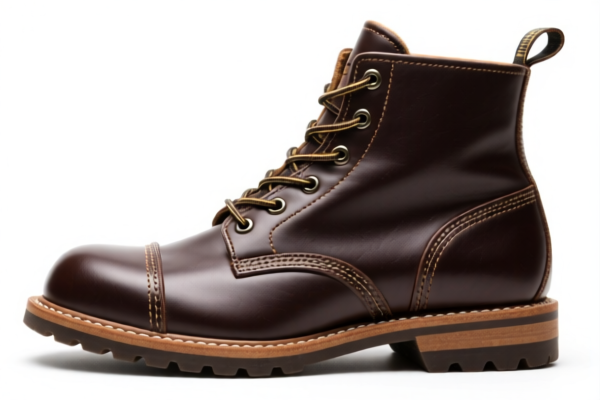
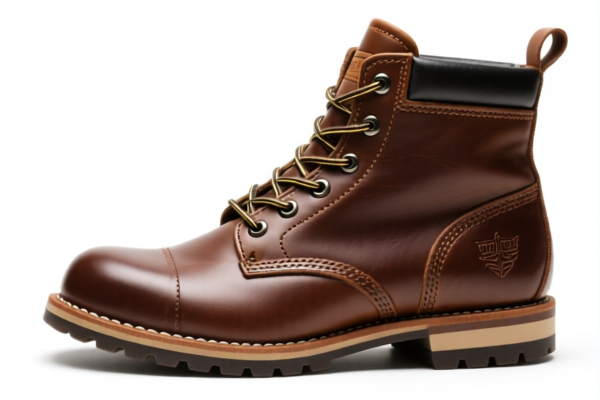
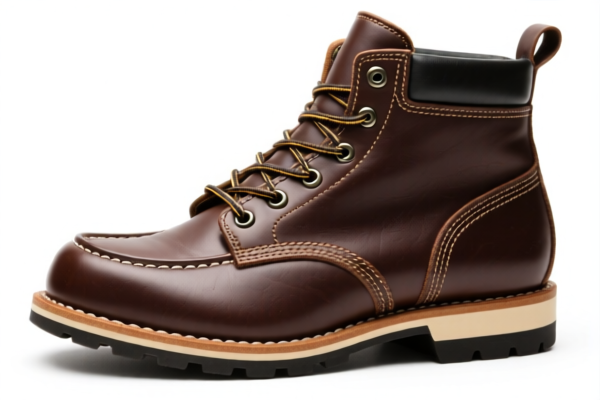
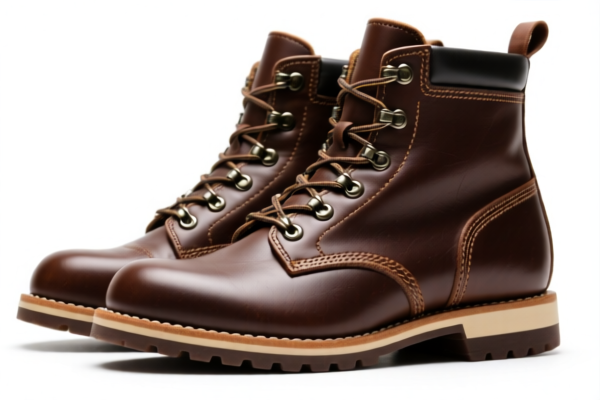
AI Analysis
👢 Metal-Tipped Mountaineering Boots (Crampon-Ready Alpine Boots)
🌐 HS Code Reference & Customs Clearance Guide | 2026 Latest Tariff Analysis | Professional Entry Strategy
📌 I. Product Definition & Classification: Do You Really Understand "Metal-Tipped Mountaineering Boots"?
Metal-tipped mountaineering boots are high-performance footwear designed for technical climbing and alpine environments. In international trade, they are strictly classified based on sole material and upper material. The key differentiator is whether the outer sole and upper are made of rubber/plastic or leather, as this determines the HS Code and significantly impacts the total tax burden.
Key Distinction Points: - Rubber/Plastic Sole & Upper: If the boot is primarily constructed from rubber or plastic materials (including composite soles), it falls under Chapter 64, Heading 6401/6402. These are subject to higher base tariffs and strict classification rules due to their synthetic nature. - Leather Upper: If the upper is leather (even with a rubber/plastic sole), it falls under Chapter 64, Heading 6403. This category often benefits from lower base tariffs but is heavily scrutinized for "metal toe cap" presence.
⚠️ Critical Warning:
The presence of a protective metal toe cap (often required for crampon compatibility or safety standards) does not change the HS Code to Chapter 73 (Iron/Steel). It remains classified under Chapter 64 (Footwear), but the material composition of the sole and upper dictates the specific subheading. Misclassification here can lead to severe penalties and retroactive tariff payments.
📦 II. HS Code Classification Details (2026 Latest Tariff Authority Reference)
Based on the provided data, here are the four possible classifications for metal-tipped mountaineering boots, depending on material composition:
| HS Code | Product Description | Applicable Scenario | Sole/Upper Material | Metal Toe Cap? |
|---|---|---|---|---|
| 6403.40.60.00 | Plan徒步鞋 with metal toe, leather upper, rubber/plastic sole | High-end leather alpine boots with rubber soles | Leather Upper, Rubber/Plastic Sole | ✅ Yes |
| 6401.10.00.00 | Plan徒步鞋 with metal toe, rubber/plastic sole & upper | Fully synthetic/waterproof mountaineering boots | Rubber/Plastic Sole & Upper | ✅ Yes |
| 6403.40.30.90 | Plan徒步鞋 with metal toe, leather upper, "Other" category | Leather boots classified under "Other" sewing/crafting | Leather Upper, Other Sole | ✅ Yes |
| 6402.91.05.00 | Plan徒步鞋 with metal toe, rubber/plastic sole & upper | Composite synthetic boots with mixed materials | Rubber/Plastic Sole & Upper | ✅ Yes |
🔍 Key Insight:
- 6401.10.00.00 is the most common for fully synthetic, waterproof, rubber-plastic mountaineering boots. It carries the highest tax burden (55%).
- 6403.40.60.00 and 6403.40.30.90 apply to leather-uppers. While base tariffs are lower, the total tax varies based on specific sub-heading interpretations.
- 6402.91.05.00 is a specialized sub-category for rubber/plastic boots that do not fit the primary 6401 definition, often resulting in moderate taxes.
💰 III. 2026 Latest Tariff Rate Breakdown (Including Surcharges & Policy Add-ons)
✅ Applicable Country: United States (US)
✅ Origin: China (CN)
✅ Effective Date: 2025/2026 (Current Policy)
🎯 1. 6401.10.00.00 —— Rubber/Plastic Mountaineering Boots with Metal Toe
| Item | Details |
|---|---|
| Base Tariff | 37.5% (Ad Valorem) |
| Section 301 Surcharge | +7.5% |
| Section 122 Tariff | +10% |
| Total Tax Rate | 55.0% |
| Tax Calculation | CIF Value × 55% |
| De Minimis Exemption | ❌ Not Eligible (High-risk item, denied de minimis) |
| Legal Basis Path | HTSUS:6401.10.00.00 → Section 301: Footnote 9903.88.01 → Section 122 |
📌 Explanation:
- This is the most expensive classification.
- The 37.5% base rate reflects the high protectionist stance on rubber/plastic footwear from China.
- The additional 17.5% (Section 301 + Section 122) pushes the total cost to over half the product's value.
- Compliance Risk: High. Customs closely monitors this code for misdeclaration as leather (6403) to avoid the 55% rate.
🎯 2. 6403.40.60.00 —— Leather-Upper Mountaineering Boots with Metal Toe
| Item | Details |
|---|---|
| Base Tariff | 8.5% (Ad Valorem) |
| Section 301 Surcharge | +0.0% |
| Section 122 Tariff | +10% |
| Total Tax Rate | 18.5% |
| Tax Calculation | CIF Value × 18.5% |
| De Minimis Exemption | ❌ Not Eligible |
| Legal Basis Path | HTSUS:6403.40.60.00 → Section 122 |
📌 Explanation:
- This is a cost-effective classification for leather-uppers.
- Section 301 surcharge is 0%, which is a significant advantage over rubber/plastic counterparts.
- The 10% Section 122 tariff still applies, but the total rate is significantly lower than 6401.
🎯 3. 6403.40.30.90 —— Other Leather-Upper Mountaineering Boots
| Item | Details |
|---|---|
| Base Tariff | 5.0% (Ad Valorem) |
| Section 301 Surcharge | +0.0% |
| Section 122 Tariff | +10% |
| Total Tax Rate | 15.0% |
| Tax Calculation | CIF Value × 15.0% |
| De Minimis Exemption | ❌ Not Eligible |
| Legal Basis Path | HTSUS:6403.40.30.90 → Section 122 |
📌 Explanation:
- This is the lowest tax rate among all options (15%).
- Applicable to leather boots that do not fit the primary "hiking" subheadings but are still classified as "Other" sewing footwear.
- Caution: Must prove leather upper construction. Misclassification as rubber/plastic could result in a massive back-tax bill.
🎯 4. 6402.91.05.00 —— Composite Rubber/Plastic Mountaineering Boots
| Item | Details |
|---|---|
| Base Tariff | 6.0% (Ad Valorem) |
| Section 301 Surcharge | +0.0% |
| Section 122 Tariff | +10% |
| Total Tax Rate | 16.0% |
| Tax Calculation | CIF Value × 16.0% |
| De Minimis Exemption | ❌ Not Eligible |
| Legal Basis Path | HTSUS:6402.91.05.00 → Section 122 |
📌 Explanation:
- A moderate rate (16%) for boots that are primarily rubber/plastic but fall under a specific "Other" sub-category.
- Suitable for boots with complex material compositions that do not strictly fit 6401.
- Lower base tariff than 6401, but still subject to Section 122.
🛠️ IV. Customs Clearance Practical Advice (Real-World Pitfall Guide)
✅ 1. Documentation Checklist (Non-Negotiable)
| Document | Required | Notes |
|---|---|---|
| ✅ Product Specification Sheet | ✔️ | Must explicitly state: Upper Material (Leather/Synthetic), Sole Material (Rubber/Plastic), and presence of Metal Toe Cap. |
| ✅ Material Composition Declaration | ✔️ | Detailed breakdown of % leather vs. synthetic in upper and sole. Critical for 6403 vs. 6401/6402 distinction. |
| ✅ Product Photos (Clear) | ✔️ | Close-ups of sole tread, upper stitching, and metal toe cap. |
| ✅ Commercial Invoice | ✔️ | Must include: "Mountaineering Boots with Metal Toe Cap, Model: XYZ, Origin: China". |
| ✅ Packing List | ✔️ | List quantities per box. Avoid mixing HS codes in one shipment. |
| ✅ Safety Certifications | ✔️ | ISO, CE, or ASTM F2413 (if applicable) to prove metal toe compliance. |
✅ 2. Declaration Tips (Key Mantra)
🔥 "Material Dictates Code, Metal Toe is a Feature, Not a Category Shift!"
| Scenario | Correct Declaration | Incorrect Practice |
|---|---|---|
| Leather Upper + Rubber Sole | 6403.40.60.00 or 6403.40.30.90 |
Declare as 6401 → 55% Tax |
| All-Rubber/Plastic Boot | 6401.10.00.00 or 6402.91.05.00 |
Declare as 6403 → Audit & Penalty |
| Composite Boot (Mixed Materials) | 6402.91.05.00 |
Declare as 6401 → Overpayment |
| Metal Toe Cap | Mention as "Protective Feature" | Claim as "Iron Article" (Ch 73) → Wrong Chapter |
📌 Note: The metal toe cap is considered an accessory/feature of the footwear, not the primary material. It does not move the item to Chapter 73.
✅ 3. Special Case Handling
| Case | Recommendation |
|---|---|
| OEM Custom Boots | Provide design specs showing material layers. If leather is <50% of upper, consider 6402. |
| Waterproof Membrane (Gore-Tex) | Does not change HS code. Still classified by outer shell material. |
| Mixed Shipment (Leather & Rubber) | Do NOT mix in one B/A. File separate entries. Mixing leads to inspection and potential downgrading to highest tax rate. |
| Sample vs. Commercial | Both require correct HS Code. Samples from China still subject to Section 122 if value exceeds de minimis. |
🌍 V. Global Market Comparison (2026 Latest)
| Country/Region | Recommended HS Code | Total Tax Rate | Certification | Notes |
|---|---|---|---|---|
| 🇺🇸 USA | 6401.10.00.00 / 6403.40.x.x |
15% - 55% | None | Section 122 + Section 301 apply. High complexity. |
| 🇨🇳 China (Export) | 6401.10.00.00 / 6403.40.x.x |
0% (Export) | CE/ISO | No export duty. Focus on destination country rules. |
| 🇪🇺 EU | 6403.91.30 / 6402.91.00 |
0% - 12.5% | CE Mark | No Section 301. Lower base rates for leather. |
| 🇨🇦 Canada | 6403.91.30 / 6402.91.00 |
0% - 17.5% | None | CUSMA may apply if originating in US/Mexico. |
📌 Conclusion:
- USA is the most challenging market due to high Section 301 and Section 122 tariffs.
- Leather-uppers (6403) are significantly cheaper to import into the US than rubber/plastic (6401).
- EU and Canada offer more favorable rates, especially for leather footwear.
📌 VI. Common Errors & Pitfall Guide (Lessons Learned)
❌ Error 1: Declaring rubber-plastic boots as "Leather Boots" to avoid 55% tax
👉 Consequence: Customs audit, penalty up to 200% of evaded duty, and shipment seizure.
❌ Error 2: Ignoring Section 122 (10%) in total cost calculation
👉 Consequence: Profit margin erosion. Many importers forget this surcharge.
❌ Error 3: Mixing HS Codes in one Bill of Lading
👉 Consequence: Customs may hold the entire shipment for inspection, delaying clearance by weeks.
❌ Error 4: Claiming "De Minimis" Exemption for metal-tipped boots
👉 Consequence: Denied. These are high-risk items. Full duty is always required.
✅ Correct Approach:
"Mountaineering Boots, Leather Upper, Rubber Sole, with Reinforced Metal Toe Cap, Model: AlpinePro X1, Made in China"
🎯 VII. Conclusion: Professional Classification Saves Money!
🎯 Key Takeaways:
🔹 "Leather is Cheaper: 15-18.5% vs. Rubber's 55% in the US!"
🔹 "Metal Toe is a Feature, Not a Category!"
🔹 "Never Mix Leather and Rubber Boots in One Shipment!"
🔹 "Section 122 is Always 10%: Don't Forget It!"
📌 Pro Tip:
If your boots are leather-uppers, strive to classify under 6403.40.30.90 (15%) or 6403.40.60.00 (18.5%).
If you must use rubber/plastic, expect 6402.91.05.00 (16%) if possible, otherwise 6401.10.00.00 (55%).
Consult a customs broker to review your material composition before shipping to avoid costly surprises.
📣 Immediate Action:
📞 Engage a licensed customs broker
📦 Provide material specs and photos
🚀 Optimize HS Code for lowest legal tariff
💼 Ensure smooth clearance and maximize your profit margin!
✨ Precision Classification is the Key to Global Trade Success!
💼 Every dollar saved on duty is pure profit!
Customer Reviews
About HS Code Classification
The Harmonized System (HS) is an internationally standardized nomenclature developed by the World Customs Organization (WCO) to classify traded products. Over 200 countries use the HS system as the basis for customs tariffs, trade statistics, and import/export regulations.
Each HS code follows a hierarchical structure:
- Chapter (2 digits) — Broad category of goods (e.g., Chapter 84: Machinery and Mechanical Appliances)
- Heading (4 digits) — More specific grouping within the chapter
- Subheading (6 digits) — Internationally standardized breakdown, used by all WCO member countries
- National subdivisions (8-10 digits) — Country-specific extensions for further classification, such as US HTSUS 10-digit codes
Correct HS code classification is essential for smooth customs clearance, accurate duty payment, and compliance with trade regulations. Misclassification can lead to customs delays, overpayment of duties, or penalties.
When importing from CN to US, the applicable tariff rates may include:
- Most-Favored-Nation (MFN) rate — The standard duty rate applied to WTO members
- General rate — Applied to countries without trade agreements
- Trade remedy duties — Additional tariffs such as Section 301 (anti-dumping), Section 232 (national security), or countervailing duties
The information provided on this page is for reference purposes only. For official classification, please consult with your local customs authority or a licensed customs broker.